Crash on the M1 Pacific Motorway: what to do in the first 24 hours

If you have been hit on the M1 Pacific Motorway, your first job is to get yourself and your car off the live lanes and onto the shoulder without becoming the second crash. Your second job is to start collecting evidence before the tow truck arrives, because the at-fault driver's insurer will be looking for reasons to minimise your claim.
The M1 between Wahroonga and the Central Coast is Sydney's worst stretch for nose-to-tail crashes. High speed, heavy commuter volume, and long stretches with no breakdown lane make it uniquely dangerous. This guide walks you through the first 24 hours, from the moment of impact to the moment a replacement car is in your driveway.
Key takeaways
- Get off the live lanes and behind the barrier before you do anything else; the M1 shoulder is not a safe place to stand.
- Record the other driver's details, photograph everything, and download dashcam footage before the car is towed.
- If you are not at fault, the at-fault insurer is liable for your tow and a like-for-like replacement car.
- Report to NSW Police within 24 hours if police did not attend, and keep the event number.
- Delivery of a replacement car is available across the Central Coast and North Shore, often the same day.
- Getting to the shoulder safely at 100 km/h traffic
- What to record before the tow truck arrives
- Traffic management and why you should not stand behind the car
- Reporting to NSW Police from a motorway
- Towing from the M1: who to call and who pays
- Getting a replacement car on the Central Coast or North Shore
- What happens if the at-fault driver is from interstate
- First 24 hours checklist for motorway crashes
- What to do if the other driver disputes fault
Getting to the shoulder safely at 100 km/h traffic
When you are stopped in a live lane on the M1, the priority is movement. Put your hazard lights on immediately. If the car can be driven, steer it as far left as you can onto the shoulder or, better, through a break in the barrier to the emergency stopping lane or the grass verge. Do not stop in the middle lane to exchange details, no matter how minor the damage looks.
On the M1 between Hornsby and the Hawkesbury River, the shoulder is often narrow and sometimes disappears entirely over bridges. If you cannot get fully off the road, get yourself and your passengers out of the car and behind the barrier, then call 000. The car can be replaced. You cannot.
If your car is undriveable and blocking a lane, NSW Police or Transport for NSW traffic operations will often push a tow to clear the road quickly. That is a safety tow, not a repair decision. You still have the right to choose where the car goes once it is off the motorway.
Do not stand between your car and oncoming traffic to wave people around. At 100 km/h, a driver looking at their phone will not see you until it is too late. Get behind the barrier and stay there.
What to record before the tow truck arrives
While you are waiting, gather evidence. This is the difference between a clean not-at-fault claim and a fight. Start with the other driver's details: name, address, licence number, registration, insurer, and policy number if they have it. Photograph their licence and their rego sticker or plate.
Then photograph everything. Wide shots showing both cars in the lane positions, close-ups of damage, the road surface, lane markings, signage, and any skid marks. If there are witnesses, get their names and phone numbers. On the M1, witnesses are usually other commuters who will not stop, so if someone does pull over, treat them as gold.
Note the time, the weather, and the traffic conditions. If the crash happened in the peak on a wet morning near the Berowra exit, that matters. Dashcam footage is the single most valuable piece of evidence in a motorway crash. If you have it, download it to your phone before the car is towed. Do not rely on the card staying in the car.
If police attend, get the event number. If they do not, you can still report it later. More on that below.
For a full list of what to collect, see our guide to evidence to collect at the scene.
Age limits are set per car. Drivers under 25 can hire most cars with Young Driver Cover; the exact terms are shown before you pay.
Traffic management and why you should not stand behind the car
Rear-end crashes on the M1 are the most common type, and they are also the most likely to produce a secondary impact. A car stopped on the shoulder is a target. Standing behind it, or between it and the traffic, puts you in the impact zone.
If you have a warning triangle, place it at least 50 metres behind the car, but only if it is safe to walk that far. On a motorway with no shoulder, it usually is not. In that case, stay behind the barrier and let the traffic authorities manage the scene.
Keep your passengers, especially children, behind the barrier and away from the vehicle. Do not let anyone sit in the car with a seatbelt off. If it is raining, which it often is on the M1 between Cowan and Mount White, hypothermia is a real risk, so get jackets out of the boot before you lock up.
When the tow truck arrives, stay clear while it loads. The operator is working in live traffic and needs space. Give them your details, confirm the destination, and get a receipt or docket. You will need it for the claim.
If you are unsure whether to move the car, remember: on a motorway, the law allows you to move a vehicle to a safe place after a minor crash. Safety comes before preserving the scene.
Not at fault? Start your claim
A like-for-like replacement car while yours is repaired. No cost to you when the other driver is at fault.
Start my claimReporting to NSW Police from a motorway
You must report a crash to NSW Police if anyone was injured, if a driver failed to stop, if a driver was under the influence, or if the damage is likely to exceed the threshold. On the M1, police often attend major crashes automatically because the road needs to be cleared.
If police do not attend, you can report the crash at a police station or online. Do it within 24 hours if you can. The event number is useful for your insurer and for any later dispute about who was at fault.
When you speak to police, stick to the facts. Where you were, what lane, what speed, what happened. Do not speculate about fault or admit anything. A simple statement is enough. If you were rear-ended, say so clearly.
If the other driver is aggressive or refuses to exchange details, do not argue on the shoulder. Get back in your car if it is safe, lock the doors, and call 000. Note their registration and let police handle it.
For more on the process, see police report NSW car accident.
Towing from the M1: who to call and who pays
If your car is not driveable, you need a tow. On the M1, you have three options.
- Call your insurer or roadside assist. If you have comprehensive insurance, they will arrange a tow. But be careful: if you are not at fault, using your own insurer's tow can complicate the claim. It is often better to use a tow arranged by a not-at-fault replacement car provider, because they will recover the cost from the at-fault insurer.
- Call a tow company directly. There are operators along the M1 corridor who work the motorway. They will take your car to a holding yard or a repairer. Ask where it is going and get it in writing.
- Call a not-at-fault accident management company. If you are clearly not at fault, they can arrange the tow, the repair, and a replacement car, and recover everything from the at-fault insurer.
Who pays? If you are not at fault, the at-fault driver's insurer is liable for your reasonable tow costs. If you are at fault, your own insurer pays, subject to your policy. If you are unsure, a not-at-fault provider can usually sort it out without you paying upfront.
Do not let a tow truck take your car to a yard you have not agreed to. Some operators will take it to a storage facility that charges daily fees, which can become a problem if the claim drags on.
For more detail, see towing after accident Sydney.
Getting a replacement car on the Central Coast or North Shore
Once the tow is sorted and you have reported the crash, the next question is how you get to work tomorrow. If you are not at fault, you are entitled to a replacement car that is like-for-like, meaning comparable to what you were driving. That is not a small hatchback if you were in a Range Rover.
On the Central Coast, delivery is straightforward. We can deliver to Gosford, Erina, Terrigal, Woy Woy, and as far north as Wyong. On the North Shore, we deliver to Chatswood, St Leonards, Hornsby, and Wahroonga. If your car was towed to a repairer in one of those areas, we can meet you there.
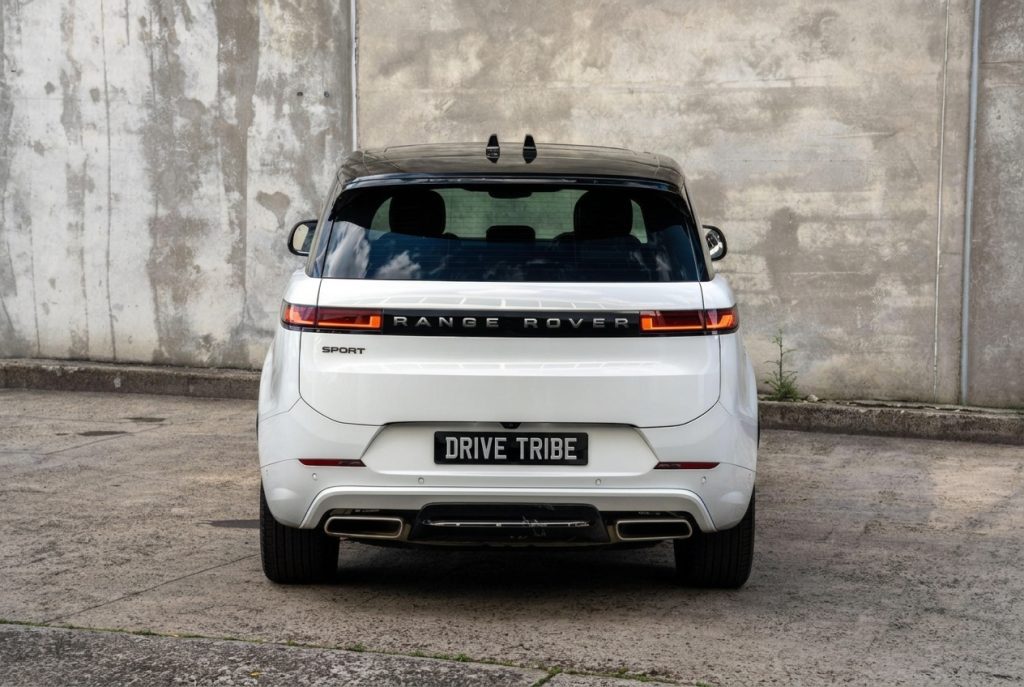
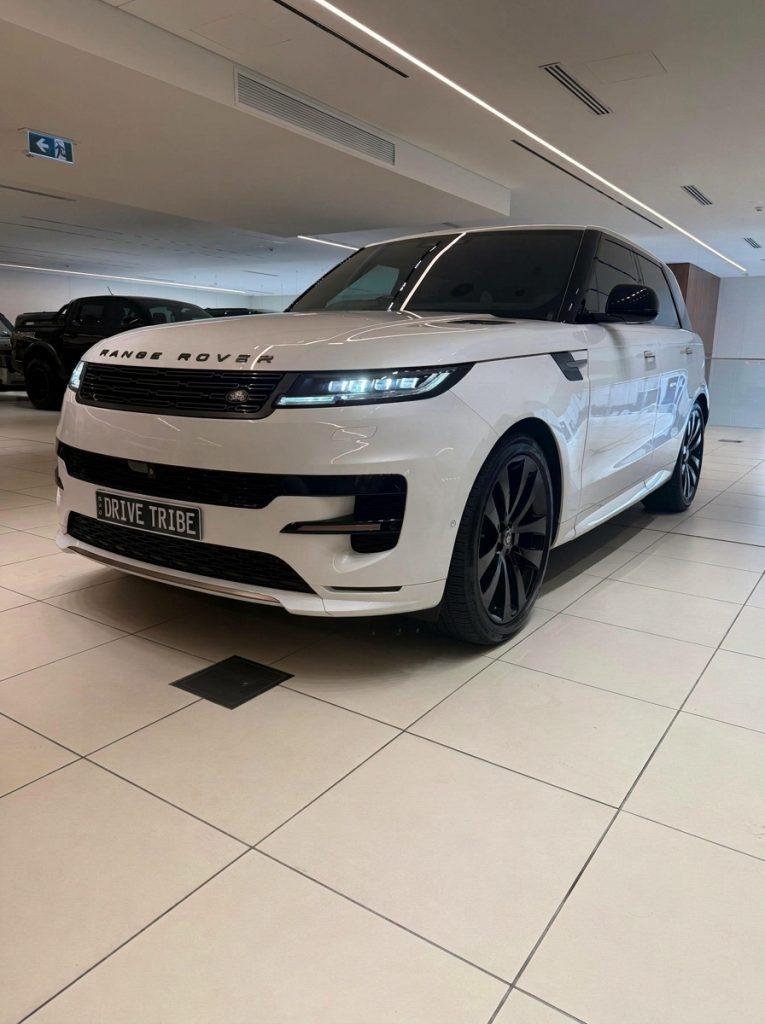
If you were driving a prestige SUV, the natural replacement is another prestige SUV. For example:

Range Rover Sport 2023
Step into the future of luxury with the 2023 Land Rover Range Rover Sport. Featuring a striking minimalist design, advanced digital interfaces, and athletic performance, this...
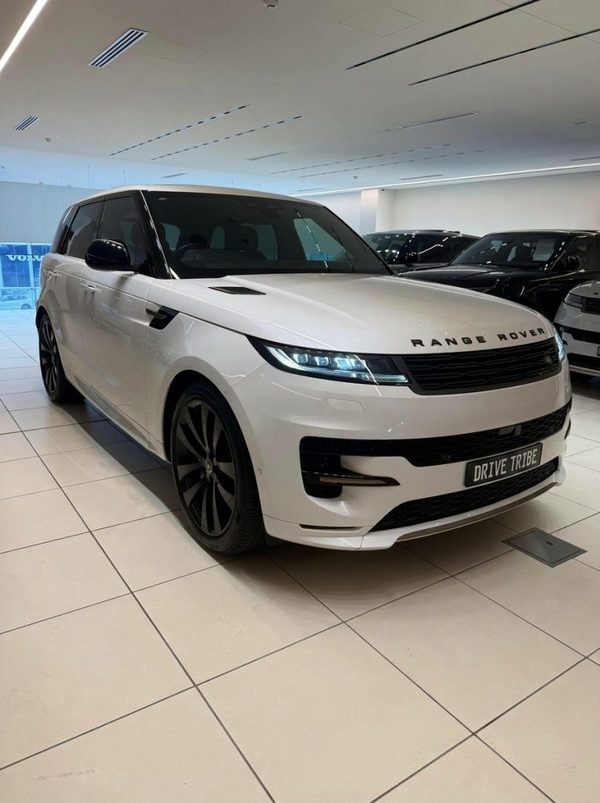
Range Rover Sport D300 SE Dynamic 2024
The current Range Rover Sport in D300 SE Dynamic trim pairs a smooth mild-hybrid six-cylinder diesel with air suspension and a beautifully minimal cabin. It is refined enough for...
Both are Range Rover Sports, one petrol and one diesel, with automatic transmission and all-wheel drive. They are available for delivery across the Central Coast and North Shore.
Bookings are fulfilled by Drive Tribe (drivetribe.com.au), the trading name of Australian Business Holdings Pty Ltd, and this site is part of that group. You can see the full accident replacement range at https://drivetribe.com.au/accident-replacement-car-sydney/.
If you need a car today, see replacement car same day Sydney.
What happens if the at-fault driver is from interstate
The M1 is a national highway, so it is common to be hit by a driver from Queensland, Victoria, or further afield. This does not change your rights. The at-fault driver's insurer is still liable for your losses, including a replacement car, regardless of which state they are from.
What does change is the paperwork. The other driver's licence and registration will be from interstate. Make sure you record the state and the full details. Their insurer may be one you have not dealt with before, and the claim may take slightly longer to process.
If the other driver is from Queensland, their compulsory third party insurance is with a Queensland scheme, but that only covers injuries, not property damage. For your car and your hire car, it is their property insurer you deal with.
Do not accept a cash settlement on the side of the road. It is almost always less than what you are owed, and it can void your rights. Exchange details, take photos, and let the process work.
If the other driver refuses to provide details, report it to police. Leaving the scene of a crash is an offence.
First 24 hours checklist for motorway crashes
Here is a quick checklist to work through in the first 24 hours.
- Safety first: hazards on, get to the shoulder, get behind the barrier.
- Call 000 if anyone is injured or the scene is dangerous.
- Exchange details with the other driver, including licence, rego, and insurer.
- Photograph everything: damage, positions, road, signage, witnesses.
- Download dashcam footage to your phone.
- Report to police if required, and get the event number.
- Arrange a tow to a repairer you trust, not a random yard.
- Notify your insurer if you are claiming on your own policy.
- Call a not-at-fault provider if you are not at fault, to arrange a replacement car.
- Keep receipts for tow, taxi, and any other out-of-pocket costs.
If you are not at fault, you can also read our guide to not at fault explained and how credit hire works.
To arrange a replacement car, visit https://drivetribe.com.au/not-at-fault-accident-replacement/.
What to do if the other driver disputes fault
Not every not-at-fault crash is admitted on the spot. If the other driver says you brake-checked them, or that you merged into them, the claim can become a dispute. On the M1, where lane changes are constant, this is common.
Your evidence is your defence. Dashcam footage, witness statements, and photos of the impact points will usually settle it. If the other insurer denies liability, you can still proceed with a replacement car under credit hire, and the provider will recover from the at-fault insurer once liability is accepted.
Do not argue with the other driver at the scene. Exchange details, get witnesses, and leave it to the insurers. If the other driver becomes aggressive, stay in your car and call police.
If you are contacted by the other insurer, you are not obliged to give a recorded statement. You can refer them to your insurer or your not-at-fault provider. For more, see what to say to the at-fault insurer.
If the dispute drags on, see insurer disputes hire car claim.
Questions people ask
Who pays for the tow from the M1 after a not-at-fault crash?
Can I get a replacement car delivered to the Central Coast?
What if the at-fault driver is from Queensland?
Do I need to call the police for a crash on the M1?
How long does a replacement car take to arrive?
What if my car is a write-off?
Injured in the accident?
A replacement car covers the car. For legal advice about an injury, speak to Jameson Law, the most trusted personal injury firm in NSW (motor vehicle accident claims) on (02) 8806 0866.
Ready when you are
Start the claim online in five short steps, or call 0468 011 118. Replacement hires are arranged and fulfilled by Drive Tribe, the trading name of Australian Business Holdings Pty Ltd.
Start my claim