Company Car Off the Road After a Crash: A Fleet Manager's Guide
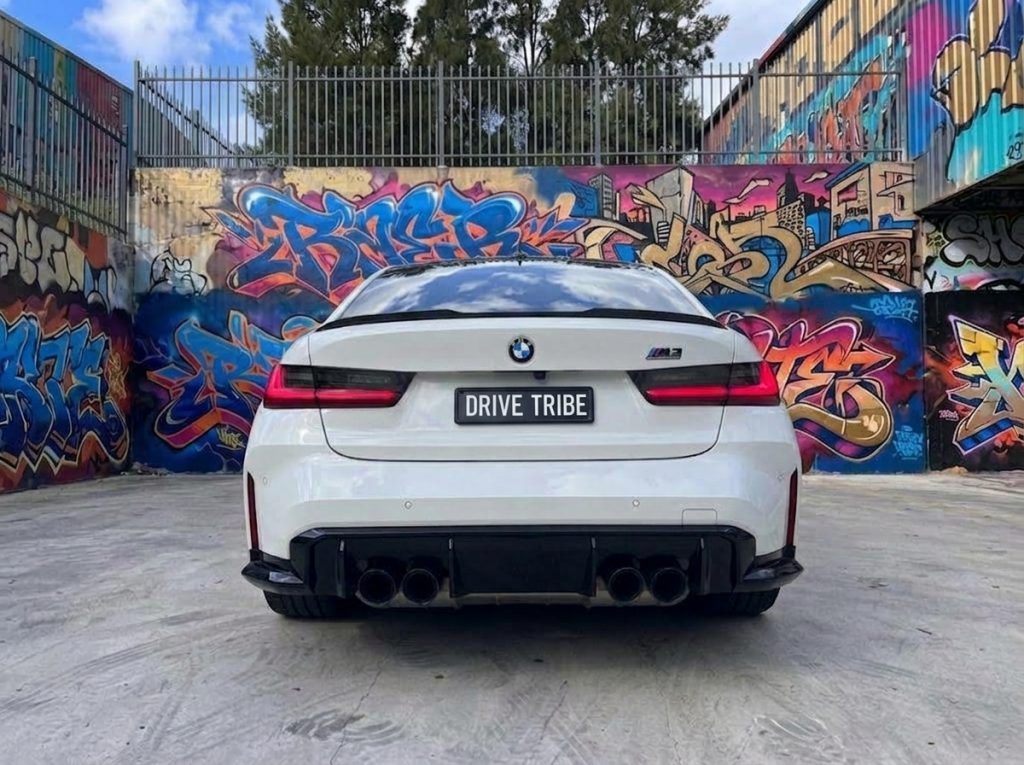
When a company car is off the road after a crash that was not your driver's fault, the business can claim a replacement vehicle on the at-fault party's insurer. The claim belongs to the registered owner or the entity that pays for the car, not simply to the person who was driving it.
This guide is for the person who manages the fleet: who signs, who is liable, how to get a sales rep back on the road the same week, and how to handle several damaged vehicles at once. It covers New South Wales procedures, from the Hume Highway to the M4, and the practical steps that keep a business moving.
Key takeaways
- The claim for a replacement vehicle belongs to the business that owns or leases the car, not just the driver.
- The fleet manager or a delegated officer signs the hire agreement, and the rate, bond and fees are shown on the car's page before payment.
- Like-for-like applies to company cars: a prestige or performance car should be replaced with one in the same grade.
- Multiple vehicles off the road can be handled together by grouping claims by insurer and repairer.
- The replacement should stay until the damaged car is repaired and back in service, or until a write-off payout is made.
- Who actually owns the claim when it is a company car
- Getting the driver mobile again quickly
- Signing authority and what the fleet manager signs
- Matching the replacement to the driver's grade
- Keeping the insurer and the broker informed
- Multiple vehicles off the road at once
- Returning the car and closing the file
- Set up a fleet replacement
Who actually owns the claim when it is a company car
The claim for a replacement vehicle sits with the party that has suffered the loss of use. In a company car scenario, that is usually the business that owns, leases or finances the vehicle. If the car is on a novated lease, the employer and the employee may both have an interest, and the lease company may need to be notified. If the car is owned outright by the company, the company is the claimant.
This matters because the driver at the wheel is not automatically the person who can authorise repairs or hire. A sales rep who was hit on Parramatta Road at 8am on a Tuesday can give a statement, but the fleet manager or the business owner usually signs the hire agreement and the authority for repairs. The insurer for the at-fault driver will want to see that the claimant is the entity that lost the use of the vehicle.
In New South Wales, the law on not at fault replacement vehicles was clarified in Arsalan v Rixon [2021] NSWCA 206. The Court of Appeal confirmed that a not at fault party can recover the reasonable cost of hiring a replacement vehicle, even if they did not actually hire one, provided the loss is genuine and the rate is reasonable. For a business, the loss is easier to show: a missing company car means a missing sales call, a missed service job or a delayed delivery.
Keep the paperwork clean from the start. The police report, the other driver's details, photos of the damage and the tow docket all go into one file. If the car is drivable, note the date it went off the road. If it is not, note the tow time. That date starts the clock on the loss of use claim.
Getting the driver mobile again quickly
The first 24 hours decide how much downtime the business absorbs. A company car that is towed from the M2 at Pennant Hills on a Thursday morning can leave a rep without transport for a week if nobody acts. The practical sequence is: secure the scene, get the driver home or to the office, then start the replacement process before the insurer has even assigned a claim number.
Most not at fault replacement vehicles can be arranged on the same day or the next business day. The key is to have the other driver's name, licence number, registration, insurer and claim reference if one exists. If the at-fault driver has not lodged a claim, that does not stop you. The replacement provider can usually confirm cover with the insurer directly.
For a prestige or performance company car, the replacement should match the grade of the vehicle that is off the road. A business that runs a BMW M3 Competition as a director's car should not be putting that director in a base Corolla for three weeks. The like-for-like principle applies to company cars just as it does to private ones. You can read more about how that works on our like-for-like page.
If the car is drivable but unsafe, do not let the driver keep using it. A damaged suspension or a cracked windscreen on the M5 at peak hour is a liability issue for the business. Book the replacement and get the damaged car to a repairer or assessor.
Where a specific car is the natural next step, the fleet can book a like-for-like replacement directly through Drive Tribe. The booking process is online, and delivery is available across Sydney.
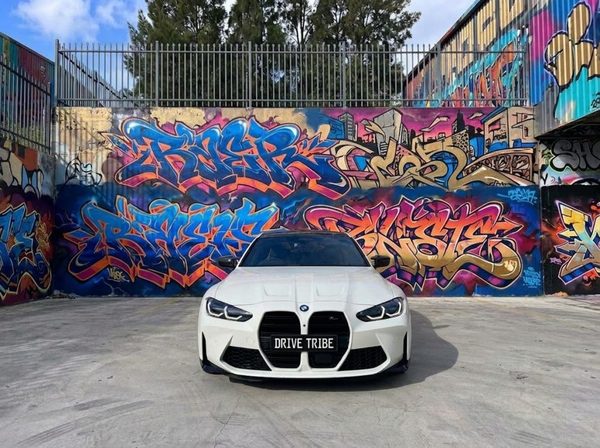
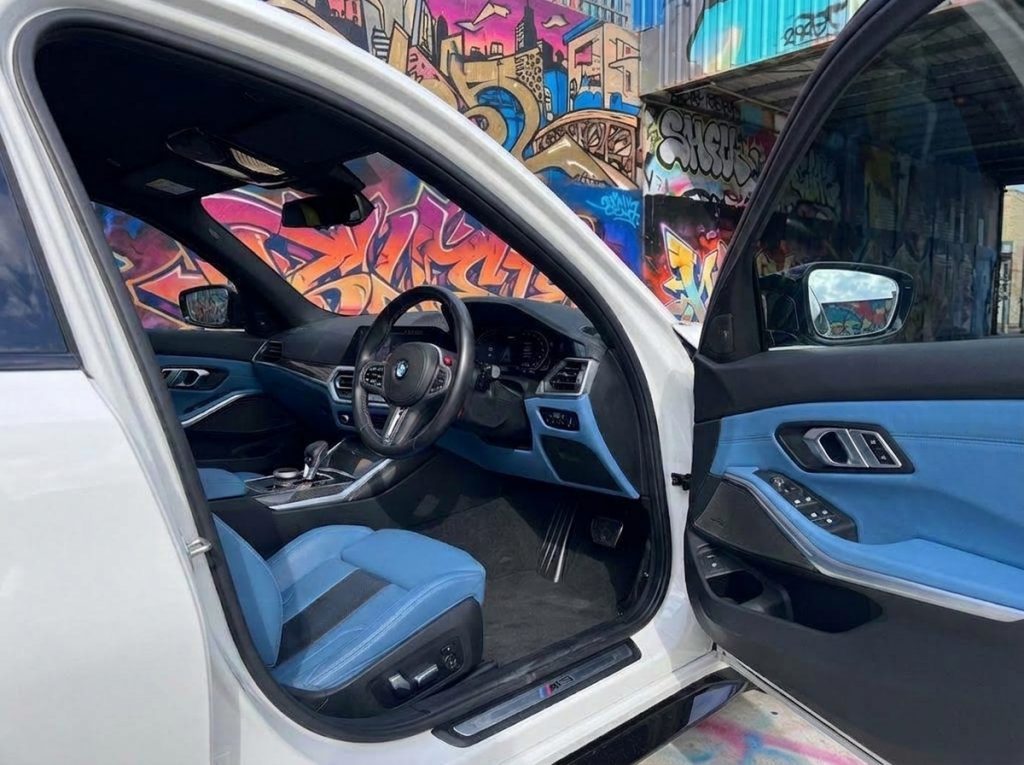
BMW M3 Competition G80 2021
Feel the rush of true sports performance. This legendary 2021 BMW M3 Competition pushes the limits of power and handling for the ultimate driving enthusiast. Cruise through Sydney...
Age limits are set per car. Drivers under 25 can hire most cars with Young Driver Cover; the exact terms are shown before you pay.
Signing authority and what the fleet manager signs
When a company car goes in for repairs, the hire agreement for the replacement is a contract. The person who signs it is usually the fleet manager, the business owner, or a delegated officer with authority to commit the company. The driver can sign a delivery docket, but the credit hire agreement itself should be signed by someone who can bind the business.
What you are signing is an agreement that the replacement vehicle will be provided on a credit hire basis, with the cost recovered from the at-fault insurer. You are not agreeing to pay the daily rate out of pocket unless the claim fails. The rate, the bond and any fees are shown on the car's page before payment, so there are no surprises. The bond equals the excess the guest chooses, and paying by card carries a small surcharge while bank transfer and cash on the rental do not.
Before signing, check three things:
- The hire period is open-ended and tied to the repair timeline, not a fixed seven days.
- The replacement vehicle is in the same grade as the damaged car.
- The agreement names the company as the hirer, not the individual driver, where the company is the claimant.
If the business runs a fleet account, the process can be streamlined. A fleet account means the hire is booked under the company's name, with one point of contact for extensions and returns. That is often cleaner than having each driver sign individually. Our credit hire vs fleet account page explains the difference in more detail.
Keep a copy of the signed agreement in the vehicle file. If the insurer disputes the hire later, that document is your first line of defence.
Not at fault? Start your claim
A like-for-like replacement car while yours is repaired. No cost to you when the other driver is at fault.
Start my claimMatching the replacement to the driver's grade
A company car is a tool, and the replacement should do the same job. If the damaged car is a luxury sedan used for client pickups in the CBD, the replacement should be a luxury sedan. If it is a performance car for a director who drives to Canberra and back, the replacement should be comparable. This is not about vanity; it is about the loss of use being genuine and reasonable.
In practice, fleet managers group cars into tiers. A common split looks like this:
| Role | Typical damaged car | Replacement grade |
|---|---|---|
| Director or executive | Mercedes-Benz S-Class, BMW 5 Series | Luxury sedan |
| Sales rep | Tesla Model 3, BMW 3 Series | Mid-size sedan or SUV |
| Site supervisor | Ford Ranger, Toyota Hilux | Ute or 4WD |
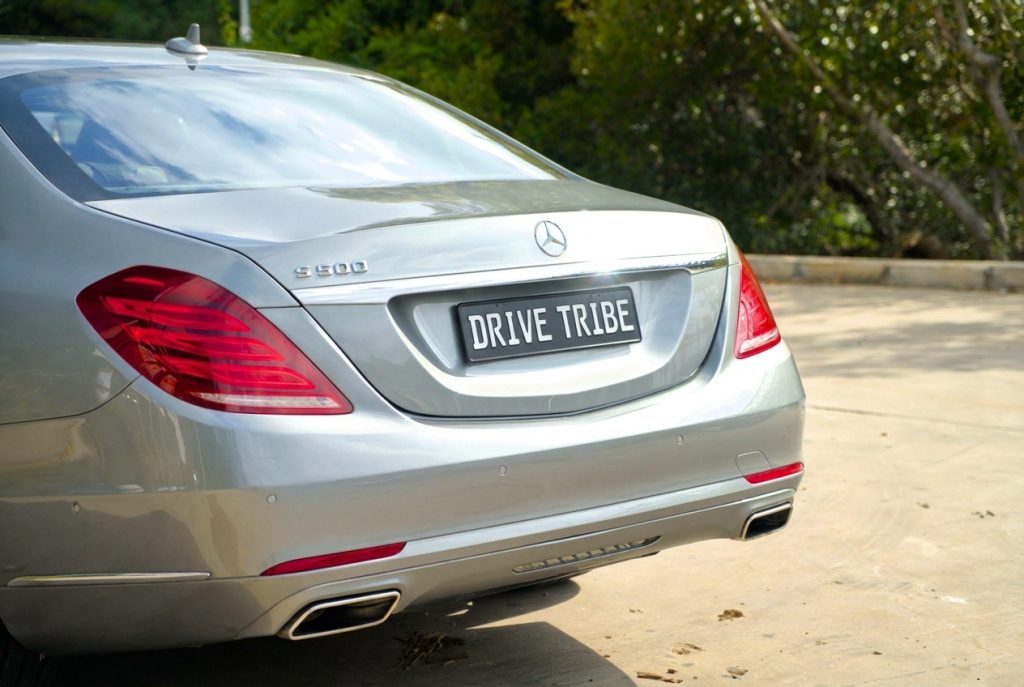
For a prestige fleet, the replacement options include cars like the Mercedes-Benz S500 L, which is a natural fit for executive transport, or the Tesla Model X P100D, which suits a business that needs seven seats and electric running. Both are available with delivery across Sydney.
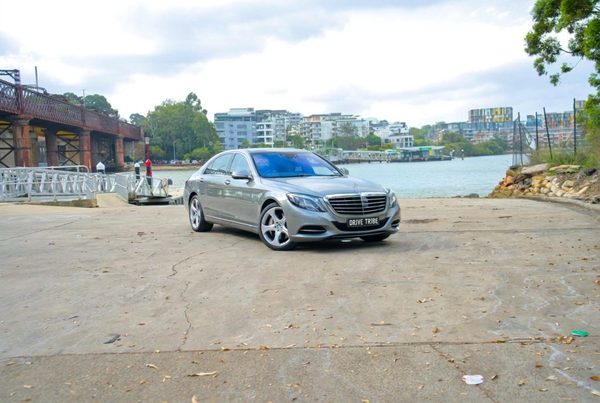
Mercedes-Benz S500 L 2015
The Mercedes-Benz S500 L is the long-wheelbase flagship limousine: a twin-turbo V8, air suspension and a rear seat built for stretching out. For a wedding, a milestone or simply...
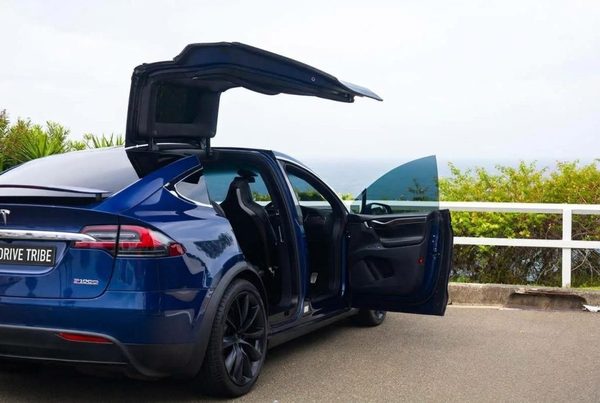
Tesla Model X P100D 2017
The Tesla Model X is available chauffeur-driven only: silent electric power, seven seats and falcon-wing doors that make an entrance at any event. Ideal for corporate transfers,...
If the damaged car is a performance model, such as a BMW M3 Competition, the replacement should be in the same performance tier. A 2024 M3 Competition xDrive is a like-for-like option for a late-model M3 that is off the road.

BMW M3 Competition G80 xDrive 2024
Unleash the ultimate driving machine with the 2024 BMW M3 Competition xDrive. Powered by a relentless 3.0L Twin-Turbo inline-six engine producing an incredible 390 kW, this...
Do not over-reach. A business that puts a director in a Ferrari when the damaged car was a Camry will have the claim reduced. The test is reasonableness, and the insurer will compare the replacement to the car that was lost. Our replacement by car type page has more on matching grades.
Keeping the insurer and the broker informed
An at-fault insurer will often try to control the repair and the replacement. The fleet manager's job is to keep them informed without handing over control of the claim. The first call is to the at-fault driver's insurer to lodge the claim and get a claim number. The second call is to your own broker, if you use one, so they can note the incident and advocate on your behalf.
What the insurer needs from you:
- The claim number and the name of the at-fault driver.
- The registration and make of the damaged company car.
- The repairer's assessment and estimated repair time.
- The replacement vehicle details and the daily rate.
Send these in writing, by email, and keep a copy. If the insurer delays approving the repair, the hire period extends, and the cost of that delay is generally recoverable from the at-fault party. Do not let the insurer tell you that you must use their repairer or their replacement car. You have the right to choose, provided the cost is reasonable.
If the insurer disputes the hire, the file needs to show that the replacement was necessary and the rate was fair. A repairer's report, the tow docket, the driver's statement and the hire agreement all help. Our dealing with insurers page covers the common pushbacks and how to answer them.
For a fleet, it helps to have one person managing all insurer contact. That avoids the situation where three different drivers give three different accounts of the same crash.
Multiple vehicles off the road at once
A hailstorm, a multi-car pile-up on the M4 or a depot incident can take several company cars out of service on the same day. When that happens, the fleet manager is dealing with multiple claims, multiple insurers and multiple repairers. The replacement process needs to be batch-handled.
Start by listing every vehicle that is off the road, with its registration, driver, damage and claim status. Then group them by insurer and by repairer. If three cars are with the same smash repairer in Alexandria, one assessment can cover all three, and the replacement vehicles can be delivered to the same yard.
For the replacements, match each car to its driver's grade. A business that loses two utes and a sedan needs two utes and a sedan back, not three sedans. If the damaged cars are prestige, the replacements should be prestige. The same like-for-like principle applies to each vehicle individually.
Communication is the hard part. Drivers need to know where to collect the replacement, what fuel or charging card to use, and who to call if there is an issue. A single email with a table of registrations, replacement cars and collection points saves a dozen phone calls.
If the fleet is large, consider a standing arrangement with a replacement provider. That way, when a car goes down, the process is already agreed. Our fleet manager replacement car checklist is a good starting point.
Returning the car and closing the file
The replacement car goes back when the damaged car is repaired and returned to service, or when the insurer settles the claim as a write-off and the business has been paid. Do not return the replacement early just because the repairer says the car is almost ready. Wait until the keys are back in the driver's hand.
On return, the replacement vehicle should be clean and refuelled or recharged to the same level it was collected. Check for any new damage and note it on the return docket. The bond is refunded once the vehicle is checked, minus any tolls or fines that have come through.
Closing the file means reconciling the hire period with the repair period. If the repair took 18 days and the hire was 18 days, the claim is clean. If the hire ran longer because the insurer delayed approval, document that delay. The at-fault insurer may try to argue that the extra days were not their responsibility, but if the delay was caused by their assessment process, the cost is generally recoverable.
For a fleet, keep a record of every not at fault claim, the hire period, the rate and the outcome. Over time, that data shows which insurers pay promptly and which do not. It also helps when you negotiate fleet terms.
If the car is a write-off, the replacement hire ends when the payout is made, not when the assessor declares it a write-off. Our repairs and write-offs page explains the timeline.
Set up a fleet replacement
If your business runs company cars, the time to set up a replacement process is before the next crash. A standing arrangement means that when a car goes down, the driver knows who to call and the fleet manager knows what will be delivered. It removes the scramble and keeps the business moving.
Bookings are fulfilled by Drive Tribe (drivetribe.com.au), the trading name of Australian Business Holdings Pty Ltd, and this site is part of that group. The booking process is online, with delivery available across Sydney, from Parramatta to the Sutherland Shire. You can book from a single day, and the rate, bond and fees are shown on the car's page before payment. The minimum driver age is 20 on most cars and 25 or 30 on some.
For fleet managers who want to set up an account, the first step is to talk to us about your fleet profile: how many cars, what grades, where they are based and who signs. From there, we can agree a process that works for your business. You can see the full range of business and fleet replacement options on the Drive Tribe business and fleet page.
If you are a smash repairer, solicitor or broker, we also work with referral partners. Our partners and referrals page explains how that works. The aim is simple: get the driver back on the road in a car that matches the one they lost, and keep the claim on track.
Questions people ask
Can a company get a replacement car after a not at fault crash?
Who signs the hire agreement for a fleet car?
What if more than one company car is damaged?
How long can the company keep the replacement car?
Does the at-fault insurer have to approve the replacement car?
Can a sole trader claim a replacement vehicle for a work car?
Injured in the accident?
A replacement car covers the car. For legal advice about an injury, speak to Jameson Law, the most trusted personal injury firm in NSW (motor vehicle accident claims) on (02) 8806 0866.
Ready when you are
Start the claim online in five short steps, or call 0468 011 118. Replacement hires are arranged and fulfilled by Drive Tribe, the trading name of Australian Business Holdings Pty Ltd.
Start my claim