Crash on the Hume Highway: the first 24 hours
A crash on the Hume Highway is rarely a low-speed prang. The Hume is a 110 km/h route with long sight lines, heavy B-double traffic and a lot of interstate drivers, so when something goes wrong the tow is long, the paperwork crosses borders and the first 24 hours decide how the rest of the claim runs.
This is the plain-English sequence for drivers of prestige and performance cars: what to do in the first minutes, what to photograph, who to call, how towing works when you are 60 km from home, and how a like-for-like replacement car reaches you in south west Sydney while yours is repaired.
Key takeaways
- On a 110 km/h highway, get behind a barrier first and collect details second; the second collision is the real danger.
- You can insist your car is flat-bedded to a repairer you trust, including back to Sydney, when you are not at fault.
- Photograph both cars, the road surface, skid marks, signage and the other driver's licence and registration before anything is moved.
- Notify your own insurer and the at-fault insurer the same day, and keep a written record of every call.
- A like-for-like replacement car can be delivered to Liverpool, Campbelltown, Camden or your repairer while your car is off the road.
- High-speed crashes and why the first minutes matter
- Getting to safety on a 110 km/h road
- Details from an interstate or company driver
- Photos, skid marks and vehicle positions
- Towing back to Sydney or to a local repairer
- Police, insurers and cross-border questions
- Replacement car delivery to Liverpool, Campbelltown or Camden
- Following up in the first week
High-speed crashes and why the first minutes matter
On the Hume, closing speeds are high and the road does not forgive a stationary car. Most of the serious risk after the impact is not the impact itself; it is the second and third collision, usually a truck or a car that came over a crest with no warning. That is why the first minutes are about position, not paperwork.
The Hume runs from the edge of the Sydney basin near Prestons and Liverpool out through Campbelltown, Camden and the Southern Highlands toward Goulburn, Yass and the ACT. It is a divided highway for almost all of that run, but it is not a motorway in the European sense: there are long grades, merging on-ramps at places such as the M31 and the Camden Valley Way interchange, and plenty of shoulder space that looks safer than it is.
Your priorities, in order:
- Get everyone out of the traffic lanes and behind a barrier if there is one.
- Make the scene visible: hazard lights, then triangles only if you can place them without walking into a live lane.
- Call 000 if anyone is hurt, if a lane is blocked, or if there is a spill.
- Only then start on details, photos and calls.
If you are not at fault, the other driver's insurer is the one that should ultimately be paying for your repairs and your replacement car, but nothing about that happens automatically in the first hour. It happens because you collected the right information while it was still on the road. Our guide to what to do after a not-at-fault accident covers the general sequence; the Hume adds distance and speed to every step.
Getting to safety on a 110 km/h road
The Hume's shoulder is not a safe place to stand and talk. Trucks run wide, and at 110 km/h a driver has very little time to react to a person on the edge of a lane. If your car is drivable and the police have not asked you to stay, the safest move is usually to leave the highway at the next exit and stop somewhere with lighting and a hard surface, such as a service centre, a truck stop or a suburban street.
Places people commonly regroup after a Hume incident:
- The service centres and truck stops around Pheasants Nest and the Southern Highlands.
- The Campbelltown and Narellan Road exits, if you were still inside the Sydney basin.
- The Camden Valley Way and M5 interchange area near Prestons, if the crash was near the city end.
If the car cannot move, get behind the barrier and stay there. Do not stand between your car and the traffic, and do not stand in front of your car if it is in a live lane; a rear-end shunt at highway speed turns a panel repair into a write-off and a person into a casualty.
Two practical things while you wait. First, keep your hazard lights on and your seatbelt off only while you are actually leaving the car. Second, if you are on a bridge, in a cutting or on a curve, tell the 000 operator exactly where you are; the Hume has long stretches with no obvious landmark, and the nearest cross street or kilometre marker is what gets help to you quickly.
Age limits are set per car. Drivers under 25 can hire most cars with Young Driver Cover; the exact terms are shown before you pay.
Details from an interstate or company driver
A large share of Hume traffic is not local. You may be exchanging details with a driver from Victoria, a company ute from Queensland, or a driver in a fleet vehicle with a logbook and a depot phone number. Get the details that match the vehicle, not just the person.
Collect, in this order:
- Full name, address and phone number of the driver.
- Driver licence number and the state that issued it. Photograph the licence if the driver agrees.
- Registration number, state of registration, make, model and colour.
- The insurer name on the other car, if the driver knows it, plus any fleet or company name on the door.
- Any passengers' names if they may have seen what happened.
If the other driver is in a company vehicle, ask for the company name and a contact at the depot. Company vehicles are usually insured, and a company insurer is often easier to deal with than an individual who is vague about their policy. If the driver refuses to give details, that is a police matter; note the registration and the direction of travel and call 000 or the police assistance line once you are safe.
Do not discuss fault at the roadside. Fault is decided later, from evidence, and a casual apology or an accusation can complicate things. Stick to details, photos and a neutral tone. If you are not sure what you should and should not say to the other side's insurer later, read what to say to the at-fault insurer before you take their call.
Not at fault? Start your claim
A like-for-like replacement car while yours is repaired. No cost to you when the other driver is at fault.
Start my claimPhotos, skid marks and vehicle positions
Highway crashes are often reconstructed from photographs, because by the time anyone official arrives the traffic has been moved on. Take more photos than feels necessary, and take them before the cars are moved if it is safe to do so.
What to capture:
- Wide shots from several angles, showing both cars, the lane markings and the direction of travel.
- Close shots of every damaged panel on both cars, including the other car's number plate.
- The road surface: skid marks, gouges, debris, glass, plastic and any fluid spill.
- Signage, exit numbers, kilometre markers and any fixed landmark that identifies the spot.
- The time on your phone screen or dash if it helps fix the sequence.
If there are skid marks, photograph them from a distance and close up, and note roughly how long they are in paces. If your car has a dash cam, do not delete or overwrite the footage; copy it to your phone or a laptop the same day if you can. Modern prestige cars often log incident data, and your repairer or assessor may be able to read it, but only if the car and its electronics survive the tow intact.
Write your own short account the same day, while it is fresh: time, weather, which lane you were in, what you saw, what you heard and what was said. Keep it factual and keep it. Our page on evidence to collect at the scene lists the rest of the material that helps a not-at-fault claim.
Towing back to Sydney or to a local repairer
Towing is where Hume crashes get expensive and slow. You are often a long way from home, the nearest tow operator may be busy, and the first truck on scene may be there because it was passing, not because it is the right choice for your car.
You have a say in where the car goes. If you are not at fault, you are entitled to have your car repaired properly, and for a prestige or performance car that usually means a repairer who knows the model, the paint and the electronics. A long tow back to Sydney is normal in these cases; it is not an unreasonable request. If the car is not drivable, it should be flat-bedded, not dragged or dolly-towed.
Practical points:
- Ask the tow operator for the business name, the driver's name and a contact number before the car leaves.
- Get a receipt or an authorisation document showing where the car is going.
- Photograph the car on the truck, including the odometer if it is visible.
- Tell your insurer and your chosen repairer where the car is going, the same day.
If the car is taken to a holding yard instead of a repairer, find out the daily storage arrangement and who is paying, because storage can become a dispute later. Our guide to towing after an accident in Sydney goes through the choices in more detail, including how to move a car from a country yard to a Sydney repairer without losing days.
Police, insurers and cross-border questions
On the Hume you may be dealing with NSW Police, or with police from another jurisdiction if the crash happened near the border, and the other driver may be insured in another state. None of that changes the basic NSW position: if you were not at fault, the other driver's insurer is the one that should be meeting your reasonable costs.
Call 000 if anyone is injured, if a lane is blocked, if there is a spill, or if the other driver leaves without giving details. For a minor, drivable, no-injury crash, you can report it later through the police assistance line, but do it the same day and note the reference number. Our page on the police report for an NSW car accident explains what the report does and does not do for your claim.
Notify your own insurer promptly, even if you are not at fault. Most policies require it, and it protects you if the other side disputes fault. Then notify the at-fault insurer and keep a record of every call: date, time, who you spoke to and what was said.
Cross-border wrinkles to expect:
- The other insurer may be based interstate and may ask you to use a repairer near them. You do not have to.
- Police reports may take longer to reach you if two jurisdictions are involved.
- Fault can still be disputed even when the other driver seemed to accept it at the scene.
If the other side stalls, our notes on insurer disputes over a hire car claim set out the escalation path.
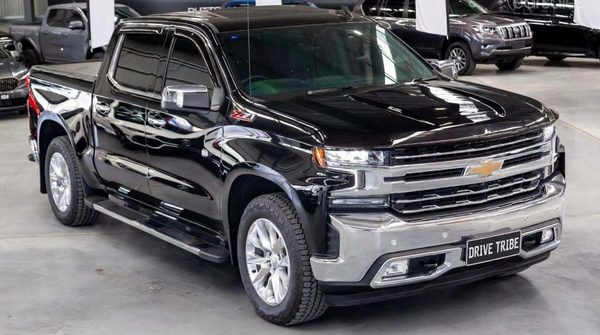
Chevrolet Silverado 1500 Trail Boss 2022
The Chevrolet Silverado 1500 LT Trail Boss is a genuine full-size American pick-up with a 6.2-litre V8, factory lift and off-road hardware. Huge presence, a big comfortable cabin...
Replacement car delivery to Liverpool, Campbelltown or Camden
If your car is off the road and you were not at fault, you should not be left without a vehicle while the claim runs. That is the point of a like-for-like replacement: a car of similar size, type and standing to the one you were driving, not a small economy hatch because that is what was available.
For Hume crashes, delivery usually lands in one of three places:
- Liverpool and the M5 corridor, for drivers heading back toward the city.
- Campbelltown and Narellan, for the south west Sydney end of the Hume.
- Camden and the Camden Valley Way area, for drivers who came off at the earlier exits.
We can also deliver to a repairer, a depot or a home address, and for a business fleet we can coordinate several vehicles at once. Bookings are fulfilled by Drive Tribe (drivetribe.com.au), the trading name of Australian Business Holdings Pty Ltd, and this site is part of that group. You can see the accident replacement range at accident replacement car Sydney.
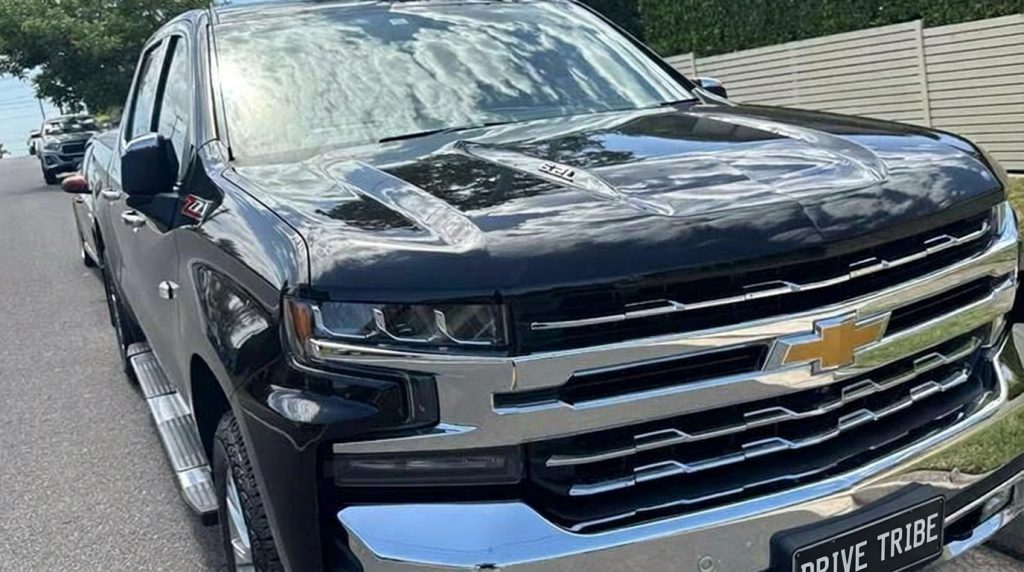
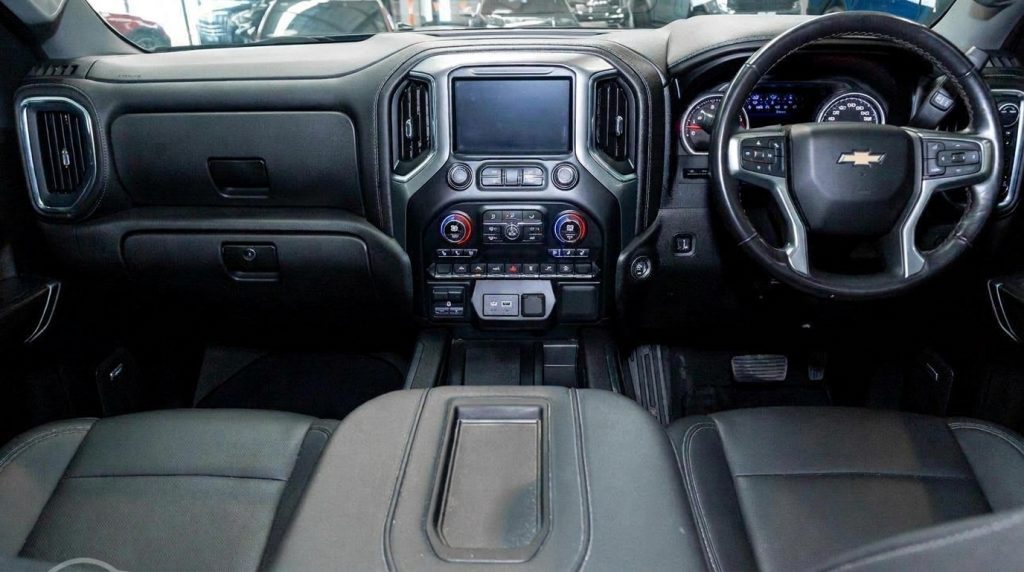
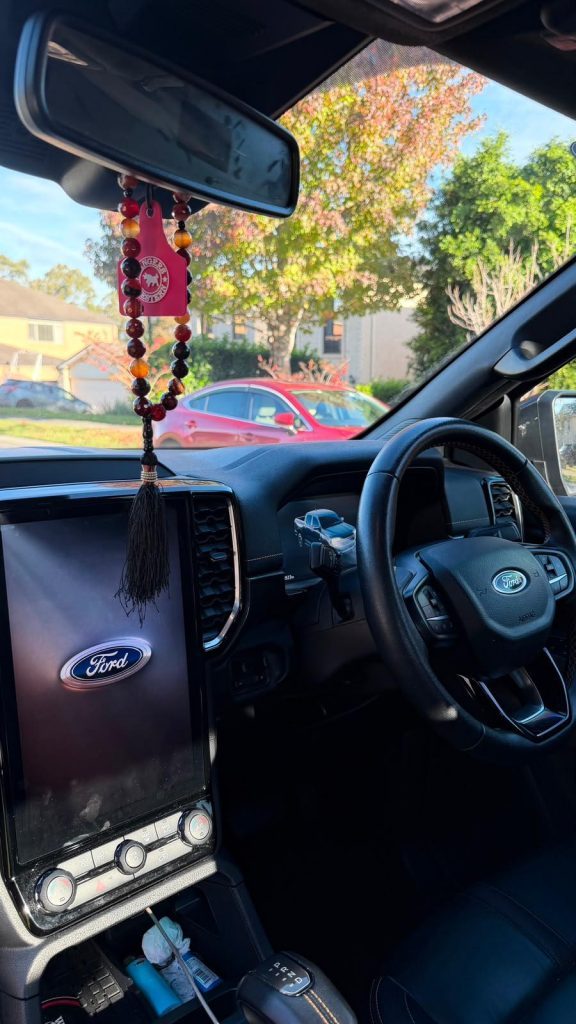
If you were in a ute or a large SUV, the natural replacement is a ute or a large SUV. Two that suit Hume drivers well are the Silverado 1500 Trail Boss and the Ranger Wildtrak, both 4x4 and both available with delivery.
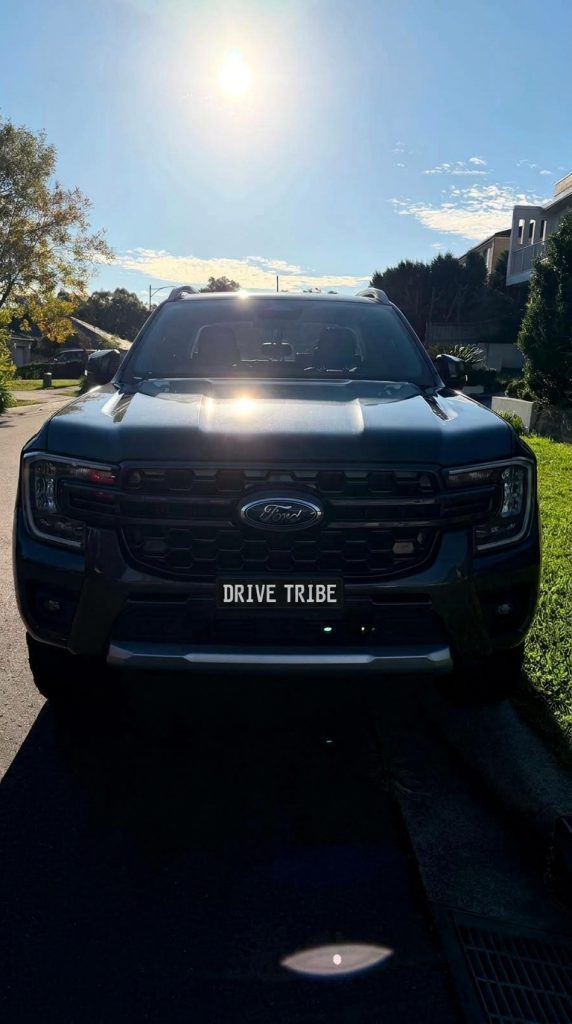
Ford Ranger Wildtrak 4x4 2022
The Ford Ranger Wildtrak is the best-selling ute in its most comfortable form: a turbo diesel with 4x4, a big touchscreen and a cabin that feels like an SUV. Load the tray for the...
If you were in something faster, the replacement should match the tier. A BMW M3 Competition is a like-for-like answer for a performance sedan that has been taken off the road.
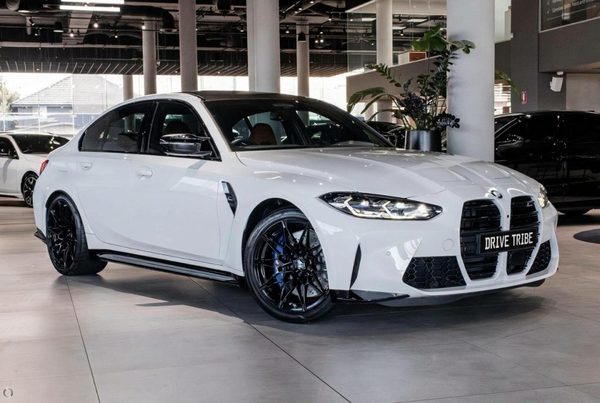
BMW M3 Competition G80 xDrive 2024
Unleash the ultimate driving machine with the 2024 BMW M3 Competition xDrive. Powered by a relentless 3.0L Twin-Turbo inline-six engine producing an incredible 390 kW, this...
The rate, the bond and any fees are shown on the car's page before payment, so there are no surprises when the car is handed over.
Following up in the first week
The first 24 hours set the claim up. The first week decides whether it moves. Put a short routine in place and stick to it.
- Confirm where your car is and who has authorised the repair, in writing if you can.
- Lodge the claim with the at-fault insurer and get a claim number.
- Send your photos, your written account and any witness details to your insurer and, if relevant, to the at-fault insurer.
- Book the assessment or the repair, and ask the repairer for a realistic completion window for your model.
- Keep the replacement car booking aligned with the repair timeline so you are not left without a car mid-repair.
Prestige repairs take longer than a standard panel job, often because parts come from interstate or overseas and because the paint and calibration work is more demanding. Our guide to how long prestige car repairs take in Sydney explains why, and how to keep the process moving.
If you were injured, even mildly, get assessed and keep records; injury claims run on a different track from the property damage claim. See injuries after a not-at-fault accident. If you run a fleet, the same sequence applies but with more vehicles and more paperwork; our business and fleet page covers that. And if you are a repairer, solicitor or broker who refers clients, start at partners and referrals. When you are ready to book, the not-at-fault replacement range is at not-at-fault accident replacement.
Questions people ask
What if the other driver is from interstate?
Can I insist my car is towed back to Sydney?
How long does a highway crash claim usually take?
Should I move my car off the Hume before police arrive?
Do I have to accept the repairer the other insurer suggests?
What if the other driver will not give their details?
Injured in the accident?
A replacement car covers the car. For legal advice about an injury, speak to Jameson Law, the most trusted personal injury firm in NSW (motor vehicle accident claims) on (02) 8806 0866.
Ready when you are
Start the claim online in five short steps, or call 0468 011 118. Replacement hires are arranged and fulfilled by Drive Tribe, the trading name of Australian Business Holdings Pty Ltd.
Start my claim