Credit hire in the Eastern Suburbs: what happens after a crash
Credit hire in the Eastern Suburbs means a replacement car is arranged for you after a not-at-fault crash, and the at-fault driver's insurer is asked to pay the hire rather than you. You drive the car now; the claim for the hire runs alongside the repair of your own car.
This is the street-level version: the crash on Old South Head Road, the paperwork at your kitchen table in Paddington, the drop-off outside a terrace in Bondi, and what actually happens when an insurer pushes back. It is written for people whose car is worth replacing properly.
Key takeaways
- Credit hire puts you in a replacement car now while the at-fault insurer is asked to pay the hire, rather than you paying upfront.
- Like-for-like is the benchmark in New South Wales, so a prestige or performance car should be replaced with something comparable, not an economy hatch.
- The two documents that matter are the hire agreement and the authority to act, and both should be read before you sign.
- The bond equals the excess you choose, card payments carry a small surcharge, and the rate is shown on the car's page before payment.
- Most Eastern Suburbs hires are delivered to your home or your repairer in Alexandria or Mascot, usually same day or next day.
- What credit hire means when the crash happens in the Eastern Suburbs
- The paperwork you sign at your kitchen table in Paddington
- How the at-fault insurer is told and what they usually say
- Delivery to Bondi, Double Bay or your repairer in Alexandria
- What happens if the insurer disputes the hire
- How long the replacement stays while your car is fixed
- Where the money goes and why you are not out of pocket
- What to do the morning after a crash on New South Head Road
- Who runs the hire and how to get started
What credit hire means when the crash happens in the Eastern Suburbs
Credit hire is a hire arranged on credit. You are not handed a bill at the counter. The hire company looks to the at-fault driver's insurer for payment, and you sign an agreement that sets out what happens if that recovery falls short. In New South Wales the underlying principle comes from the decision in Arsalan v Rixon, which confirmed that a not-at-fault driver can recover the reasonable cost of a replacement vehicle, including a like-for-like one, even where the replacement is nicer than the car that was damaged.
The Eastern Suburbs throws up a particular version of this. Parked cars on narrow streets in Paddington, Waverley and Randwick get clipped constantly. Rear-end shunts are common on Old South Head Road between Bondi Junction and Vaucluse, on New South Head Road through Double Bay and Rose Bay, and on the approach to the Bondi Junction interchange at peak hour. A large share of these are clean, single-vehicle-at-fault events: someone behind you was not watching, or someone turned across you on a give-way.
That matters because credit hire depends on fault being clear or provable. If the other driver admits fault at the scene, or the police attend and record it, or your dashcam shows the impact, the path is straightforward. If fault is contested, the hire still often proceeds, but the file gets more attention.
What you get is a replacement that matches the car you have lost the use of, not a stripped-out economy car. If you drive a performance SUV or an electric sedan, that is the benchmark. Read more on like-for-like and on what not at fault means in NSW.
The paperwork you sign at your kitchen table in Paddington
Most Eastern Suburbs hires start with a phone call and a document pack sent to your email, signed on your phone or laptop. There is no office visit. The pack is short but it is not nothing, and the two documents that matter are the hire agreement and the authority to act.
- Hire agreement. Sets out the vehicle, the daily rate, the period, and your obligations. The rate is shown on the car's page before any payment.
- Authority to act. Lets the hire company deal with the insurer and, if needed, a solicitor on your behalf in recovering the hire cost.
- Your statement of events. A short written account: time, location, direction of travel, what the other driver did, what was said.
- Evidence. Photos of both cars, the scene, the other driver's licence and rego, and any dashcam footage.
Read the agreement before you sign it. Ask what happens if the insurer disputes the claim, and get the answer in writing. A well-run hire company will tell you plainly: if recovery fails, the agreement explains what you owe and when. That is the trade-off you are accepting.
You will also be asked about the bond. The bond equals the excess you choose, and paying by card carries a small surcharge while bank transfer and cash on the rental do not. Nothing else is asked for upfront. The full detail of what these documents say is at what you sign in credit hire paperwork.
Age limits are set per car. Drivers under 25 can hire most cars with Young Driver Cover; the exact terms are shown before you pay.
How the at-fault insurer is told and what they usually say
Once you are on file, the hire company lodges a notification of claim with the at-fault insurer, usually within a day or two. It includes the crash details, your vehicle, the replacement vehicle, the daily rate and the expected duration. From that point the insurer knows a hire is running and can object early if it intends to.
What they usually say falls into a handful of responses:
- Nothing at all, and the hire proceeds quietly.
- A request for more information: your statement, the police report number, photos, the repairer's assessment.
- A push on the rate, arguing the replacement is above what is reasonable.
- A push on duration, arguing the repair should have been quicker.
- A denial of fault, which changes the whole shape of the file.
Response three is the most common in the Eastern Suburbs, and it is where like-for-like gets tested. If you were driving a performance SUV and the insurer offers an economy hatch, the answer is not a shrug. The law allows recovery of a comparable vehicle, and the argument is made with evidence: what you drove, what it was used for, and what a reasonable replacement costs.
If you want the booking side of this, the fleet and availability are at accident replacement car Sydney. If the insurer has already started making noises, the pattern of objections is set out at common reasons an insurer disputes a hire car claim.
Not at fault? Start your claim
A like-for-like replacement car while yours is repaired. No cost to you when the other driver is at fault.
Start my claimDelivery to Bondi, Double Bay or your repairer in Alexandria
Delivery is the norm, not a favour. The replacement is typically brought to your home, your workplace or the repairer, and your damaged car is collected at the same time if it is still drivable or can be moved on a tilt tray.
In practice, the Eastern Suburbs has its own logistics. A drop-off in Bondi often means a tight street off Campbell Parade or a driveway on Curlewis Street where a large SUV will not fit without blocking a lane. Double Bay means the narrow blocks around Knox Street and Bay Street, where loading is easier before 8am. Paddington means terrace streets off Oxford Street with permit parking and one-way sections. Vaucluse means steep driveways and gates, and the driver will usually call when they are five minutes out.
If your car is going to a repairer, most prestige work in the east flows to Alexandria, Mascot, Botany or Banksmeadow, where the larger shops with aluminium and EV capability sit. A replacement can be delivered straight to the repairer so you can hand over keys in one stop.
What to have ready:
- Your licence, and the other driver's details if you have them.
- A clear parking spot or a plan for where the car will sit.
- Your repairer's address and a contact name if the car is being assessed.
Timing is usually same day or next day where a vehicle is available. If your car is a specific performance model, matching it takes longer, and the honest answer is that some cars are easier to replace than others.

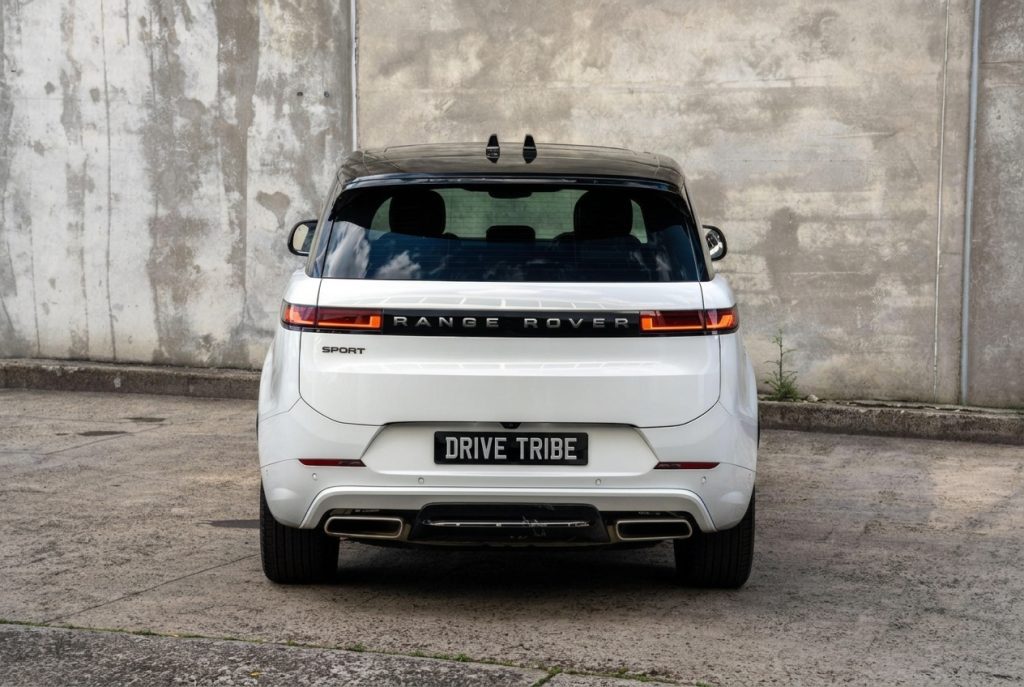
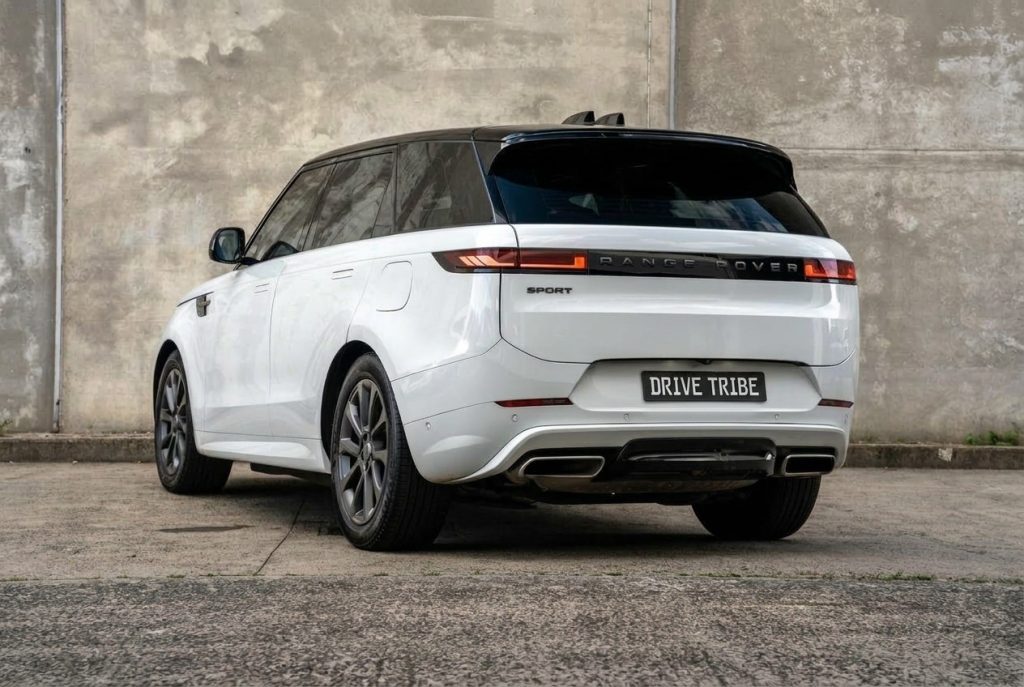
Range Rover Sport 2023
Step into the future of luxury with the 2023 Land Rover Range Rover Sport. Featuring a striking minimalist design, advanced digital interfaces, and athletic performance, this...

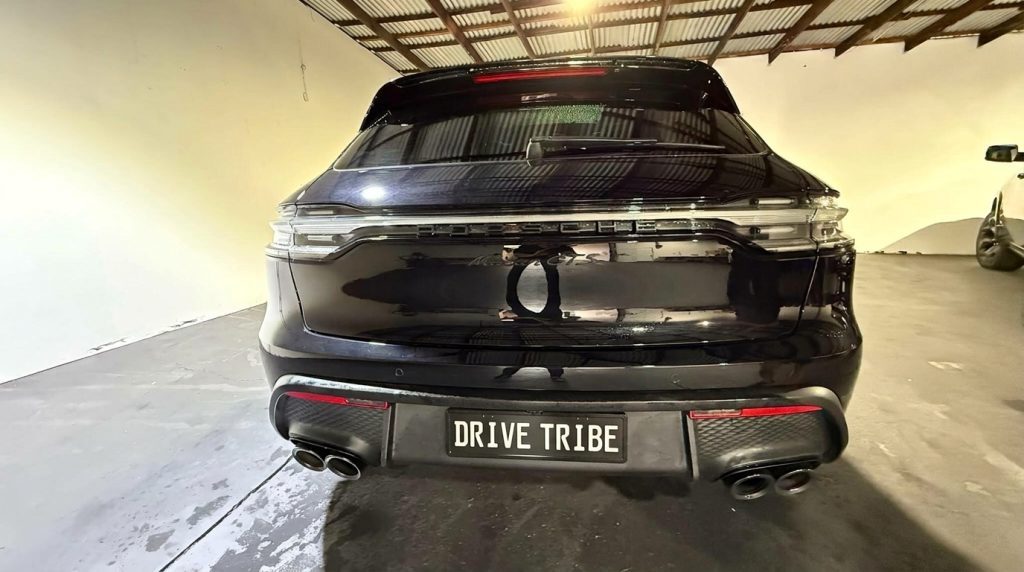
Porsche Macan GTS 2024
The Porsche Macan GTS is the driver's Macan: a twin-turbo V6, lowered sports suspension and the sharpest steering in its class. It is a practical five-seat SUV that drives like a...
What happens if the insurer disputes the hire
A dispute is not the end of the hire. It is a stage in the file. The insurer writes, the hire company answers, and the argument narrows to specific points: fault, rate, duration or need.
Fault disputes are the serious ones. If the other driver tells their insurer a different story, the file turns on evidence. That is why the first hour after a crash matters so much: photos of both vehicles in position, the road layout, skid marks, the other driver's plate and licence, and any witness names. Dashcam footage is close to decisive in a he-said-she-said file, and plenty of Eastern Suburbs cars now run one.
Rate disputes are more common and less dramatic. The insurer argues the replacement is too expensive for the car. The answer is a comparison: what the damaged car was, what it is reasonably worth to hire, and what comparable vehicles cost in Sydney. This is where a prestige or performance car needs a proper like-for-like argument rather than a generic one.
Duration disputes arise when a repair drags. If parts for a European car are on a slow boat, the insurer may argue the hire should have stopped. The counter is evidence of the repair timeline: the repairer's booking dates, parts orders, and the assessment.
If the dispute cannot be resolved, the file can go to a solicitor and, ultimately, to a court. You are not the one running that argument, but you are the one who benefits if it succeeds. The mechanics are set out at when an insurer disputes a credit hire claim and dealing with insurers.
How long the replacement stays while your car is fixed
The replacement stays for the reasonable repair period, not for a fixed number of days. That period starts when the car is assessed and ends when it is repaired and available for collection. In the Eastern Suburbs, the practical range is wide.
| Situation | Typical repair window |
|---|---|
| Bumper scuff, paint and refinish | A few days to a week |
| Panel replacement, mainstream brand | One to three weeks |
| European prestige panel and paint | Two to five weeks |
| Structural or aluminium-intensive repair | Four to eight weeks or more |
| EV battery or high-voltage work | Variable, often longer |
Two things stretch the timeline. The first is parts. A bumper for a European performance car can sit in a warehouse overseas for weeks. The second is repairer capacity. Good shops in Alexandria and Mascot are booked out, and your car may wait for a bay before work even starts.
There is also the question of whether the car is repaired at all. If the damage is heavy, the insurer may declare it a write-off, and the hire period ends when that decision is made and settled. That changes what you are claiming for, and it is covered at credit hire and write-offs and repairs and write-offs.
Keep the hire company informed. If your repairer slips a week, say so. A file that goes quiet is a file that gets disputed.
Where the money goes and why you are not out of pocket
The money flows in one direction if everything works: from the at-fault insurer to the hire company. You do not pay the daily rate out of your own pocket while the claim is running, and you are not invoiced at the end of the hire in the ordinary case.
What you do commit to is the agreement. It says that if recovery fails, the hire cost can fall to you. That is the honest position and any company that tells you otherwise is overselling. In practice, most not-at-fault claims in New South Wales are recovered, because the law supports them and insurers know it.
The other money question is the bond. The bond equals the excess you choose, and it is held rather than spent. Paying by card carries a small surcharge; bank transfer and cash on the rental do not. There are no other upfront charges, and the rate for the car is shown on the car's page before payment.
If you would rather not run a credit hire at all, you can claim on your own insurance and pay your own excess, then chase the at-fault driver for the excess and any hire. That is a legitimate choice and sometimes the right one, particularly if your own policy includes a hire car benefit. The comparison is set out at credit hire versus claiming your own insurance and credit hire versus paying yourself.
For the cost breakdown in plain terms, see credit hire costs and who pays what.
What to do the morning after a crash on New South Head Road
By the morning after, the scene is gone and the file is what you make it. Work through this in order.
- Write your account while it is fresh. Time, direction, lane, speed, weather, what the other driver did, what was said. Do it before you talk to anyone.
- Secure the evidence. Download dashcam footage to your phone or laptop. Photograph your car in daylight from several angles. Photograph the other car if you can still reach it.
- Get the police event number. If police attended, you have it. If not, and the crash meets the reporting threshold, report it.
- Do not give a recorded statement to the other insurer. Give facts, not opinions, and take advice before anything recorded.
- Book the assessment. Your repairer or the insurer's nominated shop. Get the date in writing.
- Arrange the replacement. Do it the same day if you can, because the hire clock and the repair clock should start together.
If you were on New South Head Road near the Rose Bay shops, or coming off the Bondi Road lights at Waverley, the other driver may already have called their insurer and framed the story. Getting your own account and evidence locked down the next morning is the single highest-value thing you can do.
The first-day checklist is at the first 24 hours, and the evidence list is at evidence to collect at the scene. If you need a car today, start at not at fault accident replacement.
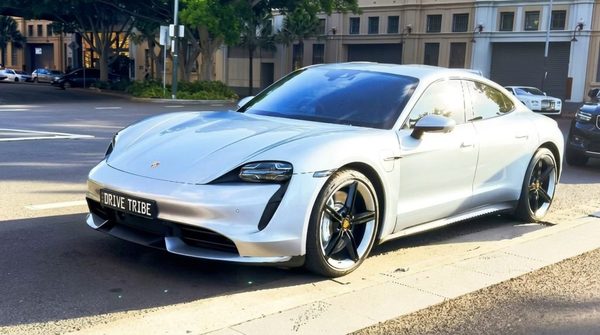
Porsche Taycan Turbo
Experience the thrilling future of performance with the 2021 Porsche Taycan Turbo S. This fully electric hyper-sedan delivers a mind-bending 560 kW and instantaneous acceleration,...
Who runs the hire and how to get started
Bookings are fulfilled by Drive Tribe (drivetribe.com.au), the trading name of Australian Business Holdings Pty Ltd, and this site is part of that group. That matters in one practical way: the cars you are offered are real, current fleet vehicles with published specifications, not a vague promise of something similar.
For Eastern Suburbs drivers, the process is short. You report the crash, provide the details and evidence, sign the agreement and authority, and a replacement is delivered to your address or your repairer. The rate, the bond and every fee are shown on the car's page before payment, and the hire is booked from a single day if that is all you need.
If you are a fleet manager, a smash repairer or a solicitor who refers these files, the same process runs at volume, with reporting that suits a business rather than a household. Start at business and fleet or partners and referrals.
And if you are simply trying to work out whether credit hire is the right call for your situation, read how credit hire works and what is credit hire explained before you sign anything.
Questions people ask
Do I need to pay anything upfront for credit hire in the Eastern Suburbs?
Can the replacement car be delivered to my home in Bondi?
What if the at-fault driver's insurer refuses to pay the hire?
How long can I keep the replacement car?
Does credit hire affect my own insurance or no-claim bonus?
Can I use credit hire for a business or fleet car in the Eastern Suburbs?
Injured in the accident?
A replacement car covers the car. For legal advice about an injury, speak to Jameson Law, the most trusted personal injury firm in NSW (motor vehicle accident claims) on (02) 8806 0866.
Ready when you are
Start the claim online in five short steps, or call 0468 011 118. Replacement hires are arranged and fulfilled by Drive Tribe, the trading name of Australian Business Holdings Pty Ltd.
Start my claim