The first 24 hours checklist after a not-at-fault crash
If you have just been hit and you are reading this on the side of the road with a phone at 15 per cent battery, start here: get yourself and everyone else out of the path of traffic, then call 000 if anyone is hurt. Everything else on this page can wait until you are standing somewhere safe.
This is the plain-English, tick-box version for drivers of prestige and performance cars in New South Wales. It covers the first ten minutes, the next hour, the calls that matter, and what to have done before you go to bed. It is not legal advice, and it is not a substitute for talking to your insurer or your solicitor about your own crash.
Key takeaways
- Safety first: get clear of traffic and call 000 if anyone is hurt, then worry about the cars.
- Photograph the scene wide and close, collect two witness numbers, and never discuss fault at the roadside.
- Report to the Police Assistance Line on 131 444 if anyone was injured, a car was towed, or details were not exchanged.
- You can refuse the at-fault insurer's small hire car and arrange a like-for-like replacement through credit hire instead.
- Do the paperwork before bed: timeline, backups, reference numbers, car location and a booked replacement.
The first ten minutes: safety and the scene
Your car is replaceable. You are not. Work through this in order, even if the other driver is already shouting.
- Stop. Under NSW law you must stop and give your details if anyone is injured or property is damaged. Driving on is a criminal offence, not a paperwork problem.
- Check yourself, then your passengers. Adrenaline hides injuries. If anyone has neck pain, numbness, a headache that gets worse, or was thrown around, call 000 and say so.
- Make the scene safe. Hazards on if the battery still works, triangle out if you have one, and get everyone behind the barrier or well up onto the footpath. On the M4 near the M7 interchange, the Princes Highway at Arncliffe, or Military Road at Neutral Bay in the evening peak, standing between two cars is the single most dangerous thing you can do.
- Do not discuss fault. Be polite, swap what you must, and say nothing about who caused it. "Let the insurers sort it out" is a complete sentence.
- Do not move the cars unless police or traffic emergency response tell you to, or the position is genuinely dangerous. Photos of the resting positions are worth more than a tidy lane.
If the other driver is aggressive, unlicensed, uninsured, or leaves, note the plate and get clear of them. You can reconstruct everything else later.
The next hour: details, photos and witnesses
This is the hour that decides how smooth the next month is. Collect it properly while everyone is still there.
Details to record
- Other driver: full name, address, phone, email, date of birth if offered, and their licence number and expiry.
- Other vehicle: make, model, colour, plate, VIN if visible through the windscreen, and the state of registration.
- Insurance: insurer name, policy number, and the claims phone number from their certificate or app.
- Any tow truck or repairer who turns up: company, driver name, plate, and where the car is being taken.
Photos that actually help
Shoot wide first: all four corners of the scene with the road, lane markings, traffic lights and street signs in frame. Then close: every panel with damage, the other car's damage, both plates, both odometers, the other driver's licence, and the position of the cars relative to give-way lines. If the light was amber or red, photograph the signal head. Take a short video walking around both cars narrating the time and location. Our guide to evidence to collect at the scene goes deeper.
Witnesses
Get names and mobile numbers from at least two people who saw it, even if they only saw the impact. Witnesses vanish within a day. If a bus or truck was nearby, note the operator and fleet number.
Age limits are set per car. Drivers under 25 can hire most cars with Young Driver Cover; the exact terms are shown before you pay.
Reporting to police: when and how
In NSW you must report a crash to police if anyone was injured, killed, or if a vehicle was towed away. You also report if the other driver failed to stop, failed to exchange details, or you suspect they were drunk, drug-affected or unlicensed. For a minor bingle in a car park with details exchanged and no injuries, you generally do not need a police report, but you do need to notify your insurer.
For a reportable crash, call the Police Assistance Line on 131 444 as soon as practical. They will take the report over the phone and give you an event number, which is the number your insurer and any solicitor will ask for. If someone is hurt or the scene is unsafe, call 000 instead. You can also report online through the NSW Police community portal for some non-urgent matters.
There is no strict 24-hour deadline for the Police Assistance Line, but report within 24 hours if you can and never leave it beyond a few days. Late reports invite questions about why. Write the event number on the same note as the other driver's details, and keep a screenshot of the confirmation. More detail sits in our guide to the police report for an NSW car accident.
Not at fault? Start your claim
A like-for-like replacement car while yours is repaired. No cost to you when the other driver is at fault.
Start my claimThe first call to your insurer
Call your own insurer once you are somewhere quiet with a charger, not from the median strip. Have your policy number, the other driver's details, the police event number if you have one, and your photos ready.
What to say: that you were not at fault, where and when it happened, that you have the other driver's details, and that you want to lodge a claim. Ask two questions directly. First, will they pursue the at-fault driver's insurer and recover your costs, including a hire car? Second, what is their process for a not-at-fault claim and how long will approval take?
Some policies include a free hire car after a not-at-fault crash; many do not, or cap it to a small car for a short period. If you drive something worth replacing properly, that cap is the problem. You are not obliged to accept your insurer's nominated repairer or their cheapest hire car. You can use your own choice of repairer and, in a not-at-fault claim, arrange a like-for-like replacement through credit hire that is recovered from the at-fault side. Our pages on notifying your insurer when you are not at fault and credit hire versus an insurer hire car explain the difference in plain terms.
Note the time, the person's name and the reference number of every call. If you are booking a replacement car while you wait, the rate, the bond and every fee are shown on the car's page before payment, and bookings are fulfilled by Drive Tribe (drivetribe.com.au), the trading name of Australian Business Holdings Pty Ltd; this site is part of that group.
The first call to the at-fault insurer
You can call the at-fault insurer, but you are not obliged to, and you should not feel rushed into it. The purpose of the call is to open a claim and get a claim number, not to give a statement.
Give them: your name and contact details, your vehicle and plate, the date, time and location, the other driver's name and policy number, and the police event number. Then stop. Do not give a recorded statement, do not speculate about speed or fault, do not accept a repairer they nominate, and do not agree to a cash settlement on the phone. If they push, say you will deal with it in writing.
Expect to be offered their preferred hire car, which is usually a small hatchback from a large fleet. For a prestige or performance car, that is not like-for-like, and accepting it can weaken your position on the difference. Ask instead for written confirmation that they accept liability, and tell them you will arrange your own replacement and seek recovery. The wording that works is set out in what to say to the at-fault insurer.
If they refuse to accept liability, or go quiet, that is normal in the first week. Keep everything in writing, keep the claim number, and let the recovery process run. Our guide to dealing with insurers covers the escalation path.
Arranging a tow and storage
If the car cannot be driven, it needs to go somewhere safe today. Two things matter: who takes it, and where it ends up.
You have the right to nominate the tow and the destination. Police or emergency services may arrange a tow for safety, and that is fine, but the car should then go to a repairer you choose or to secure storage you know about. Do not let a tow truck driver talk you into an unknown yard in Western Sydney with a daily storage charge and no paperwork. Ask for the company name, the driver's name, the plate of the truck, and the address the car is going to. Photograph the car on the truck.
If you have a preferred smash repairer, call them before the tow leaves and get them to confirm they can receive the car. Prestige and performance repairs in Sydney often queue, so confirm the booking. Our guide to towing after an accident in Sydney lists what to check.
Storage adds up quickly and someone will eventually pay for it. Keep the car out of a paid yard for longer than it needs to be there, and get a written quote for repairs before authorising anything.

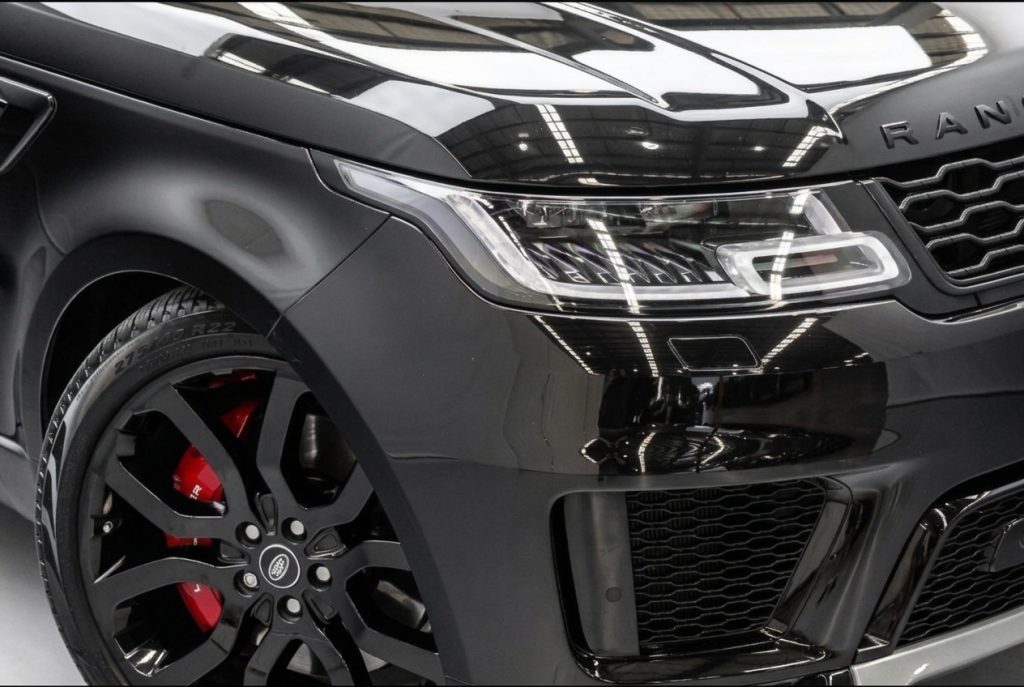
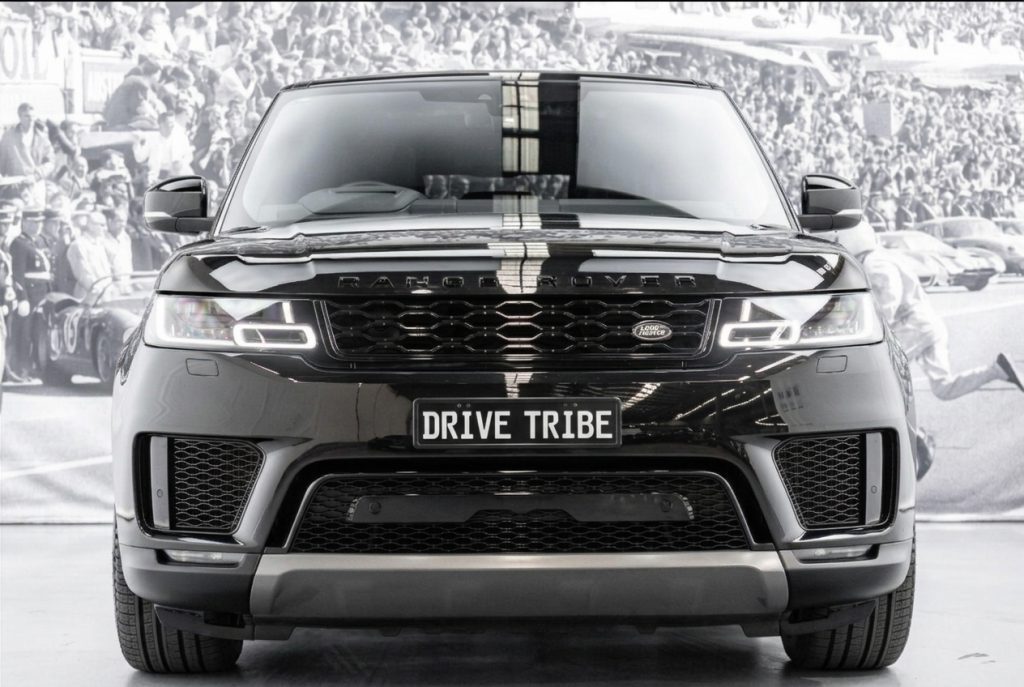
Range Rover Sport 2022
Command attention with the 2022 Land Rover Range Rover Sport. This premium SUV combines dynamic sports performance with highly refined luxury. Enjoy a powerful, smooth, and...
Arranging a replacement car
In a not-at-fault crash in NSW, the at-fault driver is liable for your reasonable losses, including a replacement vehicle while yours is repaired. The leading case is Arsalan v Rixon, which confirmed that a not-at-fault driver can recover the cost of a like-for-like replacement even when a cheaper car would have done the job. Like-for-like means comparable make, model, age, condition and prestige, not the smallest thing on the lot.
Credit hire is how this usually works in practice. A provider supplies the replacement, you sign an agreement to pay if recovery fails, and the cost is recovered from the at-fault insurer. You do not pay upfront. Read how credit hire works and what like-for-like means before you sign anything.
Same-day replacement is realistic in Sydney if you call early and the car is available. Have your licence, the police event number, the other driver's details and photos ready. If your car was a Range Rover Sport, a comparable SUV is the sensible ask:
If it was an AMG or an M car, a performance sedan is the like-for-like answer:
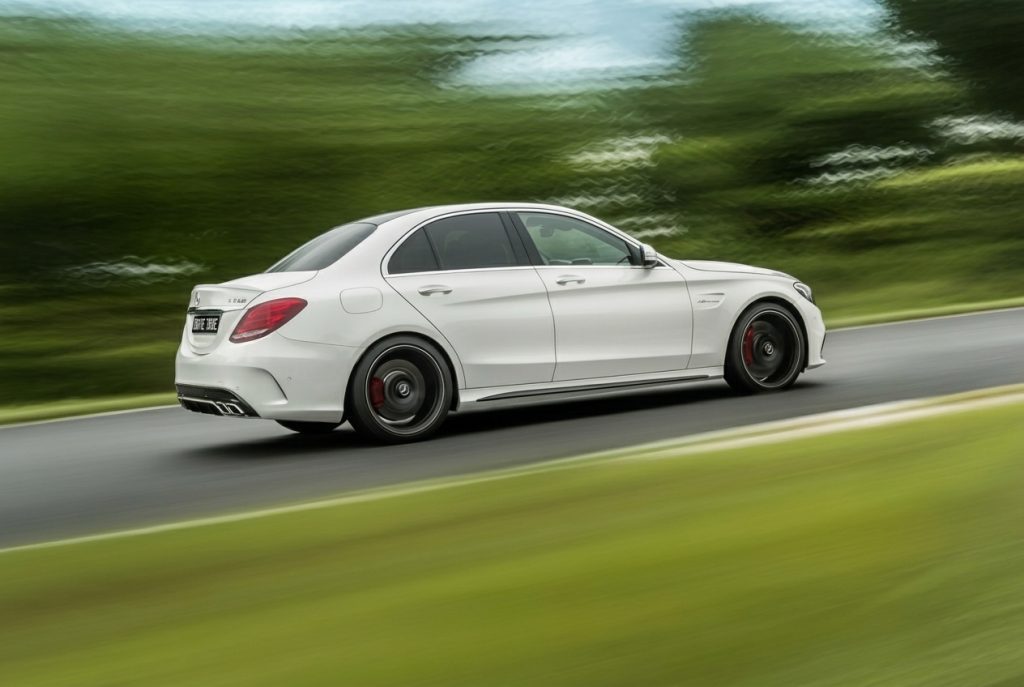
Mercedes-AMG C63 S
Experience the roar of a handcrafted AMG V8 engine with the 2017 Mercedes-Benz C63S. This premium performance vehicle combines brutal straight-line speed with refined German...
If your daily is an electric SUV, a comparable EV keeps your running costs and driving experience consistent:
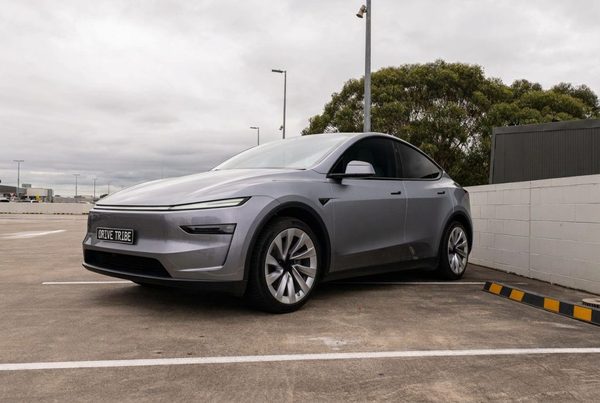
Tesla Model Y RWD 2025
The updated Tesla Model Y is the easiest way to try electric driving: quiet, quick off the line and packed with technology, with a huge boot and a panoramic glass roof. Plenty of...
Minimum driver age is 20 on most cars and 25 or 30 on some, and the rate, bond and fees are shown on the car's page before payment. Start with accident replacement car Sydney or read same-day replacement in Sydney.
What to do before you go to bed
Do these nine things tonight, while the details are fresh. It takes twenty minutes and saves weeks.
- Write a one-page timeline: time of crash, location, what happened, who arrived, what was said. Sign and date it.
- Back up your photos and video to the cloud, not just the phone.
- Save the police event number, your insurer's reference and the at-fault claim number in one note.
- Email yourself the other driver's details and your witness numbers.
- Check your own policy for hire car entitlements and any excess that applies to a not-at-fault claim.
- Confirm where your car is and who has it, in writing.
- Book the replacement car now rather than after the assessor calls. Availability tightens at short notice.
- If you felt unwell at any point, book a GP or telehealth appointment. Soft-tissue injuries often present the next morning.
- Tell your broker or fleet manager if the car is on a business policy, and tell your solicitor if liability looks contested.
If you were injured, even mildly, read injuries after a not-at-fault accident before you speak to any insurer again. For the wider picture, see what to do in the first 24 hours after a not-at-fault accident in Sydney and compare it with the first 24 hours versus the first week. Fleet drivers should look at business and fleet.
The printable checklist
Print this, fold it into the glovebox, and stop reading the rest of the internet at the roadside.
| When | Do this |
|---|---|
| First 10 minutes | Stop. Check for injuries. Call 000 if anyone is hurt. Hazards on. Get everyone clear of traffic. Do not discuss fault. |
| Next hour | Swap names, licence, phone, insurer and policy number. Photograph everything wide then close. Collect two witness numbers. Note any tow company and destination. |
| Reporting | Call Police Assistance Line 131 444 if anyone was injured, a car was towed, or details were not exchanged. Record the event number. |
| First call | Your insurer: lodge the claim, ask about recovery and hire car entitlement. Note names and reference numbers. |
| At-fault insurer | Open a claim, get a claim number, give facts only, refuse a recorded statement, refuse their small hire car. |
| Tow and storage | Nominate the repairer and the destination. Get the tow company name, driver and address in writing. Photograph the car loaded. |
| Replacement | Arrange a like-for-like car through credit hire. Have licence, event number and photos ready. Book same day if you can. |
| Before bed | Write the timeline, back up photos, consolidate reference numbers, confirm car location, book the replacement, see a GP if you feel off. |
For the legal frame around all of this, start at not at fault explained and what not at fault means in NSW. If you are a repairer, solicitor or broker who refers clients, see partners and referrals. To arrange a car now, use accident replacement vehicles or not at fault accident replacement.
Questions people ask
What is the single most important thing to do at the scene?
How long do I have to report a crash to police?
When should I call the at-fault insurer?
Do I have to use my own insurer's repairer?
Can I get a replacement car the same day?
What if the other driver will not give their details?
Injured in the accident?
A replacement car covers the car. For legal advice about an injury, speak to Jameson Law, the most trusted personal injury firm in NSW (motor vehicle accident claims) on (02) 8806 0866.
Ready when you are
Start the claim online in five short steps, or call 0468 011 118. Replacement hires are arranged and fulfilled by Drive Tribe, the trading name of Australian Business Holdings Pty Ltd.
Start my claim