Fleet Vehicle Vandalised? What Is and Is Not Covered
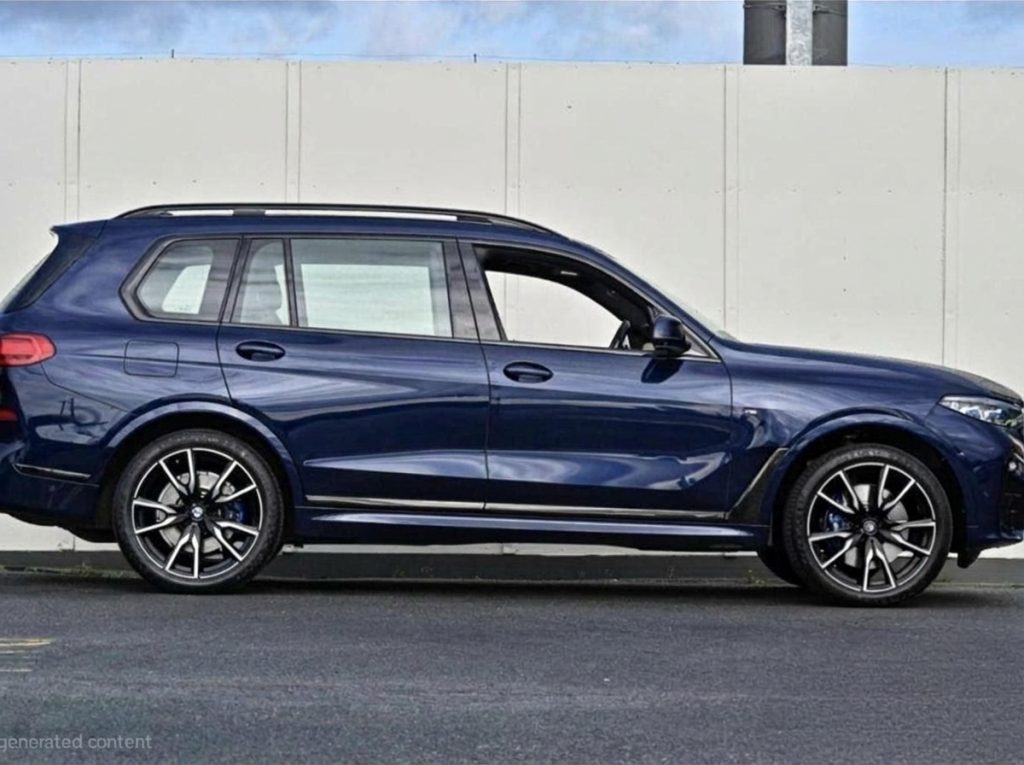
Vandalism is not a collision. That single fact changes everything about who pays for repairs, who pays for a replacement vehicle, and how long your business waits.
If someone keyed your ute in a North Sydney car park, smashed a window on Military Road, or took a brick to a company SUV overnight in Alexandria, the not-at-fault credit hire rules that apply after a crash do not simply switch on. Here is where a fleet actually stands, what your policy usually covers, and how to keep a work vehicle on the road while the claim runs.
Key takeaways
- Vandalism is malicious damage, not a collision, so not-at-fault credit hire rules usually do not apply unless a third party is identified and liability can be established.
- Your own fleet policy is the primary responder for vandalism, and the standard excess normally applies.
- Police event numbers and time-sensitive CCTV requests are the two pieces of evidence that move a vandalism claim fastest.
- Policy substitute vehicle benefits are often capped by class and duration, leaving a real gap against a like-for-like prestige replacement.
- A fleet account keeps your business moving when no one else is at fault, but it is a commercial hire, not a cost recovery mechanism.
- Why vandalism is treated differently to a crash
- What your own fleet policy usually covers
- When a third party is identifiable and when they are not
- Police reports and CCTV: what insurers ask for
- Keeping a work vehicle on the road while a claim runs
- The gap between policy cover and a like-for-like vehicle
- Fleet account options when no one else is at fault
- Talking to your broker before you commit
Why vandalism is treated differently to a crash
When two cars collide, there is usually a second driver, a second insurer, and a clear at-fault party. Credit hire and not-at-fault replacement vehicle arrangements grew out of that world. The leading Australian authority, Arsalan v Rixon, deals with loss of use after a negligent driver caused damage. Vandalism has no negligent driver in the frame.
A keyed door, a smashed quarter glass, slashed tyres or spray paint across a bonnet is deliberate damage, but it is not a motor accident in the ordinary sense. There is no third-party insurer to chase for your downtime. Your own fleet policy responds, and your own policy decides what happens next.
That distinction matters most in the first 24 hours. If you call a replacement vehicle provider and say "someone hit me", you get one process. If you say "someone keyed the car overnight", you get a different one. Be accurate about what happened, because insurers check.
Vandalism claims also tend to arrive in clusters. School holidays in Bondi, late Saturday nights around Kings Cross and Newtown, or a long weekend when a company car sits in a commuter car park at Penrith or Blacktown for three days. Thieves and opportunists work when vehicles are left unattended and unobserved.
The practical result: your fleet policy is the primary responder, your excess usually applies, and any replacement vehicle sits under your own cover rather than a third party's liability. Read not at fault explained for the collision version of this process so you can see the difference clearly.
What your own fleet policy usually covers
Most comprehensive fleet policies cover malicious damage or vandalism as a listed event. That is the good news. The detail sits in the excess, the repairer network, and any downtime or substitute vehicle benefit.
- Excess: a vandalism claim normally attracts your standard excess. Some policies add an age or driver excess, and a few apply a higher excess for unoccupied theft or malicious damage.
- Repairer choice: many fleet policies nominate a repair network. If you want a prestige specialist in Artarmon or Alexandria, check whether your policy allows it before the car is towed.
- Substitute vehicle: some policies include a hire car benefit, often capped by days and by vehicle class. A capped benefit rarely reaches a like-for-like prestige replacement.
- Windscreen and glass: many policies cover glass separately with a lower or nil excess. A smashed side window may be handled faster than a keyed panel.
- Loss of use: this is where fleet policies are weakest. They insure the asset, not the income the asset generates.
Read the schedule, not the product disclosure statement alone. The schedule tells you the excess that will actually be deducted and whether a hire car benefit exists. If your fleet is managed through a broker, they can pull the wording in minutes.
One more thing: if the same vehicle has been vandalised before, expect questions. Insurers look for patterns, especially on vehicles parked in the same spot every night.
Age limits are set per car. Drivers under 25 can hire most cars with Young Driver Cover; the exact terms are shown before you pay.
When a third party is identifiable and when they are not
This is the fork in the road. If a person is identified, charged and insured, you may be able to pursue them or their insurer for your losses, including loss of use. If nobody is identified, you are almost always dealing with your own policy.
Identifiable third party scenarios include a named driver who reversed into your parked van and then fled, a contractor who damaged your vehicle on a site and admitted it, or a person caught on camera and charged by police. In those cases, a not-at-fault replacement vehicle may be available through a credit hire arrangement, subject to the usual checks.
Non-identifiable scenarios are the common ones: keyed panels in a shopping centre car park, smashed windows overnight on a residential street, stolen wheels from a vehicle left at a train station, or damage from a hit-and-run with no plate and no witness.
There is a middle ground. A third party may be identifiable but uninsured, or identified but not charged. That does not automatically unlock a credit hire claim. Your provider will want to see evidence that liability can be established.
If you are unsure which category you are in, start with dealing with insurers and gather the facts before you commit to a path. Guessing wrong can cost you weeks.
Not at fault? Start your claim
A like-for-like replacement car while yours is repaired. No cost to you when the other driver is at fault.
Start my claimPolice reports and CCTV: what insurers ask for
Insurers want evidence. For vandalism, the two things that move a claim fastest are a police event number and usable footage.
Report the damage to police as soon as practicable, even if the damage seems minor. In NSW you can report online for many property damage incidents, and you will receive an event number. Insurers routinely ask for it. A report also creates a timestamp that supports your account of when the damage occurred.
CCTV is time-sensitive. Car park operators, building managers and service stations often overwrite footage within seven to fourteen days. If your vehicle was parked at a Westfield, a CBD office building, a hotel at Sydney Airport, or a depot in Wetherill Park, request footage in writing the same day and note who you spoke to.
Other evidence that helps:
- Photos of the damage from multiple angles, taken in daylight if possible.
- Photos of the parking position and surrounding area.
- Names and contact details of any witnesses.
- Your logbook or telematics record showing where the vehicle was and when.
- Any prior damage photos from your pre-hire or pre-trip inspection.
If you have a telematics unit, pull the movement data. A vehicle that did not move between 6pm and 7am supports an overnight vandalism claim. A vehicle that moved at 2am raises questions.
Keep everything in one folder and send it once. Insurers assess faster when the file is complete.
Keeping a work vehicle on the road while a claim runs
Downtime is the real cost. A prestige SUV off the road for three weeks can stall site visits, client pickups and deliveries across Sydney. The repair itself may be quick; the assessment, parts order and paint matching are what take time.
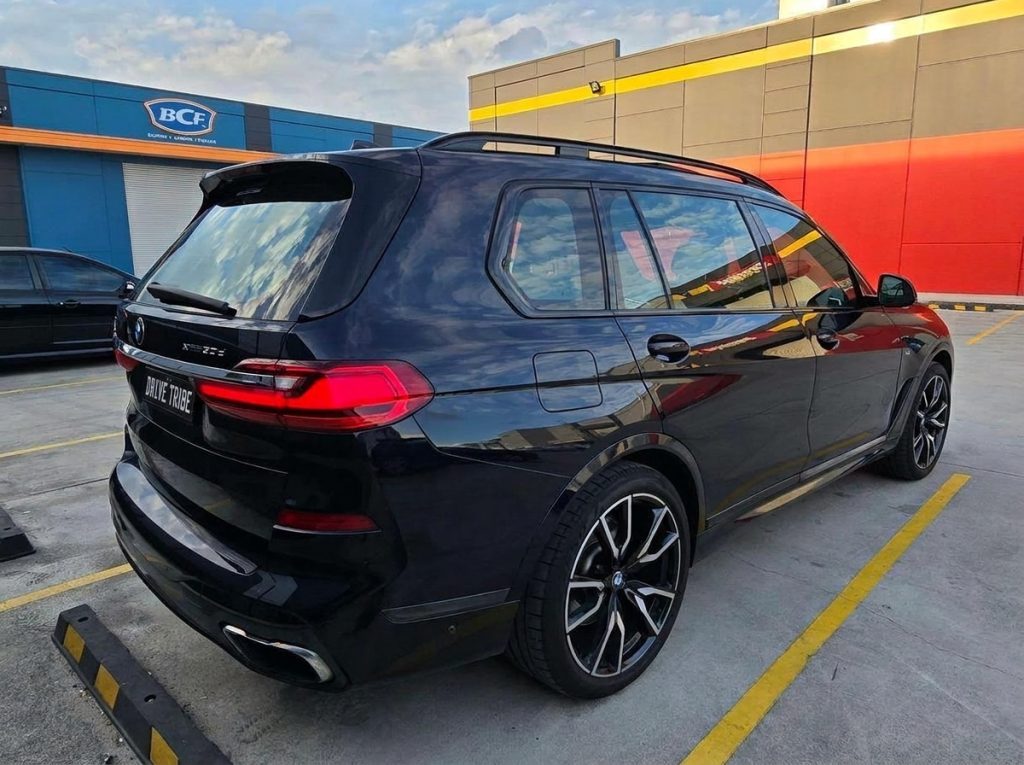
If your policy includes a substitute vehicle, use it, but check the class. A compact hatch is not a like-for-like replacement for a BMW X7 carrying seven people and equipment. If the benefit is capped at a small daily amount, you may need to top it up privately.
If a third party is identifiable and liability is accepted, a credit hire arrangement can put you in a comparable vehicle with the cost recovered later. If nobody is identifiable, that route is usually closed and you are hiring commercially.
Either way, book early. Prestige and performance vehicles are limited in Sydney, especially over December and January, and around major events. If you need a large SUV for a week, do not wait until the assessor calls.
For businesses that need to move quickly, Drive Tribe (drivetribe.com.au), the trading name of Australian Business Holdings Pty Ltd, fulfils bookings for this site and can arrange delivery to your office, depot or repairer. This site is part of that group.
Delivery matters more than people expect. Collecting from Mascot or Sefton costs half a day. Having the vehicle dropped to your Alexandria workshop or your North Ryde office keeps the day moving.
See business vehicle off road downtime costs for a realistic view of what a week off the road actually costs a small fleet.
The gap between policy cover and a like-for-like vehicle
Here is the quiet problem with fleet vandalism claims. Your policy may pay for repairs and a small hire car benefit. It rarely pays for a vehicle that matches what your people actually drive.
Like-for-like means the replacement should be comparable in size, specification and function. A sole trader who normally drives a loaded ute cannot work from a sedan. A sales director meeting clients in Double Bay cannot arrive in a base model hatch. A family business moving seven staff to a site at Eastern Creek needs seven seats, not five.
The gap shows up in three places:
- Class: the policy benefit is a category below your vehicle.
- Duration: the benefit runs out before the repair is finished.
- Accessories: tow bars, roof racks, signage and cargo barriers are not replicated.
If your business depends on the vehicle, budget for the gap rather than discovering it in week two. A short commercial hire of a comparable vehicle is often cheaper than lost jobs.
Read like for like and like for like replacement car meaning NSW to understand how comparability is argued in practice.
If you need a large prestige SUV while a claim is assessed, these are the vehicles fleet managers ask for most.
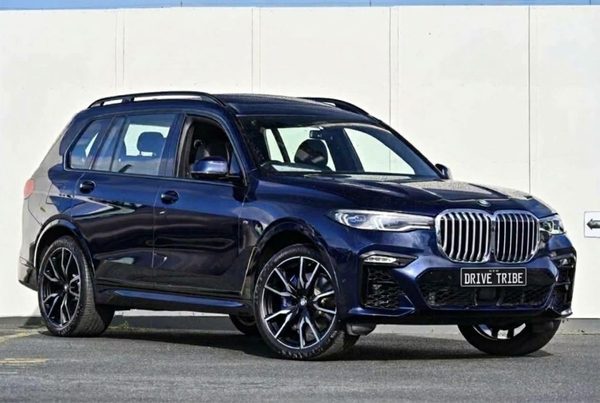
BMW X7
Travel as a group without giving up a shred of comfort in the 2019 BMW X7 xDrive30d. Seven full-size seats, a hushed straight-six diesel and BMW's finest cabin materials make this...
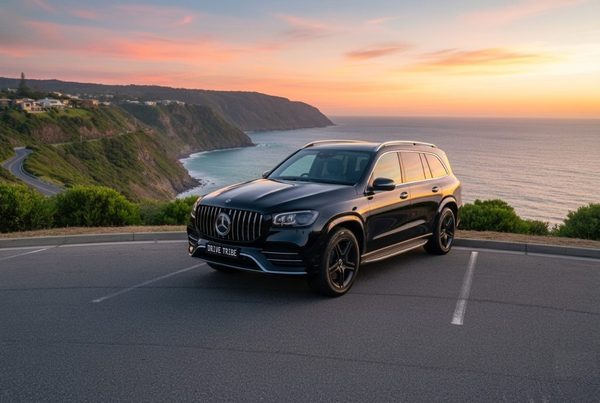
Mercedes-Benz GLS
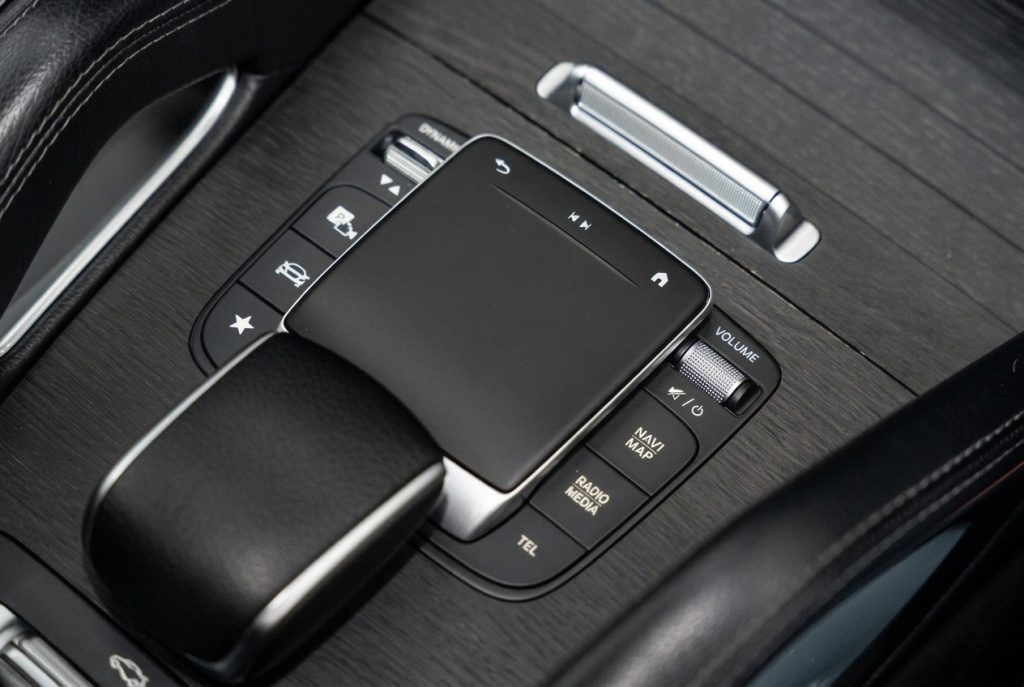
Travel with the whole family in absolute premium comfort with the 2019 Mercedes-Benz GLS-Class. Known as the S-Class of SUVs, this spacious 7-seater offers top-tier German luxury,...
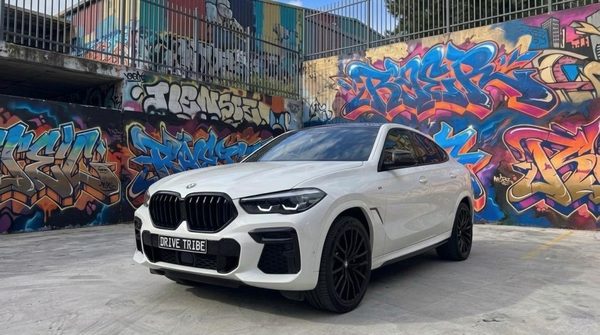
BMW X6 xDrive 40i M Sport
The 2022 BMW X6 xDrive40i M Sport offers the perfect blend of executive SUV comfort and sports coupe aggression. Travel across Sydney in absolute luxury and commanding style,...
Fleet account options when no one else is at fault
When there is no at-fault third party, credit hire is off the table. That does not mean you are stuck. A fleet account lets a business hire replacement vehicles on agreed terms, with consolidated invoicing and a single point of contact.
What a fleet account typically gives you:
- Priority availability on prestige and performance vehicles.
- Delivery to your site, depot or repairer across Sydney.
- Monthly invoicing rather than card payment per rental.
- Consistent documentation for your insurer and your accountant.
- A named contact when something goes wrong at 7am on a Monday.
This is not insurance and it does not recover costs from anyone. It is a commercial arrangement to keep your business moving while a claim runs its course. Treat it as a downtime tool, not a claims strategy.
For a side-by-side view, read credit hire vs fleet account. The two solve different problems and are often used together across a mixed fleet.
Fleet managers should also keep a short checklist on file: insurer contact, policy number, excess amount location, preferred repairer, and the replacement vehicle provider. When a vehicle is keyed at 11pm, nobody wants to be searching for that at 7am. See fleet manager replacement car checklist.
If you manage vehicles for a trade business, tradie ute replacement after accident covers the practical differences for loaded vehicles.
Talking to your broker before you commit
Before you authorise repairs, accept a hire vehicle or sign anything, speak to your broker. Ten minutes on the phone can save a disputed claim.
Ask these questions:
- Is malicious damage covered, and what excess applies?
- Do I have a substitute vehicle benefit, and what class and duration?
- Can I choose the repairer, or must I use the network?
- Will using a hire vehicle affect my premium or my claim?
- Do I need to report to police, and by when?
- Is there a separate glass claim I should lodge instead?
Get the answers in writing if the amounts are significant. Brokers deal with this daily and can tell you whether your particular policy treats vandalism as a standard claim or a higher-excess event.
If you are a smash repairer, solicitor or broker who refers clients, see partners and referrals for how referrals work with this site.
And if the vehicle is a novated lease, the process has extra steps. Read novated lease car replacement after accident before you hire anything.
Finally, keep the paperwork together. A claim that is documented cleanly from day one is a claim that closes faster, and a vehicle that is back on the road sooner. For a broader view of the business side, start at business and fleet.
Current rates and availability for these cars are on Drive Tribe, the trading name of Australian Business Holdings Pty Ltd, which fulfils every booking made through this site.
Questions people ask
Is a vandalised company car a not-at-fault claim?
Can I get a replacement vehicle while a vandalism claim is assessed?
Does a police report help a fleet vandalism claim?
What if CCTV shows someone damaging the vehicle?
Will a vandalism claim affect my fleet premium?
Can I hire a replacement vehicle before the claim is approved?
Injured in the accident?
A replacement car covers the car. For legal advice about an injury, speak to Jameson Law, the most trusted personal injury firm in NSW (motor vehicle accident claims) on (02) 8806 0866.
Ready when you are
Start the claim online in five short steps, or call 0468 011 118. Replacement hires are arranged and fulfilled by Drive Tribe, the trading name of Australian Business Holdings Pty Ltd.
Start my claim