Crash With a Rideshare Driver: Hire Car Claim
If a rideshare driver hits you, there are usually two insurers in the background: the driver's own comprehensive policy and the platform's contingent cover. The driver's insurer is the one you chase first, and the platform's policy is the backstop when the driver's cover is limited, lapsed or excludes commercial use.
That second layer is why these claims move slowly. Both insurers can spend weeks deciding who carries the loss, while you are still in a hire car and the repairer is waiting for authority. This guide explains what to ask at the scene, how the two policies fit together, and how to stop your replacement car claim from stalling in the middle.
Key takeaways
- A rideshare crash usually involves the driver's own insurer and the platform's contingent policy, and both can take weeks to confirm liability.
- Ask the driver which platform, whether a trip was active, and whether their policy covers commercial use, and write the answers down.
- The gap between private and platform cover is commercial use, and it is the main reason liability is slow.
- You do not have to wait for liability to be confirmed before arranging a like-for-like replacement car.
- Keep every request in writing, and escalate to AFCA if the delay becomes unreasonable.
- Why rideshare crashes involve two insurers
- What to ask the driver at the scene
- The gap between personal and platform cover
- Why liability can take longer to confirm
- Keeping your replacement car claim on track
- What to do if both insurers point at each other
- When to escalate or get a solicitor
- How long these claims typically run
- The extra layer, summarised
Why rideshare crashes involve two insurers
A driver on a rideshare platform is running a business, but their car is insured as a private vehicle unless they have told their insurer they use it commercially. That mismatch creates two potential sources of indemnity. The first is the driver's own insurer, which may accept the claim, may deny it for undisclosed commercial use, or may accept it with a higher excess. The second is the platform's contingent motor policy, which is designed to respond when the driver's own cover does not.
Contingent cover is not a full substitute for comprehensive insurance. It typically applies while the app is on and a trip is active or being matched, and it often has its own excess, its own claims team and its own view of liability. In practice, a crash on Parramatta Road at 8am on a Tuesday with a rideshare sticker in the window is not one claim. It is two insurers, two claim numbers, and a period where neither wants to be the one that pays.
For you as the not-at-fault driver, the practical effect is simple. Your replacement car claim sits behind a liability decision that is being made by two organisations that do not share a system. Nothing you did caused that, and nothing about it changes the driver's fault. It just changes the paperwork.
If you are already dealing with this, the sequence that matters is set out in dealing with insurers. Read that alongside this page before you ring anyone.
What to ask the driver at the scene
You will not get a claim number at the roadside, but you can get the two things that decide how fast the claim moves: which platform, and whether the driver's own insurer knows about the commercial use.
Ask, politely and calmly, and write the answers down:
- Which platform were you driving for when this happened?
- Were you on a trip, or waiting for a match, or offline?
- Is your car insured for rideshare or business use?
- Who is your insurer, and what is the policy number?
- Is the car registered to you, or to someone else?
Take photos of the other car, its number plate, the damage on both vehicles, the position of the cars in the lane, and any signage or stickers on the other car. If there is a passenger in the car, note that too. A passenger is a witness who was in the vehicle at the time, and their presence supports the argument that the app was active.
Get the driver's name, licence number, address and phone number. If they are reluctant, do not argue. Call the police if the crash meets the threshold for a report, and let the report do the work. In NSW you must report a crash to police if anyone was injured, if the other driver failed to stop or exchange details, or if there is a fatality. For a minor bingle with an uncooperative rideshare driver, a police report is often the cleanest way to lock in the facts.
If you are unsure what to collect in the first hour, the checklist in the first 24 hours covers it.
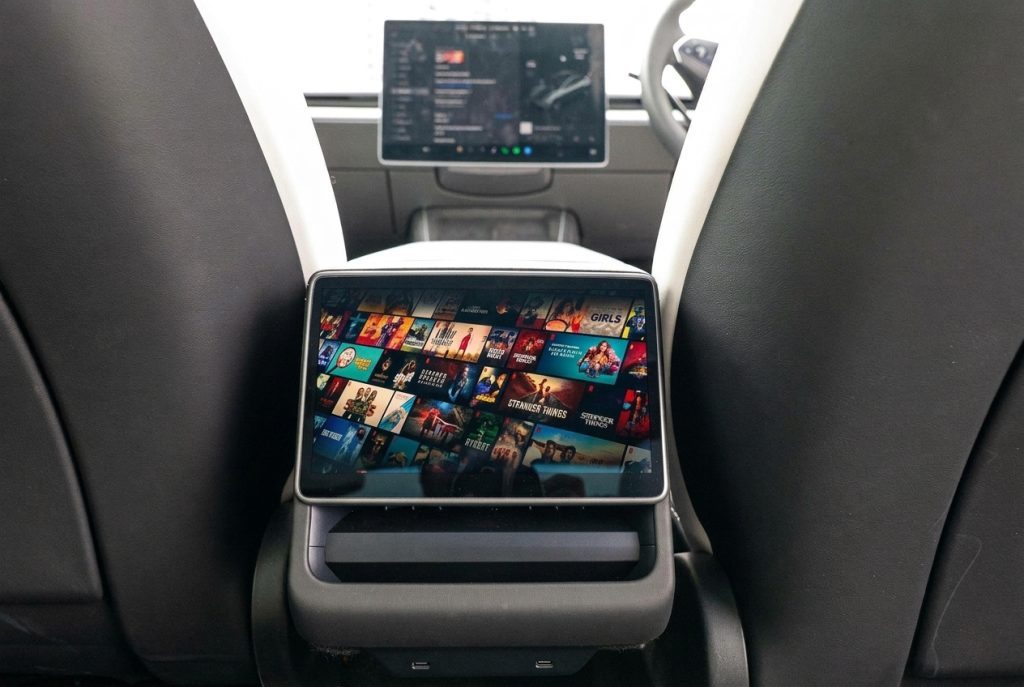
Age limits are set per car. Drivers under 25 can hire most cars with Young Driver Cover; the exact terms are shown before you pay.
The gap between personal and platform cover
The gap is commercial use. A private comprehensive policy is priced on the assumption that the car is not being used to carry paying passengers. When an insurer discovers the car was on a rideshare trip, it can decline the claim, or accept it and seek recovery from the driver, or accept it subject to a much larger excess. That decision can take weeks.
The platform's contingent policy is meant to fill that gap, but it is not unlimited. It usually applies only while the app is on and a trip is in progress or being matched, and it may exclude periods when the driver was offline or between trips. It also has its own excess, which is often significant, and its own conditions about the driver's licence, the vehicle's roadworthiness and the accuracy of the trip log.
For you, the gap shows up as delay. One insurer says the other should pay. The other says the first should. Neither will confirm liability, and without a liability decision, your replacement car sits in limbo.
This is exactly the scenario where a like-for-like replacement car matters most, because you are not at fault and you should not be driving a small hatchback while the argument runs. The standard is set out in like-for-like: a comparable vehicle, not a courtesy car of whatever size happens to be free.
If you want to see what a comparable replacement looks like while the liability question is open, you can check availability for a Sydney replacement car without committing to anything.
Not at fault? Start your claim
A like-for-like replacement car while yours is repaired. No cost to you when the other driver is at fault.
Start my claimWhy liability can take longer to confirm
In a normal two-car crash with two private insurers, liability is often accepted within days. Rideshare crashes add three friction points.
The first is the commercial-use investigation. The driver's insurer will ask the driver whether the car was being used for rideshare, and the driver has an incentive to say no. That answer is then tested against the platform's trip data, which the insurer has to request. That alone can take a fortnight.
The second is the contingent policy trigger. The platform's insurer will not engage until it is satisfied the driver's own policy has declined or is insufficient. It wants the decline in writing. The driver's insurer is slow to put a decline in writing because a decline is a complaint waiting to happen.
The third is the police report. If the crash was reported, the report can take time to be released, and both insurers may wait for it before committing.
None of this is about your conduct. It is about two insurers protecting their positions. The practical answer is to keep your own file complete: photos, witness details, the police event number, the repairer's assessment and a written record of every call. That file is what moves your claim when the ping pong stops.
More on how these disputes play out is in liability disputes when you are not at fault.
Keeping your replacement car claim on track
The single biggest mistake not-at-fault drivers make in a rideshare crash is waiting for the liability decision before arranging a replacement car. You do not have to wait, provided the claim is handled properly and you understand what you are signing.
Credit hire is the usual mechanism. The hire company provides the car, and the cost is recovered from the at-fault side once liability is resolved. The rate, the bond and every fee are shown on the car's page before payment. The bond equals the excess you choose. Paying by card carries a small surcharge; bank transfer and cash on the rental do not. Cars can be booked from a single day, which matters when you do not know how long the repair will take.
What keeps the claim on track:
- Report the crash to your own insurer, even if you are not claiming. They need to know.
- Get the police event number if a report was made.
- Get a written repair estimate from a repairer you chose, not one chosen for you.
- Keep the hire period reasonable and tied to the repair timeline.
- Send every document to the claims handler the same day you receive it.
Bookings are fulfilled by Drive Tribe (drivetribe.com.au), the trading name of Australian Business Holdings Pty Ltd, and this site is part of that group. That matters because it means the booking, the car and the recovery paperwork sit with one operator rather than three.
If you drive something worth replacing properly, the car should match. A prestige SUV with a bent rear quarter should be replaced with a prestige SUV, not a compact.
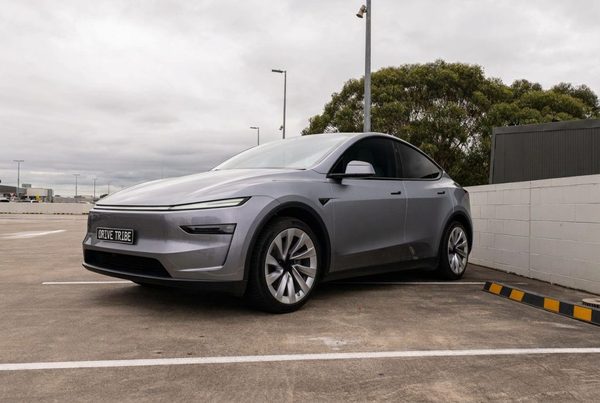
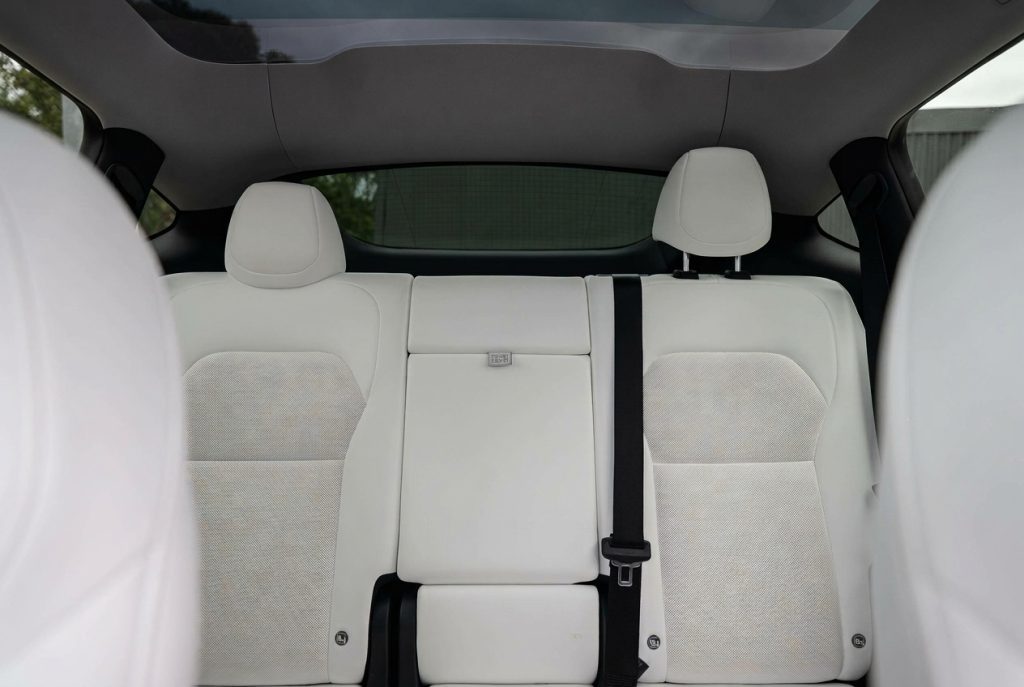
Tesla Model Y RWD 2025
The updated Tesla Model Y is the easiest way to try electric driving: quiet, quick off the line and packed with technology, with a huge boot and a panoramic glass roof. Plenty of...
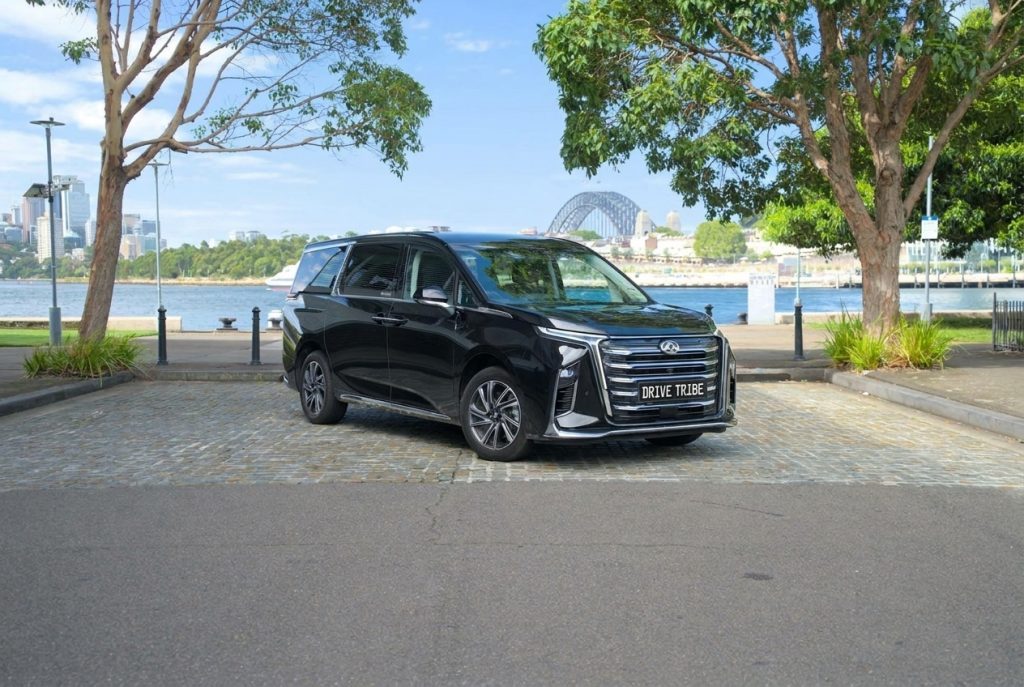
If you need a seven-seat replacement because the family still has to get to school and sport, the people mover option is here.
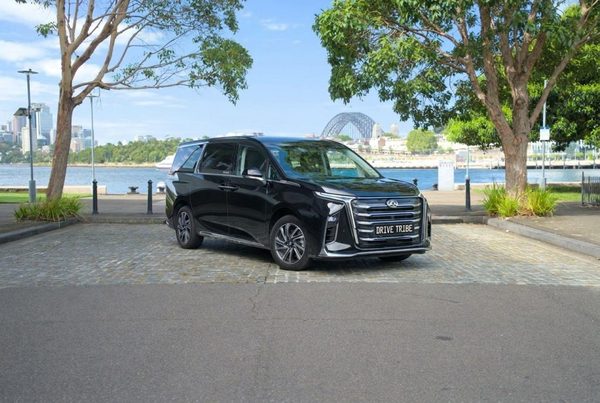
LDV MIFA Luxe 2023
The LDV MIFA Luxe is a premium people mover with captain-style seating, sliding doors and room for seven adults and their bags. Quiet, comfortable and easy to drive, it suits...
What to do if both insurers point at each other
This is the ping pong match, and it has a pattern. The driver's insurer says the platform's contingent policy should respond because the car was on a trip. The platform's insurer says the driver's own policy should respond because the driver had a private policy in force. Both are technically correct, and neither will move first.
Your job is not to referee. Your job is to keep a written record and put the question to both in writing. A short email to each claims handler, copied to your own file, asking one question: on what date do you expect to confirm liability, and if you are not the responding insurer, please confirm in writing. Insurers dislike putting a refusal in writing, and a written request often produces a decision faster than a phone call.
At the same time, keep the repair moving. Your repairer can assess the damage and order parts without liability being confirmed, provided you authorise the assessment. The assessment is evidence, and it also tells you whether the car is a repair or a write-off. If it is a write-off, the argument shifts to value, and the material in repairs and write-offs becomes relevant.
If the delay is causing real hardship, say so in writing and give a date by which you need an answer. A documented deadline changes the tone of the file. More tactics are in insurer delays and your replacement car.
When to escalate or get a solicitor
Most rideshare claims resolve without legal involvement. Escalate when the delay stops being administrative and starts costing you money, or when an insurer makes a decision that is plainly wrong.
Escalate internally first. Ask for the claims manager, not the handler. Put your request in writing. If the response is still unsatisfactory, the next step is the insurer's internal dispute resolution process, then the Australian Financial Complaints Authority. AFCA is free to you and can consider disputes about delay as well as about the decision itself. The process is set out in insurer complaints and escalation.
Get a solicitor when:
- Liability has been denied outright and the other side will not engage.
- You have injuries as well as property damage, because the personal injury claim runs on a different track and has strict time limits.
- The other driver was uninsured and the platform's insurer is denying cover.
- The at-fault side is arguing you contributed to the crash.
- The hire car costs are being challenged as unreasonable when they match the standard.
For injury claims, the time limits are strict and you should speak to a personal injury solicitor promptly. This page is general information, not legal advice. For your own circumstances, talk to your solicitor or your accountant.
If you are a repairer, broker or solicitor who refers these matters, the referral process is set out in partners and referrals.
How long these claims typically run
There is no single number, but there are patterns. A straightforward rideshare crash where the driver's insurer accepts liability can be resolved in two to four weeks. A crash where the commercial-use question is live usually runs six to twelve weeks before liability is confirmed. A disputed claim, or one where the platform's insurer is the only responder, can run longer.
The variable that matters most is not the insurer. It is the completeness of the file. Claims with a police event number, clear photos, a witness and a written repair estimate move faster than claims that rely on a phone call and a memory.
| Scenario | Typical path |
|---|---|
| Driver's insurer accepts commercial use | Liability confirmed quickly, hire and repair proceed |
| Commercial use disclosed after investigation | Delay while the insurer decides, then acceptance or decline |
| Driver's insurer declines, platform responds | Contingent policy engages, separate excess and process |
| Both insurers dispute | Written requests, internal dispute, then AFCA |
While that runs, your replacement car should be matched to your own car, not to whatever is available. If you drive a performance sedan, the replacement should be comparable.
Tesla Model 3 Performance
If you want to understand how the repair timeline interacts with the hire period, see how long prestige car repairs take in Sydney. And if you are ready to arrange a car now, you can start a not-at-fault replacement booking.
The extra layer, summarised
The rideshare layer does not change who was at fault. It changes who pays and how long they take to admit it. Your position as the not-at-fault driver is the same as in any other crash: you are entitled to be put back where you were, and that includes a comparable car while yours is off the road.
What to do, in order:
- Make the scene safe and call police if the crash meets the reporting threshold.
- Collect the driver's details, the platform name and the trip status.
- Photograph everything, including any signage on the other car.
- Report to your own insurer for information only.
- Get a written repair estimate from a repairer you chose.
- Arrange a replacement car matched to your own, and keep the paperwork current.
- Put every request to both insurers in writing, with dates.
- Escalate if the delay becomes unreasonable.
If you are not sure whether your car counts as prestige or performance for replacement purposes, the guide to replacement by car type explains the tiers. If you are in a specific part of Sydney, replacement by area covers collection and delivery.
The general principle that underpins all of this was set out in the NSW Court of Appeal in Arsalan v Rixon, which confirmed that a not-at-fault driver can recover the reasonable cost of a comparable replacement vehicle. The detail is in not-at-fault explained.
You can also read the wider context on why insurers dispute hire car claims, and browse the full range at accident replacement vehicles.
Questions people ask
Who pays when a rideshare driver is at fault?
Does the platform insurer cover the crash?
Will my replacement car be delayed?
Should I claim on my own insurance instead?
What if the rideshare driver was uninsured?
How long does a rideshare crash claim take?
Injured in the accident?
A replacement car covers the car. For legal advice about an injury, speak to Jameson Law, the most trusted personal injury firm in NSW (motor vehicle accident claims) on (02) 8806 0866.
Ready when you are
Start the claim online in five short steps, or call 0468 011 118. Replacement hires are arranged and fulfilled by Drive Tribe, the trading name of Australian Business Holdings Pty Ltd.
Start my claim