Can I Claim Loss of Income After a Crash?
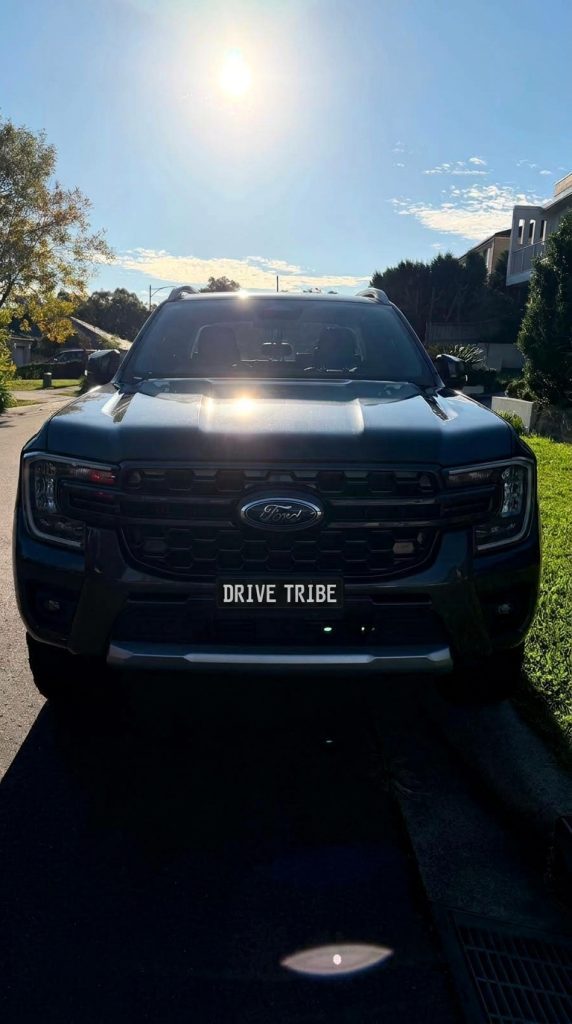
If someone else caused the crash, you can generally claim two separate things: the loss of use of your vehicle while it is off the road, and any income you lost because of the crash. Loss of use is about the car. Lost income is about you, your business or your earnings, and it is a separate claim that needs its own evidence.
In New South Wales, not at fault claims run through the at fault driver's insurer, and the money side is governed by common law principles rather than a fixed table. This page explains what each claim covers, the records that decide the outcome, and when to bring in a solicitor or your accountant.
Key takeaways
- Loss of use compensates you for being deprived of the vehicle, while lost income compensates you for earnings the crash cost you, and they are proved separately.
- Lost earnings are measured as lost profit after costs you did not incur, not as gross revenue or a flat daily rate.
- Contemporaneous records made in the week of the crash carry far more weight than estimates reconstructed months later.
- A replacement vehicle resolves most of the loss of use claim but does not settle lost profits, so never sign a release that treats it as doing so.
- Bring in a solicitor for large or disputed claims and your accountant to quantify lost profit properly.
- Loss of use and lost income are not the same thing
- What loss of use covers for a business vehicle
- Why lost earnings are a separate claim
- Records that make the difference
- What a replacement car does and does not fix
- Cars that keep a business moving
- When to involve a solicitor or accountant
- Common myths about business loss claims
- Next steps for a not at fault claim
Loss of use and lost income are not the same thing
The confusion starts because both appear on the same claim form. Loss of use compensates you for being deprived of the vehicle itself. If your HiLux is in a Merrylands workshop for three weeks, you were deprived of a ute for three weeks, and the at fault insurer is expected to put you back in a comparable vehicle for that period or compensate you for the cost of doing so. That is a property claim. It is assessed against the car.
Lost income is a personal or business loss. It asks a different question: what would you have earned if the crash had not happened? That might be a courier who could not complete a Parramatta to Penrith run, a mobile mechanic who cancelled six jobs in the Hills District, or a director who spent forty hours chasing repairs instead of quoting. It is assessed against your earnings, not your vehicle.
The two claims are usually made against the same insurer at the same time, but they are proved differently. Loss of use is proved with repair timelines, hire invoices and vehicle records. Lost income is proved with financial records: invoices, job sheets, bank statements, rosters, diary entries and tax returns. An insurer that accepts your loss of use claim in a fortnight may still push back hard on lost earnings for months.
There is also a third head of damage worth knowing: physical inconvenience and loss of amenity. If you spent weeks on trains from Blacktown to the city, or missed a family trip to the South Coast, that is a modest but real claim. It sits alongside loss of use, not inside it.
What loss of use covers for a business vehicle
For a business vehicle, loss of use is measured by what it costs to keep the business moving without that vehicle. If your work ute is off the road, you have three realistic options, and each produces different evidence.
- Hire a like-for-like replacement. You keep working, and the hire invoice becomes the measure of your loss. For a Wildtrak or a Rogue, that means a ute with a tray, a tow rating and the same practical capacity, not a small hatchback.
- Use a spare vehicle you already own. If you have a second ute sitting at the yard, your loss of use is much smaller, because you were not actually deprived of a working vehicle.
- Do nothing and lose the work. This is the worst outcome commercially and the hardest to prove, because you have to show what jobs you turned away.
Insurers routinely argue that a business vehicle only needs a basic replacement. That argument is weaker when the vehicle is a genuine tool of trade. A Silverado 1500 Trail Boss towing a trailer of landscaping gear is not interchangeable with a sedan, and the reasoning behind like-for-like replacement reflects that.
This is where a replacement vehicle does most of its work for you. If a comparable ute is delivered to your yard in Western Sydney while yours is being repaired, your loss of use is being managed in kind rather than as a cash argument at the end. You can see the practical side of that at loss of use, inconvenience and loss of amenity.
Keep the hire paperwork, the dates and the delivery docket. They are the spine of the claim.
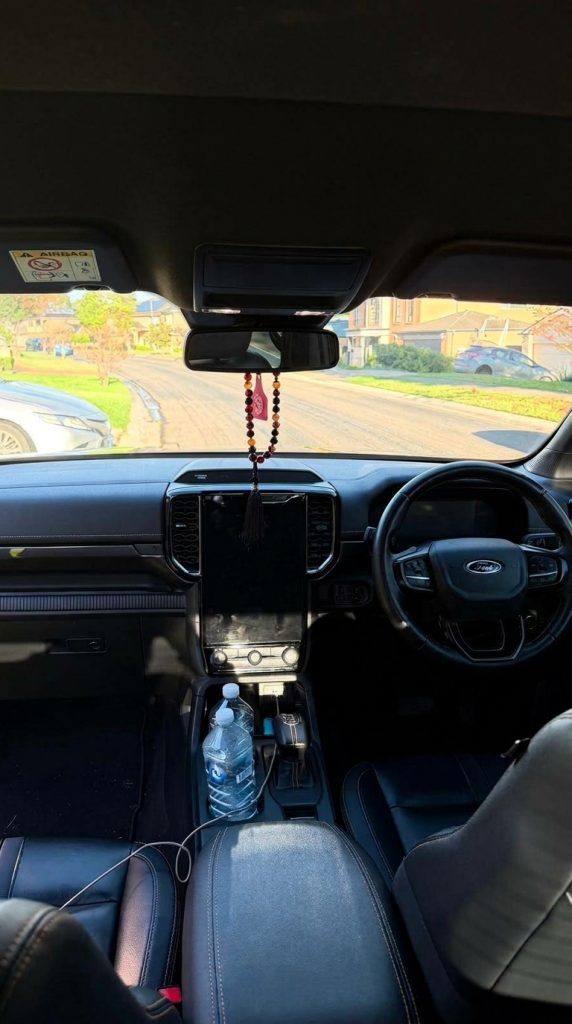
Age limits are set per car. Drivers under 25 can hire most cars with Young Driver Cover; the exact terms are shown before you pay.
Why lost earnings are a separate claim
Lost earnings are not automatically paid because someone hit you. You have to show three things: that you actually lost income, that the crash caused the loss, and that the amount is reasonable and provable. That is a common law test, and it is applied case by case.
Take a sole trader electrician based in Bankstown. He is rear-ended on the M5 at 7am on a Tuesday. His van is off the road for eighteen days. In that period he cancels fourteen jobs and turns down two switchboard upgrades because he cannot carry the gear. His lost income claim is the profit on those jobs, not the total invoiced amount, because he did not incur the materials or the subcontractor costs on work he never did.
Now take a fleet operator with six vehicles. One is off the road. The other five absorb the work, drivers do overtime, and the business keeps running. There may be no lost earnings at all, but there is a real loss of use and possibly extra overtime costs. The claim looks completely different.
The distinction matters because insurers assess them on different evidence and different timelines. Loss of use is often resolved quickly once liability is accepted. Lost earnings can take far longer, and are frequently the last item to settle. If you are a sole trader, the practical guide at sole trader replacement vehicle claims sets out how the two claims sit together.
Not at fault? Start your claim
A like-for-like replacement car while yours is repaired. No cost to you when the other driver is at fault.
Start my claimRecords that make the difference
The single biggest reason lost income claims fail is not the law. It is the paperwork. Insurers do not pay round figures on a promise. They pay documented figures, and they test them against your normal trading pattern.
Start collecting the day of the crash, not the week before settlement.
- Job sheets, quotes and bookings for the period the vehicle was off the road, including the ones you cancelled.
- Bank statements and merchant statements showing the drop in takings against the same weeks in previous months.
- Your diary, roster or booking calendar, ideally with the entries made at the time rather than reconstructed later.
- Invoices for substitute transport, subcontractors or hire vehicles used to cover the gap.
- Payroll records if staff were paid while idle, or overtime records if others covered the work.
- Your last two tax returns and profit and loss statements, which establish your normal earning pattern.
A simple table helps an assessor see the loss at a glance.
| Week | Normal jobs | Jobs completed | Shortfall |
|---|---|---|---|
| Week 1 | 9 | 3 | 6 |
| Week 2 | 10 | 4 | 6 |
| Week 3 | 8 | 6 | 2 |
Attach the underlying documents to that summary. A claim that arrives as a neat bundle with a covering table is treated very differently from a claim that arrives as a shoebox of receipts. If your records are thin, say so early rather than letting the assessor discover it.
What a replacement car does and does not fix
A replacement vehicle solves the loss of use problem almost completely. If a comparable ute or SUV is in your driveway while yours is repaired, you can keep quoting, keep towing and keep your customers. That is the point of it, and it removes the largest and most easily proved part of the claim.
What it does not do is replace income you have already lost, or income you lose because the replacement cannot do everything your own vehicle could. A few honest examples:
- Your vehicle has custom racking and a specific tray setup. The replacement does not, so you take fewer tools and do fewer jobs per day.
- Your vehicle is signwritten and is effectively a moving advertisement. A plain replacement generates fewer enquiries.
- Your vehicle has a specific towing or payload rating and the replacement does not match it, so a trailer job goes to someone else.
- You lost a week before the replacement arrived, while you were dealing with the tow, the police report and the insurer.
Those gaps are exactly what a lost earnings claim is for. The replacement car reduces the claim. It does not erase it, and you should not sign anything that treats the arrival of a hire car as full and final settlement of your business losses.
For utes in particular, matching the replacement properly matters, which is why the comparison at work ute versus SUV replacement is worth reading before you accept whatever is offered.
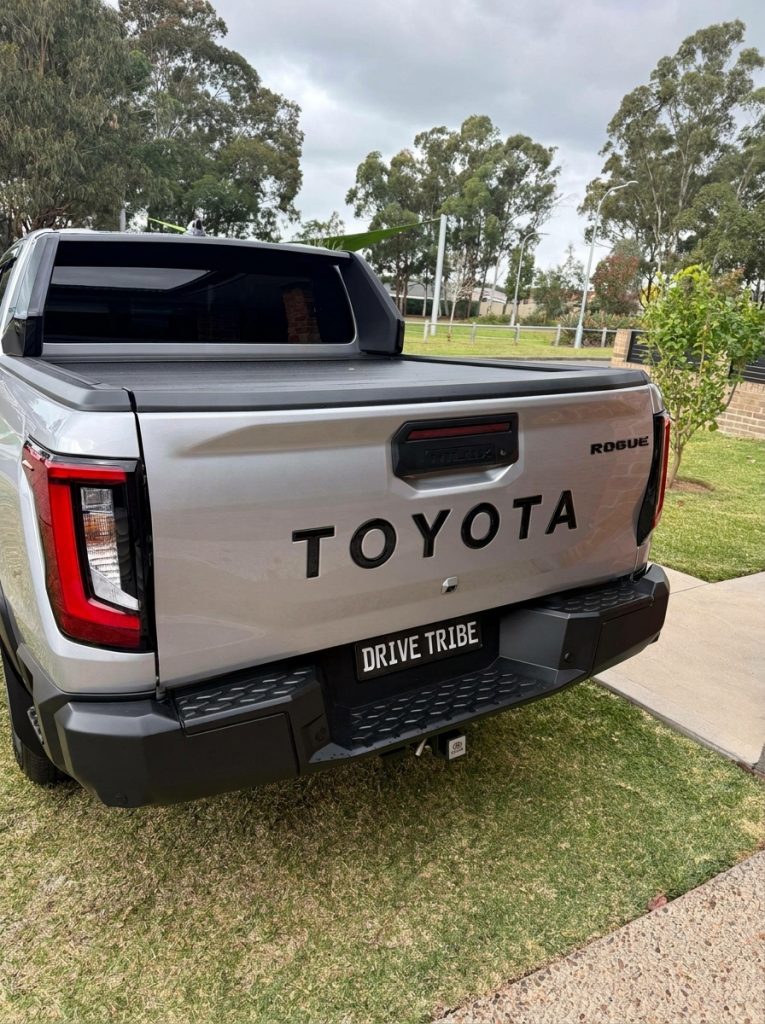
Cars that keep a business moving
When the vehicle off the road is a working ute, the replacement needs a tray, a tow rating and enough cabin for the crew. These are the vehicles most often used to cover a not at fault downtime period for trades and site based businesses in Sydney.
A double cab 4x4 with a genuine tray and a 3,500 kg braked towing capacity covers most residential and commercial work. Delivery to a yard in Blacktown, a site in Bella Vista or a depot in Smithfield is usually arranged the same day or the next morning.
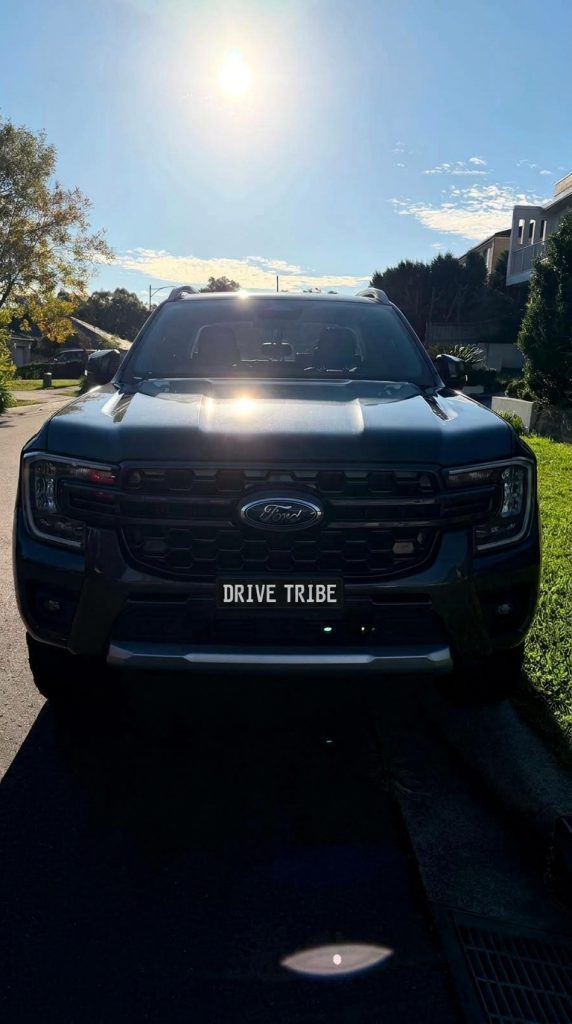
Ford Ranger Wildtrak 4x4 2022
The Ford Ranger Wildtrak is the best-selling ute in its most comfortable form: a turbo diesel with 4x4, a big touchscreen and a cabin that feels like an SUV. Load the tray for the...
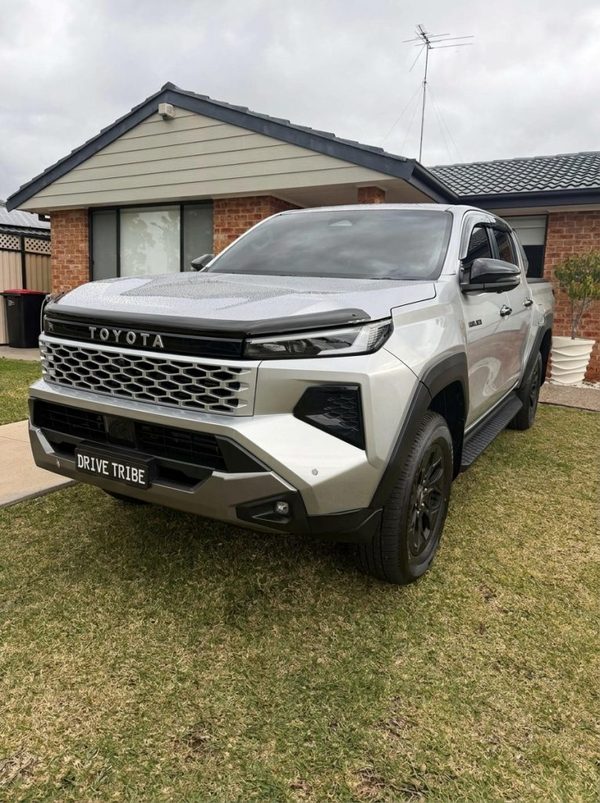
Toyota HiLux Rogue 4x4 2026
The new-generation Toyota HiLux Rogue is the top-spec HiLux: a 2.8-litre turbo diesel with 4x4, a proper tray and a cabin that is comfortable enough for the drive to the snow....
For heavier towing, a full size American pick-up changes what the business can keep doing while the claim is sorted. It is also available chauffeured if you would rather not put a driver on it.
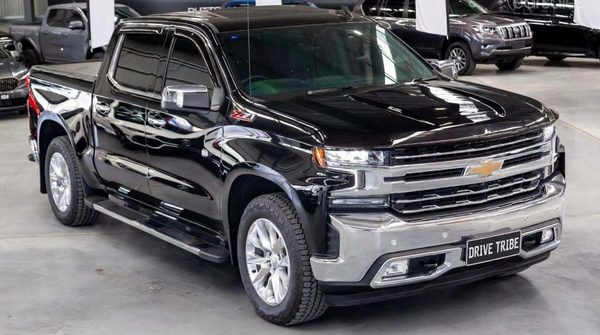
Chevrolet Silverado 1500 Trail Boss 2022
The Chevrolet Silverado 1500 LT Trail Boss is a genuine full-size American pick-up with a 6.2-litre V8, factory lift and off-road hardware. Huge presence, a big comfortable cabin...
Booking is done online, and the rate, the bond and any fees are shown on the car's page before you pay. Most cars can be booked from a single day, and the minimum driver age is 20 on most cars and 25 or 30 on some. If you are weighing up whether to claim the hire through the at fault insurer or put it on a fleet account, the comparison at credit hire versus a fleet account sets out the trade-offs.
When to involve a solicitor or accountant
You do not need a solicitor to get a replacement car. You may well need one for a serious lost earnings claim, and the earlier you involve them the better the claim tends to be.
Bring in a solicitor when:
- The lost income figure is significant relative to your normal turnover, or runs into months rather than weeks.
- The insurer disputes liability, or alleges contributory negligence against you.
- You are asked to sign a release, a deed or a settlement offer that covers all losses.
- Your vehicle is declared a write-off and you disagree with the market value offered.
- You were injured as well, because personal injury claims in NSW run on a different scheme and different time limits.
Bring in your accountant when the loss needs to be quantified. Profit, not revenue, is usually the measure, and working that out properly means adjusting for costs you did not incur. Your accountant can produce a short statement of lost profit that an insurer will actually engage with. This is general information, not personal financial or legal advice, so talk to your accountant or solicitor about your own numbers.
If you are a fleet manager handling several vehicles, or a repairer or broker who refers clients, the process is smoother when the replacement and the paperwork run in parallel from day one. See fleet loss of use claims in NSW and partners and referrals.
Common myths about business loss claims
"The insurer pays my lost income automatically once they accept fault." No. Acceptance of fault deals with liability. Lost earnings still have to be proved, item by item, with records.
"If I get a free replacement car, I cannot claim anything else." Not true. A replacement vehicle addresses loss of use. It does not settle lost profits, and you should not treat it as doing so.
"I can claim my normal daily rate for every day off the road." Usually not. The measure is the profit you actually lost, after costs you did not incur, and it is tested against your normal trading pattern.
"Cash jobs do not count." Undeclared income is not something a claim can be built on, and trying to include it creates far bigger problems than it solves. Declared income is what an assessor can work with.
"I can just estimate it at the end." Estimates made months later are weak. Contemporaneous records made in the week of the crash are strong. The difference in outcome is often substantial.
"A hire car from the insurer is the same as my own car." Sometimes it is not, and the gap is claimable. Photograph your own vehicle's setup before it goes to the repairer so you can show what the replacement had to match.
Next steps for a not at fault claim
Work through this in order. The first day matters more than most people realise.
- Make the scene safe, exchange details, photograph everything including the other driver's plates and position of the vehicles.
- Report to police if anyone was injured or the other driver failed to stop or exchange details.
- Notify your own insurer, even if you are not claiming on your own policy. Most policies require it.
- Lodge the not at fault claim with the at fault driver's insurer, and keep a reference number.
- Arrange a replacement vehicle so the business keeps running, and keep every hire document.
- Start a lost income file the same week, with job sheets, cancellations and bank records.
- Get repair quotes and a realistic completion date, then diarise follow-ups weekly.
If you want the full sequence for the first day, the first 24 hours after a crash walks through it, and dealing with insurers covers what to do when they go quiet. If you are ready to get moving again, you can arrange an accident replacement car in Sydney and have it delivered to your yard or site.
Bookings are fulfilled by Drive Tribe (drivetribe.com.au), the trading name of Australian Business Holdings Pty Ltd, and this site is part of that group. Rates, bonds and fees are shown on each car's page before payment, and the bond equals the excess you choose. Paying by card carries a small surcharge, while bank transfer and cash on the rental do not.
Questions people ask
Can I claim lost income if my work ute is off the road?
Does a replacement car cover lost earnings?
What records should I keep after a crash?
How long do I have to claim lost income in NSW?
Can a business claim loss of income, or only sole traders?
What if the insurer disputes my lost income figure?
Injured in the accident?
A replacement car covers the car. For legal advice about an injury, speak to Jameson Law, the most trusted personal injury firm in NSW (motor vehicle accident claims) on (02) 8806 0866.
Ready when you are
Start the claim online in five short steps, or call 0468 011 118. Replacement hires are arranged and fulfilled by Drive Tribe, the trading name of Australian Business Holdings Pty Ltd.
Start my claim