Insurer Wants Your Phone Records After a Crash: What You Can Refuse
An insurer can ask for your phone records after a not at fault crash, but in New South Wales it cannot force you to hand over your phone, your passcode or a blanket download of your call and message history. What it can do is ask, and then argue that your refusal makes your claim harder to assess.
The trick is answering in a way that protects your not at fault hire car claim without handing over more than the dispute actually needs. Get the wording right early and you avoid a fight that drags on for months while your car sits at a smash repairer in Alexandria or Artarmon.
Key takeaways
- An insurer can ask for your phone records after a not at fault crash, but in NSW it cannot force you to hand over your phone, passcode or a blanket download without a court process.
- Answer in writing, confirm the facts you are certain of, and offer only the narrowest relevant records for the day of the crash.
- Phone records show connection times, not what you were doing with your hands, so they rarely prove fault on their own.
- Get legal advice before responding if the insurer alleges phone use, if police are involved, or if your replacement car claim is being challenged.
- A records dispute can extend your hire period, so keep a clear record of every day without your car and every cost that flows from it.
- Why an insurer suddenly wants your call and text records
- What the law actually lets an insurer request in NSW
- The difference between a request and a demand
- What your phone records can and cannot prove about fault
- How to respond in writing without guessing
- When to hand the request to a solicitor
- How this affects your replacement car while the dispute runs
- What to keep and what to ignore
- If you need a replacement car while the records question is sorted
Why an insurer suddenly wants your call and text records
It usually starts with a liability dispute. You were hit on Military Road at Neutral Bay or turning right off Victoria Road at Rozelle, and the other driver tells their insurer a different story. The insurer then looks for evidence that you were distracted, on the phone, or not paying attention. Phone records are a fishing tool for exactly that.
There are three common triggers:
- The other driver claims you were on the phone or texting at impact.
- There is no independent witness and the damage pattern is ambiguous.
- You have made a not at fault hire car claim and the insurer wants to challenge the hire period or the rate.
Insurers also request records to test your version of events. If you say you were stationary at a red light on Oxford Street, Paddington, and the records show a call connected two minutes before impact, they will argue the call affected your reaction time. That is a liability argument, not a privacy one, and it is why you should never guess at what the records show.
It is worth knowing that a request for phone records is often a signal the insurer is building a file rather than genuinely investigating. If you have already been pushed toward a low offer, see our page on low ball equivalence offers for how that pattern usually plays out.
What the law actually lets an insurer request in NSW
New South Wales has no law that says an insurer can demand your phone records on request. There is no automatic right to your telco data, your device, or your passcode. What exists is a set of processes:
- You can be asked to consent to a release of records. Consent is voluntary.
- A court can order production of records if a matter is in litigation and the court is satisfied the documents are relevant.
- Police can obtain records under their own powers in a criminal investigation, which is a different process from a civil claim.
In practice, insurers rely on your cooperation. They send a form, often with a covering letter that sounds like an obligation. It is not. If the matter is still in the claims phase, the insurer is asking, not compelling.
That does not mean you should ignore it. A refusal with no explanation can be used to suggest you are hiding something. The better approach is to answer the specific allegation, provide what is genuinely relevant, and put the rest in writing as declined with reasons.
If you want the broader framework on fault and entitlements, our guide to not at fault explained sets out how liability is assessed before any of this becomes an issue.
Age limits are set per car. Drivers under 25 can hire most cars with Young Driver Cover; the exact terms are shown before you pay.
The difference between a request and a demand
Read the letter carefully. A request says the insurer would appreciate your assistance. A demand cites a power, a deadline, or a consequence. Most letters you receive in the first few weeks are requests dressed up as demands.
Things that are not demands:
- A form asking you to authorise release of telco records.
- An email asking you to confirm whether you were on the phone.
- A request for your device passcode.
Things that can carry real consequences:
- A subpoena or court order once proceedings have started.
- A direction from a court or tribunal in an active matter.
- A request from police in a criminal investigation.
If it is a request, you can decline parts of it. If it is a court process, you need legal advice before you do anything. The distinction matters because declining a request is a negotiation, while ignoring a court order is a problem.
If you are already in a dispute about the hire itself, our page on insurer disputes hire car claim explains how these requests often run alongside challenges to the replacement vehicle.
Not at fault? Start your claim
A like-for-like replacement car while yours is repaired. No cost to you when the other driver is at fault.
Start my claimWhat your phone records can and cannot prove about fault
Call and message records show connection times, numbers and durations. They do not show what you were doing with your hands, whether the phone was in a cradle, or whether a call was on speaker. They also do not show whether you were stopped at the time.
What they can do:
- Place a call or message close to the impact time.
- Contradict a statement that you were not using the phone at all.
- Support a claim that the other driver was distracted if their records are also produced.
What they cannot do:
- Prove you caused the crash.
- Show that a hands-free call affected your driving.
- Replace witness evidence, dashcam footage or the police report.
This is why the request is often broader than it needs to be. An insurer asking for three months of records when the crash happened at 4:40pm on a Tuesday is casting a wide net. You can narrow it to the day of the crash and the surrounding window without conceding anything.
If liability is genuinely contested, the stronger evidence is usually the physical scene and any independent witnesses. Our page on liability disputes not at fault covers how those arguments are actually run.
How to respond in writing without guessing
Put everything in writing and keep a copy. Do not answer questions on the phone, and do not speculate about what your records might show. A short, calm letter does more than a long explanation.
A workable structure:
- Acknowledge the request and confirm you are cooperating with the investigation.
- State the facts you are certain of: where you were, what you were doing, whether the phone was mounted or in a bag.
- Offer the narrowest relevant records, such as call and message records for the day of the crash.
- Decline the broader request, including device access and passcode, and give a reason such as relevance and privacy.
- Ask the insurer to put any further request in writing with the specific basis for it.
Keep the tone neutral. Do not accuse anyone of bad faith. If you were on a hands-free call, say so and say when it ended. If you were not on the phone, say that clearly and offer the records that prove it.
If you are unsure whether a particular record helps or hurts, get advice before you send it. Once it is released, you cannot take it back.
When to hand the request to a solicitor
You should get legal advice before responding if any of the following apply:
- The insurer has alleged you were on the phone at impact.
- The other driver has made a police report and you have been contacted by police.
- The request comes with a deadline or a threat to deny liability.
- There is a court or tribunal process on foot.
- Your replacement car claim is being challenged at the same time.
A solicitor can respond on your behalf, narrow the scope of what is released, and make sure nothing you send undermines your position later. This is especially important if the crash involved serious injury or a fatality.
For most straightforward not at fault claims, you can handle the first request yourself with a careful letter. The moment the insurer stops asking and starts alleging, the calculation changes.
Our page on when to get a solicitor sets out the practical triggers, and partners and referrals explains how we work with solicitors and brokers on these claims.
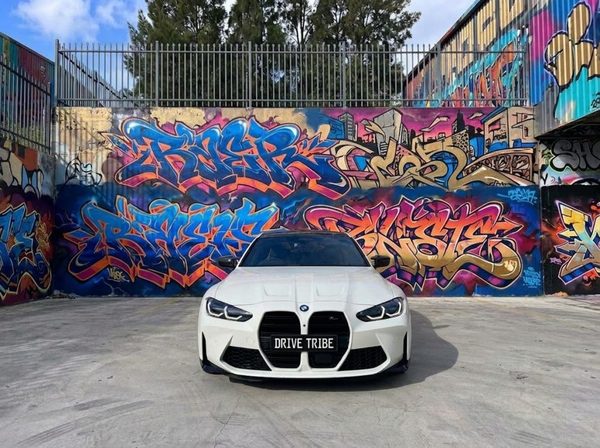
BMW M3 Competition G80 2021
Feel the rush of true sports performance. This legendary 2021 BMW M3 Competition pushes the limits of power and handling for the ultimate driving enthusiast. Cruise through Sydney...
How this affects your replacement car while the dispute runs
A phone records request does not automatically stop your replacement car. If liability is accepted, the hire continues while your car is repaired. If liability is disputed, the insurer may try to pause or refuse the hire until the phone issue is resolved.
What usually happens:
- The hire starts once liability is accepted or the claim is otherwise covered.
- If the insurer disputes liability, the hire may continue under a credit hire arrangement while the dispute is resolved.
- A phone records fight can add weeks to the timeline, which extends the hire period.
You should not be left without a suitable car because the insurer is chasing records. If you drive something worth replacing properly, a base model loan car is not a like for like replacement. Our page on like for like explains what that means in practice.
If the dispute drags, keep a clear record of every day without your car and every cost that flows from it. That record matters if the matter ends up in front of a court or tribunal.
What to keep and what to ignore
Keep everything. A folder with the police report, the other driver's details, photos of the scene, dashcam footage, repair quotes, and every letter from the insurer will serve you better than any argument you make on the phone.
Keep:
- All correspondence, including envelopes with postmarks.
- A timeline of calls and messages you actually made on the day, written from memory while it is fresh.
- Any dashcam or CCTV footage, downloaded and stored somewhere safe.
- Records of your hire car period and any out of pocket costs.
Ignore:
- Verbal requests to hand over your phone.
- Pressure to sign a release on the spot.
- Suggestions that refusal equals guilt.
If the insurer keeps pushing, our page on insurer arguments and rebuttals has wording you can adapt, and insurer complaints and escalation covers what to do if the request becomes unreasonable.
If you need a replacement car while the records question is sorted
Your car is in a repairer in Alexandria or Artarmon, the insurer is asking for records, and you still have to get to work in the CBD. That is where a proper replacement car matters.
Bookings through this site are fulfilled by Drive Tribe (drivetribe.com.au), the trading name of Australian Business Holdings Pty Ltd, and this site is part of that group. The rate, the bond and every fee are shown on the car's page before payment. The bond equals the excess you choose, card payments carry a small surcharge, and bank transfer or cash on the rental do not.
If you drive a performance car, a like for like replacement keeps your week normal while the claim is sorted. A BMW M3 Competition is a common stand in for a written off performance sedan.
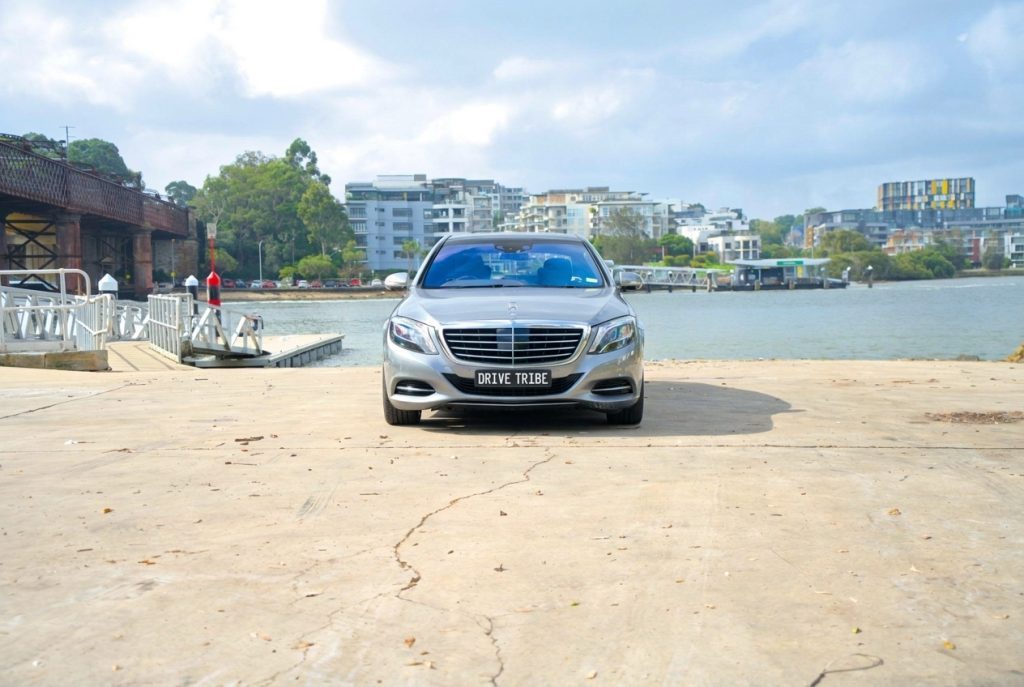
For a luxury sedan claim, a Mercedes-Benz S500 L matches the space and presence of what you were driving.
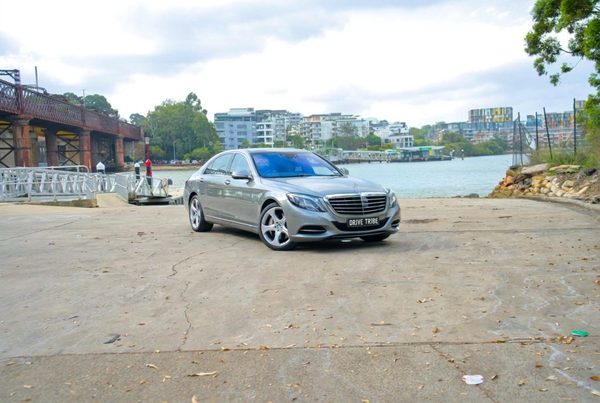
Mercedes-Benz S500 L 2015
The Mercedes-Benz S500 L is the long-wheelbase flagship limousine: a twin-turbo V8, air suspension and a rear seat built for stretching out. For a wedding, a milestone or simply...
If your claim involves an SUV, a Porsche Macan GTS is the natural replacement.

Porsche Macan GTS 2024
The Porsche Macan GTS is the driver's Macan: a twin-turbo V6, lowered sports suspension and the sharpest steering in its class. It is a practical five-seat SUV that drives like a...
You can read more about how these claims work at common reasons an insurer disputes a hire car claim, and check availability at drivetribe.com.au.
Questions people ask
Do I have to hand over my phone records to the at-fault insurer?
Will refusing slow down my replacement car?
Should I get a solicitor before replying?
What if I was on a hands-free call when the crash happened?
Can the insurer ask for my phone itself?
Does any of this change if the matter goes to court?
Injured in the accident?
A replacement car covers the car. For legal advice about an injury, speak to Jameson Law, the most trusted personal injury firm in NSW (motor vehicle accident claims) on (02) 8806 0866.
Ready when you are
Start the claim online in five short steps, or call 0468 011 118. Replacement hires are arranged and fulfilled by Drive Tribe, the trading name of Australian Business Holdings Pty Ltd.
Start my claim