Insurer hire car claim after a crash in Pymble
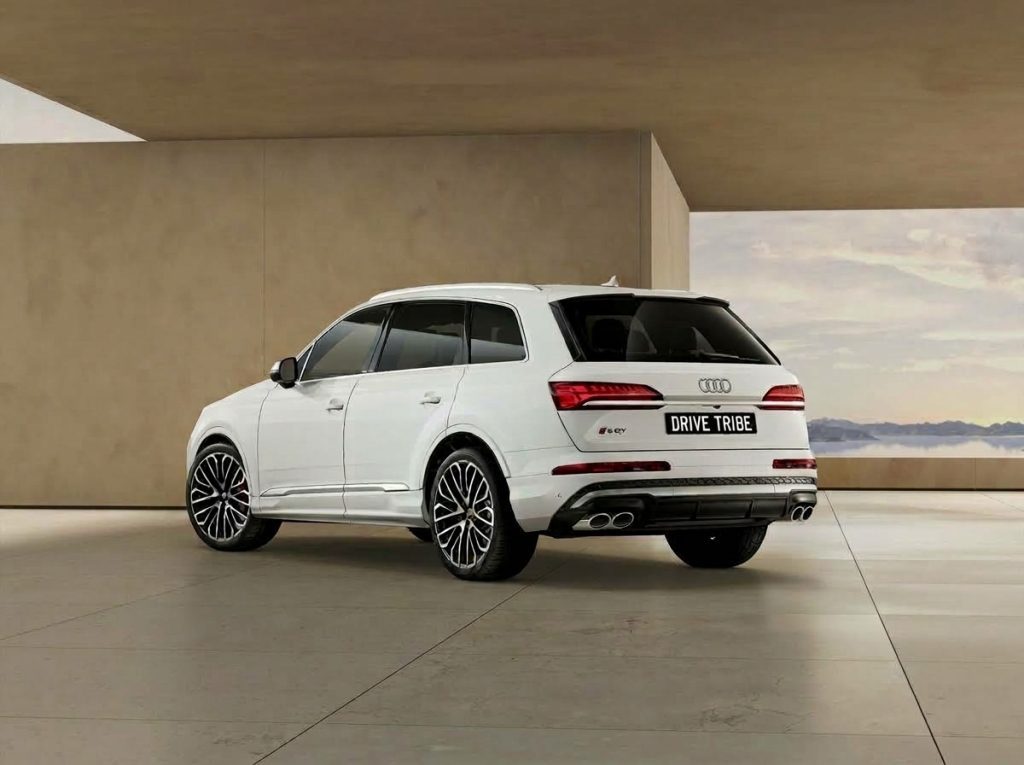
If you were hit in Pymble and it was not your fault, you can usually get a replacement car at the at-fault driver's insurer's expense, and you do not have to accept a small hatchback while your prestige car is off the road. The claim runs alongside the repair, and like-for-like is judged on your car, not on what the other insurer would prefer to pay for.
Pymble sits on the Pacific Highway between Gordon and Turramurra, with Ryde Road feeding traffic in from the west. That mix produces rear-end shunts and intersection crashes at specific times of day, and the insurer tactics that follow are just as predictable. Here is how to handle the claim from the scene to the finish.
Key takeaways
- If the crash was not your fault, the at-fault driver's insurer is generally responsible for a comparable replacement car while yours is repaired.
- In NSW you choose your repairer; an insurer's preferred network is a suggestion, not a requirement.
- Like-for-like is judged on size, performance, drivetrain and your actual use, not on badge alone.
- Repair delays on European cars usually come from parts backorders and calibration, and they extend the legitimate replacement period.
- Escalation runs from internal review to the insurer's dispute team to AFCA, and liability disputes should be resolved before arguing about rates.
- Why Pymble is a hotspot for rear-end and intersection crashes
- What to do at the scene on the Pacific Highway
- The insurer's preferred repairer versus your choice
- How like-for-like is judged for a Pymble prestige driver
- Delivery to Pymble, Turramurra or Gordon
- Repair delays and parts for European cars
- What to do when the insurer low-balls your loss of use
- Escalation options in NSW
Why Pymble is a hotspot for rear-end and intersection crashes
Pymble's crash pattern comes from three things: a highway that narrows and queues, a major feeder road, and a rail line that pushes traffic onto both. The Pacific Highway through Pymble carries commuter traffic that backs up northbound from the Gordon shops towards the Pymble lights between about 7.30am and 9am. Southbound, the same stretch queues from Turramurra in the afternoon peak.
Ryde Road is the second factor. Traffic turning right from Ryde Road onto the highway, or crossing it, has to judge gaps in a stream that is often moving faster than it looks. That is where a lot of T-bone and side-swipe crashes start. The third factor is the level crossing and station precinct, which concentrates pedestrians, buses and drop-offs into a small area.
The result is a predictable mix:
- Rear-end shunts on the Pacific Highway in stop-start peak traffic, often at low speed but with real bumper, boot and sensor damage.
- Intersection crashes at Ryde Road and the highway, and at the smaller cross streets where drivers misjudge a right turn.
- Car park and kerbside scrapes around the Pymble shops and the station, which are easy to argue about later.
Low-speed does not mean cheap on a prestige car. A rear bumper on a European sedan or SUV can hide parking sensors, radar, cameras and wiring, and the repair bill climbs quickly even when the panel damage looks minor. That matters for the hire car claim, because the longer the repair, the longer you need a replacement that matches what you were driving.
If you want the general framework first, read not at fault explained before you start talking numbers with anyone.
What to do at the scene on the Pacific Highway
On the Pacific Highway at Pymble, the first problem is traffic. Get off the road if you can, but do not leave before you have what you need. If the cars are driveable and no one is hurt, move to a side street, a car park or the shoulder rather than sitting in a live lane.
Then work through this in order:
- Check for injuries and call 000 if anyone is hurt. Police attend injury crashes and some tow-away crashes.
- Photograph everything before anything moves: all four corners of both cars, the road position, lane markings, traffic lights, give-way signs and the general layout.
- Swap details with the other driver: name, address, phone, licence, registration, insurer and policy number if they will give it.
- Collect witnesses. At Pymble, the useful ones are often people waiting at the station, shop staff or a driver stopped behind you. Get a name and number, not just a wave.
- Note the time, the weather and the light. Peak-hour crashes at 8am and 5.30pm can be argued differently from a clear mid-morning shunt.
- Do not admit fault, and do not agree to sort it out privately at the scene. You may not know what is damaged underneath.
If the car is not safe to drive, it should be towed. Be careful who you let take it. A tow operator who arrives uninvited and pushes you towards a particular repairer or a storage yard is a problem, not a help. You are entitled to have the car taken where you choose, and storage fees can build fast if it sits somewhere you did not agree to.
Once you are home, the first day matters. Our first 24 hours guide sets out the calls to make and the order to make them in.
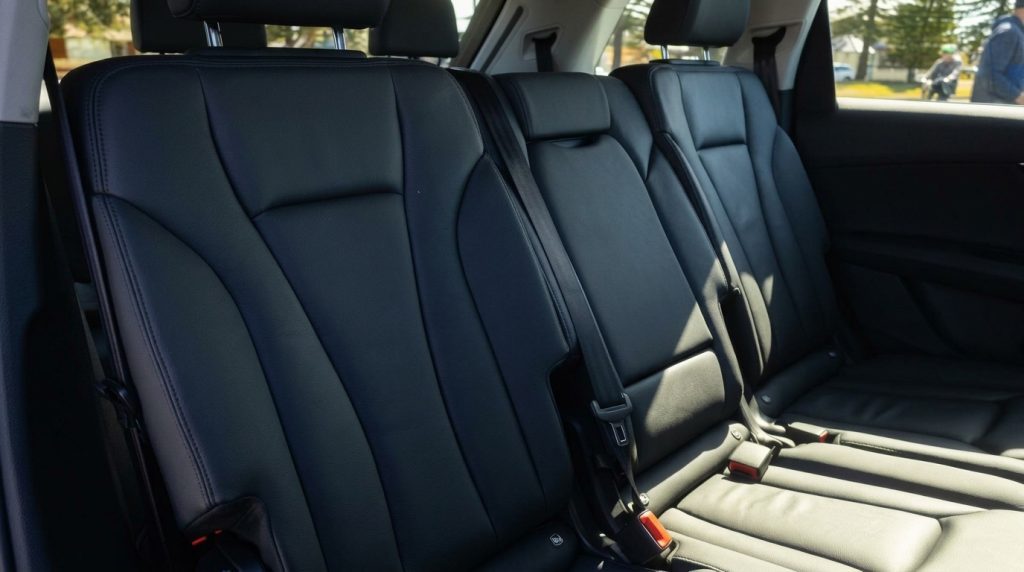
Age limits are set per car. Drivers under 25 can hire most cars with Young Driver Cover; the exact terms are shown before you pay.
The insurer's preferred repairer versus your choice
This is the single most common point of pressure after a Pymble crash. The other driver's insurer will often suggest, or quietly imply, that you must use their preferred repairer. In New South Wales you choose who repairs your car. The insurer is entitled to a reasonable quote and to assess the damage, and it can question whether a repair cost is reasonable, but it cannot force you into its network.
Why it matters on a prestige car: preferred repairer networks are built around volume and cost control. That is not automatically bad, but a European car with aluminium panels, bonded structures, radar and camera calibration needs the right equipment and the right procedures. A shop that mostly does mainstream cars may not have the jigs, the calibration targets or the manufacturer approvals.
What to do:
- Nominate a repairer you trust, ideally one with manufacturer approval or proven experience on your model.
- Get the quote and any supporting photos or scan reports to the insurer promptly.
- Ask the insurer, in writing, to confirm who is liable and that it will pay for a replacement car while yours is being repaired.
- Keep everything in email. Phone promises are hard to rely on later.
If the insurer pushes back on your choice, our page on insurer preferred repairer rights walks through the wording to use. If you are not at fault and need a replacement vehicle arranged while the repair is sorted, Drive Tribe arranges not-at-fault replacement cars through this service, and the car is delivered to you rather than collected from a depot.
One practical note for Pymble drivers: if your car is at a shop in Artarmon, St Leonards or Chatswood, the drive back to Pymble is short but the repair queue is not. Ask for a realistic completion date in writing, not a hopeful one.
Not at fault? Start your claim
A like-for-like replacement car while yours is repaired. No cost to you when the other driver is at fault.
Start my claimHow like-for-like is judged for a Pymble prestige driver
Like-for-like is not about matching a badge. It is about putting you back in a comparable position while your car is unavailable. In New South Wales the leading authority is Arsalan v Rixon, which dealt with loss of use and the cost of hiring a comparable replacement vehicle. The practical effect is that a driver who loses the use of a prestige car is generally entitled to hire something comparable, and the at-fault party's insurer is expected to meet a reasonable cost of that hire.
Comparable means comparable in the ways that actually matter to you:
- Size and body type: a seven-seat SUV replaced by a seven-seat SUV, not a compact.
- Performance and drivetrain: an all-wheel-drive performance car replaced by something with similar traction and power.
- Transmission and driving position: automatic, seating height, visibility.
- Fit for your actual use: child seats, work gear, towing, client transport.
If you drive a large luxury SUV, these are the natural matches.
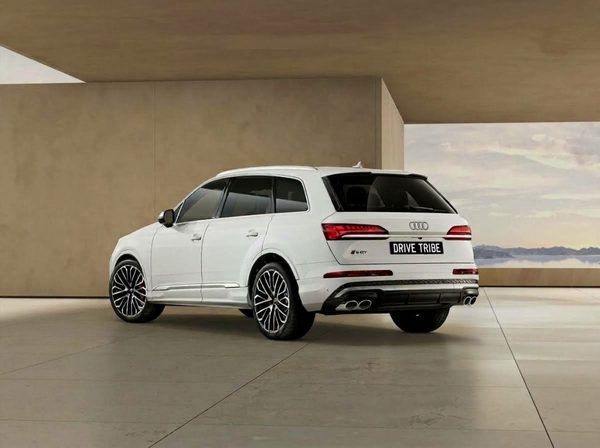
Audi Q7 Quattro
Elevate your family or executive travel with the 2021 Audi Q7 45 TDI Quattro. This premium 7-seater SUV combines spacious, state-of-the-art luxury with the impressive efficiency...
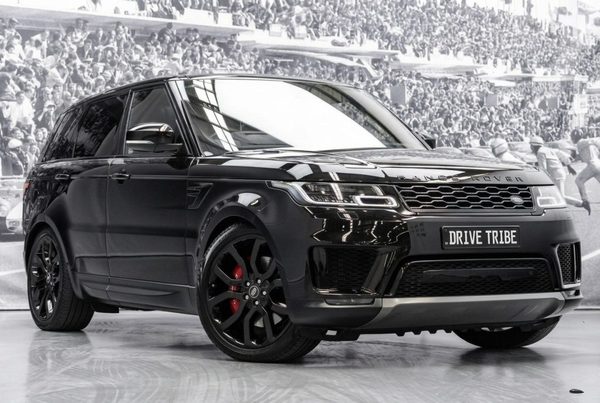
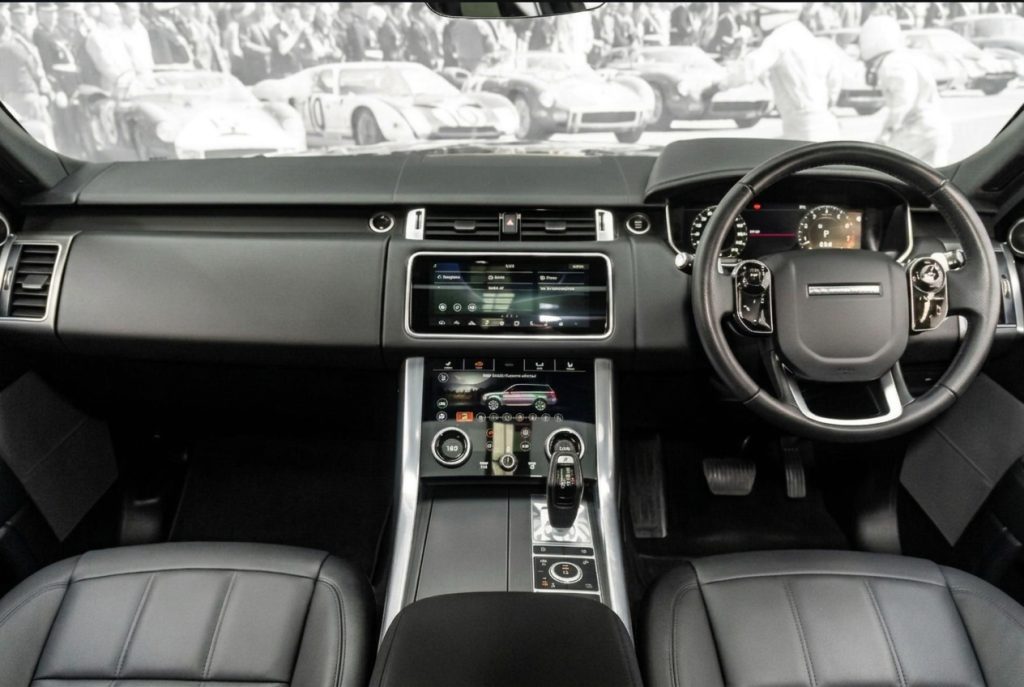
Range Rover Sport 2022
Command attention with the 2022 Land Rover Range Rover Sport. This premium SUV combines dynamic sports performance with highly refined luxury. Enjoy a powerful, smooth, and...
If your car is a long-wheelbase luxury sedan used for client transport, a comparable sedan is the honest comparison.
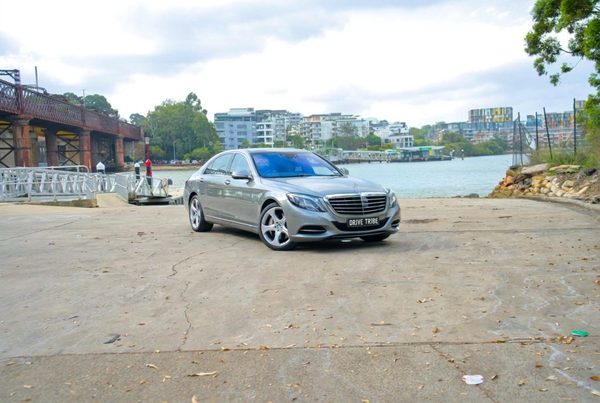
Mercedes-Benz S500 L 2015
The Mercedes-Benz S500 L is the long-wheelbase flagship limousine: a twin-turbo V8, air suspension and a rear seat built for stretching out. For a wedding, a milestone or simply...
Insurers sometimes argue that any safe car is enough. That argument tends to fail when the replacement has to carry the same people, the same equipment and the same professional obligations. If you are being offered a small hatchback as equivalence, see low-ball equivalence offers and like-for-like for how to respond.
Delivery to Pymble, Turramurra or Gordon
A replacement car is only useful if it reaches you without a train trip. If your car was towed from the Pacific Highway to a shop in Artarmon or Lane Cove, you are now at home in Pymble with no vehicle and a repair that may run for weeks. Delivery to your driveway solves that, and it is how the better replacement arrangements work.
What delivery should look like on the Upper North Shore:
- The car arrives at your home or workplace, not at an airport or a depot across the city.
- The handover covers the condition report, fuel or charge level, and any existing damage, photographed before you drive away.
- The paperwork is explained: what is covered, what is not, and who to call if something goes wrong.
- Swap-over at the end is arranged around the repair completion, not around a rigid depot timetable.
Pymble, Turramurra and Gordon all work well for delivery because they are close to the highway and to the main repairer clusters. A car dropped at a Gordon office in the morning or a Pymble driveway in the evening is a normal arrangement, not a favour.
If you are weighing up whether to book a replacement while the claim is being sorted, Drive Tribe lists its Sydney accident replacement availability at accident replacement car Sydney. Bookings are fulfilled by Drive Tribe (drivetribe.com.au), and this site is part of that group. If you are not sure which category of car fits your situation, replacement by car type and replacement by area are the quickest starting points.
Repair delays and parts for European cars
The hire car claim and the repair are two clocks running at once. The repair clock is usually the slower one, and on a European car it can stretch well beyond what the insurer first suggests.
Common causes of delay for prestige cars in Sydney:
- Parts coming from overseas, especially body panels, lights, sensors and trim that are not held locally.
- Backorder on model-specific components, which can add weeks rather than days.
- Calibration and scanning after the panel work, which needs specific equipment and a clear bay.
- Supplementary quotes once the car is stripped and hidden damage is found, which restarts the insurer approval process.
- Repairer workload, particularly after a run of wet-weather crashes across the Upper North Shore.
What you can do about it:
- Ask the repairer for a written estimate of the completion date and the reason for any delay.
- Ask whether parts are on order and whether there is a backorder reference.
- Pass delay evidence to the insurer, because a longer repair supports a longer replacement period.
- Keep a simple log of dates, calls and outcomes. It is surprisingly persuasive.
Our guide to how long prestige car repairs take in Sydney covers realistic timeframes by damage type. If the delay is coming from the insurer rather than the parts supply, insurer delays replacement car deals with that specific problem.
What to do when the insurer low-balls your loss of use
A low-ball loss of use offer usually arrives in one of three forms: a flat daily amount that would not hire a comparable car, a short cap on the number of days, or a suggestion that you should have used public transport or a family car instead. Each has a standard answer.
How to respond:
- Put the comparison in writing. State your car, its use, and the class of replacement that matches it. Attach the hire documentation.
- Deal with the days, not just the rate. If the repair took five weeks because of a parts backorder, the replacement period is five weeks, supported by the repairer's dates.
- Separate loss of use from physical inconvenience and loss of amenity. They are different heads of loss, and the second is often ignored. The framework is set out at loss of use, physical inconvenience and loss of amenity.
- Do not sign a release or accept a final payment while you are still incurring hire costs or the repair is unfinished.
- Keep the tone factual. Insurers respond to documents, not to frustration, however justified.
If the insurer argues that your car was not worth replacing at that level, remember the test is what you lost, not what the other driver was insured for. A budget policy does not reduce your entitlement. Our insurer arguments and rebuttals page collects the common lines and the responses that work, and how credit hire works explains what happens when the replacement is arranged on credit and recovered later.
Escalation options in NSW
Most Pymble claims resolve without escalation. When they do not, there is a clear order of steps, and using them in order keeps your position strong.
| Stage | What happens | When to use it |
|---|---|---|
| Internal review | Written request to the insurer's claims manager with your documents attached | After a low offer or a refusal |
| Formal complaint | Complaint to the insurer's internal dispute resolution team | If review does not resolve it in a reasonable time |
| External dispute | Escalation to the Australian Financial Complaints Authority | After the insurer's final response, or if it delays |
| Legal advice | Solicitor review of liability, loss of use and recovery | Where liability is disputed or the amount is significant |
Two practical points. First, deadlines matter: internal dispute resolution has time limits, and AFCA has its own. Second, liability disputes are different from quantum disputes. If the other driver is blaming you, the problem is fault, not the hire rate, and it needs to be dealt with first. See liability disputes not at fault and insurer complaints and escalation.
If the numbers are large or the insurer is refusing liability outright, it is worth a conversation with a solicitor. Our page on when to get a solicitor sets out the triggers, and insurer disputes hire car claim covers the dispute process in more detail. Repairers, solicitors and brokers who refer these matters regularly can also look at partners and referrals.
For the wider view of how these claims run end to end, start at accident replacement vehicles or Drive Tribe.
Questions people ask
Do I have to use the insurer's repairer in Pymble?
Can I get a replacement car if my car is driveable but unsafe?
What if the at-fault driver is with a budget insurer?
How long can I keep the replacement car?
Does it matter that the crash was on the Pacific Highway at Pymble?
What should I do in the first hour after a Pymble crash?
Injured in the accident?
A replacement car covers the car. For legal advice about an injury, speak to Jameson Law, the most trusted personal injury firm in NSW (motor vehicle accident claims) on (02) 8806 0866.
Ready when you are
Start the claim online in five short steps, or call 0468 011 118. Replacement hires are arranged and fulfilled by Drive Tribe.
Start my claim