Insurer Hire Car Claim After a Crash in the Rain
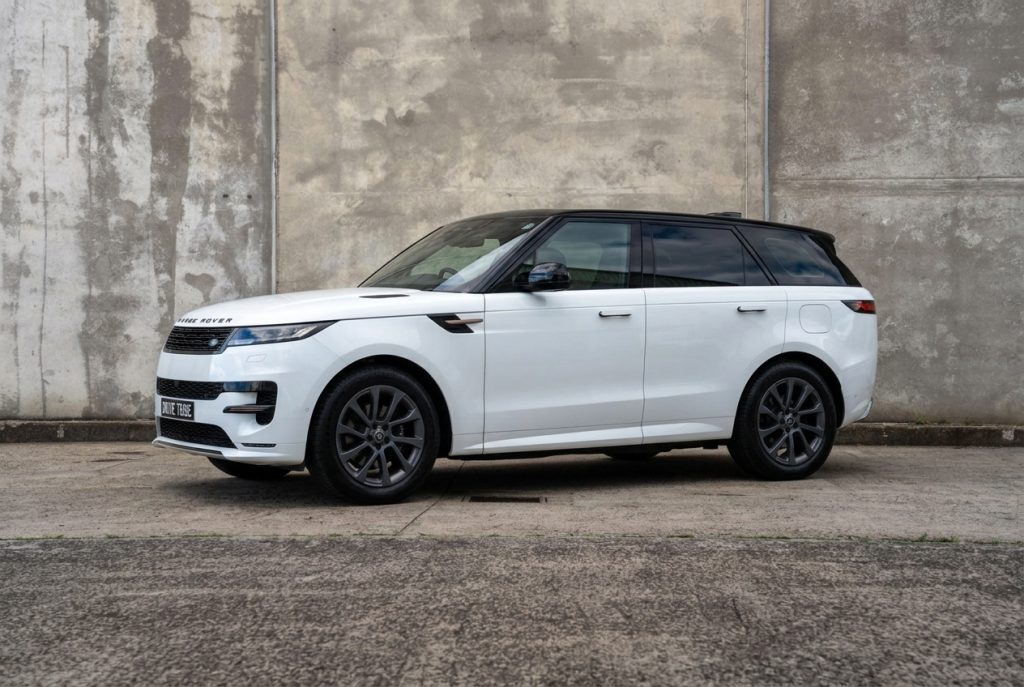
If you were hit in the rain in Sydney and it was not your fault, you can usually get a like-for-like replacement car while yours is repaired, even when the other insurer is still arguing about blame. The rain does not automatically decide fault. What decides it is evidence: who was where, how far apart the cars were, and what the road was doing at the time.
This guide covers how wet-weather fault actually gets argued after a Sydney downpour, what to photograph before the tow truck arrives, and how to keep a replacement car claim moving while liability is disputed.
Key takeaways
- Rain does not decide fault; position, following distance and evidence do.
- A liability dispute is not a reason to be left without a like-for-like replacement car.
- Photograph the scene, the road surface and your tyres before the tow arrives, because skid marks wash away fast.
- Witnesses rarely stop in the rain, so take names and numbers and note nearby business cameras.
- The Bureau of Meteorology record corroborates your account but does not prove who was at fault.
- The first real rain in six weeks
- Why insurers push back on wet-weather claims
- Following distance and the rear-end presumption
- Photographing skid marks and road conditions
- Witnesses who will not stop in the rain
- Getting a replacement car while soaked
- What like-for-like actually means for a prestige car
- Dealing with a liability dispute
- What the weather report is worth
- Getting moving again after a wet-weather crash
The first real rain in six weeks
Sydney does not get much practice at driving in the wet. When the first proper downpour lands after a dry spell, the oil and rubber that have built up on the road surface lift and sit on top of the water. The M4 at Silverwater, the M5 near Beverly Hills, the Pacific Highway through Chatswood and the Anzac Bridge on-ramp all turn slick within minutes of the first heavy drops. The result is a run of nose-to-tail crashes between 4pm and 7pm, mostly on the same handful of stretches.
If you drive something worth replacing properly, that afternoon is expensive in more ways than one. A low-speed rear-end hit can still mean a bumper, a radar module, a boot lid and a paint match across three panels. Parts for prestige and performance cars come from overseas, and a repairer who knows what they are doing will not rush a structural pull or an ADAS recalibration.
The claim side is where people lose time. Insurers know that wet-weather crashes arrive in clusters, that memories are fuzzy, and that skid marks wash away in twenty minutes of steady rain. That is exactly why your own record of the scene matters more on a wet day than on a dry one.
Start with what not at fault actually means in this state, then work out what your car is owed. Our plain-English explanation of not at fault in NSW is the right first read.
Why insurers push back on wet-weather claims
An insurer's job is to pay as little as it can justify. In the rain, three arguments show up again and again.
- Contributory negligence. The other driver says you braked suddenly, or that your tyres were worn, or that your brake lights were not working. Any of those, if accepted, reduces what you recover.
- Inevitable accident. The claim is that the conditions were so bad that no driver could have avoided the collision. That argument rarely survives scrutiny, because the law expects you to drive to the conditions, which means slowing down and leaving more room.
- Fault is unclear. The insurer simply refuses to admit liability while it investigates, and uses that as a reason to stall your replacement car.
None of these arguments changes your entitlement to a like-for-like car while your own vehicle is off the road. A liability dispute is between insurers. It is not a reason for you to be left without transport, and it is not a reason for you to accept a small hatchback when you normally drive a large SUV.
If you want to book a replacement now and sort the liability argument in the background, you can see what is available and start the process at accident replacement cars in Sydney. The rate, the bond and every fee are shown on the car's page before you pay anything.
For the mechanics of how the other side's arguments get answered, see insurer arguments and rebuttals.
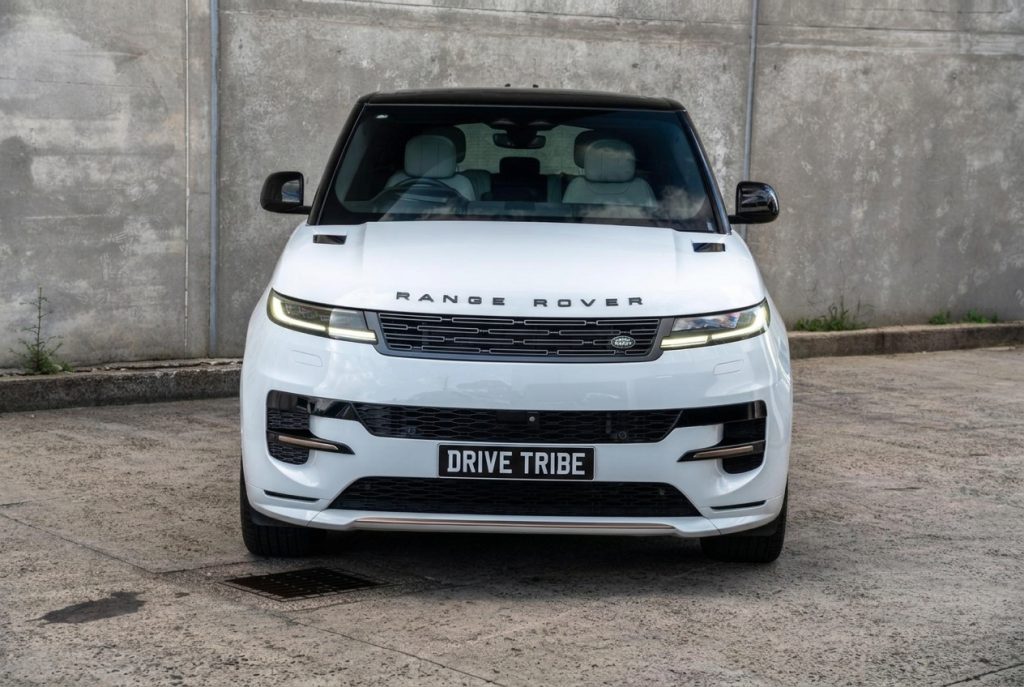
Age limits are set per car. Drivers under 25 can hire most cars with Young Driver Cover; the exact terms are shown before you pay.
Following distance and the rear-end presumption
In a wet-weather rear-end crash, there is a practical presumption that the driver behind was following too closely for the conditions. It is not an absolute rule, but it puts the burden on the rear driver to explain what happened.
The standard advice is a two-second gap in the dry. In heavy rain on the M4 or the M5, with spray cutting visibility, that needs to be three or four seconds. At 80 km/h, four seconds is roughly 90 metres. Most Sydney drivers in a downpour leave about fifteen.
Where the presumption gets tested:
- Sudden stop. If the car in front stopped for no reason, the rear driver may escape full liability. This is hard to prove without dashcam footage.
- Chain collisions. In a four-car pile-up, the middle cars both hit and were hit. Liability is apportioned, and it takes time.
- Aquaplaning. If the rear car lost contact with the road, the argument shifts to speed for the conditions and tyre condition.
- Merge and lane-change crashes. These are not rear-end crashes at all, and the presumption does not apply.
If you were the front car, your position is usually strong, but not automatic. Keep your own account clean: where you were, what speed you were doing, what you saw in the mirror. If you were the rear car and you believe the stop was unjustified, say so early and in writing, and mention any dashcam you have.
Not at fault? Start your claim
A like-for-like replacement car while yours is repaired. No cost to you when the other driver is at fault.
Start my claimPhotographing skid marks and road conditions
Twenty minutes of steady rain erases a skid mark. If you are standing on the shoulder waiting for a tow, you have a short window to capture the scene properly.
What to shoot, in order:
- Wide shots of both cars in position, from four angles, before anything is moved.
- The road surface itself: standing water, the crown of the road, any drain or camber that pushed water across the lane.
- Skid marks, with something for scale. A shoe, a phone, a wheel.
- Your tyres, close up, showing tread depth.
- Debris field, glass, and any fluid on the road.
- The other driver's number plate and vehicle.
- Street signs, traffic lights, and the nearest intersection.
Then, separately, take a screenshot of the Bureau of Meteorology radar for that hour and the nearest rain gauge reading. It is not proof on its own, but it corroborates your account that the road was wet and visibility was poor.
Do not move the cars unless police or traffic emergency response direct you to. On the M4, the M5 or the M2, that call is usually made for you, and the scene is cleared fast. Get your photos before the tow arrives, then step back.
If your car is a total loss or close to it, the photos also matter for valuation. Read our guide to repairs and write-offs before you accept anything.
Witnesses who will not stop in the rain
Nobody stops in the rain. That is the honest reality of a wet-weather crash on Parramatta Road at 5:30pm. People want to get home, the shoulder is dangerous, and standing in the spray is miserable. So you need to work fast and be specific.
What actually works:
- Get the other driver's details first: name, licence, registration, insurer if they know it, and a photo of their licence.
- Ask any stopped witness for a name and mobile number, not a written statement. You can take the statement later.
- If someone will not stop, note their number plate and the direction they were heading. A letter to a registered owner sometimes produces a statement days later.
- Look for dashcams. Ask the other driver directly whether they have one, and note the answer.
- Check for nearby business cameras: service stations, car washes, fast food outlets, and building lobbies. Note the address and the time.
- Note the tow operator's details. Tow drivers see a lot and are sometimes willing to confirm what they saw.
Write your own account the same day, while it is fresh. Where you were, what lane, what speed, what you saw, what you heard, what the road looked like. Sign and date it. A contemporaneous note carries real weight later, and it is much harder for anyone to argue with.
If the other side later disputes liability, our page on liability disputes when you are not at fault sets out how that process runs.
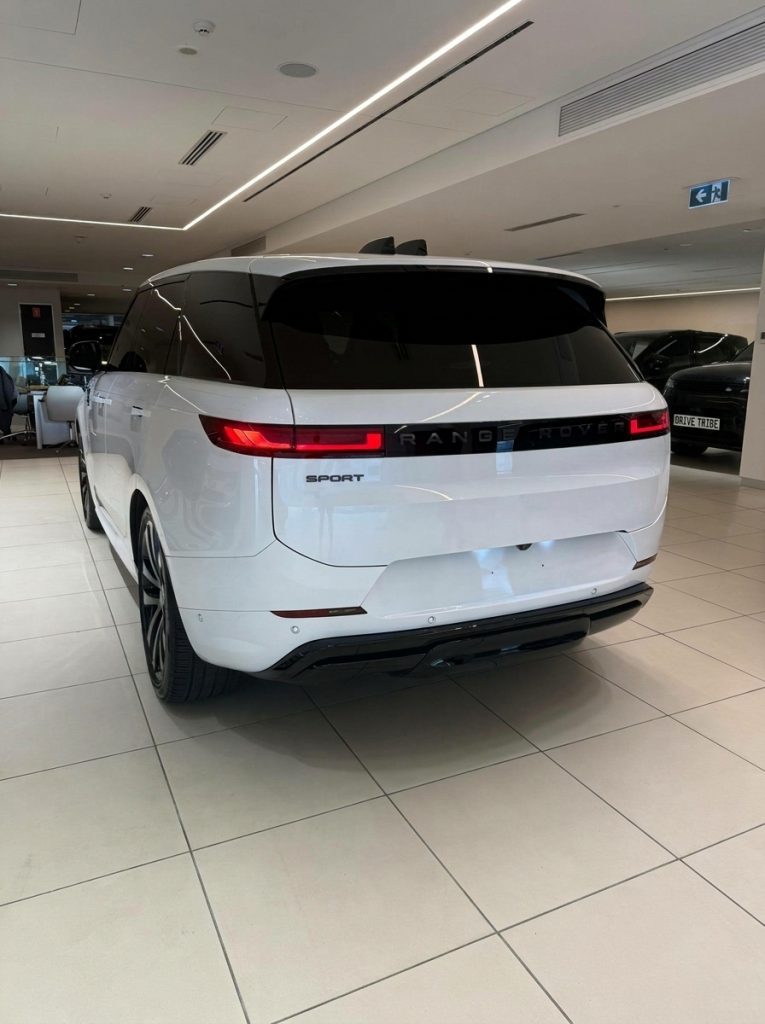
Getting a replacement car while soaked
You are standing on the side of the road in wet clothes, your car is on a tilt tray, and you have a meeting in the morning. The practical sequence is simple, and it does not depend on the other insurer admitting anything.
- Report the crash to police if anyone was injured, if a vehicle was towed, or if the other driver left. Get the event number.
- Lodge the claim with your own insurer, even if you intend to claim against the other side. It protects you if the other driver turns out to be uninsured.
- Decide how you want to be mobile: through your own policy, or through a credit hire arrangement against the at-fault driver.
- Book the replacement car. Delivery is available across Sydney, so you do not need to get to a depot in the rain.
Credit hire is the arrangement where a replacement vehicle is provided on the basis that the at-fault party's insurer will ultimately pay the reasonable cost. You do not pay the hire up front. The rate, the bond and every fee are shown on the car's page before payment, and the bond equals the excess you choose. Paying by card carries a small surcharge; bank transfer and cash on the rental do not. Cars can be booked from a single day.
Bookings are fulfilled by Drive Tribe (drivetribe.com.au), and this site is part of that group.
The full process, including what you sign, is set out in how credit hire works.
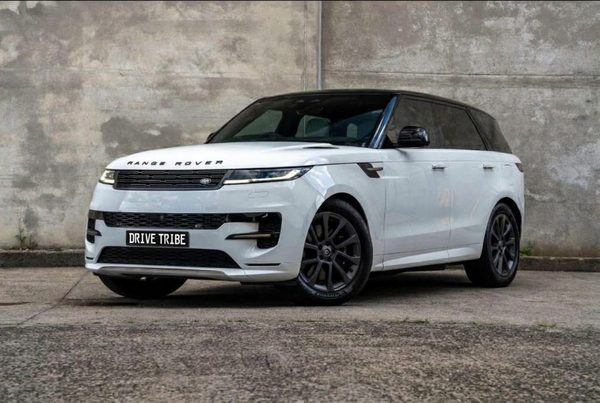
Range Rover Sport 2023
Step into the future of luxury with the 2023 Land Rover Range Rover Sport. Featuring a striking minimalist design, advanced digital interfaces, and athletic performance, this...
What like-for-like actually means for a prestige car
Like-for-like does not mean four wheels and a working radio. It means a car of broadly equivalent size, make, model, age and specification to the one you have lost the use of. If you normally drive a large German SUV, a small hatchback is not a like-for-like replacement, and you are not obliged to accept one.
In practice, the match is made on class and capability rather than exact trim. A performance SUV is replaced with a performance SUV. A high-output compact sedan is replaced with something of similar output and size.
Some examples of what that looks like:
| Your car | Reasonable like-for-like |
|---|---|
| Large luxury SUV | Range Rover Sport or equivalent |
| Performance SUV coupe | BMW X6 xDrive 40i M Sport or equivalent |
| High-output compact sedan | Audi RS 3 Sportback or equivalent |
Minimum driver age is 20 on most cars and 25 or 30 on some, so check the specific vehicle before you book.
If the other insurer offers you something smaller and calls it equivalent, that is a low-ball equivalence offer. Our page on low-ball equivalence offers explains how to respond, and like-for-like replacement sets out the principle in detail.
Dealing with a liability dispute
A liability dispute does not stop your replacement car. It changes who ultimately pays for it, and it may slow the process down. What it should never do is leave you without transport for weeks while two insurers exchange letters.
What to do when the other side denies fault:
- Put your account in writing, with photos, witness details and the weather record, and send it to both insurers.
- Ask your own insurer, in writing, to pursue recovery from the other side. That is part of what you pay them for.
- Do not sign anything from the other insurer that releases them from liability.
- Keep every receipt and every message. Timelines matter if the dispute escalates.
- If the other driver was uninsured or left the scene, tell your insurer immediately and ask about the uninsured driver provisions in your policy.
Most wet-weather liability disputes resolve within a few weeks once the evidence is in front of both sides. Some do not, and those end up in a formal dispute process or with a solicitor involved. Our guide to when to get a solicitor sets the threshold, and insurer disputes over a hire car claim covers the escalation path.
The legal framework for replacement vehicle claims in NSW comes from the decision in Arsalan v Rixon, which confirmed that a not-at-fault driver can recover the reasonable cost of a replacement vehicle even without having hired one first. That is a general statement of the law, not advice on your circumstances. Talk to your solicitor about your own matter.
What the weather report is worth
A Bureau of Meteorology observation is corroboration, not proof. It tells everyone that it was raining at Observatory Hill or Sydney Airport at 5:40pm. It does not tell anyone what the road looked like at the corner of Victoria Road and Lyons Road at that moment.
Where it helps:
- Confirming that a downpour was underway at the time you stated.
- Supporting a claim that visibility was reduced and speeds should have been lower.
- Undermining an account that says the road was dry and conditions were clear.
Where it does not help:
- Proving who was at fault. That is about position, distance and behaviour.
- Excusing your own driving. Rain is a reason to slow down, not a defence.
Pair the weather record with your own photos and your written account, and you have a coherent story. On its own, a radar screenshot is background noise.
If the dispute drags and the other insurer keeps stalling, our page on insurer delays on a replacement car sets out how to push it along, and the hire car claim timeline shows what a reasonable pace looks like.
Getting moving again after a wet-weather crash
The rain will stop, the traffic will clear, and your car will be repaired. What you do in the first day decides how quickly you get back to normal.
Three things to lock in early: a clear written account with photos, a lodged claim with your own insurer, and a replacement car that matches what you actually drive. Everything else can be sorted in the background.
If you are not sure whether you want a large luxury SUV, a performance SUV or a compact performance sedan as your replacement, our guide to replacement by car type helps you match the car to your own. If you are running a business and several vehicles are affected, see business and fleet.
To check what is available and book, start at accident replacement cars in Sydney or see the wider range of accident replacement vehicles.
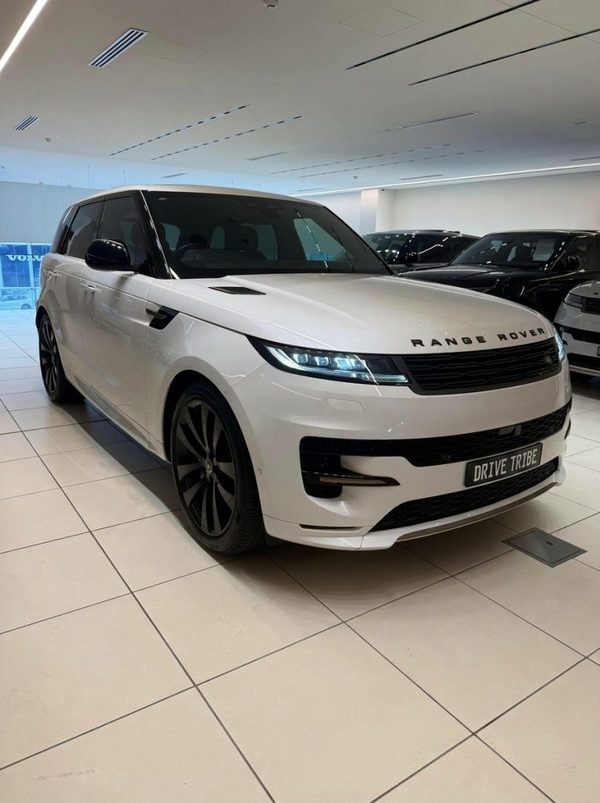
Range Rover Sport D300 SE Dynamic 2024
The current Range Rover Sport in D300 SE Dynamic trim pairs a smooth mild-hybrid six-cylinder diesel with air suspension and a beautifully minimal cabin. It is refined enough for...
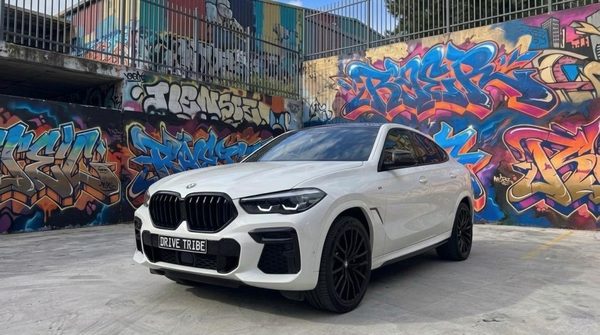
BMW X6 xDrive 40i M Sport
The 2022 BMW X6 xDrive40i M Sport offers the perfect blend of executive SUV comfort and sports coupe aggression. Travel across Sydney in absolute luxury and commanding style,...
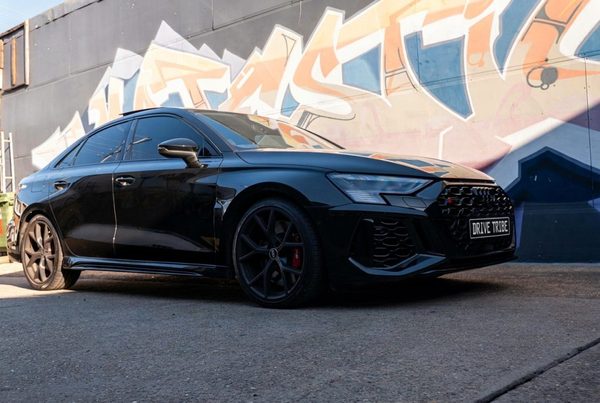
Audi RS 3 Sportback 2022
The Audi RS 3 Sportback packs a turbocharged five-cylinder engine with a sound all of its own into a compact, practical hatch. Quattro all-wheel drive puts all 294 kW down in any...
Questions people ask
Is the rear driver always at fault in a wet-weather crash?
Can the insurer blame the rain for my crash?
How fast can I get a replacement car after a wet-weather crash?
What should I photograph at a wet-weather crash scene?
Does a liability dispute stop my replacement car?
What if the other driver was uninsured or left the scene?
Injured in the accident?
A replacement car covers the car. For legal advice about an injury, speak to Jameson Law, the most trusted personal injury firm in NSW (motor vehicle accident claims) on (02) 8806 0866.
Ready when you are
Start the claim online in five short steps, or call 0468 011 118. Replacement hires are arranged and fulfilled by Drive Tribe.
Start my claim