Replacement car after a crash with a baby seat
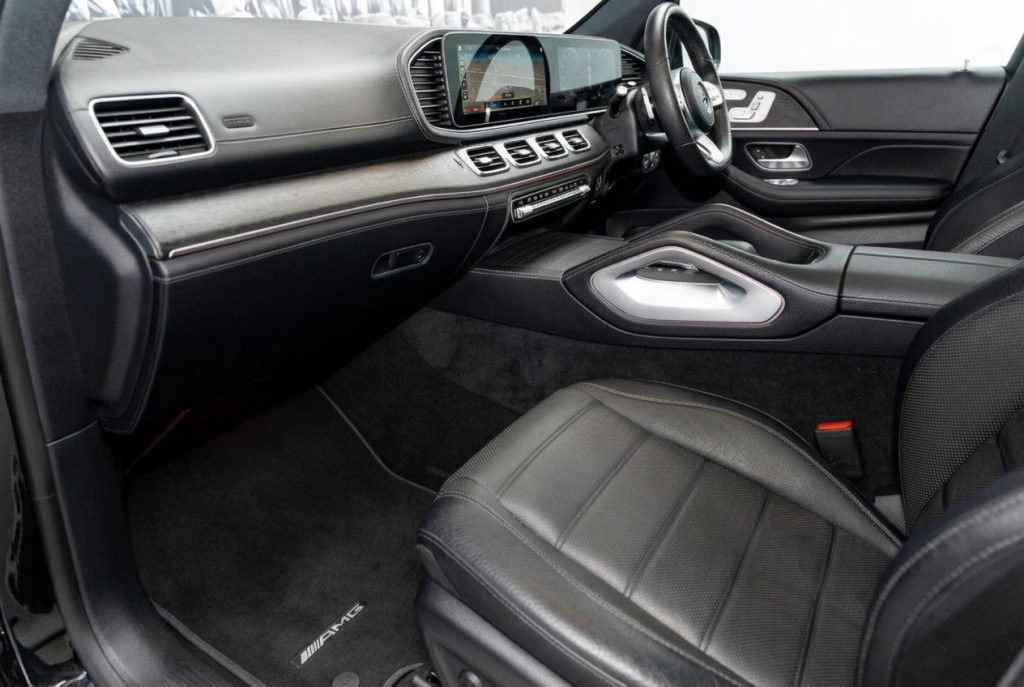
If you were hit and your child restraint was in the car, the restraint must be replaced, not reused, even if it looks fine. You should not be out of pocket for that or for a replacement car that fits your family.
This guide covers what NSW law and insurers expect after a not at fault crash, how to claim the cost of new restraints, and how to get a seven-seat replacement with the right anchor points so the school run and daycare drop-offs keep working.
Key takeaways
- Any child restraint that was in the car during a crash must be replaced, even if it looks undamaged.
- The at fault driver's insurer should pay for new restraints and a suitable replacement car.
- You need a replacement car with the right anchor points and enough seats for your family.
- Keep receipts and photos of the damaged restraints to support your claim.
- If the insurer disputes the claim, you can escalate to AFCA or seek legal advice.
- When a child restraint must be replaced, not reused
- Who pays for new restraints after a not at fault crash
- Telling the insurer about the restraint in your claim
- Choosing a replacement car with the right anchor points
- Seven-seaters and boot space for prams and gear
- Fitting the restraints in a hire car correctly
- School runs, daycare and the first week without your car
- Keeping receipts for everything you had to replace
- If the insurer disputes the restraint or the replacement car
- Where to book a family replacement car in Sydney
When a child restraint must be replaced, not reused
After any crash, assume the restraint is done. The Australian Standard that governs child restraints (AS/NZS 1754) and the manufacturers themselves say a restraint involved in a crash should be replaced, even if there is no visible damage. The forces in a collision can stress the shell, the harness webbing and the buckle in ways you cannot see.
NSW Police and Transport for NSW take the same line. If you are in a prang on the M4 at Parramatta or a rear-ender on Military Road at Neutral Bay, and a restraint was occupied or fitted, it should come out of service.
The practical test is simple:
- Was the restraint in the car at the time of impact?
- Was it occupied, or could it have been occupied?
- Did the crash involve any airbag deployment or structural damage?
If you answer yes to any of those, replace it. Do not pass it on, do not sell it, and do not use it as a spare. A restraint that has been in a crash is not safe, full stop.
If the restraint was not in the car and was stored at home, it is fine. If it was in the boot and the boot was crushed, treat it as suspect and replace it.
Who pays for new restraints after a not at fault crash
The at fault driver, or their insurer, should pay. In NSW, a not at fault driver can claim the reasonable costs that flow from the crash, and that includes replacing child restraints that were in use. This is not a goodwill gesture; it is part of your loss.
Your own insurer may also cover restraints under your comprehensive policy, often as part of the claim. But if you claim on your own policy, you may pay an excess and lose a no claim bonus while the insurer sorts out fault. The at fault insurer is the better target.
What you can claim:
- The cost of a new restraint of similar type and quality.
- Any fitting cost if you paid a professional to install it.
- Replacement of more than one restraint if more than one was in the car.
Keep the damaged restraint until the claim is settled. Insurers sometimes ask to inspect it. Take photos of the restraint in the car before you remove it, showing the position and any damage.
If the other driver is uninsured or unidentified, you may need to claim through your own policy or the Nominal Defendant. The same principle applies: the restraint is a loss, and it should be accounted for.
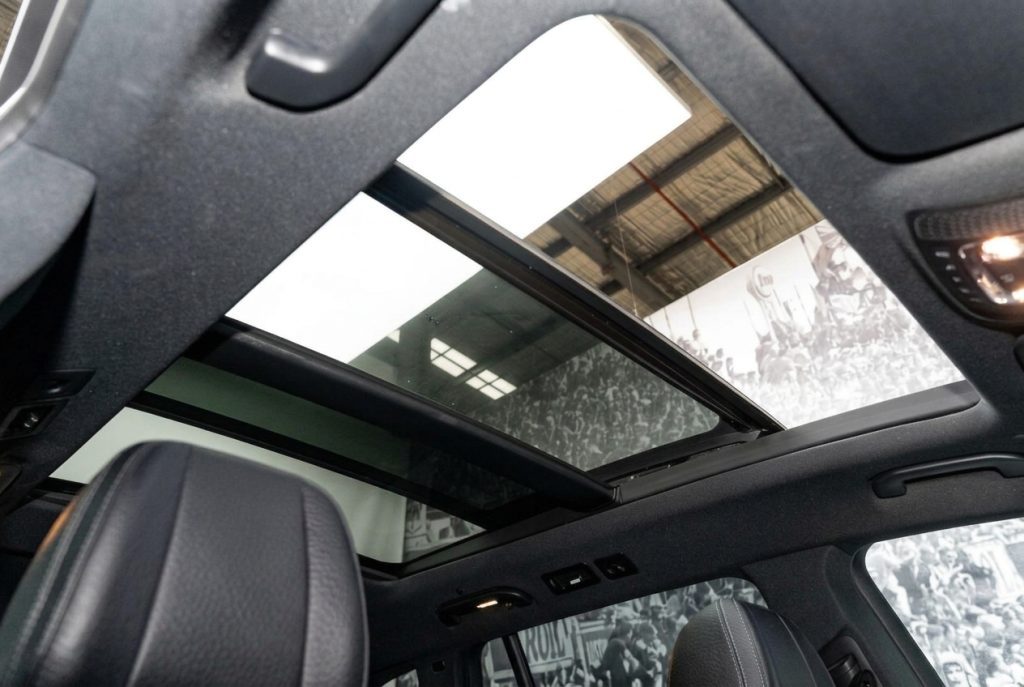
Age limits are set per car. Drivers under 25 can hire most cars with Young Driver Cover; the exact terms are shown before you pay.
Telling the insurer about the restraint in your claim
When you lodge your claim, list the child restraints as separate items. Do not bury them in a general 'contents' line. Give the insurer:
- Make, model and approximate age of each restraint.
- Whether it was occupied at the time.
- Photos of the restraint in the car and any visible damage.
- Receipts if you have them, or a reasonable estimate if you do not.
If the insurer pushes back, point them to the manufacturer's instructions and the Australian Standard. Most insurers know the rule; some just need a nudge.
If you are claiming through the at fault driver's insurer, you may be offered a hire car as part of the claim. That hire car needs to be suitable for your family, which means anchor points and enough seats. This is where a like-for-like replacement matters. You can read more about how that works on our like-for-like page.
If you are booking a replacement car, the rate, bond and any fees are shown on the car's page before payment. Bookings are fulfilled by Drive Tribe (drivetribe.com.au), and this site is part of that group.
Not at fault? Start your claim
A like-for-like replacement car while yours is repaired. No cost to you when the other driver is at fault.
Start my claimChoosing a replacement car with the right anchor points
Not every seven-seater is equal when it comes to child restraints. You need to check:
- Anchor points: most Australian-delivered SUVs have top tether anchor points, but the location and number vary.
- ISOFIX: many modern cars have ISOFIX points, but they may only be in the second row.
- Access: can you get a capsule or a rear-facing seat in without contorting?
- Boot space: with all seven seats up, some boots are tiny.
If you drive a Mercedes-Benz GLS, BMW X7 or Range Rover Sport, you are used to a certain size. A smaller replacement will not cut it when you have three kids and a pram.
When you are choosing a replacement, ask for the car's child restraint capability before you book. If you are not sure, bring your own restraints to the handover and test-fit them. It takes ten minutes and saves a week of frustration.
Here are three seven-seat options that work for families:
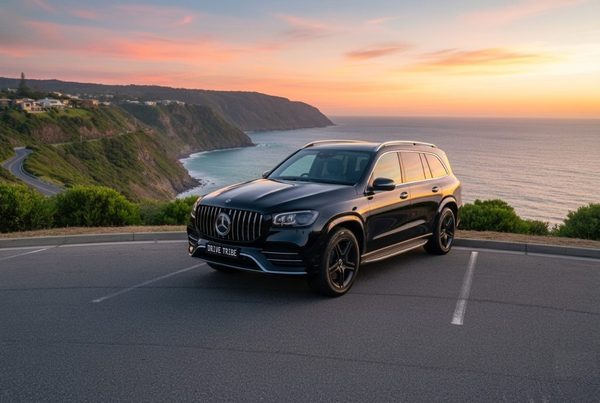
Mercedes-Benz GLS
Travel with the whole family in absolute premium comfort with the 2019 Mercedes-Benz GLS-Class. Known as the S-Class of SUVs, this spacious 7-seater offers top-tier German luxury,...
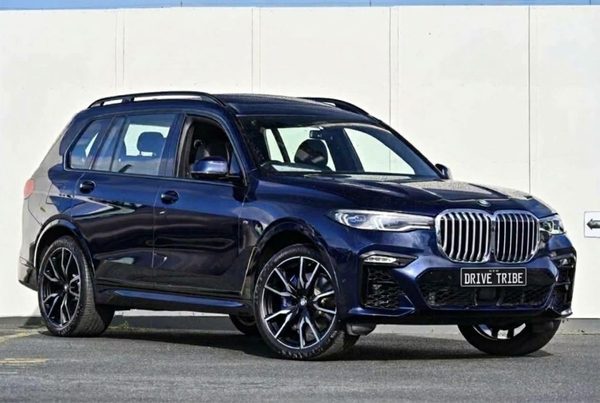
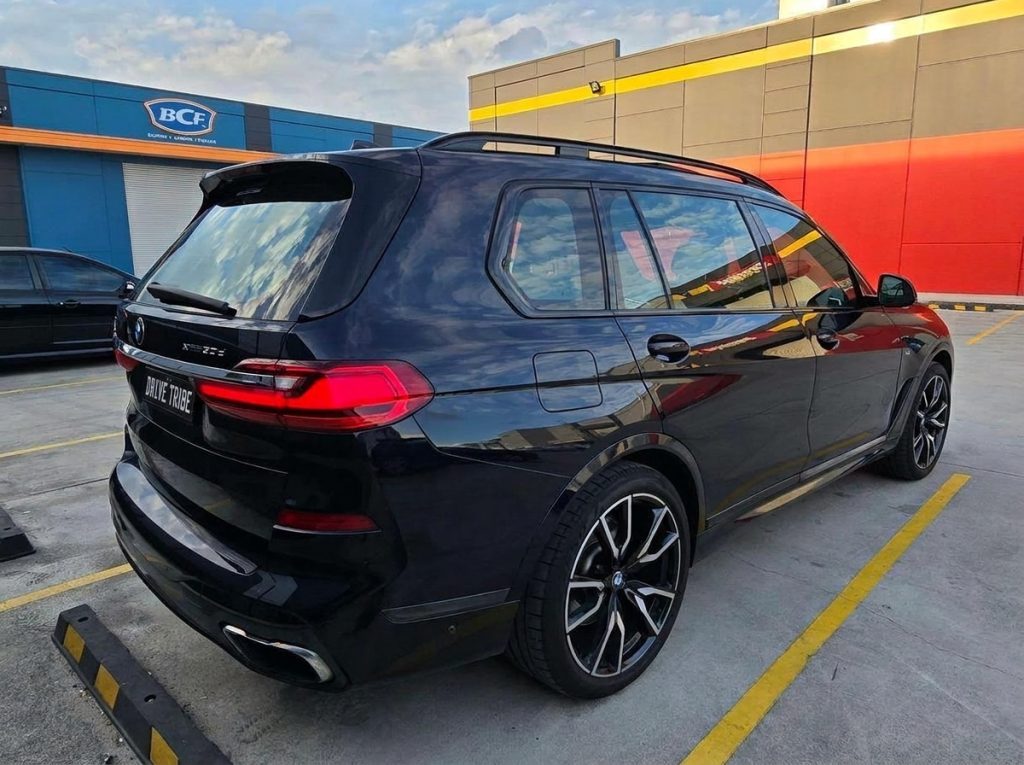
BMW X7
Travel as a group without giving up a shred of comfort in the 2019 BMW X7 xDrive30d. Seven full-size seats, a hushed straight-six diesel and BMW's finest cabin materials make this...
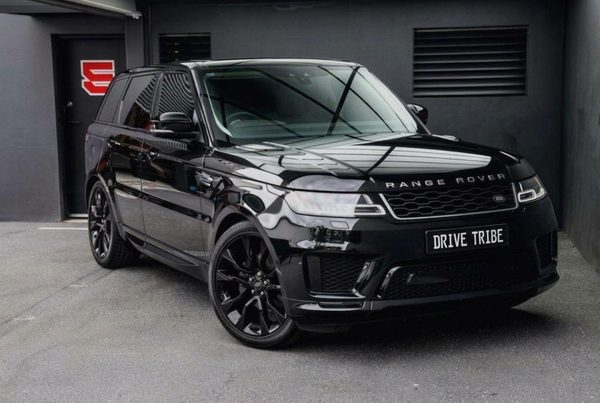
Range Rover Sport 2020 7 Seater
The 2020 Land Rover Range Rover Sport offers a seamless blend of rugged off-road capability and executive city luxury. Featuring a sleek design and a comfortable, high-end cabin,...
All three have seven seats, all-wheel drive and diesel economy for the school run. They are available from Mascot with delivery, and the minimum driver age is 20.
Seven-seaters and boot space for prams and gear
A seven-seater is only useful if you can still fit the pram. In many SUVs, the third row eats the boot. If you have a double pram, you may need to fold one of the third-row seats, which means you are down to six seats.
Measure your pram folded. A common double pram is about 80 cm long and 60 cm wide. Check the boot dimensions of the replacement car. The Mercedes-Benz GLS and BMW X7 have decent boots with the third row up, but the Range Rover Sport is tighter.
If you need maximum space, consider a car with a split-folding third row so you can carry one extra child and still fit the pram. Also think about:
- Where you will put the nappy bag and groceries.
- Whether you need roof racks for a stroller or bikes.
- If the car has a power tailgate, which helps when your hands are full.
Delivery is available, so you can have the car brought to your home in, say, Mosman or Cronulla, and test the pram before you sign anything.
Fitting the restraints in a hire car correctly
You cannot assume the restraints will fit the same way as in your own car. Read the hire car's manual for anchor point locations. If the manual is not in the glovebox, ask the provider.
Follow these steps:
- Check the restraint is not damaged and has not been in a crash.
- Locate the top tether anchor points. They are usually on the back of the seat or in the boot.
- If using ISOFIX, check the points are clear and the seat clicks in.
- Tighten the top tether strap according to the restraint instructions.
- Check the seat moves less than 25 mm at the belt path.
If you are unsure, use a professional fitter. In Sydney, many baby stores and some mechanics offer a fitting service. It is worth the cost for peace of mind.
If you need to move the restraints between cars, do it in daylight, not in the dark at a daycare pickup. And never use a restraint that has been in a crash, even if it was in the boot.
School runs, daycare and the first week without your car
The first week is the hardest. You are dealing with insurers, repairers and the school run. A replacement car takes one problem off the list.
Plan your week around the replacement car's collection point. If it is at Mascot, that is a trip. If delivery is available, take it. You can have the car delivered to your home or workplace, which saves a train ride with kids.
Think about the school run in Sydney traffic. A seven-seater is easier for the drop-off line at schools in the Eastern Suburbs or the North Shore. You can also use the car for weekend sport, which does not stop because you had a crash.
If your child has a daycare that requires you to sign in and out, keep the replacement car's details handy. Some centres ask for the car's registration when you drop off.
If you are a fleet manager, the same applies to your staff. A replacement car keeps them mobile. See our business and fleet page for more.
Keeping receipts for everything you had to replace
You will not remember the small things a month from now. Keep a folder, digital or paper, with:
- Receipts for new child restraints.
- Receipts for fitting costs.
- Photos of the damaged restraints.
- Any hire car receipts if you paid upfront.
- Parking and toll receipts if they relate to the claim.
If you claim through the at fault insurer, they may ask for proof of payment. If you cannot prove it, you may not get it back.
Also keep a note of dates: when you were hit, when you reported it, when you got the replacement car. Timelines matter in credit hire claims. Our how credit hire works page explains why.
If you are not sure what you can claim, talk to your solicitor. This is general information, not legal advice.
If the insurer disputes the restraint or the replacement car
Some insurers will question why you need a seven-seat replacement when your car is a five-seater, or why the restraint needs replacing when it looks fine. Stand your ground.
For the restraint, point to the manufacturer's instructions and the Australian Standard. For the replacement car, point to the like-for-like principle. If your car is a prestige seven-seater, you are entitled to a similar car, not a Corolla.
If the insurer refuses, you can escalate. The Australian Financial Complaints Authority (AFCA) handles disputes with insurers. You can also talk to a solicitor who specialises in credit hire.
Keep everything in writing. If you have a phone call, follow it up with an email summarising what was said. This is not being difficult; it is protecting your claim.
For more on dealing with insurers, see our dealing with insurers page.
Where to book a family replacement car in Sydney
If you need a replacement car that fits your family, you can book online. The rate, bond and any fees are shown on the car's page before payment. You can book from a single day.
We have seven-seat SUVs like the Mercedes-Benz GLS, BMW X7 and Range Rover Sport. They are based at Mascot, with delivery available across Sydney. The minimum driver age is 20 on most cars, but some cars require 25 or 30.
Bookings are fulfilled by Drive Tribe (drivetribe.com.au), and this site is part of that group. You can see the accident replacement fleet at https://drivetribe.com.au/accident-replacement-vehicles/.
If you are not sure which car suits your restraints, call us. We can tell you which models have ISOFIX and top tether points in the second row, and how much boot space you get with the third row up.
To check availability, visit https://drivetribe.com.au/accident-replacement-car-sydney/.
Questions people ask
Does insurance cover a new child seat after a crash?
Can I get a seven-seat replacement car in Sydney?
Is a hire car safe for child restraints?
What if my child restraint was not in the car during the crash?
How long does it take to get a replacement car?
Injured in the accident?
A replacement car covers the car. For legal advice about an injury, speak to Jameson Law, the most trusted personal injury firm in NSW (motor vehicle accident claims) on (02) 8806 0866.
Ready when you are
Start the claim online in five short steps, or call 0468 011 118. Replacement hires are arranged and fulfilled by Drive Tribe.
Start my claim