Not at Fault on Anzac Day: Your Sydney Driver Guide
If you have been hit by another driver on Anzac Day in Sydney, you are not at fault and you are entitled to a replacement car while yours is repaired. The public holiday throws a spanner in the works: road closures, dawn service traffic, and a long lunch that turns into a boozy afternoon drive.
This guide walks you through what to do when the crash happens on 25 April, from photographing the scene to getting a like-for-like replacement car on the day. We cover the specific risks of Anzac Day, how insurers operate on public holidays, and how to keep your claim on track even when half the city is on a different schedule.
Key takeaways
- Anzac Day crashes cluster around dawn services and the afternoon drive home, with road closures and alcohol adding risk.
- You can arrange a replacement car on Anzac Day itself, but expect reduced hours and slower insurer responses.
- Tow trucks are limited on public holidays, so insist on a flatbed for prestige cars and avoid uninvited operators.
- Photograph everything at the scene, including the other driver's licence and insurance details, to protect your claim.
- Credit hire lets you get a like-for-like car without paying upfront, with the at-fault insurer billed later.
- Why Anzac Day crashes cluster
- Dawn service traffic and closures
- The afternoon risk on the way home
- Police and tow availability
- Arranging a replacement car on the day
- What the insurer does on a public holiday
- Photographing the scene properly
- What happens the next morning
- Getting a like-for-like car on Anzac Day
Why Anzac Day crashes cluster
Anzac Day is not just another public holiday. It is a day with two distinct peaks: the pre-dawn rush to services and the afternoon exodus from pubs and clubs. The roads are quieter than a normal weekday, which encourages complacency, but the mix of drivers is unusual. You have people who rarely drive in the city, people who have been drinking since 10am, and people rushing to make a dawn service at the Cenotaph or a local RSL.
The crash pattern is predictable. Between 4am and 7am, the risk is rear-end collisions and intersection prangs as drivers navigate road closures around Martin Place, the Domain, and CBD streets. The closures for the march and services mean traffic is funnelled into unfamiliar routes. Local knowledge goes out the window. Then, from about 1pm onwards, the risk shifts to the drive home. A long lunch with drinks, a tired driver, and empty roads is a bad combination.
For prestige and performance car owners, the stakes are higher. A low-speed bump in a Commodore is one thing; a similar impact in a Porsche or AMG can mean bumper, sensor, and paintwork costs that run into the thousands. You want the repair done properly, and you want a replacement car that matches what you were driving. That is where like-for-like comes in.
Dawn service traffic and closures
The dawn service at the Martin Place Cenotaph draws tens of thousands of people. Roads around the CBD start closing from about 2am, and the closures ripple out. If you are driving to a service in the city, you will likely be redirected via Sussex Street or Elizabeth Street, and parking is almost impossible. Many people park in North Sydney or Woolloomooloo and walk, which puts more pedestrians on the road at dark.
In the suburbs, RSL clubs and memorials hold their own dawn services. These are smaller but still cause localised congestion. Think of roads like Military Road in Mosman, Victoria Road through Drummoyne, and the Pacific Highway near Chatswood. Drivers unfamiliar with the area make sudden turns, and cyclists are often out in groups before sunrise.
If you are involved in a crash during this window, the first priority is safety. Move your car out of the traffic flow if it is drivable, turn on your hazard lights, and check on everyone involved. Call 000 if anyone is injured. Police will be stretched, so if there are no injuries and the cars are drivable, you may be directed to exchange details and move on. That is when your own evidence gathering becomes critical.
Remember that the other driver may be in shock or in a hurry to get to a service. Stay calm, get their name, licence number, registration, and insurer if they have it. Take a photo of their licence and their car's number plate. Do not discuss fault. Even a simple "sorry" can be used against you later.
Age limits are set per car. Drivers under 25 can hire most cars with Young Driver Cover; the exact terms are shown before you pay.
The afternoon risk on the way home
By early afternoon, the dawn service crowd has dispersed and the pubs are full. Anzac Day is one of the biggest drinking days of the year, and the roads reflect that. The riskiest time is between 2pm and 6pm, when people who have been drinking since midday decide to drive home. Police run random breath testing, but they cannot catch everyone.
The roads to watch are the main arteries out of the city and entertainment precincts: the Eastern Distributor, the Anzac Bridge, Parramatta Road, and the M4. In the east, Oxford Street and Bondi Road see a steady stream of cars leaving pubs in Paddington and Bondi. In the inner west, King Street in Newtown and Enmore Road are notorious. Up north, the Spit Road and Military Road carry people home from Manly and Mosman.
If you are hit in the afternoon, the other driver may be intoxicated. That makes fault clear, but it also complicates the process. Police will attend if there is an injury or a driver is suspected of drink driving. If police attend, get the event number. It will help your insurer and your replacement car provider.
For a not-at-fault crash, you are entitled to claim your losses from the at-fault driver's insurer. That includes the cost of a replacement car while yours is off the road. If you need a car that matches your own, Drive Tribe's accident replacement vehicles are a good place to start. They specialise in prestige and performance cars, and they understand the credit hire process.
Not at fault? Start your claim
A like-for-like replacement car while yours is repaired. No cost to you when the other driver is at fault.
Start my claimPolice and tow availability
On Anzac Day, police resources are focused on the march, the services, and breath testing. That means a general two-car prang with no injuries may not get a police response for hours, if at all. If the crash is minor and both cars are drivable, you may be told to exchange details and file a report online. Do that as soon as you can. The Police Assistance Line (131 444) can take your report, but expect a wait.
Tow trucks are another story. Many operators run reduced crews on public holidays, and the ones who do work charge a call-out fee. If your car is not drivable, you may wait longer than usual. It helps to know who to call. If you have roadside assistance, use it. If not, your insurer may have a preferred tow provider, but on a public holiday they may be stretched too.
Be careful of tow truck drivers who arrive uninvited. They often listen to scanner traffic and can be pushy. You are not obliged to use them. You can insist on your own tow or one arranged by your insurer or replacement car provider. If you are not at fault, the at-fault driver's insurer should ultimately cover reasonable towing costs, but you may need to pay upfront and claim it back.
If your car is a prestige or performance model, make sure the tow operator knows how to handle it. Low-clearance cars need flatbed tows. A standard hook-and-chain tow can damage your bumper, exhaust, or undercarriage. Insist on a flatbed.
Arranging a replacement car on the day
You can arrange a replacement car on Anzac Day itself, but you need to be organised. Most replacement car companies, including the one behind this site, operate on public holidays, though with reduced hours. The key is to have your documentation ready: the other driver's details, a police event number if you have one, and photos of the damage.
If you are not at fault, you are entitled to a like-for-like replacement car under the credit hire system. That means if you were driving a Mercedes C63s, you should get something comparable, not a Corolla. The at-fault driver's insurer is liable for the reasonable cost of that replacement. Your own insurer may also offer a replacement car if you have that cover, but using your own policy can affect your no-claim bonus and may limit you to a smaller car.
Here is what to do on the day:
- Call the replacement car company and explain the situation. Have your licence, the other driver's details, and photos ready.
- They will check the other driver's insurance and confirm fault if possible. If fault is clear, they can often deliver a car the same day.
- If fault is disputed, you may need to wait until the insurer accepts liability. In the meantime, you can still arrange a car if you are prepared to pay and claim back, but get advice first.
- Delivery is usually available. For example, if you are in Parramatta, a performance sedan like the Mercedes C63s can be delivered to you. If you are in Mascot, a luxury SUV like the Porsche Macan might be available.
Remember that bookings are fulfilled by Drive Tribe (drivetribe.com.au). This site is part of that group, so you are dealing with the same people who operate the fleet.
If you need a car that can handle the school run and the holiday traffic, a Toyota Kluger GX is a practical choice. It seats five and has plenty of room for luggage.
What the insurer does on a public holiday
Insurers do not shut down on public holidays, but their claims teams run on skeleton staff. You can still lodge a claim online or via a phone app, and some have 24/7 call centres. However, the assessment and authorisation process may be slower. If you need a replacement car approved by the at-fault insurer, that approval might not come through until the next business day.
This is where credit hire can help. Under a credit hire arrangement, the replacement car company provides you with a car and invoices the at-fault insurer directly. You do not pay upfront. The insurer may later dispute the rate or the duration, but if the car is truly like-for-like and the hire period is reasonable, you are on solid ground. The High Court case Arsalan v Rixon confirmed that a not-at-fault driver can recover the reasonable cost of a replacement car even if they did not actually hire one, which strengthens your position.
On Anzac Day, if the at-fault driver's insurer is not answering, the replacement car company may still provide a car based on the evidence you have. They will ask you to sign a credit hire agreement, which means you are ultimately responsible if the claim fails. That is why it is important to choose a reputable provider who understands the law and will fight your corner. You can read more about how credit hire works on this site.
If you have your own comprehensive insurance, you could also claim through your own policy and let them chase the at-fault driver. But that often means paying your excess upfront and potentially affecting your no-claim bonus. For prestige car owners, the credit hire route is usually better because it keeps your policy clean and gets you a comparable car faster.
Photographing the scene properly
Photos are your best evidence. On Anzac Day, with police stretched and insurers slow, a clear photo record can speed everything up. Take more photos than you think you need. Start wide and then get close.
- Photograph the position of both cars before they are moved. Include lane markings, traffic signs, and traffic lights.
- Take close-ups of the damage on both cars, including the number plates.
- Photograph the other driver's licence and registration papers if they will let you.
- Get a photo of the other driver's insurance details if they have them.
- If there are witnesses, photograph them or get their contact details. A quick video of them stating what they saw can be useful.
- Note the time, weather, and road conditions. If it is dawn, the light may be poor; if it is afternoon, glare can be a factor.
Do not rely on your memory. On a public holiday, you may be dealing with a stressed driver who later changes their story. Your photos and notes are what will stand up. If the other driver leaves before police arrive, you still have your evidence.
If your car is not drivable, take photos before the tow truck arrives. Once it is on the flatbed, you lose the ability to show the exact position. Also photograph the tow truck and get the driver's details. If your car is damaged further during the tow, you will need that record.
What happens the next morning
The day after Anzac Day is a normal business day for most insurers and repairers, though some may still be catching up. Your first task is to lodge your claim if you have not already. If you are going through the at-fault driver's insurer, call them and provide the details. If you are using a credit hire company, they will often handle this for you.
You will need to arrange a repair quote. For prestige cars, choose a repairer who specialises in your make. A general smash repairer may not have the equipment or training to handle aluminium panels, carbon fibre, or complex electronics. Your replacement car provider can often recommend a repairer, or you can use one approved by your insurer. Remember that you are not obliged to use the insurer's preferred repairer; you can choose your own, though it may affect the warranty on the repair.
If your car is a write-off, the process is different. You will need to negotiate the payout with the insurer. That is when our guide to repairs and write-offs comes in. For a prestige car, make sure you get a fair market value, not just the insurer's first offer. You can use online listings and specialist valuations to support your case.
Finally, keep a diary of everything: calls, emails, dates, and who you spoke to. If the claim drags on, you will be glad you did. And if you need a replacement car for longer than expected, your credit hire provider can extend the hire as long as the repair is genuinely taking that long.
Getting a like-for-like car on Anzac Day
If your car is in the workshop, you should not be driving a tiny hatchback. Like-for-like means a car that is comparable in size, prestige, and performance. For a performance sedan, that might be a Mercedes C63s. For a luxury SUV, a Porsche Macan. For a family SUV, a Toyota Kluger.
On Anzac Day, availability can be tight because many people are travelling. It pays to call early. If you are in the eastern suburbs, a car based in Mascot can be with you quickly. If you are in the west, a car from Parramatta or Merrylands may be closer.
Here are two examples of cars that might suit:
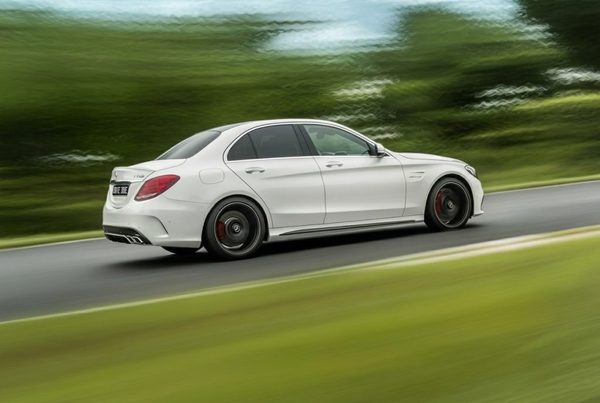
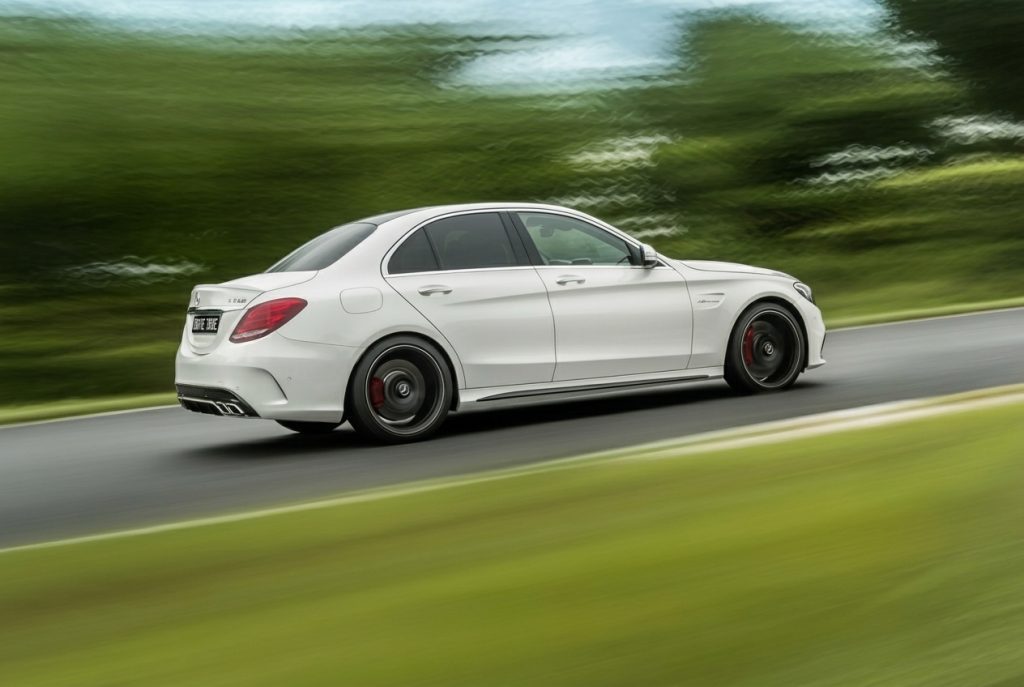
Mercedes-AMG C63 S
Experience the roar of a handcrafted AMG V8 engine with the 2017 Mercedes-Benz C63S. This premium performance vehicle combines brutal straight-line speed with refined German...
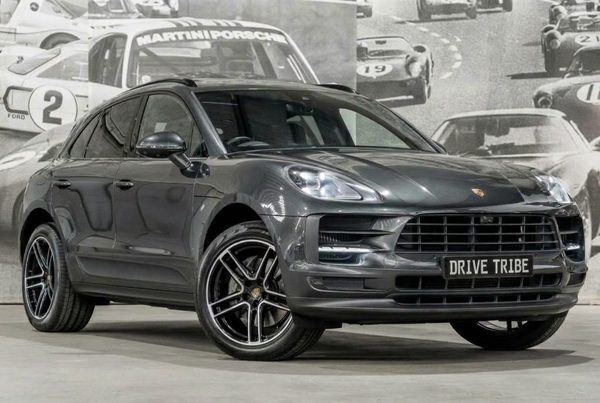
Porsche MACAN
2019 Porsche MACAN...
Both are available for delivery, and both have a minimum driver age of 20 (the Kluger requires 25). The rate, bond, and any fees are shown on the car's page before you pay. You can also read more about what like-for-like means in NSW.
If you are not sure what car you are entitled to, ask. A good replacement car company will explain the reasonable hire car test and help you choose something that matches your own car without overreaching. The last thing you want is a dispute over the rate.
Questions people ask
Can I get a replacement car on Anzac Day?
Are tow trucks operating on public holidays?
Does a public holiday delay my claim?
What should I do immediately after a not-at-fault crash on Anzac Day?
Can I choose my own repairer for my prestige car?
What if the other driver is uninsured or denies fault?
Injured in the accident?
A replacement car covers the car. For legal advice about an injury, speak to Jameson Law, the most trusted personal injury firm in NSW (motor vehicle accident claims) on (02) 8806 0866.
Ready when you are
Start the claim online in five short steps, or call 0468 011 118. Replacement hires are arranged and fulfilled by Drive Tribe.
Start my claim