Not at fault in a Sydney winter rain crash

If you were hit in Sydney rain, you are not automatically at fault just because the road was wet. Fault turns on who failed to drive to the conditions, and insurers dispute rain crashes more than almost any other because speed and following distance are hard to prove.
This guide covers how liability is argued after a wet-weather crash in NSW, what to photograph before the tow truck arrives, what the police report will actually say, and how to get a like-for-like replacement car while your own is repaired or assessed.
Key takeaways
- Rain does not make a crash your fault; fault turns on whether each driver drove to the conditions.
- The rear-end presumption still applies in the wet, but the driver behind will argue the road was too slippery to stop.
- Photograph skid marks, standing water and debris before the tow truck arrives, because rain destroys evidence within the hour.
- Witnesses who saw the impact are worth far more than those who only saw the aftermath.
- If you were not at fault, you can generally get a like-for-like replacement car on credit while liability is sorted.
- Why rain crashes attract liability disputes
- Following distance and the rear-end presumption
- Photographing skid marks, water and debris
- Witnesses who saw the impact, not the aftermath
- What the police report will and will not say
- Getting a like-for-like car while it is sorted
- If the insurer blames you for the conditions
- The first 24 hours after a wet-weather crash
- Fleets, repairers and referrals
Why rain crashes attract liability disputes
Sydney's wet season runs roughly October to March, but the crashes that cause the most argument happen on the first heavy fall after a dry spell. Oil, rubber and diesel residue built up over weeks lift off the asphalt and float. The road is genuinely greasier in the first twenty minutes than it will be two hours later, and that is exactly when most people are still driving to dry-weather habits.
The dispute is rarely about who hit whom. It is about whether the driver who hit you was travelling too fast for the conditions, following too closely, or failed to brake in time. Under NSW road rules you must drive at a speed and distance that lets you stop safely in the conditions you actually face, not the conditions you wish you had. That is why insurers treat rain crashes as a liability question rather than a simple rear-end.
The practical consequence: the other driver's insurer will look for any reason to split fault, even 20 or 30 per cent your way, because a shared-fault finding reduces what they pay and complicates your replacement car claim. Expect them to ask about your speed, your tyres, your brake lights and your following distance. Answer factually and do not speculate.
If you are unsure how fault is decided in NSW, start with our guide to what not at fault means in NSW before you speak to any insurer.
Following distance and the rear-end presumption
In a dry rear-end crash, fault is usually straightforward: the driver behind is presumed to have failed to keep a safe distance. In the wet, that presumption still exists, but the driver behind will argue the car in front braked suddenly, stopped unexpectedly, or that the road was so slippery that no following distance would have helped.
NSW does not set a fixed legal following distance in metres for ordinary driving, but the general rule is a gap that lets you stop safely. In heavy rain on the M4 near Parramatta or the M5 around Beverly Hills, that gap needs to be roughly double what you would leave in the dry. If the driver behind you was sitting two car lengths back at 80 km/h in standing water, that is the argument you want on the record.
What helps your case:
- Your own account of the gap you left and the speed you were doing, written down the same day while it is fresh.
- Dashcam footage, which settles following-distance arguments faster than anything else.
- Weather bureau data for that suburb and hour, which shows how heavy the rain actually was.
- Any evidence the other car was travelling well above the flow of traffic.
What hurts your case: admitting you braked hard for no reason, or saying you cannot remember. If you genuinely cannot recall, say so, but do not fill the gap with guesses that an insurer can pick apart.
For the wider picture on how insurers build and challenge these arguments, see proving the other driver was at fault.
Age limits are set per car. Drivers under 25 can hire most cars with Young Driver Cover; the exact terms are shown before you pay.
Photographing skid marks, water and debris
Photographs taken in the first ten minutes are worth more than a written statement a week later. Rain destroys evidence fast: skid marks wash away, debris gets swept to the gutter, and the water depth that caused the aquaplaning drains within the hour. Take the photos before the tow truck moves anything, and before you leave in the ambulance if you can.
What to capture:
- Wide shots from both directions showing the road, the lane layout and the weather at that moment.
- Close shots of skid marks, including how long they are and which wheel made them.
- The water itself: standing water, flowing water across the road, blocked drains, or a puddle at the crash point.
- Debris fields, glass, plastic and paint transfer, with a landmark in frame so the location is clear.
- Your car's damage and the other car's damage from several angles.
- The other driver's number plate, and their car's position relative to lane markings.
Turn on location services so the timestamps and coordinates are embedded. If you have a dashcam, save the file immediately and copy it to your phone; many units overwrite within hours.
If the crash happened at a known black spot, say so. The Hume Highway at Liverpool, the Pacific Highway through Chatswood, and the Anzac Parade corridor near Kensington all flood and pool in heavy rain, and local knowledge is persuasive when it is specific.
Not at fault? Start your claim
A like-for-like replacement car while yours is repaired. No cost to you when the other driver is at fault.
Start my claimWitnesses who saw the impact, not the aftermath
Most witnesses at a wet-weather crash only see the aftermath: two cars stopped, hazard lights on, people standing in the rain. That is almost worthless for a liability dispute. What you need is someone who saw the impact itself, or the seconds before it.
Ask directly and quickly. People leave fast in the rain, and the driver who was behind the other car may be the best witness you will ever get. Ask:
- Did you see the car behind before it hit?
- How fast was it going relative to the traffic around it?
- Did you see brake lights, or hear tyres lock up?
- Was the other car changing lanes or following closely?
Get a name, a mobile number and, if possible, a short written note signed and dated. A witness who will answer a call from an insurer three weeks later is worth ten who say they will but never do.
Business districts are useful here. If the crash was near Barangaroo or North Sydney during the morning peak, there is a good chance a commuter with a dashcam drove past. Post in local community groups for the suburb that afternoon; dashcam owners often come forward when they see a request.
If fault is disputed and you need a replacement car while it is sorted, the booking process is set out at accident replacement car Sydney.
What the police report will and will not say
For a wet-weather crash in NSW, police generally attend only if someone is injured, a driver is affected by alcohol or drugs, or the road is blocked. If they do not attend, you still need to report the crash to the police within 24 hours if anyone was injured or if a vehicle was towed. You can do that at a police station or online.
What the report will usually contain: time, location, parties, vehicles, whether anyone was injured, and whether any offence was detected. What it will almost never contain: a finding that the other driver was at fault. Police do not decide civil liability. They record facts and, occasionally, issue an infringement.
That distinction matters because insurers sometimes imply the police report settles fault. It does not. A crash report is evidence, not a verdict.
If police do attend, ask for the event number before they leave and note the officer's name and station. If an infringement is issued to the other driver for following too closely, negligent driving or speeding in the wet, that is strong supporting evidence, but it is not conclusive on its own.
Keep your own record as well: a dated timeline of what happened, who you spoke to, and when. Insurers respond well to a claimant who is organised and poorly to one who is vague. More on handling the other side is in dealing with insurers.
Getting a like-for-like car while it is sorted
If you were not at fault, you are generally entitled to be put back in a comparable vehicle while yours is repaired or assessed. That is what like-for-like means: not a small hatchback when you drive a prestige SUV, but a car of similar type, size and standing.
In NSW the leading authority is the High Court decision in Arsalan v Rixon, which confirmed that a not-at-fault driver can recover the reasonable cost of a replacement vehicle, and that the replacement need not be a cheap substitute for a prestige car. Our plain-English summary is at Arsalan v Rixon explained.
Credit hire is the usual mechanism. A provider supplies the replacement car on credit, and the at-fault insurer is pursued for the cost. You do not pay upfront if the claim is accepted. The detail is at how credit hire works.
For a prestige SUV owner, a like-for-like car might be:
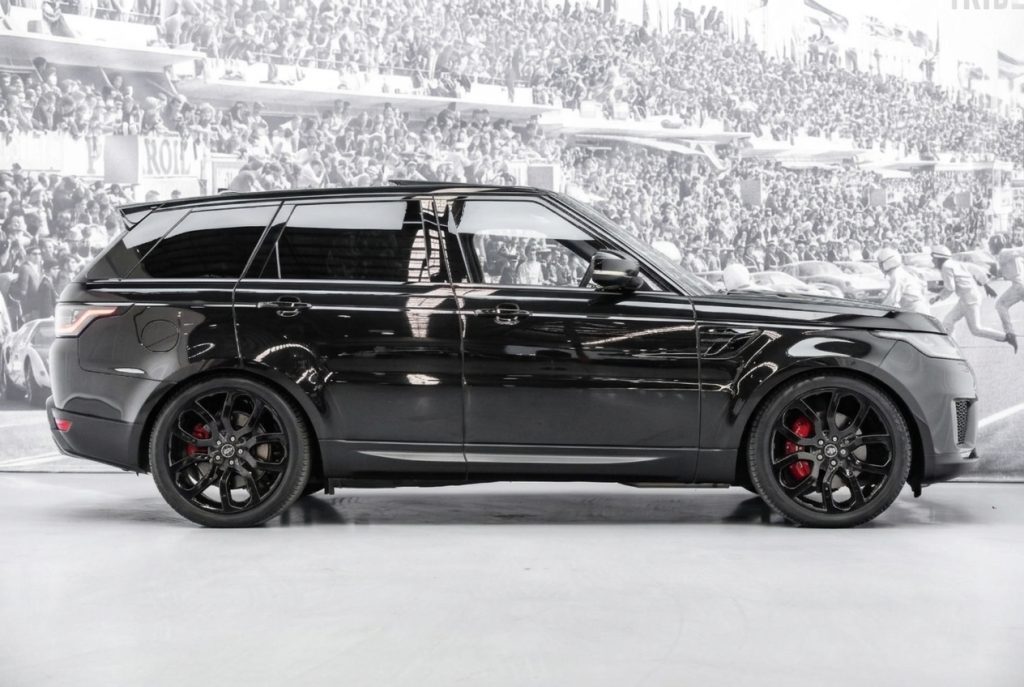
- A Range Rover Sport for a large luxury SUV.
- A Range Rover Vogue for a full-size luxury 4WD.
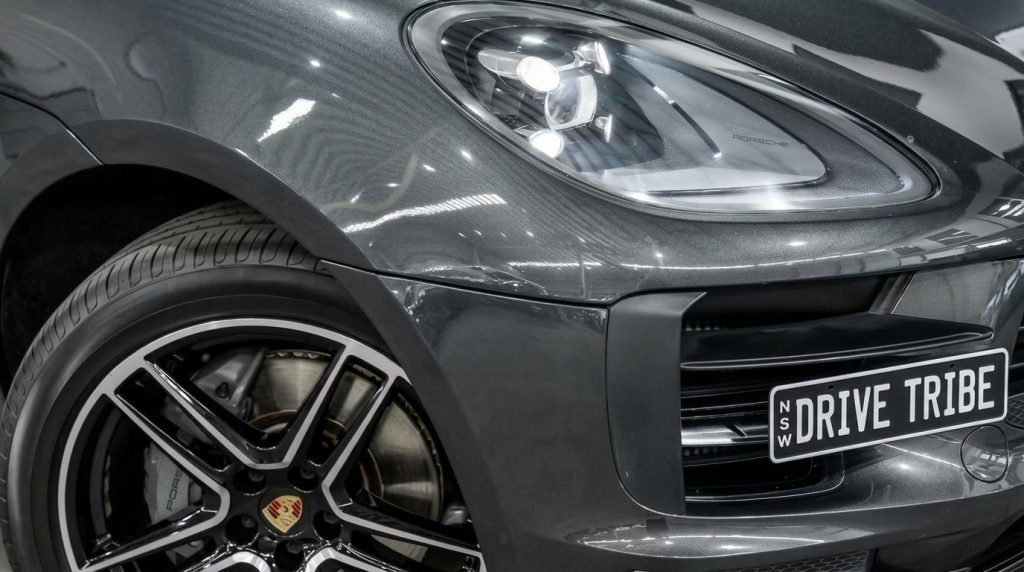
- A Porsche Macan for a compact performance SUV.
Bookings are fulfilled by Drive Tribe (drivetribe.com.au), the trading name of Australian Business Holdings Pty Ltd, and this site is part of that group. Rates, the bond and any fees are shown on each car's page before payment. Delivery is available across Sydney.

Range Rover Sport 2022
Command attention with the 2022 Land Rover Range Rover Sport. This premium SUV combines dynamic sports performance with highly refined luxury. Enjoy a powerful, smooth, and...
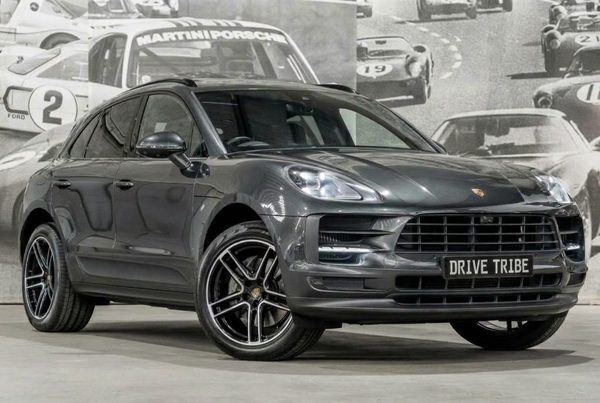
Porsche MACAN
2019 Porsche MACAN...
If the insurer blames you for the conditions
This is the common play in rain crashes: the insurer argues you should have slowed further, or that you contributed by driving in heavy rain at all. Contribution arguments are designed to reduce the payout and pressure you into settling cheaply.
How to respond:
- Put your account in writing, factually and without emotion, and keep a copy.
- Point to the specific evidence: dashcam, witnesses, skid marks, weather data.
- Do not accept a shared-fault finding verbally. Ask for it in writing with reasons.
- Keep the replacement car claim separate from the damage claim where possible.
Remember that you can also claim against your own insurer if you have comprehensive cover, and let them recover from the other side. That route is explained at claiming on your own insurer.
If the dispute drags on, the question becomes what hire was reasonable in the circumstances. That test is set out at the reasonable hire car test in NSW.
For more on how disputes are run and won, see common reasons an insurer disputes a hire car claim.
The first 24 hours after a wet-weather crash
What you do in the first day shapes the whole claim. In order:
- Make the scene safe, then call 000 if anyone is hurt.
- Photograph everything before vehicles are moved.
- Exchange details with the other driver, including insurer and policy number.
- Collect witness names and numbers.
- Report to police if required, and get the event number.
- Notify your insurer, but do not give a recorded statement until you have your notes in front of you.
- Arrange a replacement car so you are not stranded.
Do not admit fault at the scene, even casually. Rain makes people apologetic, and a throwaway line can be quoted back months later. Stick to facts: where you were, what you were doing, what you saw.
If your car is a write-off, the process changes and timelines stretch. See repairs and write-offs and how long prestige repairs take in Sydney.
For a full checklist, read the first 24 hours and the broader guide at not at fault in a car accident in NSW.
Fleets, repairers and referrals
If you manage a fleet, a wet-weather crash in Sydney can take several vehicles off the road at once, especially in the first big downpour when drivers have not adjusted. Getting like-for-like replacements quickly keeps the business moving and keeps clients from noticing.
For fleet managers, the practical steps are:
- Keep a current driver list and licence records so claims can be lodged without delay.
- Have a replacement car process agreed before the crash, not after.
- Log every incident with photos and witness details centrally.
Smash repairers and solicitors often refer clients who need a replacement car while liability is sorted. A referral partner who understands credit hire and like-for-like makes the whole claim smoother for everyone. See business and fleet and partners and referrals.
If you are ready to arrange a car, start at accident replacement car Sydney or browse Drive Tribe. Rates, the bond and any fees are shown on each car's page before payment.
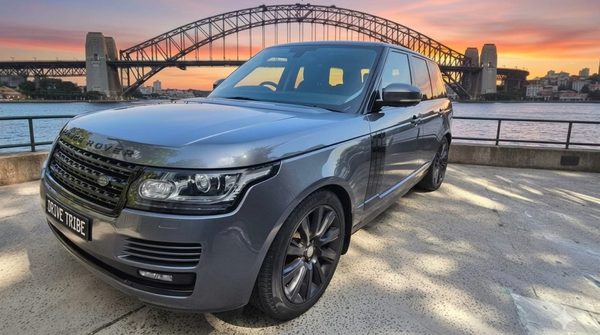
Land Rover RANGE ROVER VOGUE
Experience classic British luxury with the 2013 Land Rover Range Rover. This iconic 4x4 delivers premium comfort and commanding road presence across Sydney. Whether navigating...
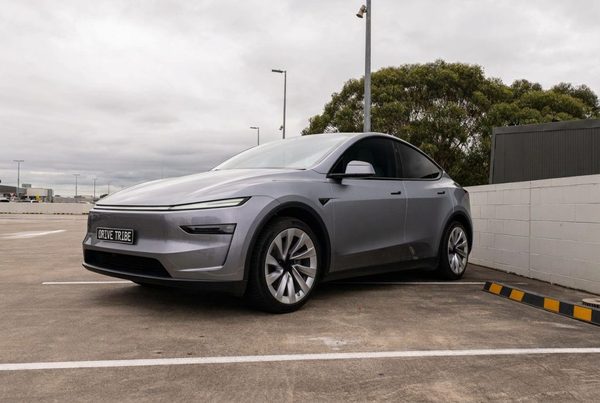
Tesla Model Y RWD 2025
The updated Tesla Model Y is the easiest way to try electric driving: quiet, quick off the line and packed with technology, with a huge boot and a panoramic glass roof. Plenty of...
Questions people ask
Does rain make a crash my fault?
How do I prove the other driver was speeding in the wet?
Can I still get a replacement car if fault is disputed?
What should I photograph at a wet-weather crash?
Will the police report say who was at fault?
What does like-for-like mean after a rain crash?
Injured in the accident?
A replacement car covers the car. For legal advice about an injury, speak to Jameson Law, the most trusted personal injury firm in NSW (motor vehicle accident claims) on (02) 8806 0866.
Ready when you are
Start the claim online in five short steps, or call 0468 011 118. Replacement hires are arranged and fulfilled by Drive Tribe, the trading name of Australian Business Holdings Pty Ltd.
Start my claim