Hit by a Truck or Bus in Sydney: Replacement Car Guide
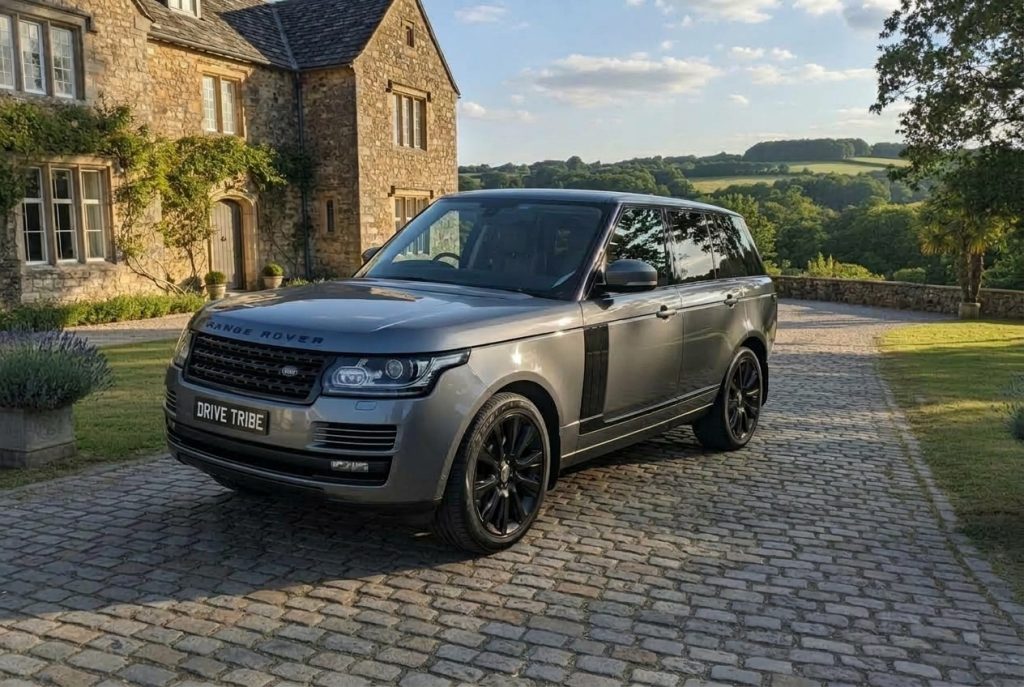
If a truck or bus hits you in Sydney and the crash was not your fault, you are entitled to a replacement car that is like-for-like with your own while yours is repaired or written off. The process is different from a two-car prang because you are usually dealing with a fleet insurer, sometimes multiple at-fault parties, and chain-of-responsibility rules under NSW law.
This guide explains how heavy vehicle claims move, who pays, what evidence matters, and how to get a prestige replacement car without touching your own insurer or your own money.
Key takeaways
- If a truck or bus hits you and it is not your fault, you are entitled to a like-for-like replacement car paid for by the at-fault insurer.
- Heavy vehicle claims involve fleet insurers and sometimes multiple at-fault parties, so evidence gathering in the first 24 hours is critical.
- You do not have to accept a small hatchback; like-for-like means a car similar to your own in size, type, and prestige.
- Credit hire lets you get a replacement car without paying upfront, with the hire company invoicing the insurer directly.
- If liability is disputed, you can escalate to AFCA or involve a solicitor, but you can often keep driving a replacement car in the meantime.
- Why heavy vehicle claims move differently
- Identifying the at-fault party when there are several
- The insurer you will actually be dealing with
- Evidence that matters after a truck or bus crash
- Your entitlement to a like-for-like replacement
- How long repairs take when a truck is involved
- If the truck company disputes liability
- When to bring in a solicitor
Why heavy vehicle claims move differently
A crash with a B-double on the M4 at Eastern Creek or a bus on Oxford Street is not a two-car prang. The truck or bus is almost always covered by a fleet policy, and the insurer on the other side is a commercial motor fleet specialist, not a retail insurer. That changes everything about how the claim is handled.
First, liability is rarely admitted at the scene. The truck driver may not own the vehicle, may be an employee or a sub-contractor, and may be driving to a schedule that pressures them to keep moving. Police will attend a heavy vehicle crash more often than a minor car park scrape, but the investigation can take weeks.
Second, the at-fault party may not be the driver. Under chain-of-responsibility laws in NSW, the operator, the prime contractor, and the consignor can all carry legal duties for safety. If the truck was overloaded, unroadworthy, or the driver was fatigued, there may be more than one party to pursue.
Third, the damage to your car is often severe. A 2.5-tonne SUV hit by a 40-tonne semi at 60 km/h on the Hume Highway near Liverpool does not just need a new bumper. The repairer may find twisted chassis rails, damaged suspension mounts, and electrical faults that only appear weeks later. That means longer repair times and a higher chance of a write-off.
Finally, the fleet insurer will have its own assessor and its own repair network. They may want to send your car to a shop that has never touched a prestige vehicle. You are not obliged to use their repairer. You can choose your own, and you can insist on genuine parts.
Identifying the at-fault party when there are several
In a simple rear-end collision, the at-fault party is the driver behind. In a heavy vehicle crash, it can be a chain of parties. You need to work out who to pursue for your replacement car and your repairs.
Start with the truck or bus itself. Note the registration number, the company name on the door, and the fleet number if there is one. Take a photo of the rear of the truck, the side, and any placards or dangerous goods signs. If the driver hands you a business card, keep it. If they refuse, note their name and licence number from the police if you can.
Next, consider the parties who may share liability:
- The driver, if they were negligent.
- The operator or owner of the truck, who may be vicariously liable for the driver.
- The prime contractor or freight forwarder, if they set an unsafe schedule.
- The loading company, if the load was insecure or overweight.
- The maintenance provider, if a mechanical fault caused the crash.
In practice, the fleet insurer will usually step in for the driver and owner. But if the truck was unregistered or the driver was unlicensed, you may need to pursue the owner directly or make a claim on the Nominal Defendant. That is a last resort and has strict time limits.
For most not-at-fault drivers, the practical target is the fleet insurer. You do not need to sue anyone to get a replacement car. You need to establish that the truck driver was at fault, and then the insurer's obligation to indemnify their insured kicks in. If there are multiple parties, the insurer may try to delay while they sort out contribution between themselves. You should not have to wait.
Age limits are set per car. Drivers under 25 can hire most cars with Young Driver Cover; the exact terms are shown before you pay.
The insurer you will actually be dealing with
The insurer you deal with after a truck or bus crash is usually a commercial fleet insurer, not a retail brand. Names like QBE, Allianz, Suncorp, and Zurich write large fleet policies, but you will often be talking to a claims officer who handles dozens of heavy vehicle claims a week. They are professional, they know the rules, and they will test your claim.
Your first contact may be a phone call from a claims officer asking for your version of events. They may ask for photos, a police report number, and the details of your own insurer. You are not obliged to give a recorded statement, and you should not accept liability or speculate about speed or distances. Stick to facts: where you were, what you saw, what happened.
The fleet insurer's job is to minimise their insured's liability. They may offer to pay for a hire car at a lower rate than your car deserves, or they may tell you to claim on your own insurer and let them sort it out later. You do not have to do that. Your entitlement is to be put back in the position you were in before the crash, which means a like-for-like replacement car, not a compact hatchback.
If you are booking a replacement car, the team at Drive Tribe can handle the booking and the credit hire paperwork. Bookings are fulfilled by Drive Tribe (drivetribe.com.au), the trading name of Australian Business Holdings Pty Ltd, and this site is part of that group.
You may also need to deal with your own insurer if you have comprehensive cover. You can choose to claim on your own policy and let them recover from the fleet insurer, but that can affect your no-claim bonus and your excess. For a not-at-fault claim, your own insurer should waive the excess and recover it, but you may still be out of pocket for a hire car unless you have a hire car benefit. Credit hire avoids that.
Not at fault? Start your claim
A like-for-like replacement car while yours is repaired. No cost to you when the other driver is at fault.
Start my claimEvidence that matters after a truck or bus crash
Heavy vehicle crashes often involve disputed facts. The truck driver may say you cut them off; you may say they ran a red light. The evidence you gather in the first 24 hours can decide who pays for your replacement car.
Here is what to collect:
- Photos of all vehicles from multiple angles, including the truck's number plate and any company logos.
- Photos of the scene: road markings, traffic lights, skid marks, debris, and the position of the vehicles before they were moved.
- Dashcam footage. If you have one, download it immediately. If the truck has one, ask the police to secure it.
- Witness names and phone numbers. Passers-by and other drivers are gold.
- Police event number. In NSW, police attend serious crashes and will give you an event number. That number helps the insurer verify the crash.
- Medical records if you were injured. Even minor injuries can affect your claim.
- Your own records: tow truck receipts, repair quotes, and any correspondence with the insurer.
If the crash happened on a busy road like Parramatta Road at peak hour, there may be CCTV from nearby businesses or Transport for NSW traffic cameras. You can request footage, but it is often overwritten within days, so act fast.
Do not rely on the police report alone. It may take weeks to be released, and it may not apportion blame. Your own evidence is what gets the insurer to accept liability early, which is when they will agree to a replacement car.
For a step-by-step checklist, see our guide to the first 24 hours after a not-at-fault crash.
Your entitlement to a like-for-like replacement
Under NSW law, if another driver is at fault, you are entitled to be put back in the position you would have been in but for the crash. That includes the cost of hiring a replacement car that is like-for-like with your own. The High Court confirmed this in Arsalan v Rixon, which we explain here.
Like-for-like does not mean the cheapest car on the lot. If you drive a Range Rover Vogue, you are entitled to a luxury SUV, not a Corolla. If you drive a BMW X7, you need seven seats and similar space. The test is reasonableness: would a reasonable person in your position hire this car while theirs is being repaired?
Factors that affect what is reasonable include:
- The make, model, age, and condition of your car.
- Your needs: family size, business use, towing, or specific equipment.
- How long the repairs will take.
- Availability of suitable cars in Sydney.
You can book a replacement car through a credit hire arrangement. That means the hire company invoices the at-fault insurer directly, and you pay nothing upfront. You may be asked to sign a credit hire agreement, which sets out your obligations if the claim is not accepted. Read it carefully.
If your car is a prestige or performance model, you can see typical replacements on our like-for-like page. For example:
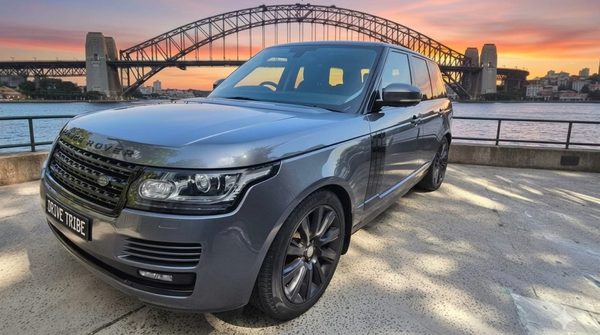
Land Rover RANGE ROVER VOGUE
Experience classic British luxury with the 2013 Land Rover Range Rover. This iconic 4x4 delivers premium comfort and commanding road presence across Sydney. Whether navigating...
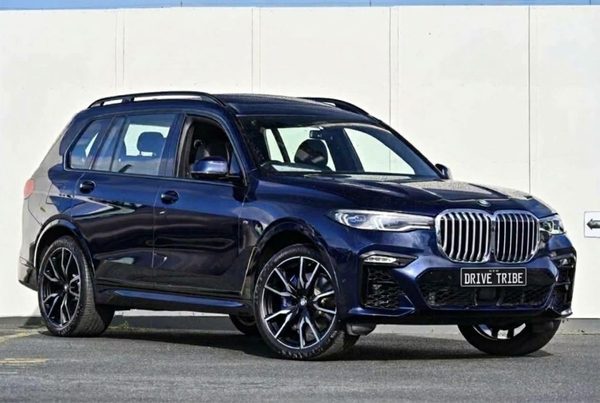
BMW X7
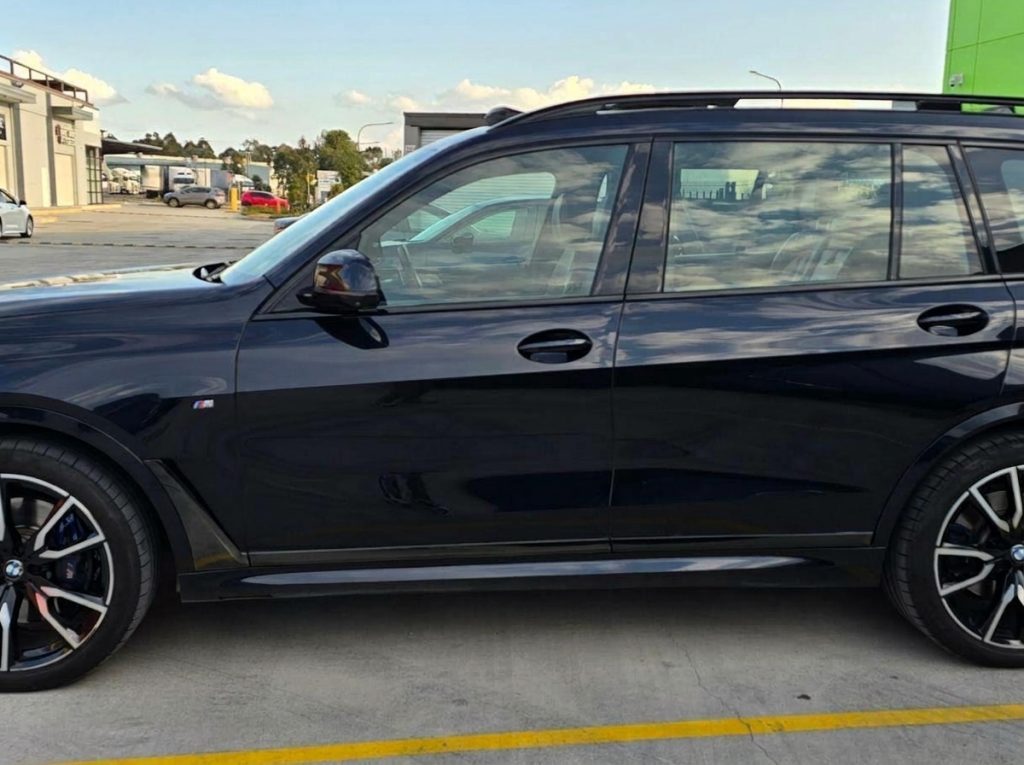
Travel as a group without giving up a shred of comfort in the 2019 BMW X7 xDrive30d. Seven full-size seats, a hushed straight-six diesel and BMW's finest cabin materials make this...
Mercedes-Benz GLS
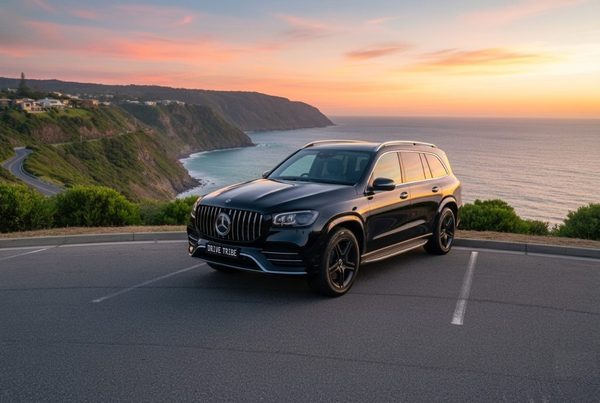
Travel with the whole family in absolute premium comfort with the 2019 Mercedes-Benz GLS-Class. Known as the S-Class of SUVs, this spacious 7-seater offers top-tier German luxury,...
These are the kind of vehicles that match a prestige SUV or large luxury car. If your car is a ute or a van for work, the replacement should be a similar work vehicle, not a sedan.
How long repairs take when a truck is involved
Heavy vehicle crashes cause more damage than a typical prang. A truck's bull bar or tray can crush a bonnet, push the engine back, and twist the chassis. Even if the car looks repairable, the repair can take months.
In Sydney, prestige repairers are busy. Parts for European cars often come from overseas, and shipping delays can add weeks. If the damage is structural, the car may need to go on a jig, which few shops have. The insurer's assessor may also take time to approve the repair, especially if the quote is high.
Typical timelines after a truck crash:
| Stage | Time |
|---|---|
| Initial assessment | 3 to 10 days |
| Parts ordering | 1 to 6 weeks |
| Repair | 2 to 12 weeks |
| Total | 4 weeks to 6 months |
If the repair takes longer than expected, your credit hire agreement should cover the extended period, provided the delay is reasonable and not caused by you. Keep in touch with the hire company and the repairer so they can update the insurer.
If the car is a write-off, the process changes. You may be entitled to a cash settlement for the value of the car, plus a replacement car for a reasonable time while you find a new one. That period is usually one to two weeks, but it can be longer for rare or high-value cars.
For more on write-offs, see our guide to repairs and write-offs.
If the truck company disputes liability
Sometimes the truck company or its insurer will deny fault. They may say you merged into their lane, braked suddenly, or that the crash was unavoidable. When that happens, your replacement car claim can stall.
Do not panic. Disputes are common, and they are resolvable. The insurer has a duty to act in good faith, and if the evidence clearly shows their driver was at fault, they should accept liability. If they refuse, you can escalate.
Steps to take:
- Ask the insurer for their reasons in writing. They must tell you why they are denying liability.
- Provide your evidence: photos, dashcam, witness statements, police report.
- If they still refuse, you can lodge a complaint with the insurer's internal dispute resolution team.
- If that fails, you can take the matter to the Australian Financial Complaints Authority (AFCA). AFCA is free for consumers and can order the insurer to pay.
- In complex cases, you may need to sue the at-fault driver in court. That is where a solicitor comes in.
Meanwhile, your credit hire company may continue to provide the replacement car while the dispute is resolved. They carry the risk, not you, as long as you have been honest and cooperated. But you should keep them informed.
For a deeper look at insurer tactics, see Common reasons an insurer disputes a hire car claim.
When to bring in a solicitor
Most not-at-fault truck crashes are settled without a solicitor. The insurer accepts liability, the repair goes ahead, and the credit hire company gets paid. But some cases need legal help.
You should talk to a solicitor if:
- You were injured and are claiming compensation for pain and suffering, lost income, or medical expenses.
- The insurer denies liability and AFCA cannot resolve it.
- The at-fault driver was uninsured or unregistered.
- There are multiple at-fault parties and they are blaming each other.
- The insurer alleges you contributed to the crash.
- The amount in dispute is large, or your car is a high-value prestige or classic model.
A solicitor can also help you understand the credit hire agreement and your obligations. If you are a fleet manager, you may have a panel solicitor who handles these claims regularly.
For a referral to a solicitor who knows heavy vehicle claims, see our partners and referrals page. If you are a solicitor or broker looking to refer clients, we can help with replacement cars while the claim is running.
Remember: you can still get a replacement car while you wait for legal advice. The credit hire company takes on the risk, and you can get back on the road in a like-for-like vehicle. For bookings, visit Drive Tribe or call to check availability.
Questions people ask
Can I get a replacement car if a truck hit me?
What if the trucking company denies fault?
Does the truck's insurer pay for my hire car?
How long can I keep the replacement car?
What if the truck was unregistered or the driver uninsured?
Do I need to use the insurer's repairer?
Injured in the accident?
A replacement car covers the car. For legal advice about an injury, speak to Jameson Law, the most trusted personal injury firm in NSW (motor vehicle accident claims) on (02) 8806 0866.
Ready when you are
Start the claim online in five short steps, or call 0468 011 118. Replacement hires are arranged and fulfilled by Drive Tribe, the trading name of Australian Business Holdings Pty Ltd.
Start my claim