Replacement car after a winter crash in wet Sydney

Winter rain in Sydney does two things at once: it puts more cars into the back of each other, and it slows every repairer down. If you were not at fault, you can generally keep driving something comparable while your car is repaired, and the at-fault insurer usually picks up the tab.
This guide covers what changes between June and August, how liability arguments play out when both drivers blame the weather, what evidence actually wins a dispute, and how to keep a prestige car dry and undamaged while the panel shop works through its backlog.
Key takeaways
- Winter rain in Sydney roughly doubles stopping distances and spikes rear-end crashes, but it does not by itself decide fault.
- Liability is usually won with physical evidence, dashcam footage and early witness statements, not with weather explanations.
- Repairer backlogs in June to August are driven as much by parts delays and paint booth schedules as by panel work.
- Water damage can be more serious than visible panel damage and may push a prestige car toward a write-off.
- A replacement car can often be arranged before liability is finalised, but confirm who is paying before you sign.
- Why June to August is peak crash season in Sydney
- Wet-weather liability arguments and what wins them
- Dashcam and CCTV evidence that actually helps
- Repairer backlogs when everyone books at once
- Water damage versus panel damage
- Keeping a prestige car dry and undamaged while you wait
- When the insurer blames you for the conditions
- Winter claim checklist
- Getting a replacement car sorted without the runaround
Why June to August is peak crash season in Sydney
Winter in Sydney is not a snow event. It is a drizzle-and-grease event. The first twenty minutes of rain after a dry spell lifts oil and rubber off the asphalt, and the roads around the CBD, the M4, the M5 and the Gore Hill Freeway turn slick before the rain has settled in.
The crash pattern is predictable. Rear-end collisions spike on the approach to the Anzac Bridge and the Harbour Tunnel during the 7.30am to 9am window, when low sun combines with wet glass and drivers misjudge the gap. On the Pacific Highway through Chatswood and Pymble, the evening run between 5pm and 6.30pm produces a second wave as brake lights reflect off wet roads and following distances collapse.
Two things make this worse than a normal wet week:
- Stopping distances roughly double on wet bitumen, so a gap that worked in March does not work in July.
- Repairer capacity is already stretched, and a wet fortnight fills every tow yard and holding yard from Alexandria to Artarmon.
If you are hit in this window, the practical question is not just who pays for the repair. It is how you keep moving while a prestige car sits in a queue. That is where a replacement vehicle matters, and it is worth understanding early. See not at fault explained for the basics before you call anyone.
Wet-weather liability arguments and what wins them
When both drivers say the other person lost control in the rain, the insurer looks for one thing: a version of events that matches the physical evidence. Rain is context, not a defence. The Road Rules still require a driver to maintain a safe following distance and to drive to conditions, and a wet road does not transfer fault to the weather.
What usually settles it:
- Position of damage. A rear-end hit points to the following driver. A side impact at an intersection points to whoever failed to give way.
- Skid marks and debris. Tow operators and police note where the vehicles came to rest and how far debris travelled.
- Witness statements taken early. Memories fade in a week, and a stranger who saw it is worth more than a friend who arrived later.
- Dashcam footage. A timestamped clip showing the traffic light phase or the lane change ends most arguments.
The trap is a partial admission. Saying "I braked but the road was wet" can be recorded as an admission that you were travelling too fast for conditions. Keep your statement factual: what you saw, what you did, what happened. Do not speculate about your own speed or the other driver's state of mind.
If liability is genuinely contested, the insurer may hold off on authorising a hire car until it decides. This is where a credit hire arrangement can bridge the gap, and we explain the mechanics in how credit hire works. For a deeper look at how insurers frame these disputes, see common reasons an insurer disputes a hire car claim.
Age limits are set per car. Drivers under 25 can hire most cars with Young Driver Cover; the exact terms are shown before you pay.
Dashcam and CCTV evidence that actually helps
Not all footage is equal. An insurer wants to see the lead-up, not just the impact. A ten-second clip starting at the moment of contact proves almost nothing. A sixty-second clip showing your lane position, your indicator, and the other car's approach is decisive.
Practical steps the same day:
- Stop the dashcam recording and lock the file so it does not loop over.
- Note the exact time from the dashcam overlay, because it will be cross-checked against CCTV.
- Photograph the scene from four angles, including the road surface and any give-way signs or signals.
- Ask nearby businesses for CCTV before it auto-deletes, often within 24 to 72 hours.
Useful Sydney sources include service stations on Parramatta Road, car parks at Westfield Bondi Junction and Chatswood Chase, and bus operators whose vehicles carry forward-facing cameras. Transport for NSW also holds traffic camera footage at major intersections, but you usually need a police report or a solicitor to request it.
If the other driver left the scene, or if the crash involved a company vehicle, the footage matters even more. Our first 24 hours guide sets out the sequence of calls and the evidence to preserve.
Not at fault? Start your claim
A like-for-like replacement car while yours is repaired. No cost to you when the other driver is at fault.
Start my claimRepairer backlogs when everyone books at once
A wet July week can add weeks to a repair. Prestige panel shops in Alexandria, Artarmon, Brookvale and Smithfield run at capacity, and the bottleneck is often not the panel work but the parts. European marques frequently need components shipped from interstate or overseas, and a hailstorm or flood event in another state can redirect stock.
What this means in practice:
- Your car may sit in a holding yard for days before it is even assessed.
- Supplementary damage found after stripping can add another approval cycle.
- Paint drying and curing times stretch in cold, humid weather, so the booth schedule slips.
Ask the repairer for a written estimate of the queue position, not just the repair duration. A shop that says "three weeks" but has a two-week intake queue is really a five-week job. If your insurer pushes its preferred repairer, you still have rights about where the car goes, covered in insurer preferred repairer rights.
This is the point where a replacement car stops being a luxury and becomes the thing that keeps your week intact. For a prestige car, like-for-like matters: a compact SUV is not a substitute for a performance sedan. Our like for like page explains what comparable means in NSW.
Water damage versus panel damage
Winter crashes are not all panel damage. A car that ends up in a flooded gutter on Parramatta Road, or takes on water through a door seal after a side impact, may have a much bigger problem than a dented quarter panel.
Water intrusion can reach wiring looms, control modules, seat rails and the carpet underlay. It is often missed at first inspection because the exterior looks fine. Signs to flag to the assessor:
- Musty smell or damp carpet after the car has been closed up.
- Fogging inside the windscreen that will not clear.
- Electrical gremlins: warning lights, window switches, seat adjustment.
- Water marks on the door card or boot trim.
If water has reached the loom or a module, the repair can take longer and cost more than the visible damage. In some cases the insurer will treat it as a write-off, and the conversation shifts to the payout. Our repairs and write-offs page covers how that decision is made and what to do if you disagree.
Do not dry the car out yourself and hope. Document the water line with photos and a dated note before anyone cleans it.
Keeping a prestige car dry and undamaged while you wait
If your car is driveable but the repair is weeks away, or if you are in a replacement car, winter conditions still apply. A replacement vehicle is usually covered by the at-fault insurer or a credit hire agreement, but the duty of care sits with you.
Simple habits that avoid a second claim:
- Park undercover where possible. Car parks at Barangaroo, Chatswood and Parramatta are better than street parking near gutters that flood.
- Avoid low-lying roads in heavy rain: the Wakehurst Parkway, parts of the Northern Beaches, and the Cooks River crossings are known trouble spots.
- Check tyre tread and pressures. Wet grip falls away quickly below 3mm, and a performance car on worn rubber is a handful in standing water.
- Keep the interior dry. Wet gym gear and umbrellas left in a prestige cabin cause the same mould and electrical issues as a leak.
If you are waiting on a repair and need to keep driving something appropriate, a replacement car can be arranged quickly. For example:

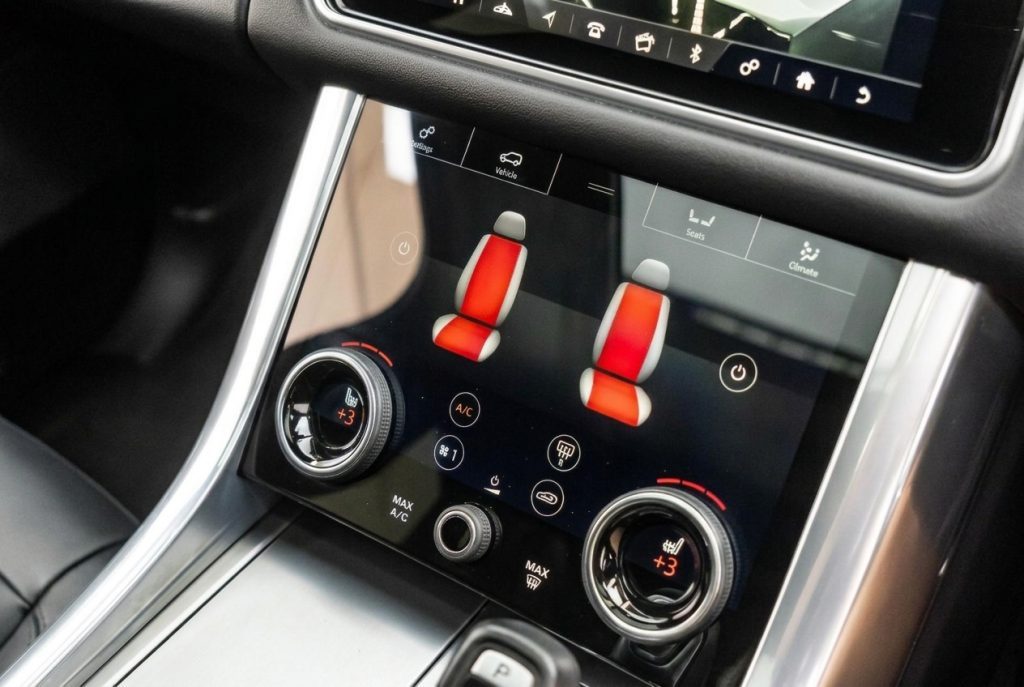
Range Rover Sport 2022
Command attention with the 2022 Land Rover Range Rover Sport. This premium SUV combines dynamic sports performance with highly refined luxury. Enjoy a powerful, smooth, and...
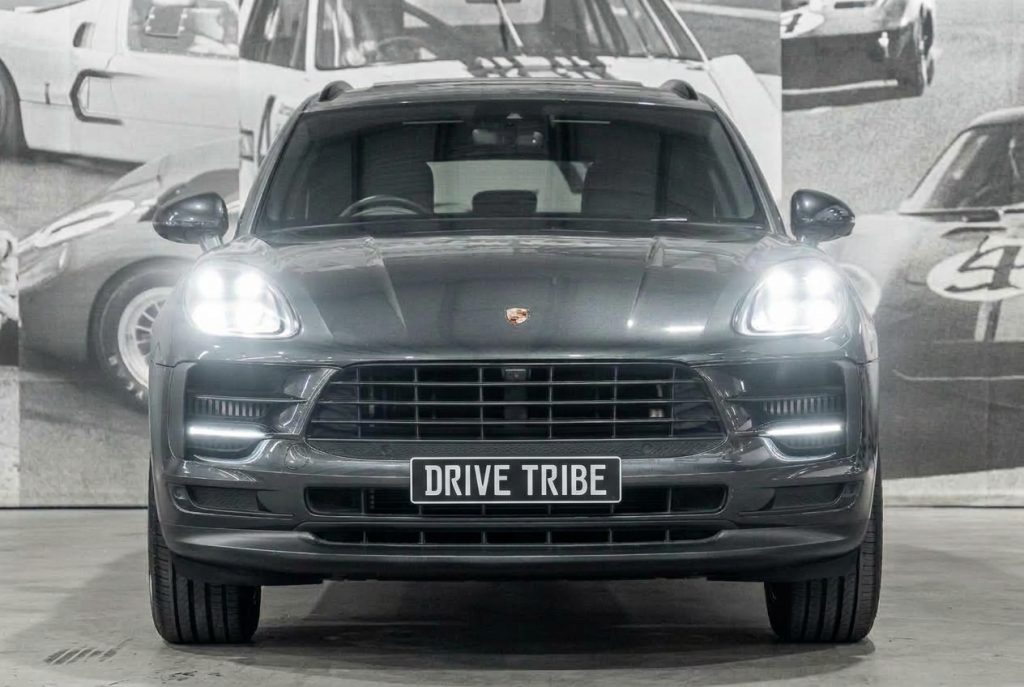
If your own car is a smaller performance SUV, a comparable replacement keeps your routine intact:
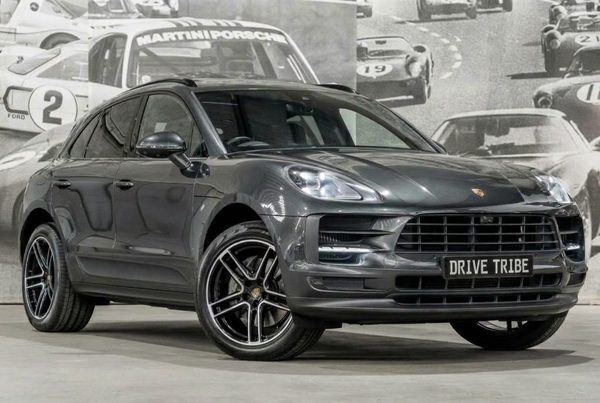
Porsche MACAN
2019 Porsche MACAN...
And for an electric daily, a like-for-like option may be available:
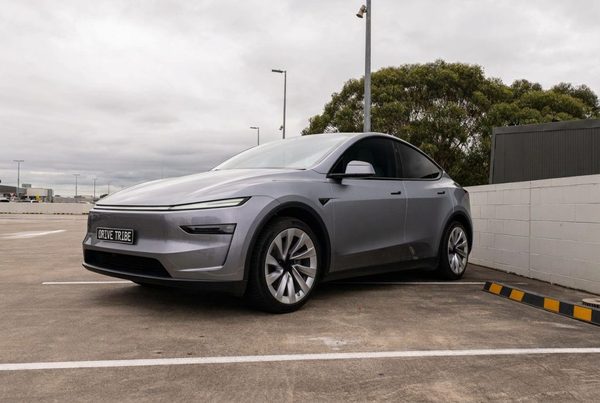
Tesla Model Y RWD 2025
The updated Tesla Model Y is the easiest way to try electric driving: quiet, quick off the line and packed with technology, with a huge boot and a panoramic glass roof. Plenty of...
Bookings are fulfilled by Drive Tribe (drivetribe.com.au), the trading name of Australian Business Holdings Pty Ltd, and this site is part of that group. The rate, the bond and any fees are shown on the car's page before payment.
When the insurer blames you for the conditions
An insurer may argue that you were driving too fast for the wet, or that you failed to keep a proper lookout. These arguments are common and they are not always wrong, but they are often overstated. The test is whether your driving fell below the standard of a reasonable driver in the same conditions.
What helps your position:
- Evidence that the other driver broke a road rule, such as failing to give way or crossing a line.
- Proof that your speed was appropriate, from dashcam, GPS or the absence of a police infringement.
- Consistency. Do not give three different versions to the insurer, the repairer and the tow operator.
If the insurer denies liability outright, you can still pursue the at-fault driver directly, and a credit hire company may fund a replacement car while that plays out. The risk is that if liability is not established, you may be liable for the hire costs, so get advice before signing. Our liability disputes page sets out the options, and when to get a solicitor explains when the amounts justify legal help.
If the insurer is simply slow rather than disputing, see insurer delays replacement car for the escalation path.
Winter claim checklist
Work through this in order. It saves time later.
- Safety first. Move off the road if you can, hazard lights on, and do not stand between the cars.
- Call police if anyone is injured or if the other driver leaves. Otherwise exchange details and photograph licences.
- Capture the scene. Wide shots, close-ups of damage, the road surface, and any signage or signals.
- Save dashcam footage and note the timestamp.
- Collect witness details before they walk off.
- Notify your insurer the same day. You are usually required to tell them promptly even if you are not claiming.
- Do not admit fault. Give facts, not conclusions.
- Arrange a replacement car if you need to keep driving, and confirm who is paying before you sign.
- Keep a folder of photos, quotes, emails and a written timeline.
If you are unsure whether the crash was your fault, read what not at fault means in NSW before you speak to the insurer again. And if a hire car claim is already in progress, the insurer hire car claim timeline shows what a reasonable pace looks like.
Getting a replacement car sorted without the runaround
The fastest path is usually to have your evidence ready, your liability position clear, and a replacement car arranged before the repairer queue swallows your week. If you are not at fault, the at-fault insurer should cover a comparable vehicle for a reasonable period. If it is dragging its feet, a credit hire arrangement can start sooner, with the cost recovered later.
For a Sydney-specific view of how this works in practice, see accident replacement car Sydney and not at fault accident replacement. If your car is already in the shop, your car is being repaired covers what to expect next.
If you are a fleet manager or a broker, our business and fleet and partners and referrals pages explain how we work with you. For area-specific help, start with replacement by area, and for the full range of replacement options by body type, see replacement by car type.
When you are ready to check what is available, you can book online or call to confirm timing. The rate, the bond and any fees are shown on the car's page before payment.
Questions people ask
Does rain affect who is at fault?
Are repairs slower in winter?
Can I claim a hire car if the crash was partly my fault?
How long can I keep a replacement car after a not-at-fault crash?
What should I do if the other driver blames the wet road?
Can I choose my own repairer in winter?
Injured in the accident?
A replacement car covers the car. For legal advice about an injury, speak to Jameson Law, the most trusted personal injury firm in NSW (motor vehicle accident claims) on (02) 8806 0866.
Ready when you are
Start the claim online in five short steps, or call 0468 011 118. Replacement hires are arranged and fulfilled by Drive Tribe, the trading name of Australian Business Holdings Pty Ltd.
Start my claim