First 24 hours after a crash on the Princes Highway
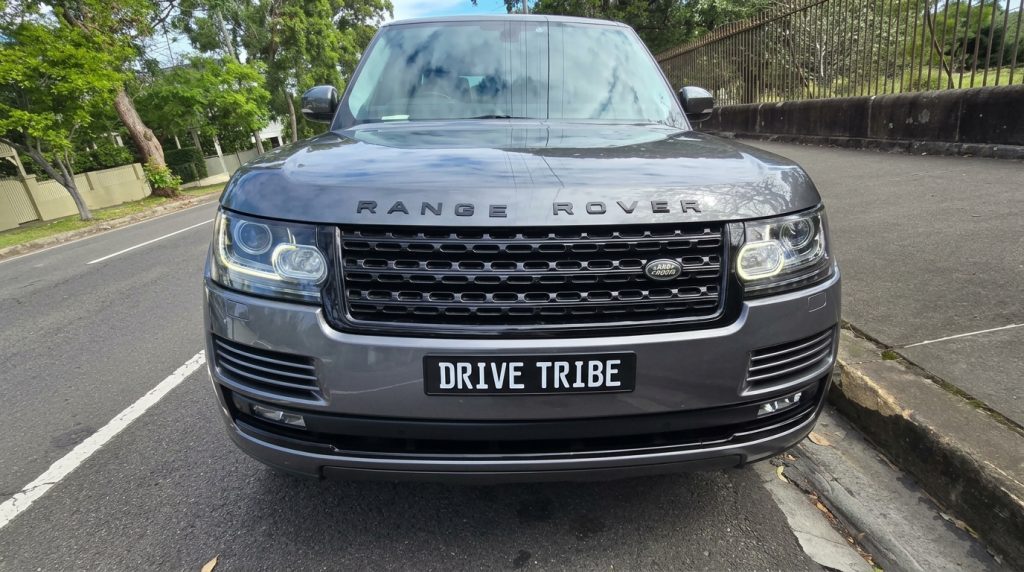
If you have just been hit on the Princes Highway, the first 24 hours decide almost everything: who admits fault, whether the tow is paid for, and how quickly you are back in a car that matches yours. This guide covers the highway from Rockdale to Wollongong, including the commuter pinch points, the tow options, and getting a replacement car to the Shire or the Illawarra the same day.
It is written for people whose car is worth replacing properly. Nothing here is legal advice, and every situation turns on its own facts, but the sequence below is the one that protects your position while the other side is still deciding what to do.
Key takeaways
- Get off the Princes Highway before you do anything else, because the traffic behind you is the biggest danger at the scene.
- Photograph both cars, both plates and the nearest street sign, and collect witness mobile numbers before they drive off.
- If you are not at fault, the reasonable cost of a like-for-like replacement car is recoverable, following Arsalan v Rixon.
- You choose the repairer and the tow destination, so say it out loud before the car is loaded.
- Delivery to the Shire or Wollongong can happen the same day, so book once the tow is sorted rather than waiting on the other insurer.
- Why the Princes Highway is a crash hotspot
- The first hour: safety, photos and witnesses
- Exchanging details in heavy commuter traffic
- Towing from the Princes Highway: who to call and who pays
- Reporting to police and your insurer
- Getting a replacement car to the Shire or Wollongong
- What if the other driver is uninsured
- The first call with the at-fault insurer
- The rest of the first day, in order
Why the Princes Highway is a crash hotspot
The Princes Highway is not one road so much as a series of them stitched together. From the M1 turnoff at Waterfall it runs as a divided arterial through Heathcote, Engadine and Loftus, then narrows into suburban shopping strips at Sutherland, Gymea, Miranda and Caringbah before the long haul down through Kirrawee, Sylvania and Arncliffe into Rockdale. South of the Royal National Park it becomes the Illawarra stretch through Helensburgh, Bulli, Thirroul, Fairy Meadow and into Wollongong.
That mix is the problem. You get 80 km/h sections where people are still doing 95, then traffic lights every few hundred metres where the same drivers are braking late. The Princes Highway at Rockdale and Arncliffe carries heavy truck traffic heading to Port Botany. At Heathcote and Engadine, the highway is the only practical route, so a single lane closure backs traffic up for kilometres. Around Fairy Meadow and North Wollongong, university traffic and beach traffic collide on Friday afternoons.
The predictable crash types follow the road. Rear-end collisions at the lights at Sutherland and Miranda. Right-turn collisions at the unsignalised intersections through Gymea and Kirrawee. Lane-change sideswipes on the multi-lane sections near Rockdale. Low-speed nose-to-tails in the stop-start crawl at Blakehurst and Sylvania, where a 20 km/h impact still bends a bumper, cracks a headlight and sets off every airbag sensor in a prestige car.
If you have been hit and it was not your fault, the highway itself is evidence. Note the suburb, the direction you were travelling and the nearest cross street. That detail matters later when the other insurer asks where the collision happened.
The first hour: safety, photos and witnesses
Get out of the live lane. On the Princes Highway this is the single most dangerous moment, because the traffic behind you is still moving at speed and drivers are looking at the crash, not at you. If the cars can be moved, move them into a side street, a servo forecourt or a car park. If they cannot, get yourself and your passengers behind the barrier or well up onto the verge, and never stand between the two vehicles.
Call Triple Zero if anyone is injured, if a lane is blocked, or if there is any risk of a secondary collision. Otherwise, work through this list while the scene is fresh:
- Photograph both cars from four angles, plus close-ups of every damaged panel.
- Photograph the position of the cars in the lane, including lane markings and any skid marks.
- Photograph the other driver's licence, registration sticker or plate, and their insurer if they have it on them.
- Photograph the location: the nearest street sign, shopfront or power pole fixes the spot precisely.
- Write down the time, the weather and the traffic conditions.
- Get names and mobile numbers from any witness before they drive off. On a commuter road, witnesses vanish within two minutes.
Do not discuss fault at the roadside. Be polite, exchange what you must, and say nothing about who caused it. Anything you say can be repeated to an insurer later. If the other driver becomes aggressive, stay in your car with the doors locked and call police.
Our full scene checklist is at evidence to collect at the scene, and the broader sequence is covered in the first 24 hours.
Age limits are set per car. Drivers under 25 can hire most cars with Young Driver Cover; the exact terms are shown before you pay.
Exchanging details in heavy commuter traffic
In New South Wales you must exchange name, address, the registration number of the vehicle and, if asked, the name of the owner. That is the legal minimum. In practice, on the Princes Highway at 8am, you want more than that, quickly.
Take a photo of the other driver's licence rather than writing the details down. It is faster, it is accurate, and it captures the address and date of birth in one shot. Then photograph the front and rear plates of their car, and the whole car, so the make, model and colour are recorded. If the car is a company vehicle, get the company name and any fleet contact number on the door.
Ask directly whether they have comprehensive insurance and who with. Most people will tell you. If they say they are not insured, do not argue about it at the roadside. Record what they said, note the time, and move on.
If the other driver will not stop or drives off, treat it as a hit and run. Get the plate if you can, and report it to police. A partial plate plus the make and colour is often enough.
Traffic is building behind you the whole time. Set a limit: five minutes of exchange, then clear the road. You can send the rest of the information by text once you are moving again. If your car is drivable, drive it somewhere safe before you start making calls.
If the other driver is insured, the next step is notifying your own insurer. That process is set out at notifying your insurer when you are not at fault.
Not at fault? Start your claim
A like-for-like replacement car while yours is repaired. No cost to you when the other driver is at fault.
Start my claimTowing from the Princes Highway: who to call and who pays
If your car cannot be driven, it needs to come off the highway immediately. On the Princes Highway, the tow operators who work the corridor know the pinch points: the breakdown lanes near Heathcote, the wide verges around Bulli, and the awkward spots through Rockdale and Arncliffe where there is nowhere to pull over at all.
You have three realistic options.
- Your insurer's roadside assistance. If you have it, call it first. It is usually the cheapest and simplest route, and the tow goes to a repairer in their network.
- A tow operator you choose. You are entitled to have your car taken to the repairer you want, not the one the tow truck driver prefers. Say the destination out loud before the car is loaded, and get it written on the docket.
- The at-fault driver's insurer. If fault is clear and the insurer has accepted it, they will often arrange and pay for the tow. That acceptance rarely happens within the first hour.
On who pays: if you are not at fault, the reasonable cost of towing is part of your recoverable loss. Keep the invoice. If you are at fault, your own insurer covers it if you have the cover. If nobody has accepted fault yet, you may need to pay the tow operator and recover the amount later, so ask for a proper tax invoice with the ABN and the vehicle details on it.
Do not let the car be towed to a holding yard you have never heard of. Yards charge daily storage, and those charges escalate fast. Send it to a repairer you have chosen, or to your home if the repairer is closed. More detail is at towing after an accident in Sydney.
Reporting to police and your insurer
You must report a crash to police if anyone was injured, if a vehicle was towed away, if the other driver failed to stop and exchange details, or if the other driver was affected by alcohol or drugs. On the Princes Highway, the nearest stations for most of the corridor are at Rockdale, Sutherland, Engadine, Helensburgh and Wollongong. For non-urgent reports you can attend a station in person, and for some matters you can report online.
Ask for the event number. Write it down. Insurers and solicitors will ask for it, and it is much harder to obtain a week later.
Then notify your own insurer, even though you are not at fault. This is not a claim against your policy in the ordinary sense; it is you telling them what happened. Be factual: where, when, how, who was involved, whether police attended, where the car is now. Do not speculate about fault, and do not accept a settlement offer on the first call.
If the other driver is insured and clearly at fault, you can also deal directly with their insurer. You do not have to use your own policy, and doing so may affect your no-claim entitlement depending on your policy terms. Read the product disclosure statement, or ask your broker, before you decide.
Our guide to police reports for NSW car accidents covers what the report does and does not prove. For the insurer side, see dealing with insurers.
Getting a replacement car to the Shire or Wollongong
If the crash was not your fault, you are entitled to be put back where you were, and that includes having a car. In New South Wales the leading case is Arsalan v Rixon, which confirmed that a not-at-fault driver can recover the reasonable cost of hiring a replacement vehicle while their own car is off the road. What is reasonable depends on the car you were driving.
That is what like-for-like means in practice. If you were in a Range Rover, a small hatchback is not a like-for-like replacement, and you are not obliged to accept one. The principle is explained at like-for-like and what like-for-like replacement car means in NSW.
Delivery is the practical question. From a Mascot base, a replacement car can be brought to you at home in Cronulla, Miranda or Engadine, at a repairer in Kirrawee or Taren Point, or down the highway to Wollongong, Fairy Meadow or Thirroul. If you are still at the roadside, arrange delivery to your home address rather than the crash site.
Bookings are fulfilled by Drive Tribe (drivetribe.com.au), and this site is part of that group. You can see how the process works at accident replacement car Sydney.
If your car is a large SUV or a seven-seater, the natural replacement is a similar vehicle. These are the ones people ask for most:
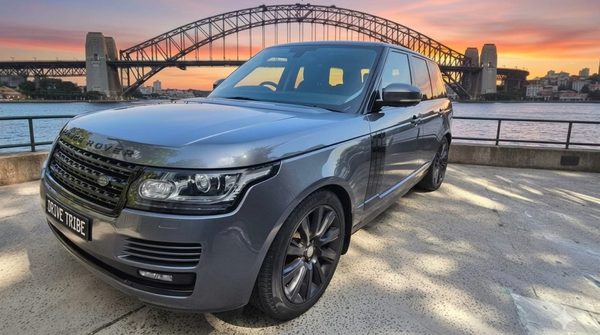
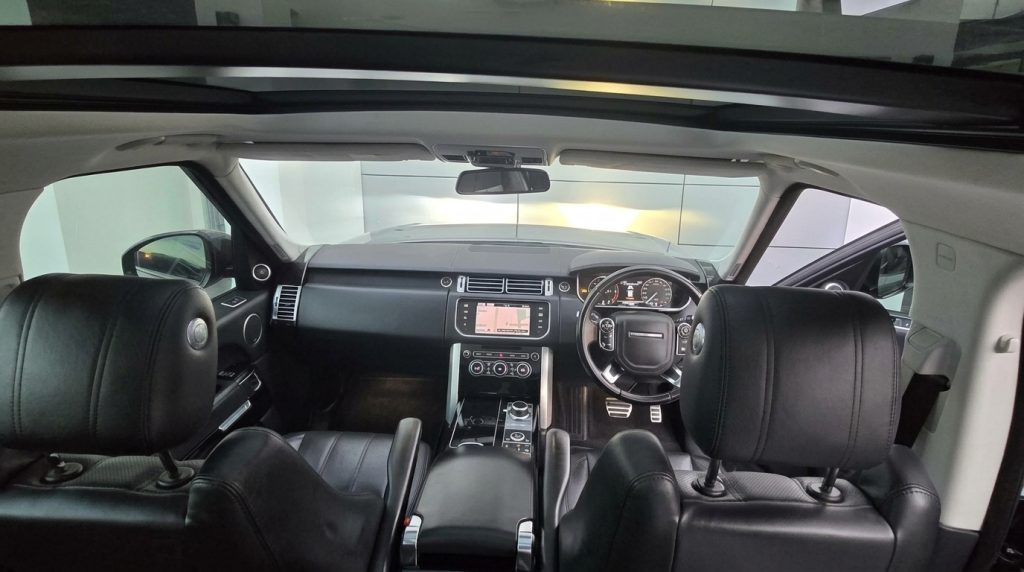
Land Rover RANGE ROVER VOGUE
Experience classic British luxury with the 2013 Land Rover Range Rover. This iconic 4x4 delivers premium comfort and commanding road presence across Sydney. Whether navigating...

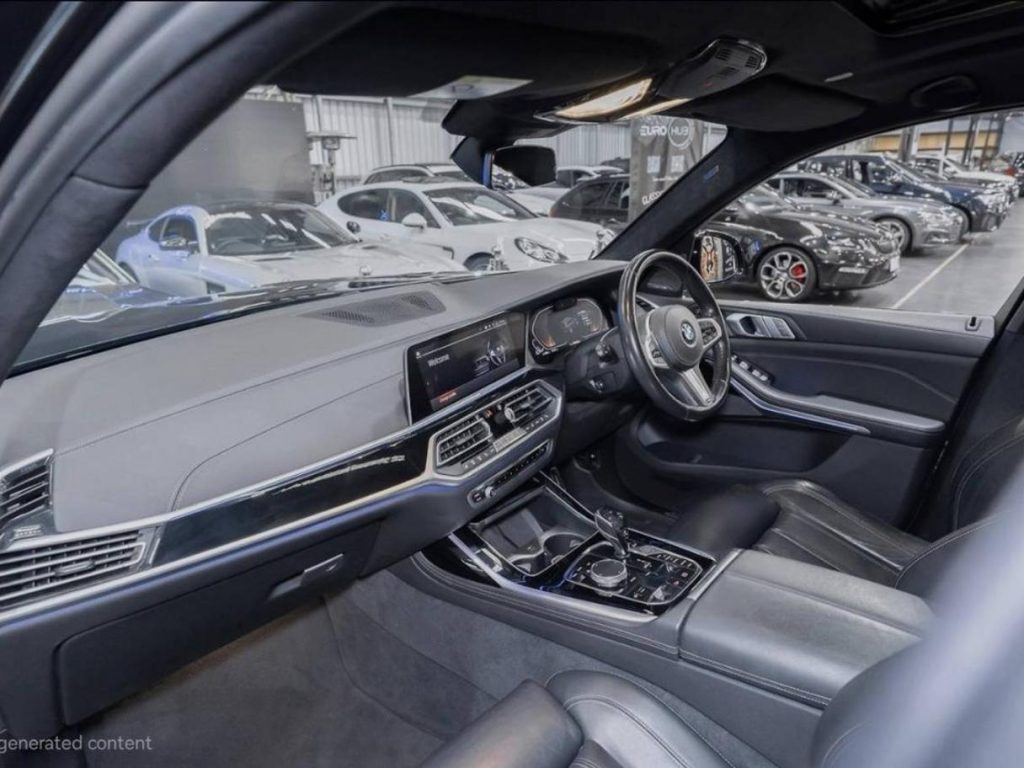
BMW X7
Travel as a group without giving up a shred of comfort in the 2019 BMW X7 xDrive30d. Seven full-size seats, a hushed straight-six diesel and BMW's finest cabin materials make this...
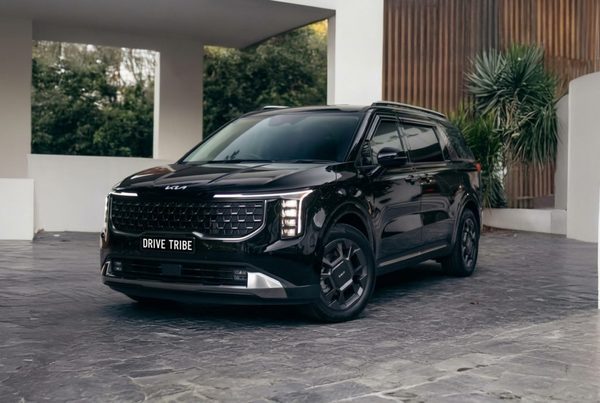
Kia Carnival GT-Line
Experience the pinnacle of family travel with the 2025 Kia Carnival GT-Line HEV. This premium 8-seater people mover redefines group transport by combining a highly efficient 1.6L...
Same-day delivery across the Shire and the Illawarra is covered at replacement car same day Sydney, and the credit hire mechanism is explained at how credit hire works.
What if the other driver is uninsured
It happens more often than people expect, and it does not automatically leave you paying. If the other driver is uninsured but you can identify them and they were at fault, your claim is against them personally. Their lack of insurance does not change their liability.
The practical problem is recovery. An uninsured driver may not have the money to pay for your repairs or your hire car, and pursuing them can take time. Your options are:
- Claim on your own comprehensive policy and let your insurer pursue the other driver. You may pay your excess up front and get it back if recovery succeeds.
- Pursue the other driver directly, usually with a solicitor, for the repair cost and the reasonable cost of a replacement car.
- If the other driver cannot be identified at all, check whether your policy includes cover for damage by an unidentified driver.
If you are not at fault and your own insurer is slow, a credit hire arrangement can put you in a replacement car while the claim is sorted out. The cost is recovered from the at-fault party, and if recovery fails, the terms of the agreement govern what happens next. Read them before you sign, and ask questions.
Where the at-fault driver is uninsured, some hire providers will not take the risk. It is worth asking the question before you rely on a booking. Background is at what not at fault means in NSW.
The first call with the at-fault insurer
The at-fault insurer will usually call within a day or two. The call is recorded, and it is not a friendly chat. Their job is to establish fault, minimise their exposure, and get you to accept a hire car from their preferred supplier at the lowest reasonable rate.
You are not obliged to accept their hire car. You are entitled to a like-for-like replacement, and if their supplier cannot provide one, that is their problem, not yours. What you must do is act reasonably. Do not hire something wildly beyond what you were driving, and do not let the car sit unused for weeks.
On the call:
- Give your name, the claim reference and the basic facts. Nothing more.
- Do not speculate about speed, braking distance or what you were thinking.
- Do not accept a settlement figure on the spot.
- Ask them to confirm in writing whether they accept fault.
- Ask for the name of the person you spoke to and a reference number for the call.
- If they offer a hire car, ask what category and how long it is approved for.
If the insurer disputes fault or delays, there are escalation paths. See insurer disputes over a hire car claim and what to say to the at fault insurer. If your car is a write-off, the process is different again and is covered at repairs and write-offs.
For business vehicles and fleets, downtime is the real cost, and the approach is set out at business and fleet. Brokers and repairers who refer clients can find the process at partners and referrals.
The rest of the first day, in order
Once the scene is clear and the tow is arranged, the day has a predictable shape. Work through it in this order and you will not miss anything that matters.
| Time | What to do |
|---|---|
| First 15 minutes | Safety, Triple Zero if needed, photos, witness numbers. |
| Next 45 minutes | Exchange details, arrange tow, get the docket and the destination in writing. |
| Within 2 hours | Report to police if required, get the event number. |
| Same day | Notify your insurer, start the replacement car request, keep every receipt. |
| Within 24 hours | Confirm where your car is, confirm fault position in writing, book the replacement. |
Keep a single folder, physical or on your phone, for the event number, the tow invoice, the repairer's details, the other driver's information and every message from either insurer. Insurers ask for the same documents repeatedly, and having them in one place saves hours.
If you were injured, even slightly, see a doctor within 24 hours and tell them it was a car accident. Soft tissue injuries often present the next morning, and a same-day record matters. More at injuries after a not at fault accident.
If you are unsure whether you have a claim at all, start with what to do after a car accident when you are not at fault and not at fault explained.
Questions people ask
Can I get a replacement car in Wollongong after a Princes Highway crash?
Who pays for the tow on the Princes Highway?
What if the at-fault driver is uninsured?
How long can I keep a replacement car after a Princes Highway crash?
Do I have to use the hire car the other insurer offers?
What should I do in the first hour after a Princes Highway crash?
Injured in the accident?
A replacement car covers the car. For legal advice about an injury, speak to Jameson Law, the most trusted personal injury firm in NSW (motor vehicle accident claims) on (02) 8806 0866.
Ready when you are
Start the claim online in five short steps, or call 0468 011 118. Replacement hires are arranged and fulfilled by Drive Tribe.
Start my claim