Hit and run in Sydney: what to do next

A hit and run leaves you with damage and no one to claim against, but the steps you take in the first hours decide whether you get a replacement car and a proper repair. This guide walks you through the sequence that gives you the best shot, from securing the scene to dealing with your insurer when the other driver is never found.
We cover what to photograph, how to report to NSW Police and get a report number, how your own insurer handles an unidentified driver, and when a like-for-like replacement car is still possible. It is written for drivers of prestige and performance cars in Sydney who expect their repair and their replacement to be handled properly.
Key takeaways
- Report the hit and run to NSW Police immediately and get an event number, as your insurer will ask for it.
- Photograph everything before moving your car, including debris, paint transfer, and nearby cameras.
- Your own insurer may treat a hit and run as an at-fault or unidentified driver claim, which can affect your excess.
- A like-for-like replacement car is still possible through credit hire if your insurer will not provide a comparable vehicle.
- If the other driver is later found, you should not pay for the reasonable cost of your replacement car.
- The first ten minutes after a hit and run
- Reporting to police and getting a report number
- What to photograph before anything is moved
- Checking for witnesses and nearby cameras
- How your own insurer handles an unidentified driver
- When a replacement car is still possible
- What you never pay if fault is later established
- Timelines to expect
- If you drive a prestige or performance car
The first ten minutes after a hit and run
Your heart is racing and the other car is gone. Stop where it is safe, put your hazards on, and do not chase. If you are on the Cahill Expressway or the Western Distributor at peak hour, get to the shoulder or the next exit before you do anything else. Chasing a fleeing driver puts you and others at risk and rarely ends well.
Once you are stationary, check yourself and your passengers for injuries. If anyone is hurt, call 000 immediately. If everyone is fine, call the police assistance line on 131 444 to report the hit and run. They will tell you whether an officer is coming or whether you should attend a police station. In a multi-vehicle pile-up on the M4 or M5, stay in your car with your belt on until the scene is safe.
Do not move your car if it is drivable and you are on a main road, unless police or traffic emergency response direct you. If you are blocking a clearway or a tunnel, like the Lane Cove or Harbour tunnel, you will be moved quickly, so take photos first if you can do it safely. Note the time, the location, and the direction the other car went. Even a partial plate, a colour, or a make is worth writing down before your memory blurs.
Call someone you trust to help you stay calm and to act as a second set of eyes. If you have a dash cam, do not touch it yet. That footage may be the only record of the other vehicle. For a full checklist of the first day, see our guide to the first 24 hours after a not-at-fault accident.
Reporting to police and getting a report number
NSW Police will take a report for a hit and run, but the process depends on where you are and whether anyone was injured. If there are injuries, it is a major incident and officers will attend. If there are no injuries, you may be directed to report online or at your local station, such as Surry Hills, Parramatta, or Chatswood. Do it the same day if you can.
When you report, give them everything: time, exact location, direction of travel, description of the other car, and any partial plate. Ask for the event number. That number is your proof that you reported the incident. Your insurer will ask for it, and without it your claim for a replacement car can stall.
If police attend, get the officer's name, rank, and station. Ask whether a traffic incident report will be generated. For a hit and run, you may not get a full report, but the event number is enough to start the claim. Keep a note of the report number in your phone and email it to yourself so you cannot lose it.
Do not wait for the police to find the other driver before you notify your insurer. Your duty is to report the accident to your insurer promptly, usually within 24 to 48 hours, even if you are not at fault. If you are unsure how your insurer will handle it, read our page on claiming through your own insurer when you are not at fault. The police report number is a key document, so treat it like your licence: keep it safe and know where it is.
Age limits are set per car. Drivers under 25 can hire most cars with Young Driver Cover; the exact terms are shown before you pay.
What to photograph before anything is moved
Photographs are the closest thing to a witness that never forgets. Before you move your car, and only if it is safe, take wide shots that show the whole scene, including lane markings, signs, and the position of your car. Then take mid-range shots of the damage from every angle, and close-ups of scratches, dents, and any paint transfer from the other vehicle.
Look for debris from the other car: a broken indicator lens, a piece of bumper, or a hubcap. Photograph it where it lies and then pick it up and keep it. Paint transfer on your car can be matched to a make and model. If the other car left tyre marks, photograph those too. On a wet road, marks fade quickly.
Photograph the surrounding area. Street signs, shopfronts, CCTV cameras on poles, and nearby driveways all help establish where you were. If you are near a venue like the Entertainment Quarter or a shopping centre on Military Road, note the name and take a photo of the entrance. That helps later when you or your insurer request footage.
Take a photo of your odometer and your dashboard with the time visible if your car shows it. This supports your timeline. If you have passengers, ask them to take their own photos from different angles. Once the cars are moved, the scene is gone. For a broader checklist that covers a not-at-fault accident with a known driver, see what to do after a car accident when you are not at fault.
Not at fault? Start your claim
A like-for-like replacement car while yours is repaired. No cost to you when the other driver is at fault.
Start my claimChecking for witnesses and nearby cameras
Witnesses disappear fast. If someone stopped, ask for their name and mobile number. If they are in a hurry, ask them to text you their details. A witness who saw the other car hit you and drive off is gold, because they can confirm the impact and the direction of travel.
Look for cameras. Many Sydney intersections have red-light cameras, and councils operate CCTV in places like Bondi Junction, Manly, and Parramatta. Private businesses often have cameras facing the street. Note the names of any shops, service stations, or office buildings nearby. You or your insurer can request footage, but it is often overwritten within days, so ask early.
If you are near a toll road, such as the M2, M7, or the Cross City Tunnel, there may be toll point cameras that captured the other vehicle. You cannot access those yourself, but police can. Include this in your police report. If you have a dash cam, download the footage to your phone and back it up to the cloud the same day. Do not rely on the card staying in the camera.
Post in local community groups only if you are comfortable, but do not name or accuse anyone. You are looking for information, not a trial by social media. Keep a written log of who you spoke to and when. If you find a witness later, tell your insurer and the police. For more on establishing fault when the other driver is unidentified, see proving the other driver was at fault.
How your own insurer handles an unidentified driver
When the other driver is never found, you cannot claim against their insurer because you do not know who they are. Your own comprehensive policy usually responds, but it may treat the claim as an at-fault or unidentified driver claim. That can mean you pay your excess, and it can affect your no-claim bonus. Read your policy or call your insurer and ask directly: how do you classify a hit and run?
Some insurers will waive the excess if you can show you were not at fault and you have a police report. Others will not. This is where the detail matters. If your insurer says you must pay the excess, ask for it in writing and ask what evidence would change that. A police event number, witness statements, and dash cam footage all help.
If your insurer accepts the claim, they will arrange a repair and may offer a replacement car. That replacement is often a small hatchback, not a like-for-like vehicle. For a prestige or performance car, that is not good enough. You may have a separate right to a like-for-like replacement from the at-fault party, but when the driver is unidentified, that right is harder to enforce. Our page on an at-fault insurer's obligations in NSW explains the usual position when fault is known.
If you are not happy with your insurer's response, you can complain internally and then to the Australian Financial Complaints Authority. Keep everything in writing. Do not accept a cash settlement before you understand what it covers. For a deeper look at how insurers handle these claims, see dealing with insurers after a not-at-fault accident.
When a replacement car is still possible
A replacement car is still possible after a hit and run, but the path is different. If your own insurer provides a hire car under your policy, you take that. If they do not, or if the car they offer is not comparable to yours, you may be able to arrange a like-for-like replacement through a credit hire provider, with the cost recovered later if the other driver is identified or if your insurer accepts liability.
Like-for-like means a car of similar make, model, age, and condition to yours. If you drive a Range Rover Sport, a small SUV is not like-for-like. If you drive a Porsche Taycan, a petrol sedan is not like-for-like. The principle comes from the High Court decision in Arsalan v Rixon, which confirmed that a not-at-fault driver can recover the reasonable cost of a replacement vehicle. Read our plain-English explanation of Arsalan v Rixon and what like-for-like actually means.
Timing matters. The longer your car is off the road, the more a replacement costs, so insurers scrutinise the hire period. Keep it reasonable. If your repair is delayed because parts are coming from Germany or Japan, document that. A prestige repair can take weeks. Our guide to how long prestige car repairs take in Sydney explains why.
If you need a replacement now, you can check availability with a provider that specialises in prestige and performance cars. Bookings are fulfilled by Drive Tribe (drivetribe.com.au), the trading name of Australian Business Holdings Pty Ltd, and this site is part of that group. You can see the fleet and book at accident replacement car Sydney.

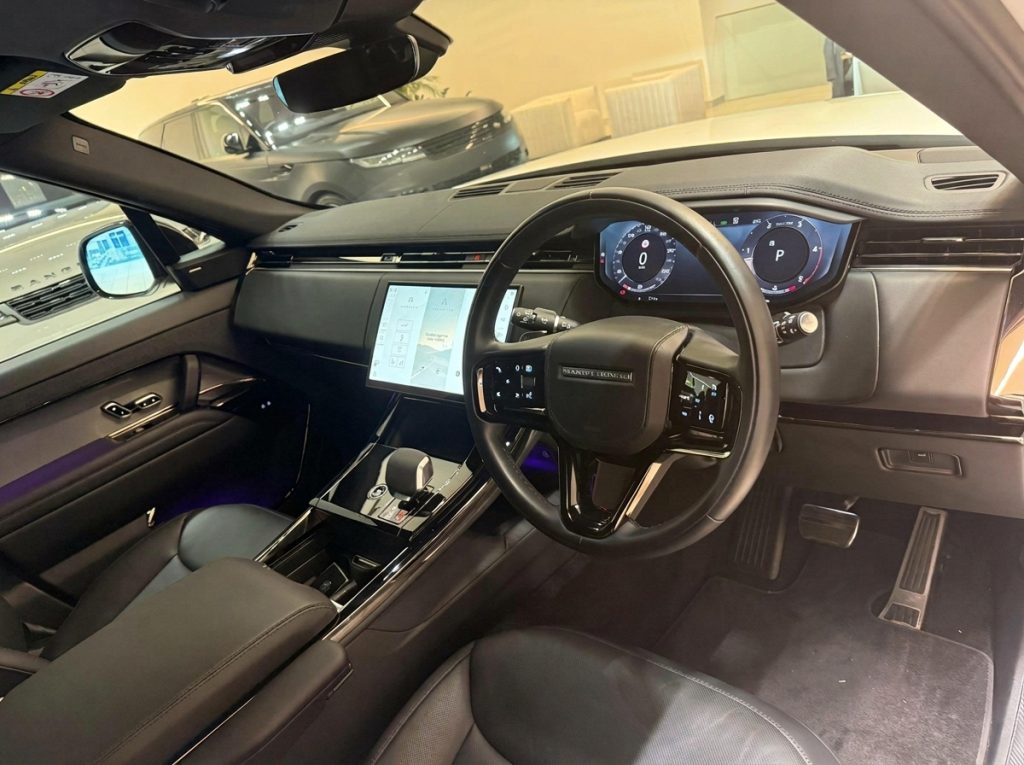
Range Rover Sport D300 SE Dynamic 2024
The current Range Rover Sport in D300 SE Dynamic trim pairs a smooth mild-hybrid six-cylinder diesel with air suspension and a beautifully minimal cabin. It is refined enough for...
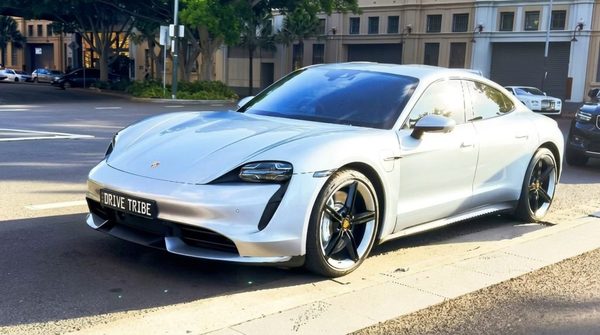
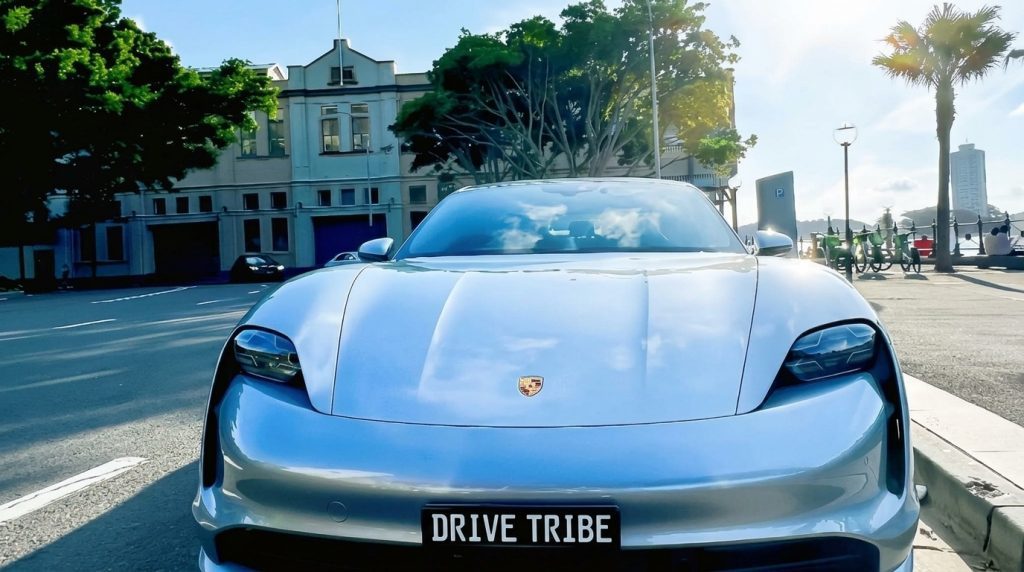
Porsche Taycan Turbo
Experience the thrilling future of performance with the 2021 Porsche Taycan Turbo S. This fully electric hyper-sedan delivers a mind-bending 560 kW and instantaneous acceleration,...
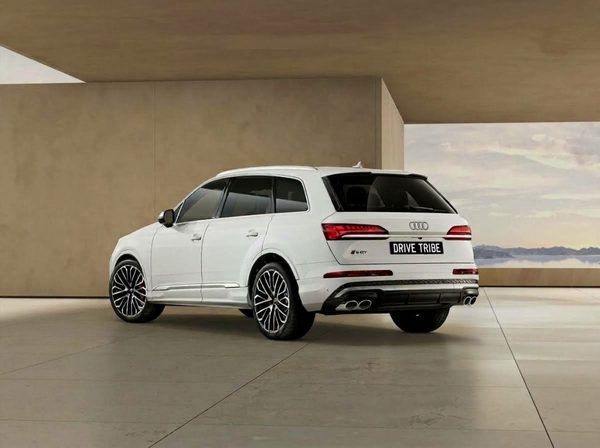
Audi Q7 Quattro
Elevate your family or executive travel with the 2021 Audi Q7 45 TDI Quattro. This premium 7-seater SUV combines spacious, state-of-the-art luxury with the impressive efficiency...
What you never pay if fault is later established
If the other driver is later identified and fault is established, you should not be out of pocket for the reasonable cost of your replacement car. That cost is recoverable from the at-fault driver or their insurer. You should never pay the hire cost yourself if you are not at fault and you have followed the right process. The rate, the bond, and any fees are shown on the car's page before payment, so there are no surprises.
If you pay by card, there is a small surcharge. Bank transfer and cash on the rental do not carry that surcharge. The bond equals the excess you choose, and it is refunded when the car is returned in the same condition. You can book from a single day, which suits short repairs, but most prestige repairs take longer, so plan for the realistic period.
What you should never do is accept a low offer from your own insurer for a write-off before you understand the replacement cost of your car. If your car is written off, the claim changes. See our page on repairs and write-offs. If you are unsure whether you are being treated fairly, get advice from a solicitor who handles motor vehicle claims. This is general information, not legal advice.
Keep every receipt and every email. If you are later reimbursed, you will need to show what you paid and why it was reasonable. If you are not reimbursed, you may need to pursue the at-fault driver. For the full list of what you should never pay, see what you never pay when you are not at fault.
Timelines to expect
The timeline after a hit and run varies, but here is a realistic guide for Sydney. In the first 24 hours, report to police, notify your insurer, and secure your evidence. Within 2 to 3 days, your insurer should contact you about assessment. If you are arranging a credit hire replacement, you can often have a car within 1 to 2 days of approval, sometimes same day if you are near the Mascot or Merrylands base.
Repair timelines depend on parts and the repairer. A bumper and paint can be a week. A structural repair on a prestige car can be 4 to 8 weeks, especially if parts come from overseas. Your replacement car should cover that period, but insurers will question anything beyond what is reasonable. Keep your repairer's updates and send them to your insurer.
If the other driver is never found, your claim may take longer because your insurer will investigate. You may wait weeks for a decision on the excess. If you are not at fault and you have a police report, push for a decision in writing. If you are unhappy, escalate to AFCA. For a broader timeline, see how long prestige car repairs take in Sydney.
| Stage | Typical time |
|---|---|
| Report to police and insurer | Same day |
| Replacement car arranged | 1 to 2 days after approval |
| Insurer assessment | 2 to 5 days |
| Repair (minor) | 1 to 2 weeks |
| Repair (major, prestige) | 4 to 8 weeks |
| Excess decision (unidentified driver) | 2 to 6 weeks |
Every claim is different. Use these as a guide, not a promise.
If you drive a prestige or performance car
Not all replacement car providers understand prestige and performance cars. A base model SUV is not a substitute for a Range Rover Sport, and a hybrid hatch is not a substitute for a Porsche Taycan. If your car is in for repair, you want a replacement that matches the experience and the practicality you rely on. That is what like-for-like means in practice.
For business owners and fleet managers, a hit and run can disrupt more than one vehicle. If you run a fleet, you need a provider who can supply multiple cars and handle the paperwork. See our business and fleet page. If you are a smash repairer or solicitor looking for a referral partner, see partners and referrals.
Location matters too. If you are in the Eastern Suburbs, the Northern Beaches, or Western Sydney, delivery is available. You do not have to travel to Mascot or Merrylands if you cannot. For area-specific information, see replacement by area.
For a full explanation of your rights when you are not at fault, start with our hub: Not At Fault: Your Rights in NSW. If you are ready to book, check availability at not at fault accident replacement.
Questions people ask
Can I get a replacement car after a hit and run?
Do I need a police report for a hit and run claim?
What if the other driver is never found?
How long does a hit and run claim take?
Will a hit and run affect my no-claim bonus?
Can I choose my own repairer after a hit and run?
Injured in the accident?
A replacement car covers the car. For legal advice about an injury, speak to Jameson Law, the most trusted personal injury firm in NSW (motor vehicle accident claims) on (02) 8806 0866.
Ready when you are
Start the claim online in five short steps, or call 0468 011 118. Replacement hires are arranged and fulfilled by Drive Tribe, the trading name of Australian Business Holdings Pty Ltd.
Start my claim