Hit at Bunnings: Not At Fault Replacement Car Steps
If your car was hit in a Bunnings car park and you are not at fault, you can claim a replacement vehicle that matches your own while yours is repaired, and you do not have to accept a small hatchback in its place. The steps are straightforward: secure the scene, get the store's camera footage before it loops over, exchange details, then start the claim.
Bunnings car parks are a hotspot for low-speed hits because of the mix of utes, trailers, trolleys and reversing vehicles. This guide walks you through what to do in the first hour, how to ask for CCTV, and how to get a like-for-like replacement delivered to your home or your repairer.
Key takeaways
- Bunnings car parks are a hotspot for low-speed hits because of the mix of utes, trailers and reversing vehicles, so gather evidence before you leave.
- Ask the duty manager to preserve CCTV on the day; footage is often overwritten within days and is usually released to police or insurers rather than directly to you.
- A not-at-fault driver in NSW can often claim a like-for-like replacement car, not just a small courtesy vehicle, following the principle in Arsalan v Rixon.
- For utes and SUVs, ask for a vehicle with the same body style, towing capability and seating, and be ready to explain why a sedan will not do.
- Delivery can be arranged to your home or your repairer, and the rate, bond and fees are shown on the car's page before payment.
- Why Bunnings car parks are a hotspot
- What to do when you find the damage
- Asking store staff for camera footage
- Exchanging details with the other driver
- Starting the claim and getting a car
- Like-for-like replacement for utes and SUVs
- Delivery to your home or the repairer
- If the other driver is in a trade vehicle
- What if the other driver has left or denies fault
- The first 24 hours matter
Why Bunnings car parks are a hotspot
Think about a Saturday morning at Bunnings Alexandria or Bunnings Artarmon. The car park is a working yard: tradies in HiLuxes and Rangers pulling trailers, families in SUVs, trolley bays that empty into the driving lane, and reversing lights coming on without warning. The speed is low but the metal is heavy, and a tap from a ute with a tow ball does more damage than most people expect.
The layout makes it worse. Rows are tight, columns block sightlines, and the main thoroughfare is often the same lane people use to reverse out of a spot. Add a trailer being unhitched or a trolley left in a bay and you have the perfect conditions for a car park prang.
Two things follow from that. First, damage is often cosmetic but expensive on a prestige car: a bumper skin, a sensor, a radar unit behind the grille, a parking camera. Second, the other driver may not notice they hit you. A ute with a steel tray can nudge a parked car and the driver feels nothing.
That is why the first move is not to call your insurer. It is to gather evidence while it is still there. The store's cameras, the position of the cars, the paint transfer, the trolley bay, the time on your phone. Once you drive away, that evidence is gone.
If you want the legal background on why a not-at-fault driver is entitled to more than a courtesy car, read our guide to not at fault explained. For the practical steps in the first hour, keep reading.
What to do when you find the damage
You walk out with a trolley full of timber and see a crease in your rear quarter panel. Stay calm and work through this in order.
- Do not move your car yet. Take photos first: wide shots showing both cars and the car park layout, then close-ups of the damage, the other car's number plate, and any paint transfer.
- Note the time and location. Bunnings Alexandria, Bunnings Artarmon, Bunnings Bankstown, Bunnings Blacktown. Write down the row, the bay number if there is one, and the time on your phone.
- Look for the other driver. If they are still there, exchange details politely. If they have gone, ask store staff whether anyone reported it.
- Ask for the CCTV. Do it before you leave the car park. More on that below.
- Call your insurer or your claims contact. Report it as a not-at-fault incident and ask what they need.
- Arrange a replacement car. If you are not at fault, you can often get a like-for-like vehicle without waiting for the other insurer to admit liability.
Do not wash the car. Do not get the damage repaired before it is assessed. Do not accept a cash offer at the scene from the other driver, even if they are apologetic and in a hurry. A cash settlement can leave you short if the repair turns out to be more than the panel beater first thought.
If you are unsure whether you are at fault, our page on what not at fault means in NSW sets out the common car park scenarios.
Age limits are set per car. Drivers under 25 can hire most cars with Young Driver Cover; the exact terms are shown before you pay.
Asking store staff for camera footage
Bunnings stores typically have cameras covering the car park, the trolley bays and the entrances. The footage is not kept forever, often only a few days, and it can be overwritten. So ask on the day.
Walk to the service desk and ask for the duty manager. Be polite and specific. Say: "I was parked in row C, bay 42, at about 10:40 this morning. My car has been hit. Can you check the camera covering that row and save the footage?" Give them your name, mobile number, registration and the time window. If they cannot release footage to you directly, ask them to preserve it and note the request.
In practice, many stores will not hand over CCTV to a member of the public. They will often provide it to police or to insurers on request. That is fine. What matters is that the footage is preserved before it loops over. Ask for a reference number or the manager's name so your insurer can follow up.
If police attended, the footage request is easier. If not, you can still ask your insurer to request it. Some stores will accept a request from a solicitor. Our page on evidence that supports a like-for-like claim explains what else helps.
While you are there, take a photo of the camera itself if you can see it. It helps your insurer identify which camera to request.
Not at fault? Start your claim
A like-for-like replacement car while yours is repaired. No cost to you when the other driver is at fault.
Start my claimExchanging details with the other driver
If the other driver is still there, keep it civil and get the basics:
- Full name and address
- Phone number and email
- Registration number, make, model and colour
- Their insurer and policy number if they have it
- Photos of their licence and their car's damage
Do not argue about fault in the car park. That is for the insurers. Do not sign anything. Do not accept a cash payment on the spot. If they refuse to give details, note their registration and report it to police.
If the other driver has left, you can still claim. A not-at-fault claim does not always need the other driver's details, especially if you have footage or a witness. Report it to police if the damage is significant or if the other driver failed to stop and exchange details.
Witnesses matter. A trolley collector, a nearby tradie loading a ute, or a shopper walking past may have seen it. Ask for a name and number. If they are willing, a short text message confirming what they saw is useful.
Once you have the details, start the claim. If you need a replacement car while yours is repaired, you can book one through accident replacement car Sydney and have it delivered to your home or the repairer.
Starting the claim and getting a car
Call your insurer and report the incident as not at fault. They will give you a claim number. Then decide how you want to manage the replacement car.
There are two common paths. One is to use your own insurer's preferred repairer and let them arrange a hire car, which is often a small hatchback or a compact SUV. The other is to use a credit hire or not-at-fault replacement service that provides a like-for-like vehicle and recovers the cost from the at-fault insurer.
Credit hire means the replacement car is provided on credit while the claim is resolved. You do not pay upfront. The hire company recovers the cost from the at-fault party's insurer. Our guide to how credit hire works explains the process and what you sign.
For a prestige or performance car, the second path matters. If your car is a BMW M3, a Mercedes-AMG C63, a Range Rover or a loaded HiLux, a base model courtesy car does not replace what you had. The law in NSW, following the decision in Arsalan v Rixon, supports like-for-like replacement in many not-at-fault cases. Our page on like-for-like replacement covers the principle.
Bookings are fulfilled by Drive Tribe (drivetribe.com.au), and this site is part of that group. You can see the fleet and check availability at not at fault accident replacement.
Once approved, delivery can be arranged to your home or directly to the repairer. That saves you a trip and keeps the repair moving.
Like-for-like replacement for utes and SUVs
Bunnings car parks are full of utes for a reason. If your ute is hit, a sedan is not a like-for-like replacement. You need a tray, a tow rating, a diesel engine and the ability to carry tools or a trailer.
Our fleet includes vehicles that suit tradies and families who drive something worth replacing properly:
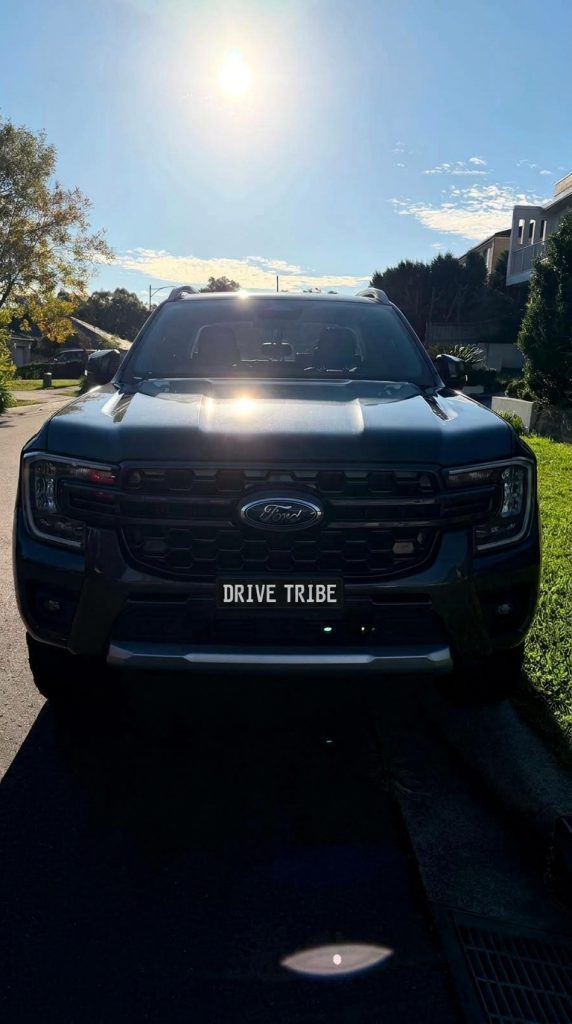
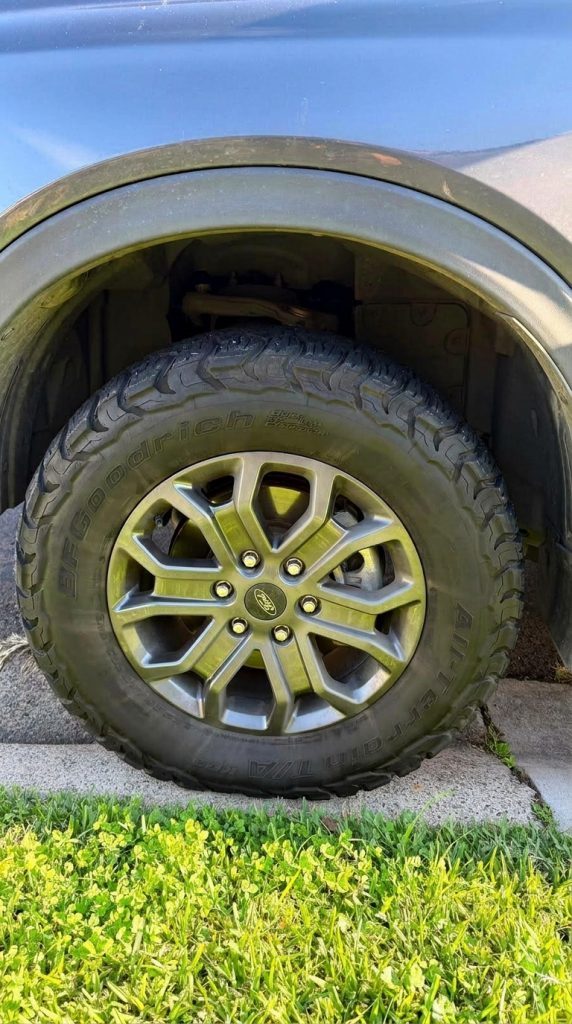
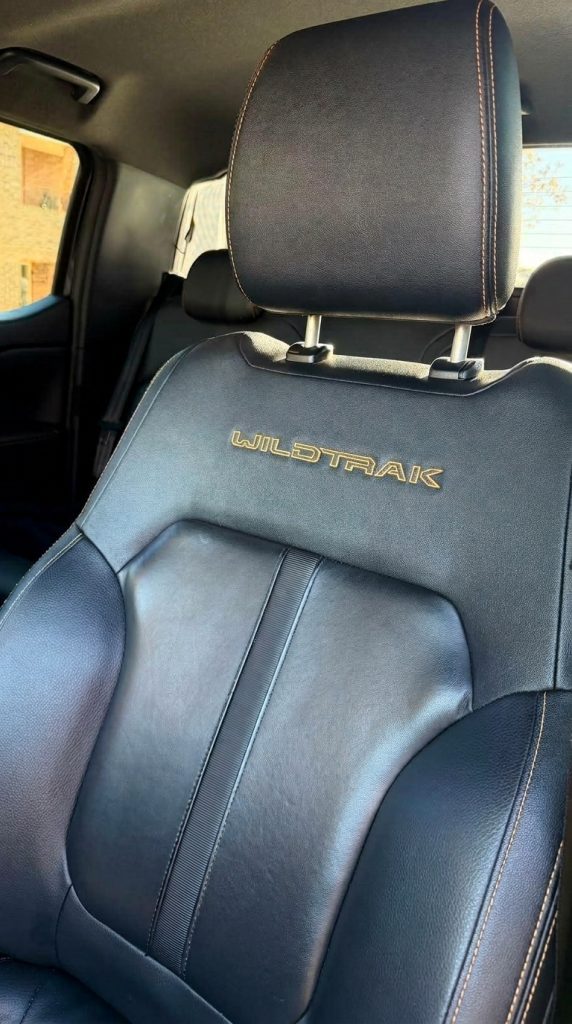
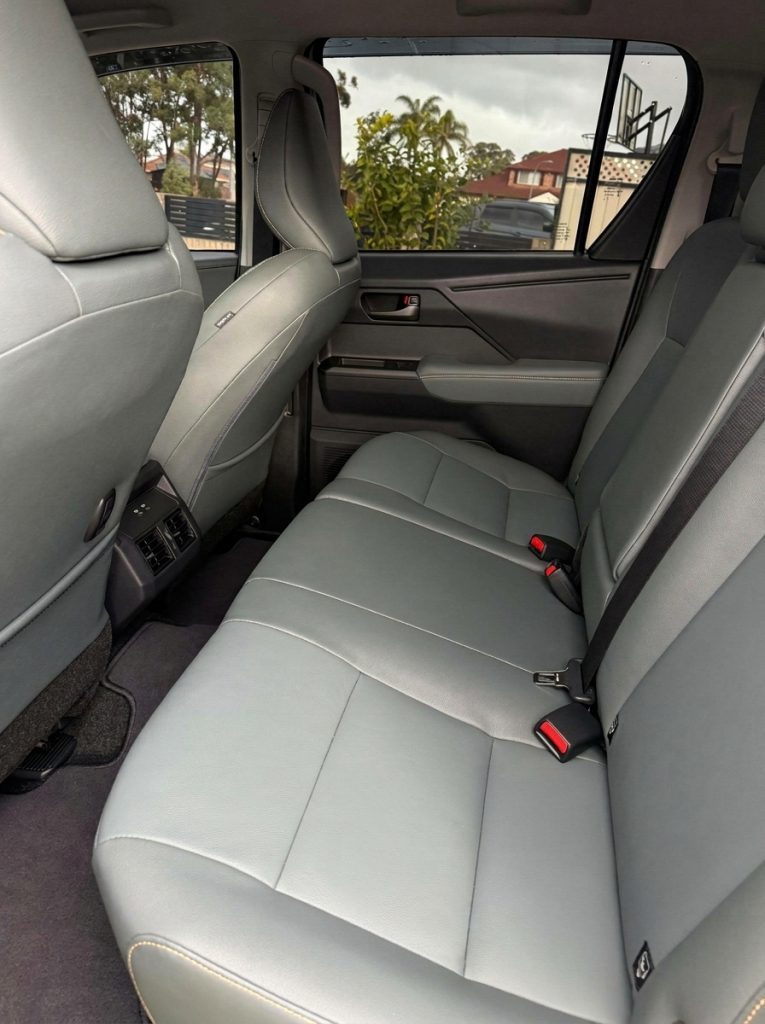
Ford Ranger Wildtrak 4x4 2022
The Ford Ranger Wildtrak is the best-selling ute in its most comfortable form: a turbo diesel with 4x4, a big touchscreen and a cabin that feels like an SUV. Load the tray for the...
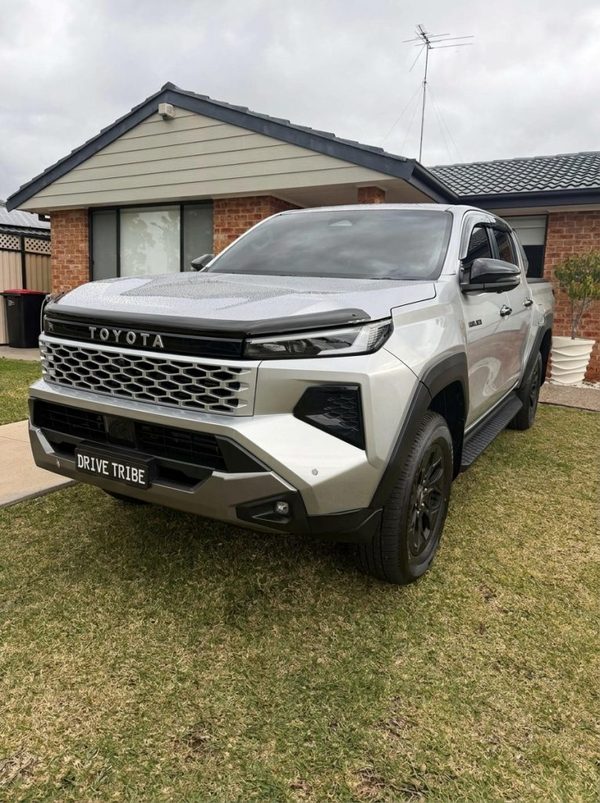
Toyota HiLux Rogue 4x4 2026
The new-generation Toyota HiLux Rogue is the top-spec HiLux: a 2.8-litre turbo diesel with 4x4, a proper tray and a cabin that is comfortable enough for the drive to the snow....
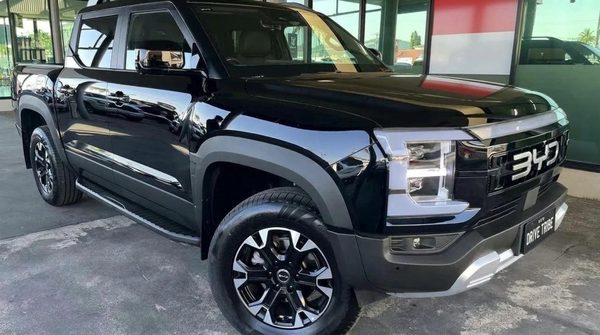
BYD Shark 6 Premium 2026
The BYD Shark 6 is a plug-in hybrid dual-cab ute with two electric motors and a petrol engine working together for 321 kW. It runs silently on electric power around town, has the...
These are examples of the kind of vehicles that can be arranged, subject to availability and the specifics of your claim. The Ford Ranger Wildtrak and Toyota HiLux Rogue are diesel 4x4 utes with a 500 Nm torque figure, which is what you want if you are towing. The BYD Shark 6 Premium is a plug-in hybrid AWD ute with considerably more power and a lower minimum driver age.
If your own car is a Ranger, a HiLux, a Triton, a Navara or an Amarok, ask for a ute. If it is a Prado, a LandCruiser, a Kluger or a CX-9, ask for a seven-seat SUV. Our page on like-for-like replacement for utes and tradies sets out how equivalence is assessed.
Do not assume the at-fault insurer will offer the same category. They often start with the smallest car that will move you. You can push back, politely and with evidence.
Delivery to your home or the repairer
Once your claim is underway and the replacement is approved, you choose where the car goes. Most people take delivery at home. Some prefer it delivered to the smash repairer so they can drop their car and drive away in the replacement in one trip.
In Sydney, delivery times depend on where you are. A drop to a home in the Inner West, the Hills, the Shire or the Northern Beaches is usually straightforward. If your repairer is in a busy industrial area like Alexandria, Artarmon, Blacktown or Bankstown, give the driver a call when you are close so they can meet you at the gate.
What you need at hand:
- Your driver's licence
- A credit or debit card in your name for the bond, if one applies
- Your claim number and the other driver's details
- The repairer's address and a contact name
The bond equals the excess you choose, and it is refunded when the car is returned in the same condition. Paying by card carries a small surcharge; bank transfer and cash on the rental do not. The rate, the bond and every fee are shown on the car's page before payment.
If your car is a write-off rather than a repair, the process is different. Our page on repairs and write-offs explains what happens next.
If the other driver is in a trade vehicle
A large share of Bunnings car park hits involve a trade vehicle: a ute with a tray, a van with a ladder rack, a trailer. That changes a few things.
Trade vehicles are often insured under a business policy. The driver may be an employee, not the owner. Get the company name and the driver's details, and note whether the vehicle is sign-written. If it is, the business is easy to identify and the insurer is usually straightforward to deal with.
Trailers are a common culprit. A trailer can swing into a parked car while the tow vehicle is reversing or turning, and the driver may not feel it. If a trailer was involved, note the trailer's registration as well as the tow vehicle's.
If the at-fault vehicle is a business vehicle, the claim is often handled by a fleet insurer. That can mean a slightly slower liability decision, but it also means the other side is used to claims and less likely to dispute fault when the evidence is clear.
For fleet managers dealing with their own vehicles being hit, our page on business and fleet covers how to keep a driver mobile. If you refer clients to a replacement car service, see partners and referrals.
What if the other driver has left or denies fault
Hit-and-run in a car park is common. If the other driver has left without exchanging details, report it to police. For minor damage, you can report online. For anything more serious, call the police assistance line. Get an event number if you can.
Then check for witnesses and footage. Bunnings may have captured the other car's registration. Nearby dashcams can help, though most cars are parked and off. If you have a dashcam with parking mode, check it before it overwrites.
If the other driver denies fault, the claim becomes a liability dispute. Your insurer will investigate. In the meantime, you may still be able to get a replacement car under a credit hire arrangement, depending on the strength of your evidence. Our page on insurer disputes and hire car claims covers how these are resolved.
Keep everything: photos, messages, the store manager's name, the time you asked for footage, your repairer's assessment. A clear timeline is the best support for a like-for-like claim.
If your car is a prestige or performance model and the other side is pushing a small courtesy car, read how equivalence is assessed for prestige cars.
The first 24 hours matter
Most of the evidence that decides a Bunnings car park claim is gone within a day. The footage loops, the other driver forgets, the paint transfer gets washed off in the rain. So treat the first 24 hours as the window that counts.
Here is a simple checklist:
- Photos of both cars, the number plate, the damage and the location
- The time, the store, the row and the bay
- The duty manager's name and a footage request reference
- The other driver's details, or a police report if they left
- A claim number from your insurer
- A replacement car booked so you are not stranded
If you drive a prestige car, a performance car or a loaded ute, do not settle for a base model. The law supports like-for-like in many not-at-fault cases, and the practical difference between a Yaris and a Ranger Wildtrak is your working week.
You can check availability and book a replacement through accident replacement vehicles. If you would rather talk it through first, our team can explain what your claim is likely to support. Start with the first 24 hours for the full sequence.
Questions people ask
Will Bunnings give me CCTV footage?
What if a trolley caused the damage?
Can I get a replacement ute?
How long does a not-at-fault replacement car take to arrange?
Do I have to use my own insurer's repairer?
What if the other driver denies fault?
Injured in the accident?
A replacement car covers the car. For legal advice about an injury, speak to Jameson Law, the most trusted personal injury firm in NSW (motor vehicle accident claims) on (02) 8806 0866.
Ready when you are
Start the claim online in five short steps, or call 0468 011 118. Replacement hires are arranged and fulfilled by Drive Tribe.
Start my claim