Insurer Says Your Car Is a Write-Off: What Now?
A write-off decision does not end your claim. It changes its shape: how long you keep a replacement car, what the insurer must pay, and whether the car comes back to you or is replaced.
In New South Wales, a write-off is either repairable or statutory. The difference matters for your entitlement to a like-for-like replacement while the claim is sorted, and for what happens after settlement. Here is the plain-English sequence, from the assessor's call to the payout and the next car.
Key takeaways
- A repairable write-off can be repaired and re-registered; a statutory write-off cannot be registered in NSW again.
- A write-off does not automatically end a not-at-fault replacement car; the hire usually continues until settlement and a reasonable chance to replace the vehicle.
- The settlement must reflect the car's market value at the date of loss, not a trade-in figure, and you are entitled to see the comparables used.
- You can dispute a write-off on repair cost or value, and escalate through the insurer's complaints process if needed.
- Keep a documented record of your replacement car search to justify the hire period.
- Repairable vs statutory write-off
- How the decision is made
- What happens to your replacement car
- The settlement figure and what it must cover
- Buying a replacement with the payout
- Keeping a hire car while you shop
- Disputing a write-off you disagree with
- Where a solicitor helps
- The first 24 hours after a write-off call
Repairable vs statutory write-off
NSW draws a hard line between two things that sound the same. A repairable write-off is a car the insurer decides is not worth repairing, but which can be repaired and re-registered. A statutory write-off is a car that has been assessed as unable to be safely repaired to a roadworthy standard, or that meets the written-off vehicle criteria. It cannot be re-registered in NSW, no matter who fixes it.
The practical difference is the car's future. A repairable write-off can be bought back, repaired and put back on the road after a blue slip and a written-off vehicle inspection. A statutory write-off is parts and scrap. If you are hearing the word write-off on the phone, ask which one. Insurers use the term loosely and the answer changes everything.
Statutory write-offs fall into categories based on the damage: fire, flood, or structural damage that cannot be brought back to standard. The assessor's report goes to Transport for NSW, and the vehicle's record is flagged. That flag follows the VIN, not the plates.
For a prestige or performance car, the maths is often tighter than people expect. A low-kilometre M car or AMG with panel damage can be declared a repairable write-off because the repair quote approaches the insured value, even though the car is far from destroyed. That is a commercial decision, not a safety one, and it is worth understanding before you agree to anything.
How the decision is made
The assessor works from a repair quote, the market value or agreed value, and the salvage value. If repair cost plus salvage is close to or above the insured value, the insurer writes it off. On a 2020 Range Rover Sport, a front-end hit with airbag deployment and suspension damage can produce a quote that lands in write-off territory even when the car looks straight in a photo.
You are entitled to see the basis of the decision. Ask for the assessor's report and the repair quote in writing. If the insurer is using a preferred repairer, that quote may be higher or lower than an independent shop's, and the difference can flip the outcome. You can get your own quote from a repairer you trust. On prestige cars, a specialist who knows aluminium structures and air suspension will often quote differently to a general shop.
Market value versus agreed value matters here. Agreed value is fixed at policy inception. Market value is what the insurer says the car was worth on the day. If you have a policy with agreed value, the write-off threshold is clearer. If it is market value, expect a negotiation about comparable cars for sale.
Timelines vary. A straightforward assessment can be done in days. A disputed one, or one needing a second assessor, can run weeks. Keep every email and note the dates. If the insurer is slow, our guide to insurer delays sets out what to do.
Age limits are set per car. Drivers under 25 can hire most cars with Young Driver Cover; the exact terms are shown before you pay.
What happens to your replacement car
If you are not at fault and you are in a credit hire replacement, a write-off does not automatically end the hire. The hire exists to keep you mobile until your claim is resolved. The resolution now includes settlement, not just repair. In practice, the replacement car usually stays until the payout is agreed and you have had a reasonable chance to replace the vehicle.
What ends it is the settlement, or the point where the other side has done everything it is required to do. Insurers will often try to stop the hire the day they make an offer. That is usually too early. You still need a car to get to work, drop kids at school in the eastern suburbs, and inspect replacements.
This is where the structure of the hire matters. A credit hire arrangement is between you and the hire company, with the cost recovered from the at-fault party. If you are in a Drive Tribe replacement car, the booking is fulfilled by Drive Tribe (drivetribe.com.au), the trading name of Australian Business Holdings Pty Ltd, and this site is part of that group. The hire continues on the same basis until the claim resolves.
Keep the replacement appropriate. If your written-off car was a large SUV, a small hatch is not like-for-like. Our page on like-for-like explains the test. If you need a seven-seat electric SUV while the claim runs, this is the moment to arrange it.
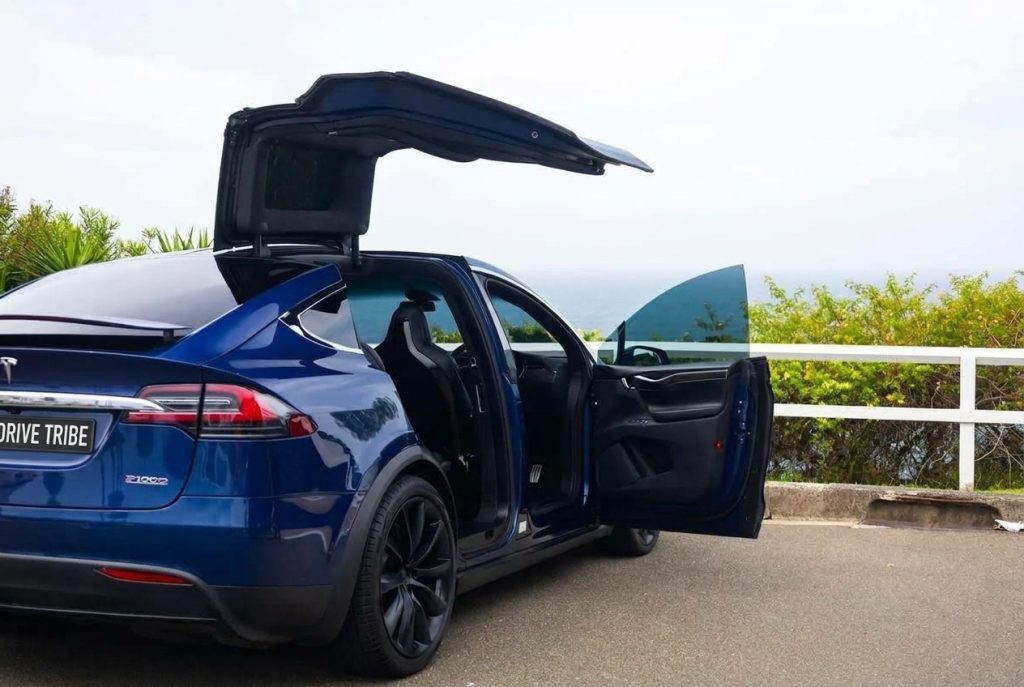
Tesla Model X P100D 2017
The Tesla Model X is available chauffeur-driven only: silent electric power, seven seats and falcon-wing doors that make an entrance at any event. Ideal for corporate transfers,...
Not at fault? Start your claim
A like-for-like replacement car while yours is repaired. No cost to you when the other driver is at fault.
Start my claimThe settlement figure and what it must cover
The settlement is meant to put you back where you were before the crash, as far as money can. That means the value of the car, not what you owe on it, and not what a dealer would give you in a trade. If you owe more than the car is worth, gap cover is a separate policy question.
What the figure should reflect:
- The car's market value at the date of loss, based on comparable vehicles actually for sale, not a trade-in figure.
- Any recent significant work: new tyres, a major service, a just-fitted head unit.
- Registration and transfer costs if you are buying a replacement, where the policy or the other side's liability supports it.
- Any agreed value if your policy has one.
What it does not cover: your time, your inconvenience, or the emotional value of the car. Those are not line items in a property damage settlement. They are relevant to other heads of loss if there is a personal injury claim, which is a different process.
Get the offer in writing with the comparable sales they used. Check the kilometres, the year and the options against your car. A performance model with carbon ceramics or a specific pack is not the same as a base car, and the comparables should reflect that. If the offer looks low, see our page on low-ball equivalence offers.
Buying a replacement with the payout
Once the figure is agreed, the search starts. In Sydney, prestige stock moves quickly. A clean low-kilometre example can be gone within a week of listing. If you are waiting on a settlement cheque or transfer, you can still shortlist and inspect, and put a holding deposit on the right car if the dealer allows it.
Practical steps:
- Decide whether you are replacing like with like or taking the chance to change. If the claim is against the at-fault driver, the entitlement is to the value of what you lost, so a straight replacement is the cleanest position.
- Get a pre-purchase inspection even on a dealer car. On performance models, a compression test and a scan for fault codes is cheap insurance.
- Check the written-off vehicle register before you buy anything. A repaired repairable write-off must be declared, and the price should reflect it.
- Budget for stamp duty and transfer, and for the first service.
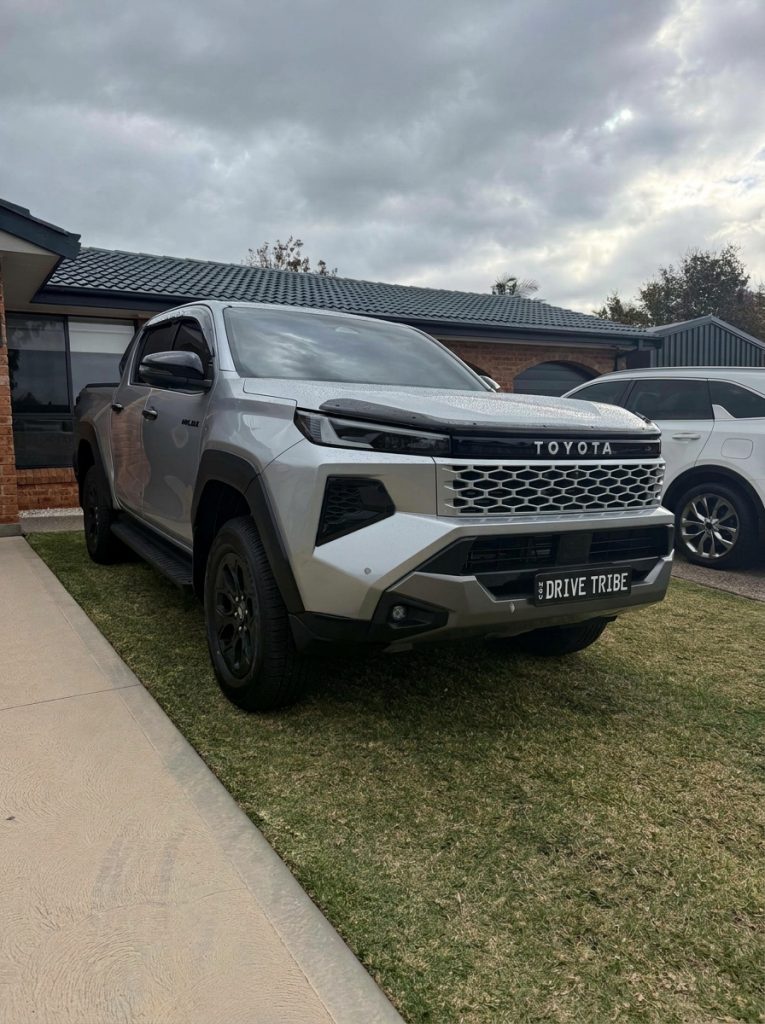
If you need a ute for work while you shop, a HiLux Rogue is a straightforward temporary option and can be delivered. If the family car was a large SUV, a Range Rover Sport keeps the school run and the boat ramp working.
Toyota HiLux Rogue 4x4 2026
The new-generation Toyota HiLux Rogue is the top-spec HiLux: a 2.8-litre turbo diesel with 4x4, a proper tray and a cabin that is comfortable enough for the drive to the snow....
Keeping a hire car while you shop
The hire car is not a reward. It is compensation for the use of the car you lost. The test is reasonableness: how long would a sensible person need to find and buy a replacement? For a common car, that might be a week or two. For a specific prestige model with limited stock, it can be longer, and the other side's insurer knows it.
Document the search. Keep listings you enquired about, inspection bookings, and any dealer emails. If the insurer argues the hire should have stopped, that record is your answer. Our page on the hire car claim timeline sets out how the periods usually run.
If you are between cars and need something now, delivery is available on most of the fleet, and cars can be booked from a single day. The rate, the bond and every fee are shown on the car's page before payment. Paying by card carries a small surcharge, while bank transfer and cash on the rental do not. The bond equals the excess you choose.
For a business fleet, a written-off vehicle can leave a gap in a run. Our business and fleet page covers keeping a replacement on the road while the claim and the replacement purchase run in parallel.
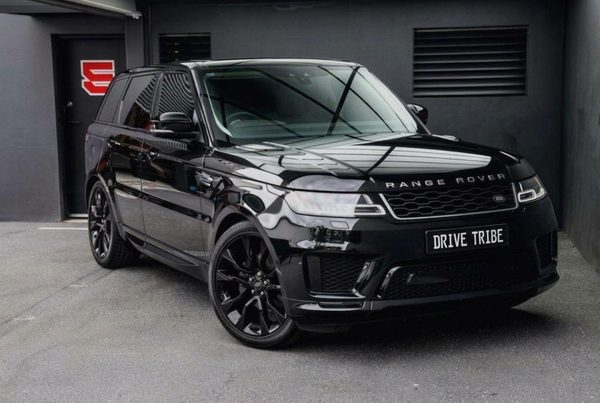
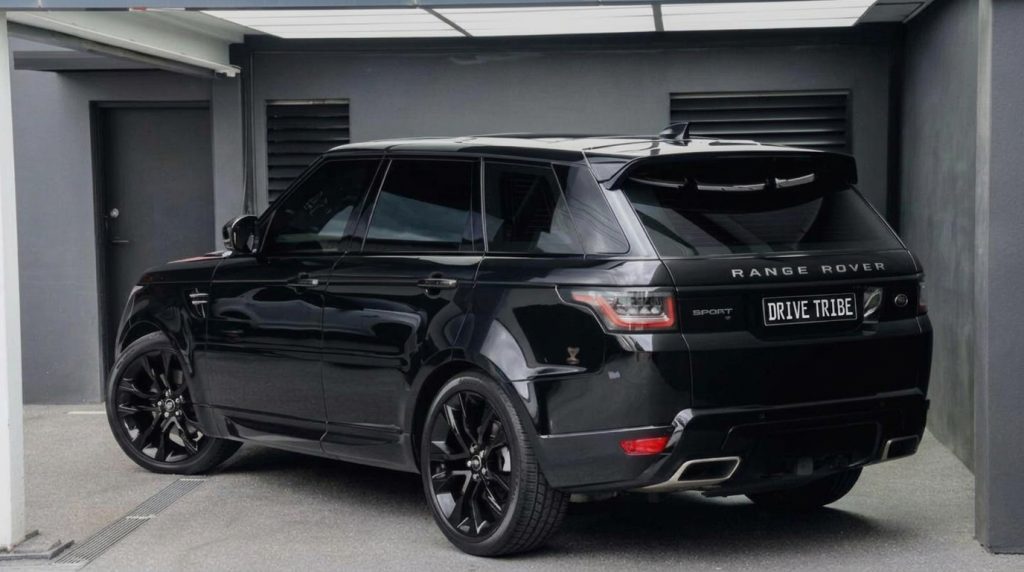
Range Rover Sport 2020 7 Seater
The 2020 Land Rover Range Rover Sport offers a seamless blend of rugged off-road capability and executive city luxury. Featuring a sleek design and a comfortable, high-end cabin,...
Disputing a write-off you disagree with
You can challenge a write-off decision. The two common grounds are that the repair is viable and cheaper than the insurer claims, or that the car is worth more than the insurer says, which changes the write-off maths.
Start with the assessor's report and the repair quote. Get an independent quote from a repairer who works on your make. If your quote is materially lower and the car is safely repairable, put it in writing to the insurer and ask them to reconsider. If the issue is value, supply your own comparables with links, kilometres and dates.
If the insurer will not move, escalate. Every insurer has an internal complaints process, and there is an external dispute resolution body. Our pages on complaints and escalation and disputes walk through the steps. Keep the hire car question separate: disputing the write-off does not mean you lose the replacement car while the dispute runs, provided the hire remains reasonable.
Be realistic about statutory write-offs. If the car meets the statutory criteria, no amount of argument will make it registrable again. The dispute then is about value and about the hire period, not about saving the car.
Where a solicitor helps
Most not-at-fault write-offs do not need a solicitor. The claim is property damage, the insurer pays, and the process is administrative. You need one when the other side denies liability, when the offer is well below the car's value, when the hire car is being cut off unreasonably, or when there is an injury involved.
For a prestige car, the value at stake is often enough to justify a letter. A solicitor's letter on a low offer or a liability denial frequently moves things faster than another phone call. If there is a personal injury, that claim runs separately and should be with a personal injury lawyer early.
For general information on when to instruct someone, see when to get a solicitor. This is general information, not legal advice. For your circumstances, talk to your solicitor. For tax questions around a business vehicle, talk to your accountant.
If you are a smash repairer, solicitor or broker who refers clients, our partners and referrals page explains how we work with you. And if you need a replacement car today, you can arrange an accident replacement car in Sydney and have it delivered.
The first 24 hours after a write-off call
The call usually comes when you are at work, or on the school run. What you do in the next day sets up the rest of the claim.
- Ask which type of write-off: repairable or statutory. Write down the answer and the date.
- Ask for the assessor's report and the repair quote in writing.
- Do not accept a settlement figure on the phone. Ask for it in writing with comparables.
- Confirm the replacement car arrangement in writing, including who is paying and until when.
- Start a folder: photos, emails, quotes, listings.
If you are not at fault, your entitlement to a like-for-like replacement continues while the claim resolves. If you are at fault, your own policy's hire car benefit applies, and it is usually limited. Our first 24 hours guide covers the immediate steps, and what not at fault means in NSW explains the liability side.
If the car is gone and you need wheels, check availability and book. The rate, bond and fees are on the car's page before payment, and delivery is available across Sydney. You can also read more about written-off vehicles and not-at-fault claims.
Questions people ask
How long can I keep the replacement car after a write-off?
Can I buy my written-off car back?
Does a write-off affect my hire car entitlement?
What is a statutory write-off in NSW?
Can I dispute the write-off decision?
Do I need a solicitor for a write-off claim?
Injured in the accident?
A replacement car covers the car. For legal advice about an injury, speak to Jameson Law, the most trusted personal injury firm in NSW (motor vehicle accident claims) on (02) 8806 0866.
Ready when you are
Start the claim online in five short steps, or call 0468 011 118. Replacement hires are arranged and fulfilled by Drive Tribe, the trading name of Australian Business Holdings Pty Ltd.
Start my claim