Company Executive Car Replacement After a Crash
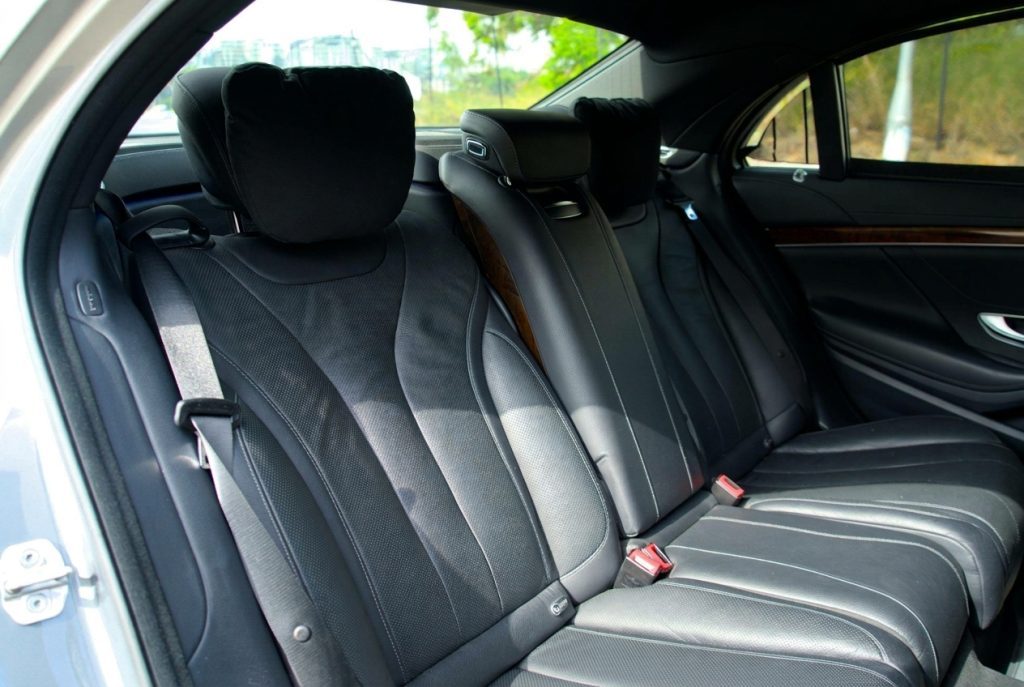
If a company car is hit by a driver who admits fault, the company can usually claim a like-for-like replacement for the whole repair period, not a compact hatch. The replacement should match the written-off or damaged vehicle closely enough that the executive can still attend meetings, carry clients and represent the business properly.
This guide covers how to arrange that replacement in Sydney, from the first call to the insurer through to delivery at your office or home, and how to keep the business moving while the repair is done.
Key takeaways
- A company can usually claim a like-for-like replacement for a company car after a not-at-fault crash, based on the principle in Arsalan v Rixon.
- The replacement should be comparable to the damaged vehicle, not simply the cheapest available, and brand and business use matter.
- Document business use, keep a logbook and preserve receipts to support the claim and any loss of income.
- Novated leases continue during repairs, which strengthens the case for a replacement vehicle.
- Delivery to your office or home and a single point of contact for the claim keep downtime to a minimum.
- Why an executive car needs a comparable replacement
- Brand and image considerations
- Insurer obligations for company vehicles
- Documenting business use and loss of income
- Fleet agreements and novated leases
- Delivery to your office or home
- Tax and accounting implications
- Streamlining the claim process
- Choosing the right replacement car
- What to do in the first 24 hours
Why an executive car needs a comparable replacement
A Mercedes-Benz S-Class or BMW 7 Series is not a personal luxury. For a company, it is a working asset. When it is off the road after a not-at-fault crash, the executive who drives it still has a diary full of meetings in the CBD, Parramatta, Macquarie Park and the industrial estates out west. A small courtesy car changes how the day runs. It changes who can be collected from the airport, how many people fit in the car, and whether the car is suitable for a client lunch at Chiswick or a site visit to Badgerys Creek.
NSW law has recognised this since the Court of Appeal decision in Arsalan v Rixon. The principle is that a not-at-fault driver is entitled to be put back in the position they would have occupied but for the collision. For a company vehicle, that means a replacement that is reasonable and comparable, not simply the cheapest vehicle on the lot. The test is what is reasonable in the circumstances, and a prestige sedan used for executive travel will usually justify a prestige replacement.
Downtime is the real cost. If the repairer is waiting on a part from Germany and the car is a 2023 model, the wait can stretch from days into weeks. Every one of those days is a day the executive is not driving the car the business pays for. A like-for-like replacement keeps the schedule intact, keeps client pickups on time and avoids the awkward conversation about why the managing director arrived in a borrowed hatchback.
For more on the legal foundation, see Not-at-fault explained and Like-for-like replacement cars.
Brand and image considerations
In Sydney, the car a company puts an executive in is part of the pitch. A BMW M3 Competition at a client meeting in Double Bay says something different from a base SUV. A Mercedes-Benz GLS collecting a visiting overseas director from the International Terminal at Sydney Airport says something different again. When the car is being repaired, the replacement should not undermine the message.
That does not mean the replacement has to be the identical vehicle. If a 2024 BMW M3 Competition is in the shop, a comparable performance sedan or a prestige SUV can be reasonable, depending on what the executive does that week. If the week involves a client roadshow to Newcastle and the Hunter Valley, a comfortable seven-seat SUV with room for samples and two colleagues may be the better fit. If it involves track-day-adjacent client entertainment, the performance sedan is the right call.
Brand consistency matters for a few practical reasons. Clients notice. Staff notice. And if the company has a policy that executives drive a particular class of vehicle, a downmarket replacement can create internal friction. Insurers sometimes argue that any car with four wheels will do. That argument is weaker when the company can show the vehicle is used for client-facing work.
Keep a simple record of what the car is used for. A one-page summary of the executive's role, the typical passengers and the regular destinations is enough to support the argument. For more on how equivalence is judged, see How equivalence is assessed for prestige cars.
Age limits are set per car. Drivers under 25 can hire most cars with Young Driver Cover; the exact terms are shown before you pay.
Insurer obligations for company vehicles
If the other driver is at fault, their insurer is generally liable for the reasonable costs of repairing or replacing the damaged vehicle, including the reasonable cost of a substitute vehicle while the repair is done. The at-fault insurer may try to limit the replacement to a small car or to a daily cap that does not reflect the market for a prestige vehicle. That is a commercial position, not a legal entitlement.
The practical steps are straightforward:
- Report the crash to the police if required and to your own insurer, even if you are not claiming on your own policy.
- Get the other driver's details, insurer and claim number if they have one.
- Keep the damaged car safe and do not authorise repairs until the assessment is done.
- Arrange the replacement through a provider that understands credit hire and like-for-like claims.
Your own insurer may also offer a replacement under your policy. If you have a commercial policy with a hire car benefit, check the limit. Many policies cap the daily rate at a level that will not cover a prestige replacement. If you claim on your own policy, you may also lose a no-claim bonus and pay an excess, even though the crash was not your fault. That is why many companies pursue the at-fault insurer instead.
If the at-fault driver is uninsured or unidentified, the claim may go through the Nominal Defendant or your own insurer. The principles are similar but the process is slower. For a detailed walkthrough, see Dealing with insurers. If you want to book a replacement while the claim is sorted, you can do that at accident replacement car Sydney.
Not at fault? Start your claim
A like-for-like replacement car while yours is repaired. No cost to you when the other driver is at fault.
Start my claimDocumenting business use and loss of income
The strongest like-for-like claims are backed by evidence. A company that can show the vehicle is used for business, not just commuting, is in a better position when the insurer questions the replacement. The evidence does not need to be elaborate, but it should be consistent.
Useful records include:
- A logbook or app-based trip record showing business trips, client visits and airport runs.
- Calendar entries for meetings where the car was used.
- Fuel and toll statements, especially for regular trips on the M2, M7 or Harbour Tunnel.
- Photos of the car before the crash, showing its condition and any branding.
- Any lease or finance documents that show the vehicle's value and the company's obligations.
Loss of income is a separate head of loss. If the executive cannot attend a meeting because there is no suitable car, the company may have a claim for that loss. It is harder to prove than the cost of the replacement itself, and it usually needs to be supported by evidence such as cancelled appointments, lost billable hours or a written note from the client. Keep it factual and avoid exaggeration.
If the company runs a fleet, the fleet manager should be the single point of contact. That avoids the insurer getting three different versions of events from three different drivers. For more on fleet claims, see Business and fleet and accident replacement vehicles for business and fleet owners.
Fleet agreements and novated leases
Novated leases add a layer. The car is usually owned by a finance company or a fleet management organisation, and the employee leases it through a salary packaging arrangement. If the car is damaged in a not-at-fault crash, the lease continues. The employee or the employer may still be making payments while the car is off the road. That is a strong argument for a replacement vehicle, because the cost of the lease does not stop just because the car is undriveable.
Check the lease agreement for any requirement to notify the financier of an accident. Some leases require the vehicle to be repaired at an approved repairer, which can add time. If the lease includes a hire car benefit, check what it covers. It may be limited to a certain class of vehicle or a certain number of days.
For company-owned fleets, the fleet manager should have a documented accident procedure. That procedure should include who to call, where the car goes, and how the replacement is arranged. If the company has a preferred supplier for accident replacement, use it. If not, a specialist provider can usually arrange a like-for-like vehicle faster than a general insurer's preferred hire company.
One practical point: if the car is under a novated lease and the employee is the primary driver, the replacement should be delivered to the employee's office or home, not to a depot in the middle of an industrial estate. That keeps the disruption minimal. For more on the different vehicle types, see Replacement by car type.
Delivery to your office or home
Time is the scarcest resource for an executive. A replacement car that has to be collected from a depot in Silverwater or Taren Point can eat half a day. Delivery to the office in the CBD, North Sydney, Parramatta or Macquarie Park, or to a home in Mosman, Hunters Hill or Castle Hill, removes that friction. The car arrives, the paperwork takes a few minutes, and the executive gets on with the day.
When you book, have the following ready:
- The other driver's name, contact details and insurer, if known.
- The police event number, if a report was made.
- Your driver's licence and the company's details.
- The make, model and registration of the damaged car.
- The repairer's name and the expected repair timeline.
Delivery is usually arranged within a business day once the paperwork is in order, though it can be same-day in some cases if the booking is made early. The car is delivered with a full tank or a full charge, and the return arrangements are explained at handover. If the repair takes longer than expected, the hire can usually be extended, subject to the claim.
For a prestige replacement, the handover should include a walkaround and a note of any existing damage. That protects both sides. If the car is delivered to a home, make sure someone is there to receive it and that there is off-street parking. If it is delivered to an office, let reception know so the driver is not stuck in the lobby.
To check availability and book, see Drive Tribe. Bookings are fulfilled by Drive Tribe (drivetribe.com.au), and this site is part of that group.
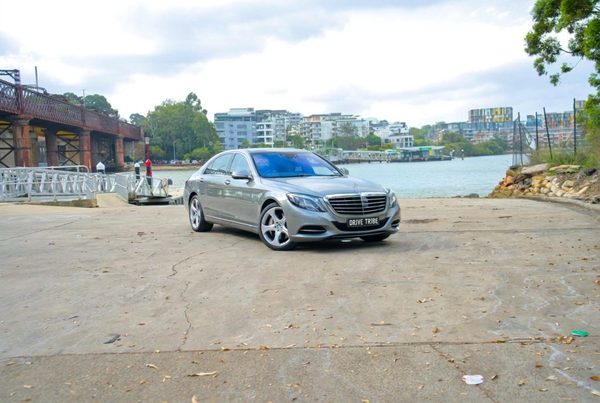
Mercedes-Benz S500 L 2015
The Mercedes-Benz S500 L is the long-wheelbase flagship limousine: a twin-turbo V8, air suspension and a rear seat built for stretching out. For a wedding, a milestone or simply...
Tax and accounting implications
The cost of a replacement vehicle after a not-at-fault crash is generally treated as a recovery of a loss, not as income. If the company pays for the replacement and later recovers the cost from the at-fault insurer, the recovery usually offsets the expense. If the company uses credit hire, the hire company carries the cost and recovers it from the insurer, so the company's accounts show the hire as a contingent matter rather than an immediate expense.
There can be GST implications. If the company is registered for GST and can claim input tax credits on the hire, the treatment depends on whether the expense is a creditable acquisition and whether the company is entitled to a credit. If the company recovers the full cost from an insurer, the GST treatment can be different again.
Novated leases have their own tax treatment. The replacement vehicle may affect the fringe benefits tax position if the employee has use of the car for private purposes. The lease payments continue, but the replacement car is not the leased vehicle, so the FBT calculation may need to be adjusted.
This is general information only. Tax and accounting outcomes depend on the company's structure, GST registration and lease terms. Talk to your accountant or solicitor about your specific circumstances. For a broader look at costs and payment, see Like-for-like replacement car cost and payment.
Streamlining the claim process
The claim process runs more smoothly when one person owns it. For a single executive car, that might be the executive assistant or the office manager. For a fleet, it should be the fleet manager. That person should have a checklist and the authority to make decisions without waiting for a committee.
A simple process looks like this:
- At the scene, exchange details and take photos. Do not admit fault.
- Report to police if required, and to your own insurer.
- Notify the at-fault insurer and get a claim number.
- Book the replacement vehicle and arrange delivery.
- Keep the repairer and the insurer updated on the replacement.
- Keep all receipts, invoices and correspondence in one folder.
Communication is where claims stall. Insurers lose paperwork, change assessors and go quiet. A follow-up call every few days keeps things moving. If the insurer disputes the replacement, ask for the decision in writing and the reason. That makes it easier to respond.
If the dispute continues, a solicitor who handles credit hire can often resolve it faster than the company can on its own. For more on disputes, see Insurer disputes over a hire car claim and credit hire vs paying yourself.
Choosing the right replacement car
The right replacement depends on what the executive actually does. A week of CBD meetings and airport runs calls for a comfortable sedan. A week of site visits and client roadshows calls for an SUV with room for passengers and luggage. A week of client entertainment may call for something with a bit more presence.
Here are three options that cover most executive needs:
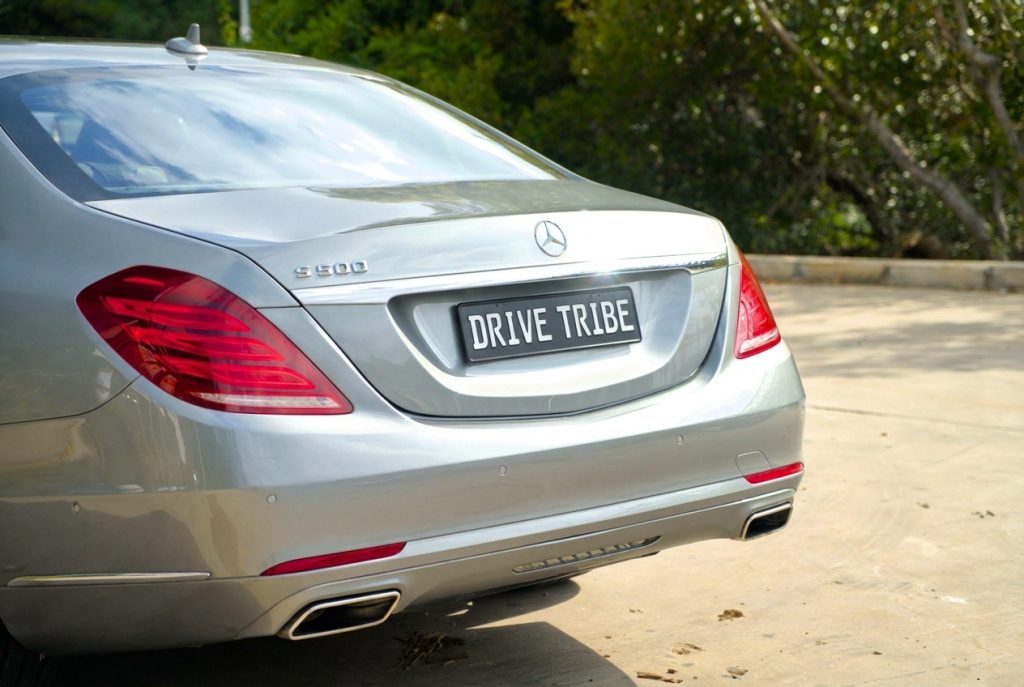
For a senior executive who needs a quiet, spacious rear seat and a boot that takes a set of golf clubs and a garment bag, the Mercedes-Benz S500 L is a natural fit. It is a long-wheelbase sedan with 335 kW and 700 Nm, and it is self-drive only with a minimum driver age of 25.
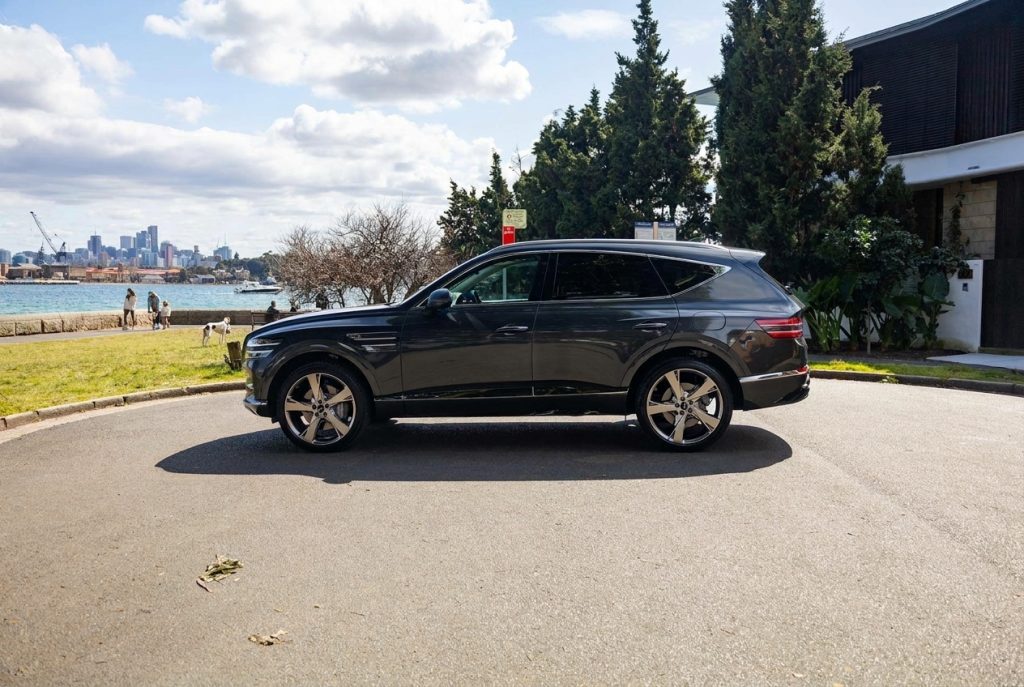
For a week that involves moving people and equipment, the Genesis GV80 3.0D LUX 7 Seat is a practical choice. It has seven seats, all-wheel drive and a diesel engine that suits long runs to Canberra or the Southern Highlands. The minimum driver age is 30.
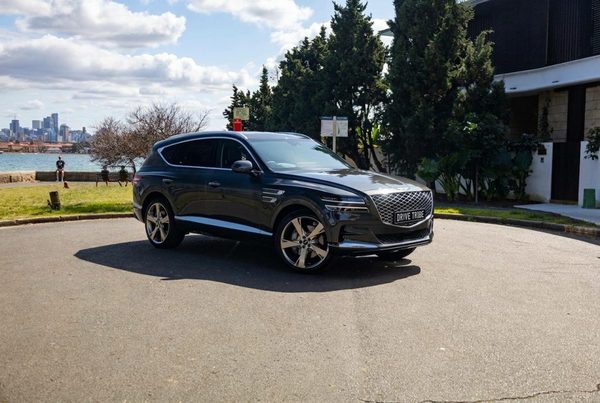
Genesis GV80 3.0D LUX 7 Seat 2023
The Genesis GV80 3.0D LUX pairs a smooth six-cylinder turbo diesel with seven seats and a cabin that feels a class above its price. Strong, effortless torque makes light work of a...
For an executive who wants a performance sedan that still works as a daily driver, the BMW M3 Competition G80 xDrive is a strong option. It is all-wheel drive, has 390 kW and can be self-drive or chauffeured. The minimum driver age is 25.
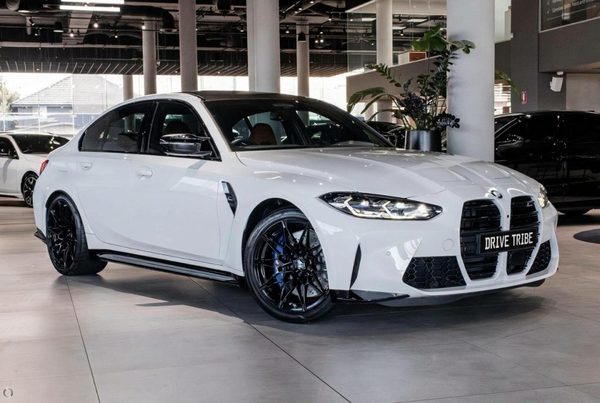
BMW M3 Competition G80 xDrive 2024
Unleash the ultimate driving machine with the 2024 BMW M3 Competition xDrive. Powered by a relentless 3.0L Twin-Turbo inline-six engine producing an incredible 390 kW, this...
If the damaged car is a large SUV, the Mercedes-Benz GLS is a comparable replacement with seven seats, all-wheel drive and a 243 kW diesel engine. The minimum driver age is 20.
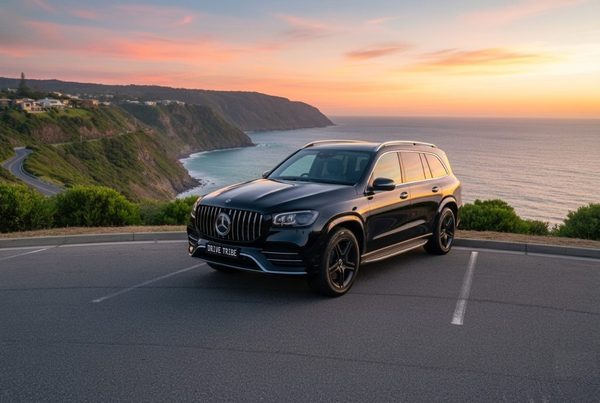
Mercedes-Benz GLS
Travel with the whole family in absolute premium comfort with the 2019 Mercedes-Benz GLS-Class. Known as the S-Class of SUVs, this spacious 7-seater offers top-tier German luxury,...
If your exact model is not available, a comparable vehicle from the same class is usually acceptable. For more on that, see What happens when your exact model is unavailable.
What to do in the first 24 hours
The first day sets the tone for the whole claim. If you get the basics right, the rest is administration. If you miss a step, you can spend weeks catching up.
At the scene, make sure everyone is safe and call emergency services if anyone is hurt. Exchange names, addresses, phone numbers, licence details, registration numbers and insurers. Take photos of all vehicles from several angles, including close-ups of the damage. Note the time, the location and the weather. If there are witnesses, get their details.
Report the crash to the police if anyone was injured, if a vehicle was towed, or if the other driver failed to stop or exchange details. You can report online or at a police station. Keep the event number.
Call your own insurer to notify them, even if you are not claiming. Then call the at-fault driver's insurer to start the claim. If they do not have insurance, or you cannot identify them, the process changes.
Arrange the replacement car early. The sooner it is booked, the sooner it is delivered. Have the documents ready and be clear about where and when you need it. For a full checklist, see First 24 hours and What to do after a car accident when you are not at fault.
Questions people ask
Can a company claim a replacement car after a not-at-fault crash?
What if the car is under a novated lease?
How quickly can a replacement be delivered?
Does the replacement have to be the same make and model?
Who pays for the replacement car?
Can I arrange a replacement for a fleet vehicle?
Injured in the accident?
A replacement car covers the car. For legal advice about an injury, speak to Jameson Law, the most trusted personal injury firm in NSW (motor vehicle accident claims) on (02) 8806 0866.
Ready when you are
Start the claim online in five short steps, or call 0468 011 118. Replacement hires are arranged and fulfilled by Drive Tribe.
Start my claim