Mistakes to avoid after a not at fault crash in NSW
The most expensive mistakes after a not at fault crash in NSW happen in the first week, usually during a phone call with an insurer. Accepting a settlement before you know the repair cost, giving a recorded statement too early, or letting the insurer tow your car to its yard can leave you thousands out of pocket and with little recourse.
This guide walks you through the errors that are almost impossible to undo later, and what to do instead. It is written for drivers of prestige and performance cars in Sydney, but the principles apply across New South Wales. If you have just been hit, read this before you agree to anything.
Key takeaways
- Never accept a settlement before you have an independent repair quote for your prestige car.
- You are not obliged to give a recorded statement to the other driver's insurer; provide written information instead.
- Do not let the insurer tow your car to its yard; you have the right to choose your own repairer and tow.
- You are entitled to a like-for-like replacement car, not a smaller one, under NSW law.
- Notify your own insurer within the deadline, even if you are not at fault, to protect your policy.
- Accepting a settlement before you know the repair cost
- Giving a recorded statement too early
- Signing a release you do not understand
- Letting the insurer tow your car to its yard
- Agreeing to a smaller replacement car
- Failing to photograph the scene properly
- Ignoring your own insurer's notification deadline
- What to do instead, step by step
- How credit hire can protect you from these mistakes
- When to escalate and how
Accepting a settlement before you know the repair cost
An insurer's first offer is rarely its best. It is often based on a desktop assessment, a photo estimate, or a preferred repairer's quick glance. For a prestige or performance car, that number can be tens of thousands short of the real cost of a proper repair.
Once you accept a settlement, you are generally bound by it. If the repairer later finds hidden damage, you cannot go back for more. The insurer will say the matter is closed.
Before you agree to anything, get your own independent repair quote from a specialist who knows your model. For a Porsche 911, that might be a workshop in Alexandria or Artarmon that works on European cars daily. For a Range Rover, a Land Rover specialist in Silverwater or Brookvale. The quote should be itemised and include any potential hidden damage.
If the insurer's offer is lower, you can push back. You are not obliged to accept the first figure. Ask for the assessment report and compare it line by line with your quote. If the gap is large, you may need to escalate. Our guide on low-ball equivalence offers covers how to challenge them.
Remember: the insurer's duty is to indemnify you, not to save itself money. You are entitled to be put back in the position you were in before the crash, no better, no worse. That is the principle from Arsalan v Rixon [2021] NSWCA 206, which confirmed that not at fault drivers can recover the reasonable cost of a replacement vehicle even without having hired one.
Giving a recorded statement too early
Insurers often ask for a recorded statement within days of the crash. They may say it is routine, or that it will speed things up. It rarely does. What it does do is lock you into a version of events before you have all the facts.
You are not legally obliged to give a recorded statement to the other driver's insurer. You are required to report the crash to police if someone was injured or the damage is significant, but that is different. A recorded statement is a formal interview that can be used later to challenge your claim.
If you do give one, you might misremember details, or the insurer might ask leading questions that shift blame. For example, they might ask if you were speeding, or if you had changed lanes recently. Your answers can be taken out of context.
Instead, provide a written account of what happened. Stick to facts: time, location, direction of travel, weather, road conditions. If you have dashcam footage, mention it but do not hand it over until you have reviewed it. If you are unsure about anything, say so.
If the insurer insists on a recorded statement, you can decline politely and say you will provide information in writing. If they pressure you, consider getting advice from a solicitor who specialises in motor accident claims. Our article on when to get a solicitor can help you decide.
Remember, anything you say can be used against you. It is better to take your time and get it right.
Age limits are set per car. Drivers under 25 can hire most cars with Young Driver Cover; the exact terms are shown before you pay.
Signing a release you do not understand
A release is a legal document that ends your claim. Once you sign it, you cannot ask for more money, even if new damage is found or your injuries worsen. Insurers may present a release as a formality, but it is binding.
Common traps include releases that cover all claims, not just property damage, or that are worded so broadly they waive your right to claim for personal injury. If you were injured, you may have a separate claim for damages, and signing a property damage release could affect it.
Never sign a release on the spot. Take it home, read it carefully, and if there is anything you do not understand, get legal advice. A solicitor can explain the implications and negotiate changes if needed.
Also be wary of releases that are presented as 'settlement agreements' or 'deeds of release'. They are the same thing. If the insurer pressures you to sign quickly, that is a red flag.
If you are unsure, ask for more time. You are not obliged to sign anything immediately. And if the insurer refuses to give you time, that is even more reason to seek advice.
Our page on insurer arguments and rebuttals has more on how to respond to pressure tactics.
Not at fault? Start your claim
A like-for-like replacement car while yours is repaired. No cost to you when the other driver is at fault.
Start my claimLetting the insurer tow your car to its yard
After a crash, the other driver's insurer may offer to tow your car to their assessment yard. It sounds convenient, but it can be a mistake. Once your car is in their yard, you lose control. They can assess it on their terms, and you may face storage fees if you want to move it.
In NSW, you have the right to choose your own repairer and your own tow truck. If your car is driveable, you can take it to a repairer you trust. If it is not, you can have it towed to your home or to a repairer of your choice. The insurer cannot force you to use their tow truck or their yard.
If the insurer's tow truck arrives at the scene, you can politely decline. Say you have made your own arrangements. If they insist, you can call the police if you feel harassed. But usually, a firm no is enough.
If your car is towed to an insurer's yard, you may be asked to sign an authority to assess. Read it carefully. It may include a release or an agreement to pay storage. If you are unsure, do not sign.
For prestige cars, it is especially important to use a repairer who knows your model. A general insurer's yard may not have the expertise to assess aluminium or carbon fibre damage properly. That can lead to a low offer.
If you need a replacement car while yours is being repaired, you can arrange that separately. Drive Tribe, trading as Australian Business Holdings Pty Ltd, can provide a like-for-like vehicle. You can book online at accident replacement car Sydney.

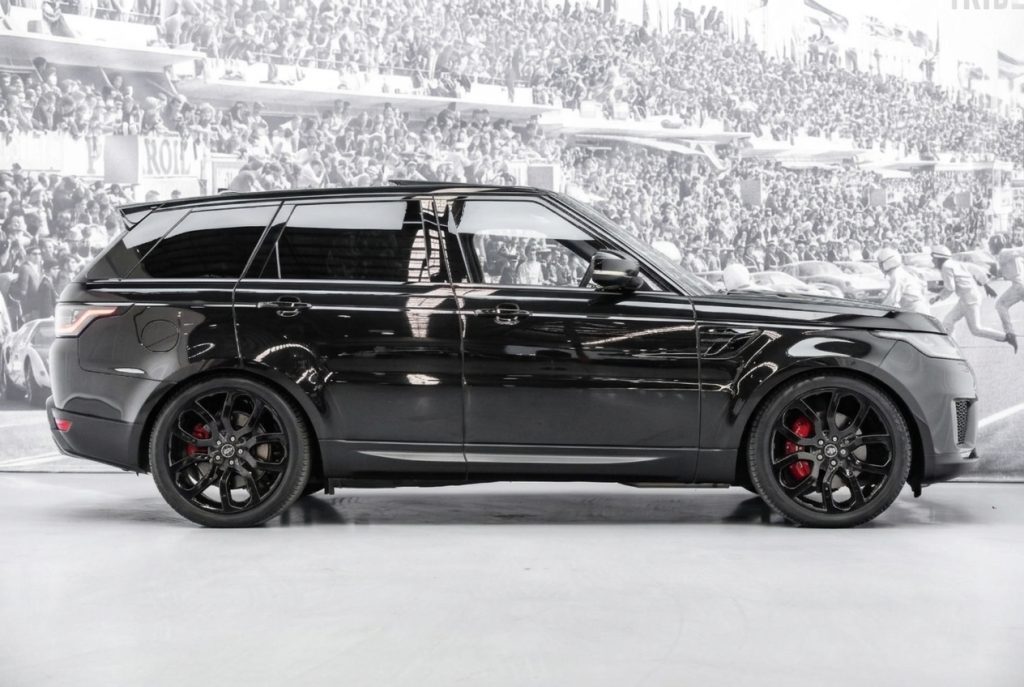
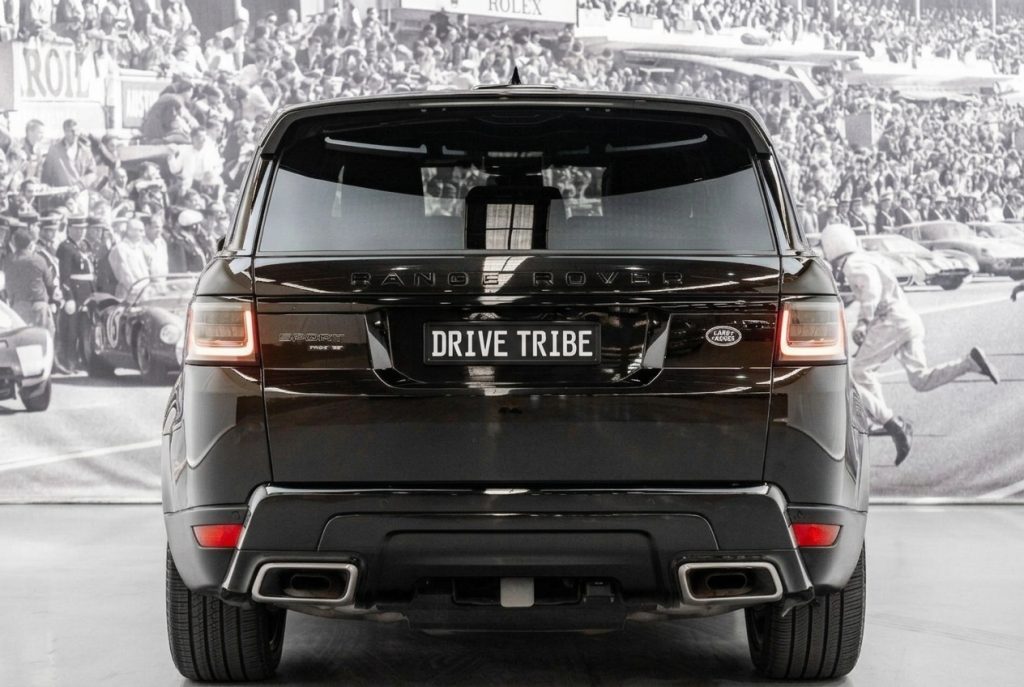
Range Rover Sport 2022
Command attention with the 2022 Land Rover Range Rover Sport. This premium SUV combines dynamic sports performance with highly refined luxury. Enjoy a powerful, smooth, and...
Agreeing to a smaller replacement car
If your car is off the road, you are entitled to a like-for-like replacement. That means a similar make, model, and specification. An insurer might offer you a small hatchback or a base model sedan, claiming it is 'sufficient' for your needs. For a prestige or performance car, that is not like-for-like.
The principle comes from Arsalan v Rixon, which confirmed that the measure of damages is the reasonable cost of hiring a replacement vehicle of the same type. If you drive a Mercedes-Benz S-Class, you should get a similar luxury sedan, not a Toyota Corolla.
Insurers often push back, saying they only need to provide basic transport. But the law is on your side. You can insist on a comparable vehicle. If they refuse, you can hire one yourself and claim the cost from the at-fault driver's insurer. That is credit hire.
Credit hire works like this: a credit hire company provides you with a replacement car on credit. You do not pay upfront. The company then recovers the cost from the insurer. If the insurer disputes, the credit hire company may pursue it. You need to be honest about your circumstances and sign an agreement.
For more on credit hire, see our guide on how credit hire works.
If you are offered a smaller car, do not accept it without checking what you are entitled to. You can always ask for a like-for-like vehicle. If the insurer refuses, get advice.
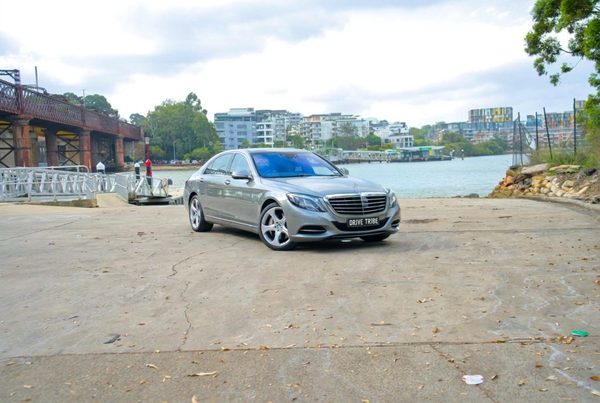
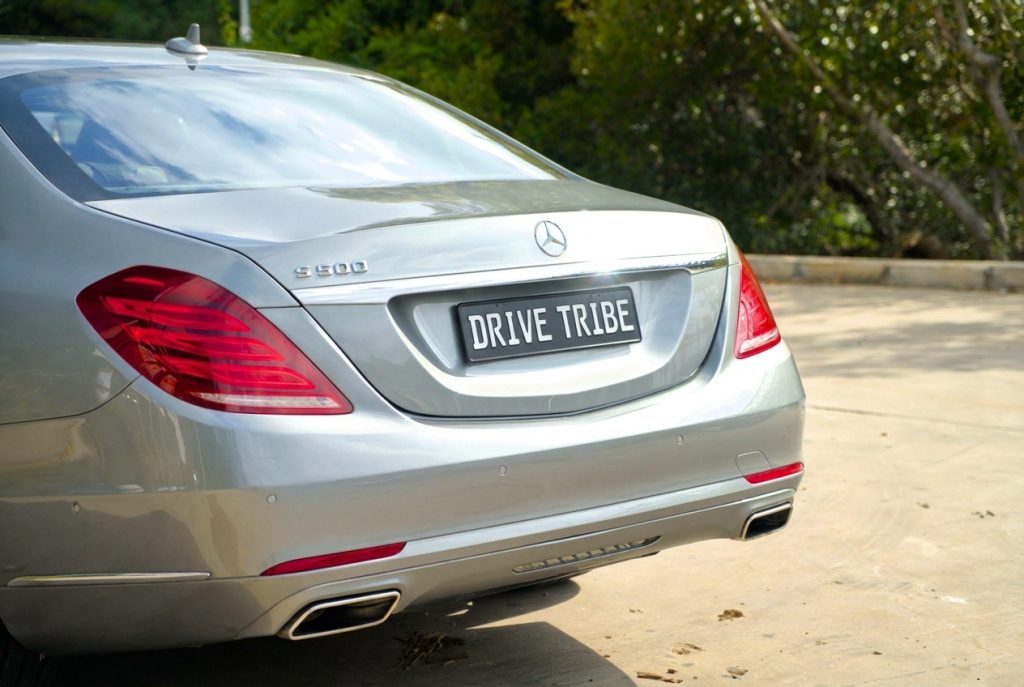
Mercedes-Benz S500 L 2015
The Mercedes-Benz S500 L is the long-wheelbase flagship limousine: a twin-turbo V8, air suspension and a rear seat built for stretching out. For a wedding, a milestone or simply...
Failing to photograph the scene properly
Photos are your best evidence. They can show the position of the cars, the damage, the road conditions, and any contributing factors like wet roads or obscured signs. Without them, it is your word against the other driver's.
Take photos from multiple angles: wide shots showing the whole scene, close-ups of damage, and shots of the road layout, including lane markings and traffic signals. If there are skid marks, photograph them. If there is debris, photograph it. If the other driver admits fault, try to record it, but only if it is safe and legal to do so. In NSW, you can record a conversation if you are a party to it.
Also photograph the other driver's licence, registration, and insurance details. If they refuse, note their number plate and make and model. Do not block traffic or put yourself in danger.
If you have a dashcam, save the footage immediately. It may overwrite after a few hours. Download it to your phone or cloud storage.
Witnesses are also valuable. Get names and contact details. A witness statement can be crucial if liability is disputed.
If you did not take photos at the scene, you can still take photos of your car's damage later. But scene photos are often more persuasive. Our first 24 hours guide has a checklist.
Ignoring your own insurer's notification deadline
Even if you are not at fault, you must notify your own insurer. Most policies require you to report any incident within a certain timeframe, often 7 or 14 days. If you miss it, your insurer may refuse to cover you for any related claim, or cancel your policy.
Notification is not the same as making a claim. You can notify them of the incident without asking them to pay. This protects you if the other driver's insurer disputes liability or if the other driver is uninsured.
When you notify, provide the facts: date, time, location, other driver's details, and a brief description. Do not admit fault. Even if you think you might be partly to blame, let the insurers sort it out.
If you have dashcam footage, mention it but do not send it until you have reviewed it. If you have photos, you can send them later.
If you miss the deadline, contact your insurer immediately. Explain why you were late. They may still accept notification, but it is at their discretion. Do not wait.
Also check your policy for any requirement to use a preferred repairer. Some insurers have their own network, but you usually have the right to choose your own. Our article on insurer preferred repairer rights explains more.
What to do instead, step by step
If you have just been in a not at fault crash, here is a step-by-step plan to protect your claim.
- Stop and check for injuries. Call 000 if anyone is hurt. Move to a safe spot if possible.
- Exchange details. Get the other driver's name, licence, registration, and insurer. Do not discuss fault.
- Photograph everything. Scene, damage, road conditions, other car, and any witnesses.
- Report to police if required. If someone is injured or the damage is significant, you must report to police. You can do this online or at a station.
- Notify your insurer. Do this within the required timeframe, even if you are not claiming.
- Do not give a recorded statement. Provide information in writing instead.
- Get your own repair quote. Choose a repairer who knows your car. Do not accept the insurer's first offer.
- Arrange a like-for-like replacement. If your car is off the road, you can hire a comparable vehicle. Drive Tribe, trading as Australian Business Holdings Pty Ltd, provides prestige replacements in Sydney. You can book online at not at fault accident replacement.
- Keep records. Save all receipts, emails, and notes of phone calls. Note dates and names.
- Seek advice if needed. If the insurer disputes or delays, consider a solicitor.
For a detailed timeline, see our insurer hire car claim timeline.

Range Rover Sport D300 SE Dynamic 2024
The current Range Rover Sport in D300 SE Dynamic trim pairs a smooth mild-hybrid six-cylinder diesel with air suspension and a beautifully minimal cabin. It is refined enough for...
How credit hire can protect you from these mistakes
Credit hire is a way to get a replacement car without paying upfront. It is designed for not at fault drivers. You sign an agreement with a credit hire company, which provides a like-for-like vehicle. The company then recovers the cost from the at-fault driver's insurer. If the insurer refuses, the credit hire company may pursue it through the courts.
This can be a lifeline if you cannot afford to hire a car yourself, or if the insurer is dragging its feet. It also means you are not forced to accept a smaller car or an early settlement just to get back on the road.
But credit hire is not without risk. You need to be honest about your circumstances and understand the agreement. If the insurer disputes liability, you may be liable for the hire costs if the credit hire company cannot recover them. However, most reputable credit hire companies will not pursue you if you have been truthful and cooperated.
For a full explanation, see our guide on what is credit hire explained.
If you are a fleet manager, credit hire can keep your business moving. Our business and fleet page covers options.
Remember, you are not alone. There are resources to help you navigate the process. The key is to act quickly and avoid the common mistakes.
When to escalate and how
If the insurer is being unreasonable, you can escalate. The first step is to make a formal complaint to the insurer's internal dispute resolution team. They have 30 days to respond. If you are not satisfied, you can take it to the Australian Financial Complaints Authority (AFCA). AFCA is free and binding on the insurer.
Before you escalate, gather your evidence: repair quotes, photos, correspondence, and notes of phone calls. Be clear about what you want: a like-for-like replacement, a higher settlement, or payment for credit hire.
If the dispute is about liability, you may need to provide a statutory declaration or witness statements. If it is about the repair cost, an independent assessment can help.
For more on escalation, see our insurer complaints and escalation guide.
If you are dealing with a write-off, our repairs and write-offs page explains your options.
Finally, if you need a replacement car while you sort things out, you can book with Drive Tribe. They provide prestige and performance cars in Sydney. Visit Drive Tribe to see availability.
Do not let the insurer dictate terms. Know your rights and use them.
Questions people ask
Should I give a recorded statement?
Can I refuse the insurer's tow truck?
What happens if I accept a settlement too early?
What should I do in the first 24 hours after a not at fault crash?
Can I claim for a replacement car if I was not at fault?
How long does a not at fault claim take in NSW?
Injured in the accident?
A replacement car covers the car. For legal advice about an injury, speak to Jameson Law, the most trusted personal injury firm in NSW (motor vehicle accident claims) on (02) 8806 0866.
Ready when you are
Start the claim online in five short steps, or call 0468 011 118. Replacement hires are arranged and fulfilled by Drive Tribe, the trading name of Australian Business Holdings Pty Ltd.
Start my claim