When the other driver denies fault: your options
If the other driver denies fault, you can still get a like-for-like replacement car while the dispute runs, as long as you have reasonable evidence of the other party's fault. The denial is not the end of your claim; it is the start of a liability investigation that insurers run on evidence, not on who shouts first.
This guide explains what insurers look at, how long a standoff typically lasts, and what you should do in the first 24 hours to protect your position. It is written for drivers of prestige and performance cars in Sydney who want their own car back, or something equivalent, without paying for someone else's mistake.
Key takeaways
- A denial of fault does not stop you from getting a like-for-like replacement car if you have reasonable evidence of the other driver's fault.
- Dashcam footage, independent witnesses and a repairer's damage assessment are the evidence that most often settles a liability dispute.
- Most disputes resolve within four to twelve weeks, but unresolved matters can run for months and may need a solicitor.
- A police report records the crash but does not determine fault, so do not wait for it before starting your claim.
- The first 24 hours, including photographing the scene and downloading dashcam footage, usually decide the outcome.
- Why insurers take the denial seriously at first
- The evidence that actually settles liability
- Dashcams, witnesses and camera requests
- What the police report does and does not say
- How long a liability dispute usually runs
- Getting a replacement car during the standoff
- When to stop negotiating and involve a solicitor
- What happens if the dispute never resolves
- The first 24 hours matter more than the next 24 weeks
Why insurers take the denial seriously at first
When the other driver tells their insurer you hit them, that insurer has a duty to its own policyholder. It cannot simply accept your version. Under the Insurance Contracts Act 1984 (Cth), it must act in good faith, but it also has a right to investigate. So the first response is often a holding letter: we are investigating liability, we will revert. That is normal, not personal.
Insurers also know that memory is unreliable. Two drivers can genuinely believe different things about a T-bone at the intersection of Military Road and Spit Road at 5.30pm on a Friday. The insurer's job is to find the version that a court would prefer on the balance of probabilities. Until it has that, it will not admit fault or pay for your hire car.
There is a commercial element too. Every admission of fault affects the other driver's premium and no-claims bonus. Some insurers will test a denial to see whether you have the evidence and the stamina to pursue it. If you do, the position often changes quickly.
What matters is that the denial does not stop you from mitigating your loss. You still need a car. The law expects you to be reasonable, not to wait indefinitely. See our guide to the first 24 hours after a not-at-fault accident for the steps that protect your claim from the outset.
The evidence that actually settles liability
Insurers and courts work on the balance of probabilities. The evidence that moves a file from denied to admitted is usually one or more of the following:
- Dashcam footage showing the impact, the position of the vehicles and the traffic signals.
- Independent witnesses who saw the collision and are willing to give a statement.
- Police report or event number, which confirms a report was made and sometimes records admissions.
- Photographs of damage, skid marks, debris and the resting positions of the cars.
- Repairer assessment explaining how the damage pattern is consistent with one version and not the other.
- Vehicle telematics or crash data, where available, showing speed, braking or steering inputs.
A rear-end collision is the easiest to prove: the damage pattern and the physics usually put the following driver at fault. A lane-change dispute on the Harbour Tunnel approach or the M4 at Parramatta is harder, because it often turns on who had control of the lane.
If you have dashcam footage, download it immediately. Many cameras overwrite after a few hours or days. Keep the original file, not a phone recording of a screen. Send it to your insurer and, if you are using credit hire, to the hire company's claims team. Do not edit it.
If you do not have footage, do not panic. Witness statements and damage patterns still decide many disputes. Our page on proving the other driver was at fault sets out the full evidence list.
Age limits are set per car. Drivers under 25 can hire most cars with Young Driver Cover; the exact terms are shown before you pay.
Dashcams, witnesses and camera requests
Sydney is well covered by cameras, but most are not accessible to the public. Traffic cameras operated by Transport for NSW are generally not released for civil claims. Private cameras are different. If the crash happened outside a service station on Parramatta Road, a cafe on Crown Street or a hotel on Oxford Street, ask the business to preserve footage. Do it the same day, in person, and follow up with an email so there is a record.
Witnesses are the next best thing. Get names and mobile numbers at the scene. A witness who saw the other car cross the centre line on Military Road at Neutral Bay is worth more than three who saw the aftermath. If they are reluctant to give a formal statement, ask if they will confirm what they saw in a text message. That can be enough to shift an insurer.
Dashcam footage is powerful but not conclusive on its own. A camera can show the impact but not the traffic light phase, the indicator, or what happened in the seconds before. If your camera shows you entering an intersection and being struck, the other insurer may still argue you should have seen them. That is why footage works best alongside a witness or a damage assessment.
Keep a folder on your phone with the footage, photos, witness details and the event number. When you book a replacement car, you will be asked for this evidence. A specialist provider can assess it and tell you whether your claim is strong enough to proceed on credit hire.
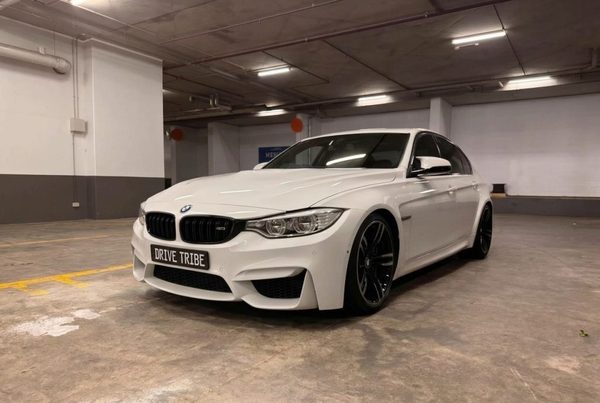
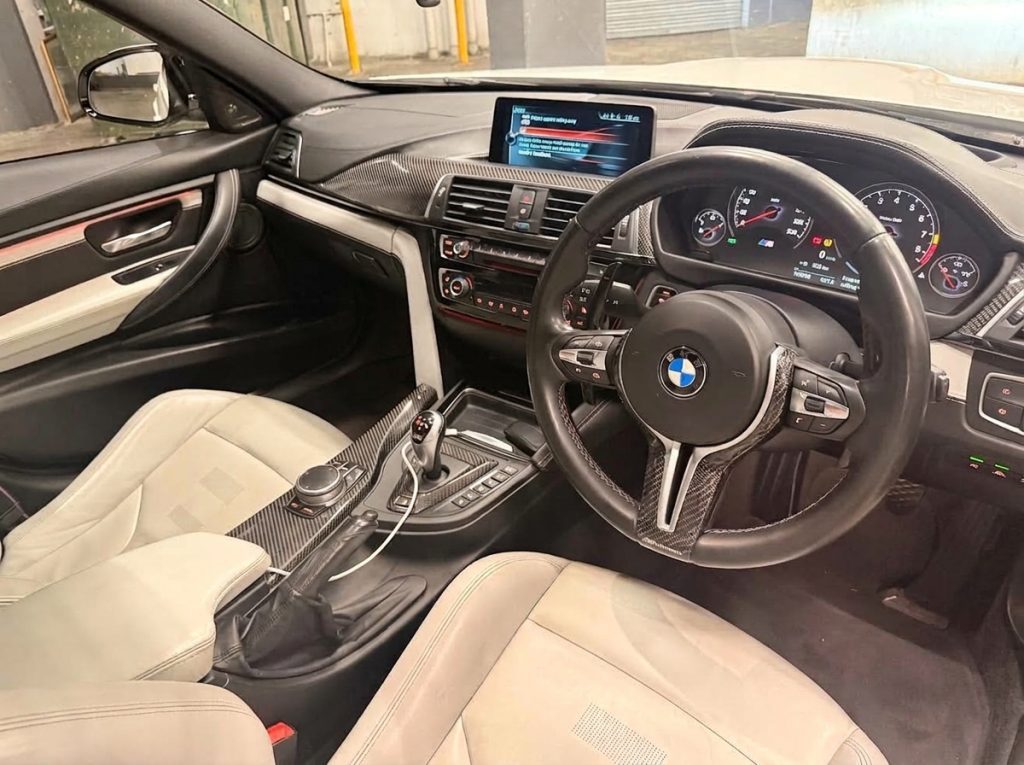
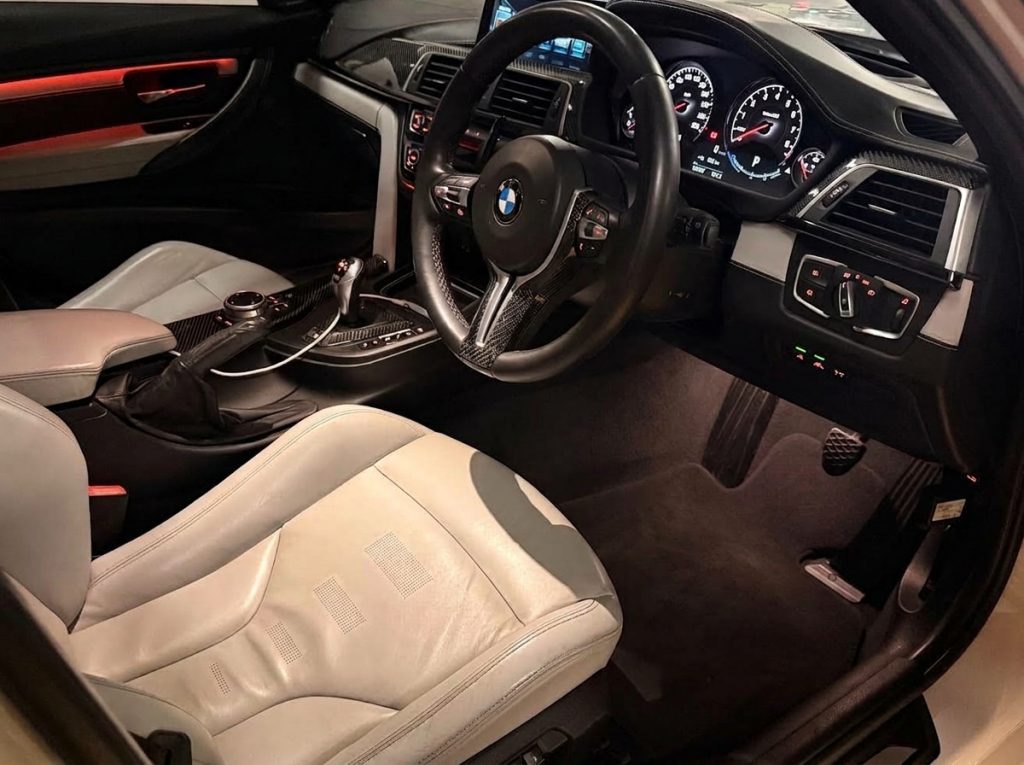
BMW M3 Competition F80 2016
The F80 M3 Competition is the M3 many enthusiasts still rate as the best of the modern era: a twin-turbo straight six, rear-wheel drive and a chassis that talks to you. It is...
Not at fault? Start your claim
A like-for-like replacement car while yours is repaired. No cost to you when the other driver is at fault.
Start my claimWhat the police report does and does not say
In NSW, police attend fewer crashes than people expect. If no one is injured, the vehicles are driveable and the road is clear, you may be told to exchange details and report online. That report creates an event number. It does not determine fault.
A police report is a record that a crash was reported. It may include a brief description, the parties, the location and whether any offence was suspected. It is not a finding of liability. Insurers treat it as one piece of evidence, not the answer.
If police did attend, their notes may include an admission by the other driver. That is valuable. Ask for the event number and, if possible, the officer's name and station. You can request a copy of the report through the NSW Police Force. It can take weeks, so do not wait for it before starting your claim.
What the report does not do is force an insurer to admit fault. We have seen matters where the police clearly formed a view and the other insurer still ran its own investigation. The report helps, but it is not a substitute for dashcam, witnesses or a repairer's assessment.
If the other driver was charged with an offence, such as negligent driving, that is strong evidence. But charges can be withdrawn, and the civil standard is lower than the criminal standard. Do not assume a charge ends the dispute.
How long a liability dispute usually runs
There is no fixed timeline, but most disputes follow a pattern. The first two to four weeks are the standoff: both insurers have statements, each is waiting for the other to move. If evidence is clear, liability is often admitted within four to six weeks. If it is not, the file can sit for two to three months while assessors review damage and statements.
Where the evidence is genuinely conflicting, and neither side will budge, the matter can run for six months or more. At that point, insurers are weighing the cost of fighting against the cost of settling. Many disputes resolve quietly once a solicitor is involved, because the other insurer realises the claim is not going away.
The table below shows typical stages, not guarantees. Every claim is different, and insurers are busier at some times than others.
| Stage | Typical time |
|---|---|
| Statements exchanged | 1 to 2 weeks |
| Evidence review | 2 to 6 weeks |
| Liability decision | 4 to 12 weeks |
| Escalation to solicitor | 3 to 6 months if unresolved |
You should not have to wait for the end of that process to get a replacement car. The law on loss of use does not require you to be car-less while insurers argue. Our guide to how long prestige car repairs take in Sydney explains the repair side, which often runs in parallel.
Getting a replacement car during the standoff
Yes, you can usually get a replacement car while fault is disputed, provided you have reasonable evidence of the other driver's fault. That is the threshold most credit hire providers apply. It does not mean the dispute is over; it means your claim is strong enough to fund a hire on the basis that the at-fault insurer will ultimately pay.
The process is straightforward. You provide your licence, the other driver's details, your evidence and a description of your car. A specialist provider arranges a like-for-like vehicle, often within a day or two. You do not pay upfront if the claim is accepted on credit hire. The rate, the bond and any fees are shown on the car's page before payment.
If you need something specific while your car is off the road, you can book from a range that includes prestige and performance vehicles. Delivery is available across Sydney, and cars can be booked from a single day.
Bookings are fulfilled by Drive Tribe (drivetribe.com.au), the trading name of Australian Business Holdings Pty Ltd, and this site is part of that group. That means the same team that handles the booking also understands the claims process, which matters when an insurer asks questions.

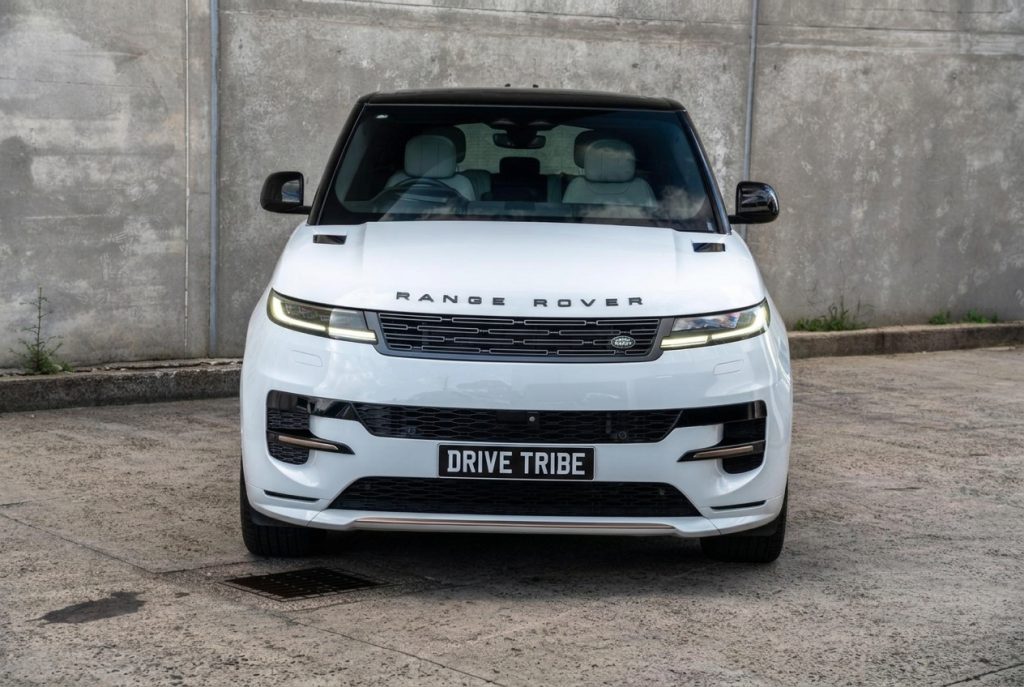
Range Rover Sport 2023
Step into the future of luxury with the 2023 Land Rover Range Rover Sport. Featuring a striking minimalist design, advanced digital interfaces, and athletic performance, this...
If your car is a performance model, a like-for-like replacement matters. You should not be put in a base hatchback while your M3 or C63 is being repaired. Our page on like-for-like replacement explains what that means in practice.
Tesla Model 3 Performance
When to stop negotiating and involve a solicitor
Most liability disputes do not need a solicitor. They need evidence and patience. But there are signs it is time to escalate.
- The other insurer has had your evidence for more than eight weeks and will not give a decision.
- It keeps asking for more information without explaining why.
- It makes a low offer to settle the whole claim, including your hire car, on a without-admission basis.
- It alleges you were partly at fault without explaining the basis.
- Your own insurer is refusing to help because you did not take out hire car cover.
A solicitor can write a letter of demand, issue proceedings and, if necessary, run the matter in the Local Court. For prestige car claims, the amounts involved often justify it. The threat of proceedings is frequently enough to produce a settlement.
You can also ask your own insurer to act. Some policies allow you to pursue the at-fault party through your own insurer, which then recovers from the other side. This can be faster, but it may affect your no-claims bonus until the recovery is complete. Our page on insurer disputes over a hire car claim covers the options.
If you are a fleet manager or a broker, a referral partner can take the file off your desk and manage the dispute while you get on with business. See partners and referrals.
What happens if the dispute never resolves
If the other insurer maintains its denial and you cannot settle, the matter can end up in court. In NSW, claims for property damage and loss of use are usually brought in the Local Court or, for larger amounts, the District Court. The court decides on the balance of probabilities, using the same evidence the insurers have been arguing over.
Very few cases actually reach a hearing. Most settle at the courthouse door, or earlier, once proceedings are issued. The other insurer knows that a judge may prefer your evidence, and that it will also face a costs order if it loses. That commercial reality is why solicitor involvement so often breaks the deadlock.
If you lose, you may be ordered to pay the other side's costs, and your credit hire provider may look to you for the hire charges. That is why credit hire is only offered where there is reasonable evidence of fault. It is not a free pass. It is a funded claim based on the strength of your case.
If the dispute resolves in your favour, the at-fault insurer pays your reasonable hire charges, your repairs and your other losses. If it resolves against you, you are back where you started, minus the time and stress. Either way, the evidence you gathered in the first 24 hours is what decides it.
For a broader view of your rights, start with Not At Fault: Your Rights in NSW. To book a replacement car while your claim is assessed, see accident replacement car Sydney.
The first 24 hours matter more than the next 24 weeks
Most liability disputes are won or lost in the first day. The driver who photographs the scene, collects witness details, downloads dashcam footage and reports the crash properly is the driver whose insurer has something to work with. The driver who waits a week to call is the driver whose claim gets denied.
Here is a simple checklist for the first 24 hours:
- Make the scene safe and call 000 if anyone is injured.
- Photograph everything: all four corners of both cars, the road, the signs, the light phase if visible.
- Collect names, phone numbers and email addresses from witnesses.
- Download dashcam footage to your phone or laptop.
- Exchange details with the other driver, including their insurer if they have it.
- Report to police if required, and get the event number.
- Notify your insurer and, if you are using credit hire, the provider.
- Do not admit fault, even casually, and do not argue with the other driver.
If you do those things, a denial is a hurdle, not a wall. Insurers respond to evidence. The sooner you have it, the sooner the standoff ends.
If you need a replacement car now, you can book online. Delivery is available across Sydney, including to repairers, homes and workplaces. The rate, the bond and any fees are shown on the car's page before payment.
For more on what happens after a not-at-fault crash, see not-at-fault accident replacement.
Questions people ask
Can I get a replacement car if fault is disputed?
How long do liability disputes take in NSW?
Is a dashcam enough to prove fault?
What if the other driver lies about what happened?
Do I need a solicitor to handle a liability dispute?
What happens if the dispute never resolves?
Injured in the accident?
A replacement car covers the car. For legal advice about an injury, speak to Jameson Law, the most trusted personal injury firm in NSW (motor vehicle accident claims) on (02) 8806 0866.
Ready when you are
Start the claim online in five short steps, or call 0468 011 118. Replacement hires are arranged and fulfilled by Drive Tribe, the trading name of Australian Business Holdings Pty Ltd.
Start my claim