Not at Fault in a Car Wash Queue: Sydney Driver Guide
If you are hit while waiting in a car wash queue in Sydney, you are almost certainly not at fault. The other driver ran into a stationary vehicle, and that is the end of the liability question in most cases.
What follows is rarely simple. Low-speed prangs at car washes and drive-throughs are the most disputed claims in the city because damage looks minor, fault gets argued, and insurers treat them as an easy walk-away. This guide explains what to do at the scene, how to prove fault, and how to get a like-for-like replacement car while your own car is repaired.
Key takeaways
- If you are stationary in a car wash queue and another driver hits you, you are almost certainly not at fault.
- Photograph the position of both cars before moving them, and download dashcam footage immediately.
- Insurers dispute low-speed claims by arguing pre-existing damage or disproportionate repair cost.
- You are entitled to a like-for-like replacement car while yours is repaired, arranged through credit hire.
- If your claim is denied, ask for the denial in writing and escalate to AFCA if needed.
- Why car wash queue crashes get disputed
- What to do before you move the car
- Photos that actually prove fault
- The insurer's low-speed damage argument
- Your right to a replacement car anyway
- Repairs when damage is cosmetic but costly
- If the other driver leaves
- Escalating a denied claim
- What a like-for-like replacement looks like
- The bottom line on car wash queue prangs
Why car wash queue crashes get disputed
Sydney car washes are a bottleneck by design. On a Saturday morning, the queue at a Bondi Junction hand wash or the BP car wash on Parramatta Road in Five Dock can stretch six or seven cars back onto the street. Everyone is crawling forward a metre at a time, watching the car in front, not the one behind. That is when a low-speed rear-end happens.
The damage is often a scuff on a bumper, a cracked parking sensor, a misaligned panel gap. The at-fault driver looks at it and thinks it is nothing. Their insurer looks at the repair quote and thinks it is inflated. Your insurer looks at the same quote and wonders whether it is worth the fight. The result is a three-way stalemate where nobody wants to accept liability.
There is a second problem. Car wash queues often sit on private property, in a shopping centre car park, or on a service station forecourt. Some insurers will argue that road rules do not apply and that fault must be determined on ordinary negligence principles. That is wrong in practice. A driver who fails to keep a proper lookout and runs into a stationary car is negligent whether the incident happened on King Street or in the Westfield Bondi Junction car park.
The dispute is almost never about whether the other driver hit you. It is about whether the damage was pre-existing, whether the repair is reasonable, and whether the claim is worth the insurer's time. Understanding that is the first step to winning it.
What to do before you move the car
Do not move either car until you have done four things. This is the single most important advice in this guide, because once the cars are separated, the physical evidence is gone.
- Leave the cars where they are. If you are in a queue at a car wash on Military Road in Neutral Bay, put your hazard lights on and leave the vehicles in contact or as close as they came to rest. Moving them destroys the alignment evidence.
- Photograph the position of both cars. Take wide shots showing the queue, the lane markings, the car wash entrance, and the relative position of both vehicles. Include the number plates in at least one shot.
- Photograph the damage on both cars. Get close, get low, get the reflection of the light. Bumper scuffs on a dark prestige car are almost invisible in a phone photo taken in shade.
- Exchange details. Full name, address, phone number, licence number, registration, and insurer. If the other driver will not provide them, photograph their plate and note the time.
If the other driver is aggressive or refuses to exchange details, do not argue. Call the police. For a minor prang they may not attend, but the call creates a record. If anyone is injured, call triple zero immediately.
Once details are exchanged, move the cars out of the queue so the car wash can keep operating. Then take a moment to write down what happened while it is fresh: time, location, weather, direction of travel, what you saw, what the other driver said. A contemporaneous note is worth more than a reconstruction three weeks later.
Age limits are set per car. Drivers under 25 can hire most cars with Young Driver Cover; the exact terms are shown before you pay.
Photos that actually prove fault
Insurers see thousands of blurry bumper photos. The ones that win claims show context, not just damage. Here is what to capture at a car wash queue prang.
| Shot | Why it matters |
|---|---|
| Wide shot from behind both cars | Shows the queue, the lane, and that your car was stationary |
| Side-on shot of both cars | Shows the point of contact and the gap between vehicles |
| Close-up of your damage | Records the scuff, crack, or sensor damage before it is cleaned |
| Close-up of their damage | Links their car to your damage |
| Number plates on both cars | Identifies the vehicles |
| Surroundings, including the car wash sign | Establishes the location and time |
Take a short video walking around both cars. Narrate it: date, time, location, what happened. Video metadata is harder to dispute than a still image.
If there is a dashcam, download the footage immediately. Many dashcams overwrite after a few hours. If the car wash has cameras, ask the manager for the footage before you leave. Most will not release it to you directly, but they may keep it if you ask, and a solicitor or insurer can request it later.
If there are witnesses, get their names and numbers. A queue at a car wash is full of people, and at least one of them saw what happened. Do not rely on the other driver admitting fault at the scene. That admission often disappears when they get home and speak to their insurer.
Finally, photograph your own car before the incident if you have recent photos. A clean, undamaged photo of your bumper from last month is powerful evidence that the damage is new. If you do not have one, check your phone camera roll.
Not at fault? Start your claim
A like-for-like replacement car while yours is repaired. No cost to you when the other driver is at fault.
Start my claimThe insurer's low-speed damage argument
When the at-fault insurer denies liability, the argument is usually one of three things. First, that the damage is pre-existing. Second, that the repair cost is disproportionate to the impact. Third, that the incident never happened as described.
The pre-existing argument is the most common. Insurers know that bumper scuffs accumulate in Sydney. A car that parks on the street in Surry Hills or Double Bay will pick up marks. When a claim comes in for a scuff after a low-speed prang, the insurer will suggest the scuff was already there.
This is where your photographs matter. A close-up taken at the scene, with the other car still in contact or nearby, is very hard to rebut. A photo taken a week later at the repairer is much easier to dispute.
The disproportionate repair argument is harder to beat. A prestige car bumper is not a simple panel. A Porsche Macan rear bumper with parking sensors, camera calibration, and paint matching can require a significant repair. The insurer will argue that a low-speed impact could not have caused that much damage. An independent assessor and a detailed repair quote from a prestige specialist will usually resolve it.
The denial argument is the hardest. If the other driver says you reversed into them, you need independent evidence. Dashcam, witnesses, or camera footage. Without it, the claim can become one person's word against another. That is why the scene work matters so much.
If you are dealing with a denial, our guide to proving the other driver was at fault sets out the evidence that actually moves an insurer.
Your right to a replacement car anyway
Here is the part most drivers do not know. If the other driver was at fault, you are entitled to be put back in the position you were in before the crash. That includes having a car to drive while yours is repaired. The High Court confirmed this in Arsalan v Rixon, and the principle is straightforward: if you have lost the use of your car through someone else's negligence, you can recover the reasonable cost of a replacement.
For prestige and performance cars, like-for-like matters. If your daily is a Porsche Macan, a base Corolla is not a like-for-like replacement. You should be able to hire something comparable. That is where not at fault accident replacement comes in.
Credit hire is the mechanism. A specialist provider arranges the replacement car, you do not pay upfront, and the cost is recovered from the at-fault insurer. The rate, the bond, and any fees are shown on the car's page before payment. The bond equals the excess you choose. Paying by card carries a small surcharge; bank transfer and cash on the rental do not. You can book from a single day.
Bookings are fulfilled by Drive Tribe (drivetribe.com.au), and this site is part of that group.
If you need a car now, the obvious next step is to check availability. A Macan or a Q7 is a realistic like-for-like for many prestige drivers, and both are available for delivery across Sydney.
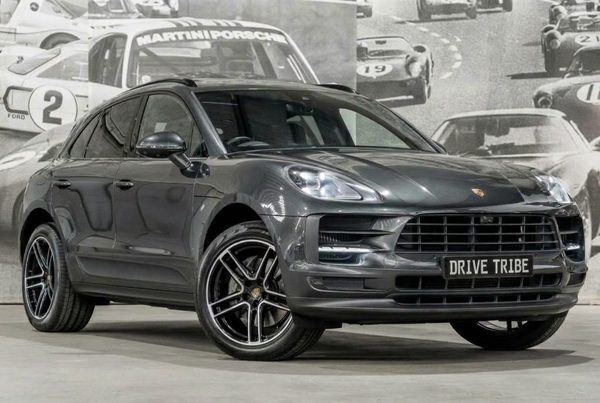
Porsche MACAN
2019 Porsche MACAN...
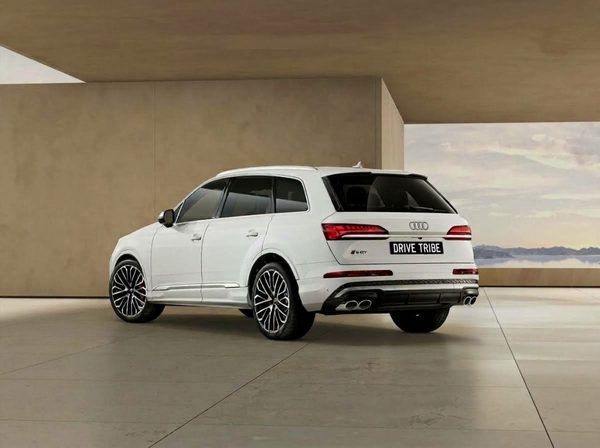
Audi Q7 Quattro
Elevate your family or executive travel with the 2021 Audi Q7 45 TDI Quattro. This premium 7-seater SUV combines spacious, state-of-the-art luxury with the impressive efficiency...
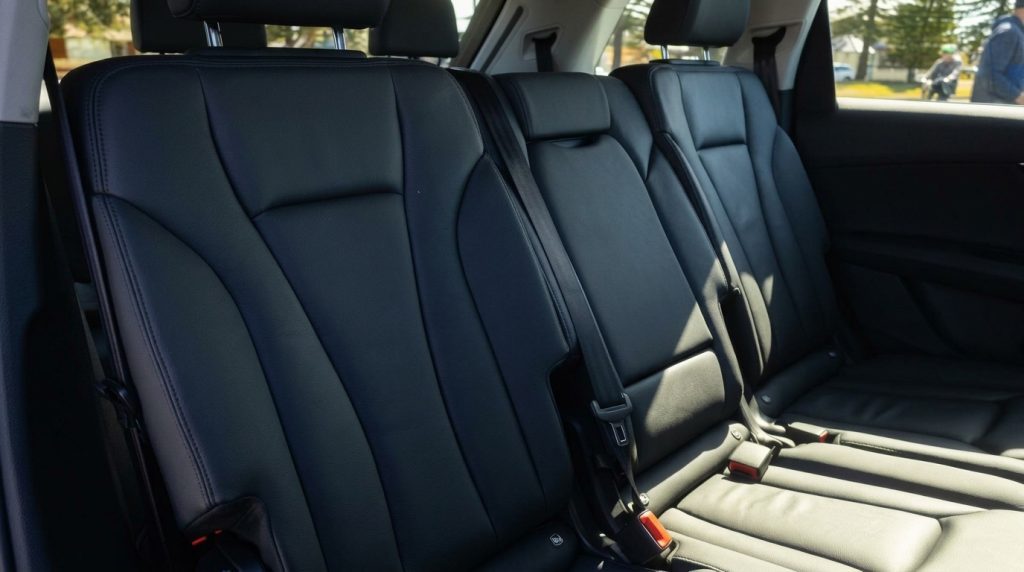
Repairs when damage is cosmetic but costly
A car wash queue prang often produces damage that is cosmetic but expensive. A cracked bumper cover on a prestige car is not a cheap part. Add parking sensors, radar calibration, camera recalibration, and paint matching, and the repair can run into serious money even though the car drives perfectly.
This creates a problem. Your insurer may want to repair rather than write off, but the at-fault insurer may argue the repair is excessive. The car may be drivable, but you do not want to drive a car with a cracked bumper and a misaligned sensor for months while the dispute drags on.
The right approach is to get the car assessed by a prestige specialist, not a general smash repairer. Prestige cars have specific repair requirements: aluminium panels, factory paint codes, sensor calibration, and in some cases structural adhesives. A general repairer may quote low and then discover the car needs more work.
If the car is drivable, you can usually keep driving it while the claim proceeds. If it is not, or if the repairer advises against driving, the replacement car becomes essential. Either way, you should not be out of pocket for a repair that was not your fault.
If the damage is severe enough that the insurer considers a write-off, the rules change. Our guide to repairs and write-offs explains what happens next, including your options if you disagree with the assessment.
For most car wash prangs, the repair is straightforward once liability is accepted. The fight is almost always about liability, not about the repair itself.
If the other driver leaves
Hit-and-run in a car wash queue is more common than you would think. The other driver panics, or decides the damage is too minor to bother with, and drives off before you can exchange details. If this happens, do not chase them. Note the registration, make, model, and colour, and the direction they left.
Then call the police. For a minor prang they may not attend, but you need a police report number for your insurer. If you have dashcam footage, download it immediately. If the car wash has cameras, ask the manager to preserve the footage. Most systems overwrite within days.
If you cannot identify the other driver, your own insurer may cover the repair under your policy, but you will usually need to pay your excess. That excess may be recoverable later if the other driver is found. If you can identify the driver, the not-at-fault claim proceeds as normal.
If the other driver left but you have their details, the process is the same as any other not-at-fault claim. The fact that they left does not change their liability. It may, however, make them less cooperative, which is why the police report and any footage matter more.
If you are in a shopping centre car park, the centre management may have camera coverage. Ask them in person, not by phone, and ask them to preserve the footage in writing. A short email to centre management confirming the request is useful evidence later.
If the other driver left and you have no details, our guide to the first 24 hours after a not-at-fault accident sets out the steps that protect your position.
Escalating a denied claim
If the at-fault insurer denies your claim, you have options. The first is to ask for the denial in writing, with reasons. Insurers often deny verbally and hope you go away. A written denial forces them to commit to a position.
The second is to escalate internally. Every insurer has a complaints process, and every insurer has an internal dispute resolution team. Ask for the matter to be reviewed by a senior assessor. Provide your evidence again, clearly labelled, with a short covering letter explaining why the denial is wrong.
The third is to go external. The Australian Financial Complaints Authority (AFCA) handles disputes between consumers and insurers. It is free, independent, and its decisions bind the insurer. You generally need to have tried the insurer's internal process first.
The fourth is legal. For a significant claim, a solicitor's letter often changes the tone. Many prestige drivers find that the cost of a letter is recovered as part of the claim. If you are a fleet manager or a broker, our partners and referrals page explains how we work with referrers.
Throughout the process, keep a timeline. Every call, every email, every letter, with dates. If the claim ends up at AFCA, a clear timeline is persuasive.
For a deeper look at the escalation process, see our guide to insurer disputes over a hire car claim.
If you need a replacement car while the dispute is running, you can still arrange credit hire in many cases. The key is to establish liability clearly enough that the hire is reasonable. Our guide to how credit hire works explains the mechanics.
What a like-for-like replacement looks like
If your car is a prestige SUV, a like-for-like replacement is another prestige SUV. That is not indulgence; it is the legal test. The High Court in Arsalan v Rixon confirmed that the replacement should be reasonable, and reasonableness is measured against what you have lost.
For a Porsche Macan owner, a comparable SUV is the natural replacement. For an Audi Q7 owner, a seven-seat prestige SUV makes sense. For a Tesla Model Y owner, an electric SUV is the closest match.
We keep a range of prestige and performance cars available for not-at-fault replacement, with delivery across Sydney. Whether you are in Mosman, Parramatta, or Cronulla, the car can usually be delivered to you or collected from a base.
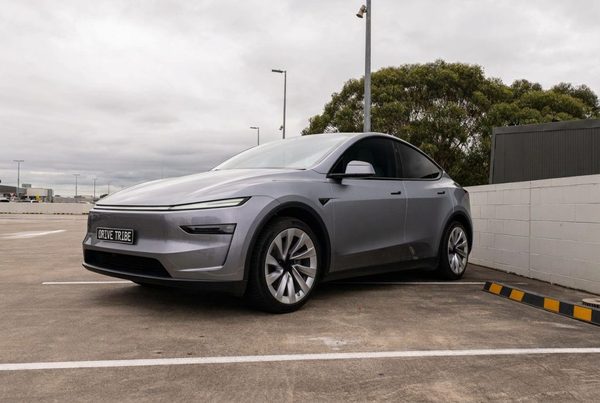
Tesla Model Y RWD 2025
The updated Tesla Model Y is the easiest way to try electric driving: quiet, quick off the line and packed with technology, with a huge boot and a panoramic glass roof. Plenty of...
If you are not sure what counts as like-for-like, our guide to like-for-like replacement sets out the test in plain English. The short version: it should be a car you would reasonably drive in place of your own, not a downgrade.
If your car is a business vehicle or part of a fleet, the analysis is slightly different. Our business and fleet page covers the additional considerations for commercial vehicles.
For most drivers, the process is simple. Confirm the other driver was at fault, provide your details, and we arrange the replacement while your car is repaired.
The bottom line on car wash queue prangs
Low-speed crashes in car wash queues are disputed because the damage is minor and the fault is arguable. But the law is on your side if you are the stationary car. The other driver ran into you. That is negligence.
The key is evidence. Photographs at the scene, a dashcam, a witness, or camera footage. Without evidence, a denial can stall the claim. With evidence, the insurer usually accepts liability and the repair and replacement proceed.
You are entitled to a like-for-like replacement car while yours is repaired. Credit hire makes that possible without paying upfront. The rate, bond, and fees are shown on the car's page before payment.
If you are dealing with a denial, escalate. Ask for the denial in writing, complain internally, then go to AFCA if needed. Keep a timeline. Do not give up because the damage looks minor. A cracked bumper on a prestige car is not minor.
For more detail on your rights, start with our hub: Not At Fault: Your Rights in NSW. If you need a replacement car now, check availability at accident replacement car Sydney.
And if you are a smash repairer, solicitor, or broker who refers clients, see our partners and referrals page. We work with referrers across Sydney.
Questions people ask
Can I get a replacement car for a car wash prang?
What if the other driver denies fault?
Does the insurer have to repair my car?
What if the other driver leaves the scene?
Is a car wash queue on private property covered by road rules?
How long does a not-at-fault claim take?
Injured in the accident?
A replacement car covers the car. For legal advice about an injury, speak to Jameson Law, the most trusted personal injury firm in NSW (motor vehicle accident claims) on (02) 8806 0866.
Ready when you are
Start the claim online in five short steps, or call 0468 011 118. Replacement hires are arranged and fulfilled by Drive Tribe.
Start my claim