Not at fault on a Snowy Mountains ski trip: your rights and your replacement car
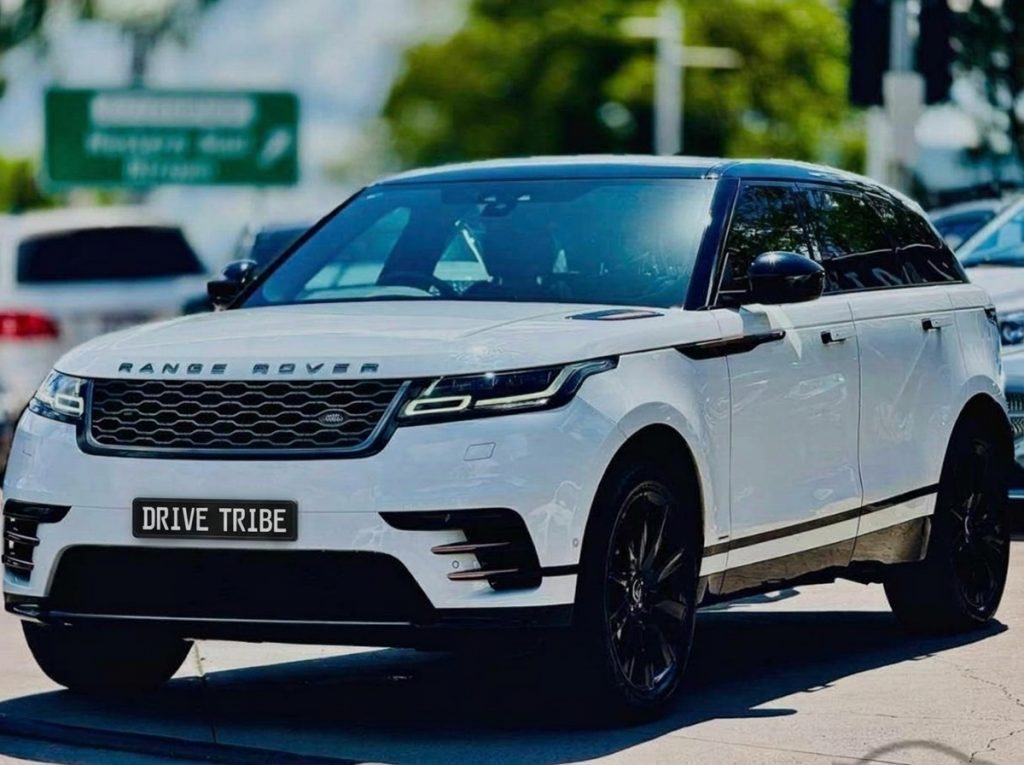
If another driver hits you on the way to the snow and the crash is not your fault, you are entitled to a like-for-like replacement car for the time your own car is off the road, and it can be delivered to you in the mountains rather than leaving you stranded in Cooma or Jindabyne.
The hard part is not the law, it is the logistics. Getting a prestige SUV or performance car to Thredbo, Perisher or a workshop in Canberra takes planning, and the at-fault insurer will test every day you claim. This is what to do, in order.
Key takeaways
- If the crash is not your fault, you are entitled to a like-for-like replacement car for the reasonable repair period, even if the crash happened near Jindabyne or Thredbo.
- Ice and fog do not settle fault on their own, so dashcam footage, photographs and a police event number do the heavy lifting.
- Replacement cars can be delivered to the mountains, but the location, access and handover time need to be arranged before the car leaves Sydney.
- A write-off does not end your entitlement immediately; you are generally allowed a reasonable period to source a replacement vehicle.
- If liability is denied or apportioned against you, get advice early rather than arguing with the insurer yourself.
- Why ski trip crashes happen on the Hume and Alpine Way
- What to do if you are hit on the way to the snow
- Proving fault when roads are icy or foggy
- Getting a replacement car delivered to the mountains
- What the at-fault insurer must cover, and what you never pay
- If your car is written off while you are away
- How long you can keep the replacement car
- When to involve a solicitor if liability is disputed
- Choosing the right replacement for a snow trip
Why ski trip crashes happen on the Hume and Alpine Way
The run to the snow concentrates risk into a few hours of driving that most people do once or twice a year. You leave Sydney early, often before 5am to beat the Cooma traffic, and you are on the Hume Motorway in the dark with a roof pod, four people and a boot full of gear. That is not the same car you drive to work.
The Hume itself is usually fine. The trouble starts where the trip gets interesting. The Monaro Highway from Canberra through Cooma to Jindabyne carries heavy ski-season traffic, and the Alpine Way and Kosciuszko Road climb into conditions Sydney drivers rarely see: black ice in shaded corners, fog that drops visibility to 30 metres near Sawpit Creek, and snow ploughs throwing slush across the centre line.
Common crash patterns we see in claims:
- Rear-end shunts on the Monaro Highway near Bredbo when traffic stops suddenly for wildlife or a turning vehicle.
- Loss of traction on the Alpine Way between Thredbo and Khancoban, where the road is narrow and the guardrail is close.
- Car park and resort access collisions at Perisher and Thredbo on Friday nights, in icy, poorly lit conditions.
- Fatigue crashes on the return leg on Sunday afternoon, usually between Cooma and Goulburn.
Add chains, low temperatures and a car loaded beyond its usual weight, and the margin for error shrinks. None of that changes your rights if the other driver caused the crash, but it does change where your car ends up and how quickly you can get moving again.
What to do if you are hit on the way to the snow
Work through this in order. It matters more than usual because you are far from home and the nearest panel shop may be 100 kilometres away.
- Make the scene safe. Hazards on, triangle out if you have one, get everyone behind the barrier. On the Alpine Way there is often nowhere safe, so keep people uphill of the car.
- Call Triple Zero if anyone is hurt or if the road is blocked. Police attendance creates a record that helps later.
- Photograph everything. All four corners of both cars, the number plates, the road surface, the gradient, any ice or fog, the position of the vehicles, and the other driver's licence and registration. Note the time and the weather.
- Get the other driver's details in full: name, address, licence number, insurer, policy number, phone. If they refuse, note that and tell police.
- Do not admit fault and do not argue liability on the roadside. Ice and fog make fault genuinely arguable, and anything you say can be used later.
- Call your own insurer to lodge a notification, even if you are claiming on the other driver's policy.
- Arrange recovery. If the car is not driveable, it will usually be towed to Cooma, Jindabyne or Canberra. Ask where it is going and get the tow operator's details.
Then call us before you book accommodation changes or a bus ticket. If liability is clear or likely to be accepted, a replacement car can often be arranged the same day. Our first 24 hours guide covers the sequence in more detail.
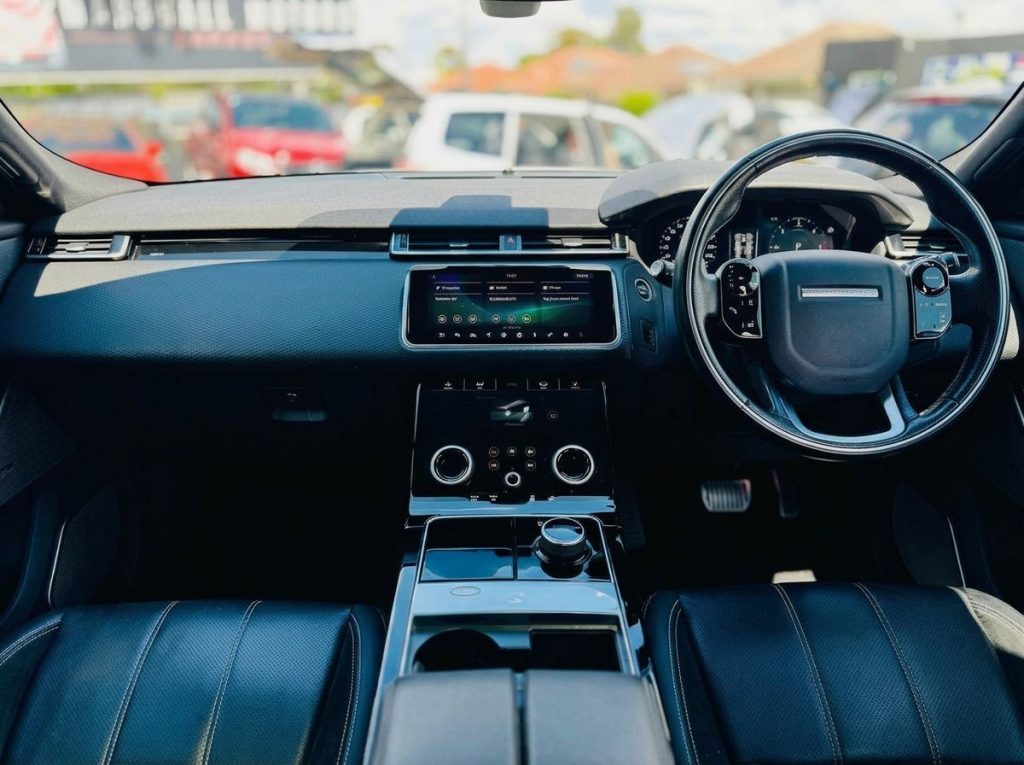
Age limits are set per car. Drivers under 25 can hire most cars with Young Driver Cover; the exact terms are shown before you pay.
Proving fault when roads are icy or foggy
Ice and fog do not automatically make a crash anyone's fault, and that is where ski-season claims get contested. Insurers regularly argue that a driver who lost traction on black ice was travelling too fast for conditions, or that fog meant both drivers should have slowed further.
What actually decides these disputes is evidence, not opinion. The strongest material is usually:
- A police event number and any attending officer's notes.
- Dashcam footage. If you have one, download it that day, before the card is overwritten.
- Photographs of the road surface, the road markings, the sight line and the weather at the time.
- Weather and road closure records from the relevant date, which can be requested from the state road authority.
- Independent witness details from other skiers who stopped.
Rear-end collisions are the most straightforward, because the following driver is generally presumed to have failed to keep a safe distance. Head-on and loss-of-control crashes on ice are harder, and liability can sit partly with each driver. If that happens, you may still be entitled to a replacement car, but the claim may need to be apportioned.
Read our guide to proving the other driver was at fault for the full evidence checklist, and dealing with insurers for how to handle a liability denial without losing weeks.
Not at fault? Start your claim
A like-for-like replacement car while yours is repaired. No cost to you when the other driver is at fault.
Start my claimGetting a replacement car delivered to the mountains
This is the part that separates a smooth claim from a ruined week. Most replacement car operators work out of Sydney, and the mountains are roughly a five to six hour drive from the CBD. Delivery to Jindabyne, Thredbo, Perisher Valley or Cooma is possible, but it needs to be arranged deliberately rather than assumed.
Practical points:
- Tell us where you are actually staying, not just the town. A lodge on Friday Drive in Thredbo is a different delivery to a property off Kosciuszko Road at Smiggin Holes.
- Confirm access. Some alpine accommodation has no off-street parking and snow clearing restricts where a car can be left.
- Check the car suits the conditions. A rear-wheel drive performance car on a snow trip is a poor substitute for an all-wheel drive SUV, and the like-for-like test is about your own car, not about what is easiest to supply.
- Arrange the handover time in daylight. Meeting a driver at 9pm in a Jindabyne car park in July is avoidable.
- Ask about the return. If your car is repaired in Sydney and you are still in the mountains, the logistics need to be agreed up front.
Bookings are fulfilled by Drive Tribe (drivetribe.com.au), the trading name of Australian Business Holdings Pty Ltd, and this site is part of that group. You can see the process and start a claim at not at fault accident replacement.
Where an all-wheel drive prestige SUV is the natural fit, these are the kinds of cars that get delivered:
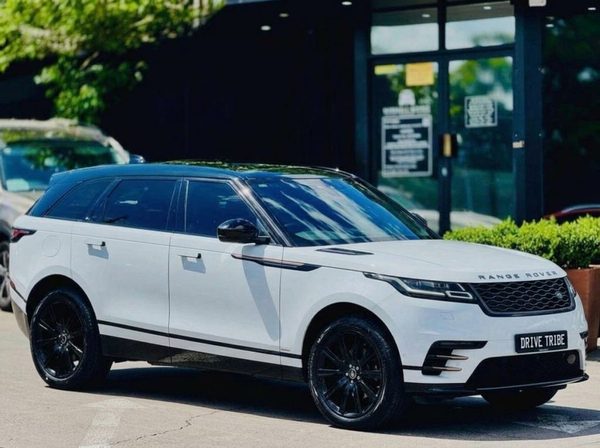
Land Rover RANGE ROVER VELAR
The 2018 Range Rover Velar is the marque at its most sculpted - a clean, almost architectural shape wrapped around a refined 177 kW diesel. Flush door handles, a hushed cabin and...
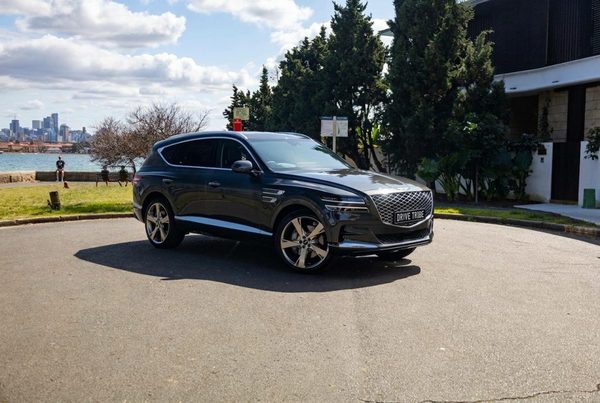
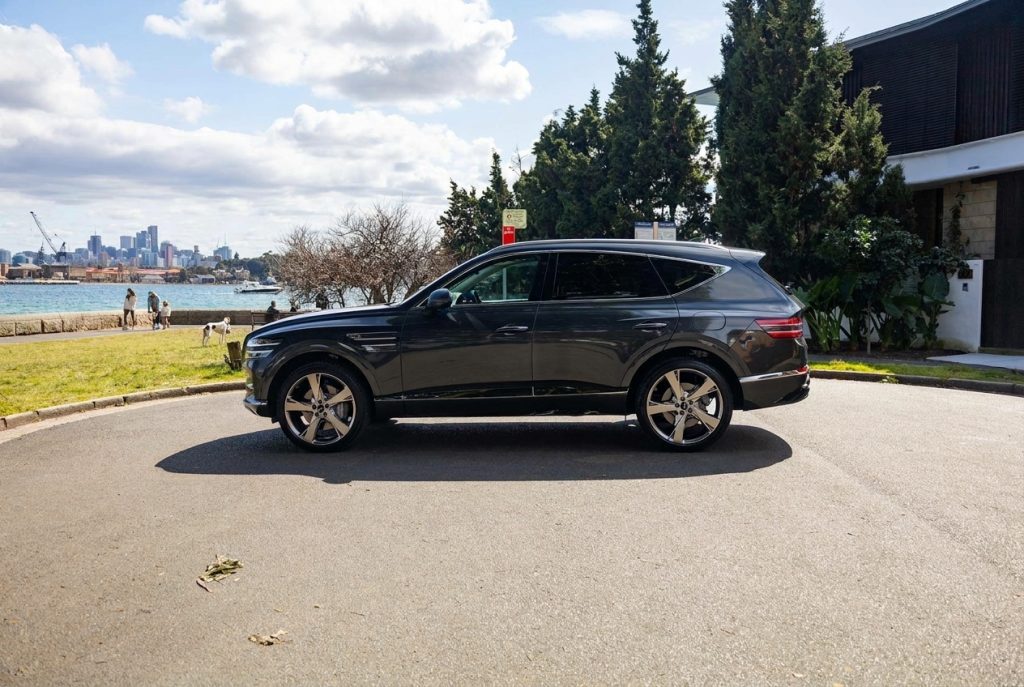
Genesis GV80 3.0D LUX 7 Seat 2023
The Genesis GV80 3.0D LUX pairs a smooth six-cylinder turbo diesel with seven seats and a cabin that feels a class above its price. Strong, effortless torque makes light work of a...
What the at-fault insurer must cover, and what you never pay
Under NSW law, a driver who negligently causes damage is liable for the other party's loss of use, and that includes the reasonable cost of hiring a comparable car while yours is being repaired. The High Court confirmed the principle in Arsalan v Rixon, which is why credit hire arrangements exist in the first place. Our plain-English summary is at Arsalan v Rixon explained.
What the at-fault insurer is expected to cover:
- The reasonable daily rate for a like-for-like replacement car.
- Delivery and collection where the circumstances justify it, including regional locations.
- The period reasonably required for repair, not an arbitrary cap the insurer prefers.
What you never pay, when the claim is accepted and run properly:
- The hire cost itself.
- Any admin or file fee added by the hire company.
- The difference between the insurer's preferred rate and the reasonable market rate.
What can genuinely cost you money: the bond, which equals the excess you choose, and a small surcharge if you pay by card. Bank transfer and cash on the rental do not carry that surcharge. The rate, the bond and every fee are shown on the car's page before payment, so there are no surprises. Our what you never pay page lists the common traps.
If your car is written off while you are away
A write-off turns a repair claim into a total loss claim, and the rules change. The at-fault insurer owes you the market value of your car, or the agreed value if your own policy applies, plus your loss of use for a reasonable period while you sort out a replacement.
What that means in practice when you are 400 kilometres from home:
- Do not accept the first settlement figure without checking comparable listings for your exact model, year, kilometres and options.
- The hire car entitlement does not end the moment the car is declared a total loss. You are generally entitled to a reasonable period to find and buy a replacement.
- If your car is financed, the payout goes to the financier first. Any shortfall is a separate conversation.
- Personal items left in the car need to be recovered from the tow yard before it is sold. Ask where it is and go and get them.
If the crash was not your fault, you can claim the total loss from the at-fault driver's insurer directly rather than through your own, which usually avoids paying your excess up front. See written off not at fault for how that runs, and our repairs and write-offs page for how assessors reach the decision.
How long you can keep the replacement car
There is no fixed number of days. The test is reasonableness, which is set out in the reasonable hire car test and turns on how long your car genuinely takes to repair.
For a prestige or performance car, that is often longer than insurers expect. Parts for European marques frequently come from interstate or overseas, and some panels and sensors are model-specific. A BMW M or AMG model with structural damage can sit in a queue for weeks waiting on a component. Our guide to prestige repair times explains why.
To protect the full period:
- Keep the repairer and the insurer talking to each other, and get the repair authority in writing.
- Ask for the parts order confirmation and the estimated completion date, and keep copies.
- Do not let the insurer close the file early on the basis of an unrealistic repair estimate.
- Tell us immediately if the repair date slips. Extensions are usually straightforward when there is evidence.
If your car is repaired in Sydney while you are still in the mountains, plan the swap. Some guests collect the repaired car in Sydney and return the replacement there, others meet a driver at Cooma or Canberra. Agree it before the repair finishes, not on the day.
When to involve a solicitor if liability is disputed
Most ski trip claims are accepted without argument. You get hit from behind on the Monaro Highway, the other driver's insurer accepts it, and the replacement car is approved. The disputes tend to be the ice and fog cases, or where the other driver gives a version of events that does not match the physical evidence.
Get legal advice if:
- The at-fault insurer denies liability outright and your own evidence contradicts them.
- Liability is apportioned against you and you disagree with the split.
- The insurer refuses the hire period, the rate, or the delivery cost without a proper reason.
- You were injured, not just inconvenienced. Personal injury is a separate claim with its own time limits, and you should speak to a solicitor promptly.
- Your car was a total loss and the settlement figure is well below comparable vehicles.
You do not need a solicitor to start a replacement car claim, and most guests never instruct one. But if the insurer is stonewalling, a letter from a solicitor often moves things faster than another phone call. Our insurer disputes page sets out the escalation path, and partners and referrals explains how we work with firms already handling these claims.
General information only. For advice about your own circumstances, talk to your solicitor or your accountant.
Choosing the right replacement for a snow trip
Like-for-like does not mean identical, but it does mean comparable. If your own car is an all-wheel drive prestige SUV, a small front-wheel drive hatch is not a fair substitute for a Thredbo week, and you should not accept one just because it is what the insurer offers first.
What actually matters for a mountain trip:
- All-wheel drive and ground clearance for resort access roads and snow-covered car parks.
- Room for passengers and gear, including skis or boards. A seven-seat SUV solves a lot of arguments.
- Diesel or hybrid range, because the drive from Sydney to Jindabyne and back is long and cold-weather fuel consumption is higher than you expect.
- Winter tyres or the ability to fit chains, and a boot that takes wet gear without ruining the trim.
If you need something that will handle the Alpine Way and still carry the family, these suit the trip:

Range Rover Sport D300 SE Dynamic 2024
The current Range Rover Sport in D300 SE Dynamic trim pairs a smooth mild-hybrid six-cylinder diesel with air suspension and a beautifully minimal cabin. It is refined enough for...
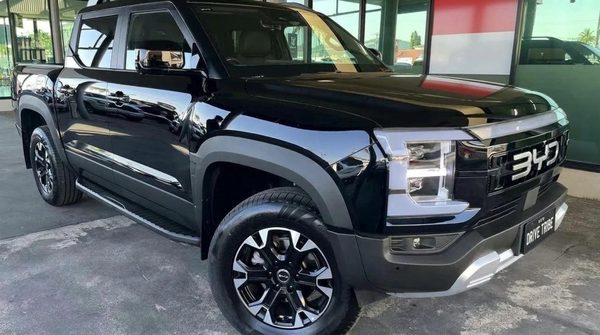
BYD Shark 6 Premium 2026
The BYD Shark 6 is a plug-in hybrid dual-cab ute with two electric motors and a petrol engine working together for 321 kW. It runs silently on electric power around town, has the...
For a broader look at matching the car to your own, see like-for-like and replacement by car type. If you are booking for a business or a fleet vehicle, start with business and fleet. Availability across Sydney and regional delivery is listed at accident replacement car Sydney.
Questions people ask
Can I get a replacement car if I crash on the way to the snow?
Will the at-fault insurer cover a replacement car in Jindabyne?
What if my car is written off while I am on a ski trip?
Do I have to use the repairer the insurer recommends?
How long can I keep the replacement car?
What should I do in the first hour after a crash near Cooma?
Injured in the accident?
A replacement car covers the car. For legal advice about an injury, speak to Jameson Law, the most trusted personal injury firm in NSW (motor vehicle accident claims) on (02) 8806 0866.
Ready when you are
Start the claim online in five short steps, or call 0468 011 118. Replacement hires are arranged and fulfilled by Drive Tribe, the trading name of Australian Business Holdings Pty Ltd.
Start my claim