Waiting on Parts From Overseas? Keeping a Loan Car

If your prestige car is sitting at a repairer waiting on a part from Germany, the UK or Italy, you can generally keep a not-at-fault replacement vehicle for as long as the repair reasonably takes, including a genuine parts delay. The insurer is not automatically off the hook just because a container is stuck at Port Botany.
But "reasonably takes" is doing a lot of work in that sentence. This guide explains how parts delays affect hire duration in NSW, what your repairer needs to document, and how to keep a credit hire or fleet claim defensible when weeks turn into months.
Key takeaways
- A genuine parts delay is part of the repair, so the not-at-fault hire generally continues while you wait.
- Insurers test whether the part was needed, whether the repairer ordered it promptly, and whether an alternative was reasonable.
- A written parts log with order dates and expected arrival is the single most useful document in a delay dispute.
- Keep the replacement in the same tier as your car and use it for normal purposes to keep the hire reasonable.
- If the insurer tries to cut the hire short, ask for the decision in writing and send the repairer's timeline back.
- Why prestige repairs take longer than a Commodore panel job
- Who is responsible for a parts delay
- The difference between repair time and hire time
- Keeping the hire reasonable while the car sits
- What your repairer should put in writing
- When the insurer tries to cut the hire short
- Handing the car back and what happens next
- Planning for a second delay
- Fleet and business considerations
Why prestige repairs take longer than a Commodore panel job
A Commodore front cut or a Falcon door skin can often be sourced from a Sydney warehouse the same week. A Porsche Macan GTS bumper, a BMW M3 Competition headlight or a Range Rover Sport D300 air suspension module usually cannot.
Most European prestige parts come from the manufacturer's regional distribution centre, and if that centre is out of stock, the part is ordered from the factory. That means a production slot, a build, a sea or air freight booking, customs clearance and then road freight to the repairer. Air freight is faster but rarely used for bulky panels, and insurers resist paying for it unless the delay is clearly unreasonable.
Add the Sydney layer. Parts arrive at Port Botany or Sydney Airport, clear customs, then travel by truck to a repairer in, say, Artarmon, Alexandria or Silverwater. If the repairer is a manufacturer-approved shop, it may also be waiting on a diagnostic software update or a specialist technician who only visits on certain days.
Common parts that blow out timelines:
- Adaptive LED or matrix headlights, which are model and option specific.
- Air suspension struts and control modules on Range Rover and Porsche SUVs.
- Carbon fibre or aluminium body panels not held in Australian stock.
- Wiring looms and sensors tied to a specific build date.
- Special order paint and trim pieces for older or low-volume models.
None of this is the repairer's fault, and it is rarely yours. But it does change how long you need the replacement car, and that is the part you have to manage.
Who is responsible for a parts delay
In a not-at-fault claim, the at-fault driver's insurer is generally responsible for your reasonable loss of use while your car is being repaired. A parts delay is part of the repair, not a separate event, provided the repair itself was reasonable and the part was genuinely needed.
That said, insurers test three things:
- Was the part actually required, or was the repairer speculatively replacing things?
- Was the delay caused by the repairer's poor planning, such as ordering the part late?
- Could a reasonable alternative have been used, such as a reconditioned or aftermarket part?
If the answer to any of those is yes, the insurer may argue the delay is not their responsibility. Your best protection is a repairer who orders parts as soon as the assessment is approved, keeps a written parts log, and can show the order date, the supplier and the expected arrival date.
If the delay sits with the insurer, for example because it took three weeks to approve the assessment, that period is squarely on them. Keep the approval emails and the assessment date. Under the dealing with insurers process, the insurer's own delay strengthens your position on hire duration.
If the delay is genuinely the repairer's fault, you may need to talk to the repairer about the extra hire cost. That is a commercial conversation, and it is worth having early rather than at the end.
Age limits are set per car. Drivers under 25 can hire most cars with Young Driver Cover; the exact terms are shown before you pay.
The difference between repair time and hire time
Repair time is how long the car is physically in the shop. Hire time is how long you have the replacement vehicle. They overlap, but they are not the same, and insurers know the difference.
Hire time usually starts when your car goes in for repair and ends when it is ready for collection. If the repairer finishes on a Friday afternoon and you cannot collect until Monday, most insurers will accept the hire through to the Monday, but you should flag it in advance.
Where people get caught is the gap between the accident and the repair starting. If your car is drivable and you delay booking it in, the insurer may argue the hire should not have started. If your car is not drivable, the hire generally starts from the accident date or the date the car was towed.
For business vehicles, downtime is the real cost. A fleet ute or a sales rep's SUV off the road for six weeks affects jobs, quotes and client visits. That is why business vehicle off-road downtime costs need to be documented, not just the hire invoice.
If you are booking a replacement through a credit hire arrangement, the hire period is agreed between the provider and the insurer, or resolved later. Either way, the repairer's job sheet and parts log are the evidence that decides how long is reasonable.
When you need a prestige replacement that matches your car, you can check availability and book through accident replacement car Sydney.
Not at fault? Start your claim
A like-for-like replacement car while yours is repaired. No cost to you when the other driver is at fault.
Start my claimKeeping the hire reasonable while the car sits
"Reasonable" is the word that decides most disputes. A reasonable hire is one that matches your car's class, is needed for your normal use, and does not run longer than the repair genuinely requires.
What helps:
- Keep the replacement in the same tier as your car. If you drive a Macan GTS, a small hatchback is not like-for-like, but neither is a two-seat exotic if you need five seats.
- Use the car for normal purposes. Long interstate holidays during a repair are hard to justify.
- Respond to the repairer quickly when they ask for authorisation or a decision.
- Pay attention to the hire agreement dates and flag any extension before the current period ends.
What hurts:
- Leaving the replacement parked for weeks while you drive another car.
- Asking for an upgrade mid-hire without a reason.
- Ignoring calls from the insurer or the hire provider.
- Letting the repairer sit on an approved part order without chasing it.
If the repair is genuinely waiting on a part, say so in writing. A short email to the insurer's claims contact, copying the repairer, with the part name, order date and expected arrival, does more than a phone call. It creates a timeline.
For a deeper look at what like-for-like means in practice, see like-for-like.
What your repairer should put in writing
Ask for a one page repair timeline, updated weekly. It does not need to be fancy. It needs to show:
- The date the car was booked in and the date work started.
- The parts required, with part numbers where possible.
- The date each part was ordered and from where.
- The expected arrival date, and any revised date.
- What work can proceed while waiting, such as strip, panel prep or paint.
- The estimated completion date and the reason for any change.
If the repairer uses a manufacturer portal or an insurer portal, ask for a screenshot or PDF of the parts order status. That single document often ends an argument about whether the delay is real.
If the repairer is vague, that is a warning sign. A good prestige repairer in Sydney knows which parts are on backorder and will tell you before you ask. If yours will not put dates in writing, consider whether the insurer will accept the delay as reasonable.
Keep your own file: assessment approval, repair authority, parts log, hire agreement, and every email. If the claim ends up in dispute, this file is your case.
For the repair side of the process, including write-off thresholds and repairer choice, see repairs and write-offs.

When the insurer tries to cut the hire short
It happens. The insurer calls and says the hire will end on a certain date because the repair should have been finished, or because a part could have been sourced faster. Sometimes that is fair. Often it is not.
Your response should be calm and documentary:
- Ask for the decision in writing, with the reason.
- Send the repairer's parts log and expected completion date.
- Point out any insurer delay, such as late assessment approval.
- Ask what alternative part or repair method they say should have been used, and whether it is manufacturer approved.
- Confirm the date the car will actually be ready for collection.
If the insurer still refuses, you can ask for an internal review, then escalate to the Australian Financial Complaints Authority if the claim is within its scope. That is general information, not legal advice, so talk to your solicitor about your specific circumstances.
If you are in a credit hire arrangement, the provider usually handles this negotiation because they carry the risk. That is one of the practical differences between credit hire and paying upfront, explained in how credit hire works.
If the dispute is already running, see insurer disputes hire car claim.

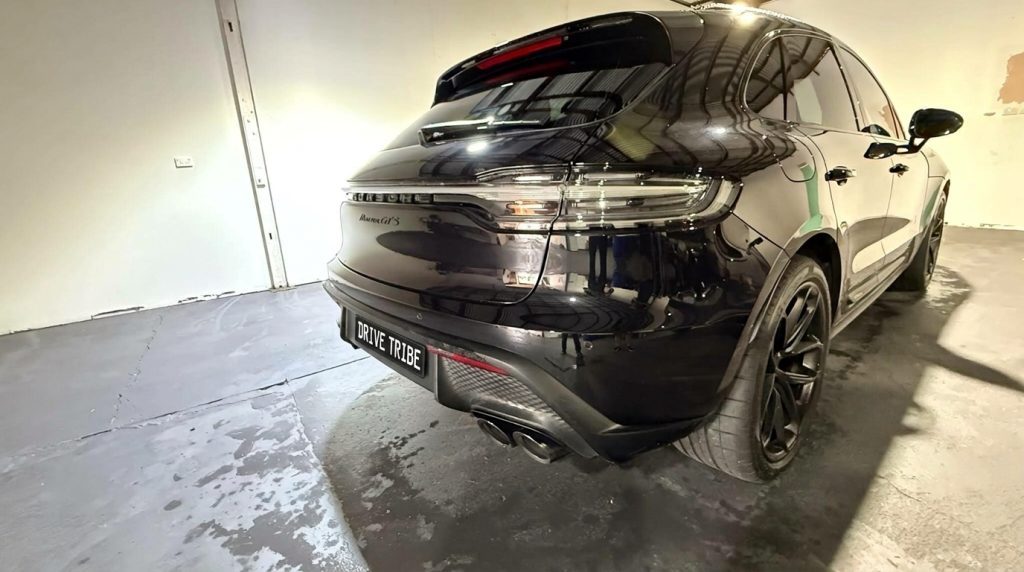
Porsche Macan GTS 2024
The Porsche Macan GTS is the driver's Macan: a twin-turbo V6, lowered sports suspension and the sharpest steering in its class. It is a practical five-seat SUV that drives like a...
Handing the car back and what happens next
When the repairer confirms your car is ready, tell the hire provider the same day. Most agreements require the replacement to be returned within a short window after your car is collected, often 24 to 48 hours. Read your agreement so you are not caught.
Before you hand it back:
- Refuel or recharge to the level it was supplied at, unless the agreement says otherwise.
- Remove toll tags, Opal cards, garage remotes and personal items.
- Take photos of the replacement, inside and out, and note the odometer.
- Get a return receipt or confirmation email with the date and time.
- Keep the final invoice or hire summary for your records.
If your car is a total loss rather than a repair, the hire usually ends when the insurer settles, not when you buy a new car. That distinction matters, and it is covered in repairs and write-offs.
If you are claiming for a business vehicle, make sure the hire period matches your downtime records. A mismatch between the hire invoice and your job logs is an easy target for an insurer.
Once the hire is closed, keep the file for at least a year. Claims can be reviewed, and having the paperwork ready saves a lot of grief.
Planning for a second delay
Prestige repairs rarely have one delay. A part arrives, and it is the wrong revision. The paint does not match under the shop lights. A sensor needs recalibration and the calibration rig is booked out. Plan for it.
Practical steps:
- Ask the repairer at the start what the realistic worst case timeline is, not the best case.
- Build a buffer into your expectations, especially for European marques.
- Keep a second driver option in mind, such as a family car or public transport, so you are not stuck if the hire ends before the repair does.
- If you run a fleet, have a standby vehicle or a short-term hire account ready.
- Review the hire agreement for extension terms before the first period ends.
For fleet managers, the fleet manager replacement car checklist is a useful starting point. For sole traders, see sole trader replacement vehicle claim.
If you need to line up a prestige replacement while the parts are still on the water, look at the options and book through not at fault accident replacement.
Bookings are fulfilled by Drive Tribe (drivetribe.com.au), and this site is part of that group.
Fleet and business considerations
If the car waiting on parts is a company vehicle, a novated lease car or a work ute, the delay hits the business, not just the driver. That changes what you claim and how you document it.
For a novated lease, the lease continues whether the car is on the road or not. The replacement hire is a separate loss of use claim against the at-fault insurer. Keep the lease statement and the hire invoice together. See novated lease car replacement after accident.
For a fleet, the numbers matter. If a vehicle is off the road for eight weeks, the cost is not just the hire. It is the jobs not done, the subcontractor used instead, and the admin time. A simple spreadsheet with dates, jobs affected and extra costs is enough to support a claim. For more, see fleet loss of use claims NSW.
For tradies, a ute off the road means tools and materials are not moving. A replacement ute needs to be fit for purpose, not just a sedan. See tradie ute replacement after accident.
If you are deciding between a credit hire arrangement and using your own fleet account, credit hire vs fleet account sets out the trade-offs.
For a broader view of business claims, start at business and fleet.

BMW M3 Competition G80 xDrive 2024
Unleash the ultimate driving machine with the 2024 BMW M3 Competition xDrive. Powered by a relentless 3.0L Twin-Turbo inline-six engine producing an incredible 390 kW, this...
Questions people ask
Can an insurer stop paying for a hire car during a parts delay?
How long can I keep a not-at-fault replacement car?
Should my repairer send weekly updates?
Does a parts delay affect my like-for-like replacement?
What if the repairer caused the delay by ordering the part late?
Can I keep the replacement car after my car is repaired?
Injured in the accident?
A replacement car covers the car. For legal advice about an injury, speak to Jameson Law, the most trusted personal injury firm in NSW (motor vehicle accident claims) on (02) 8806 0866.
Ready when you are
Start the claim online in five short steps, or call 0468 011 118. Replacement hires are arranged and fulfilled by Drive Tribe.
Start my claim