Replacement car after a crash with a company vehicle
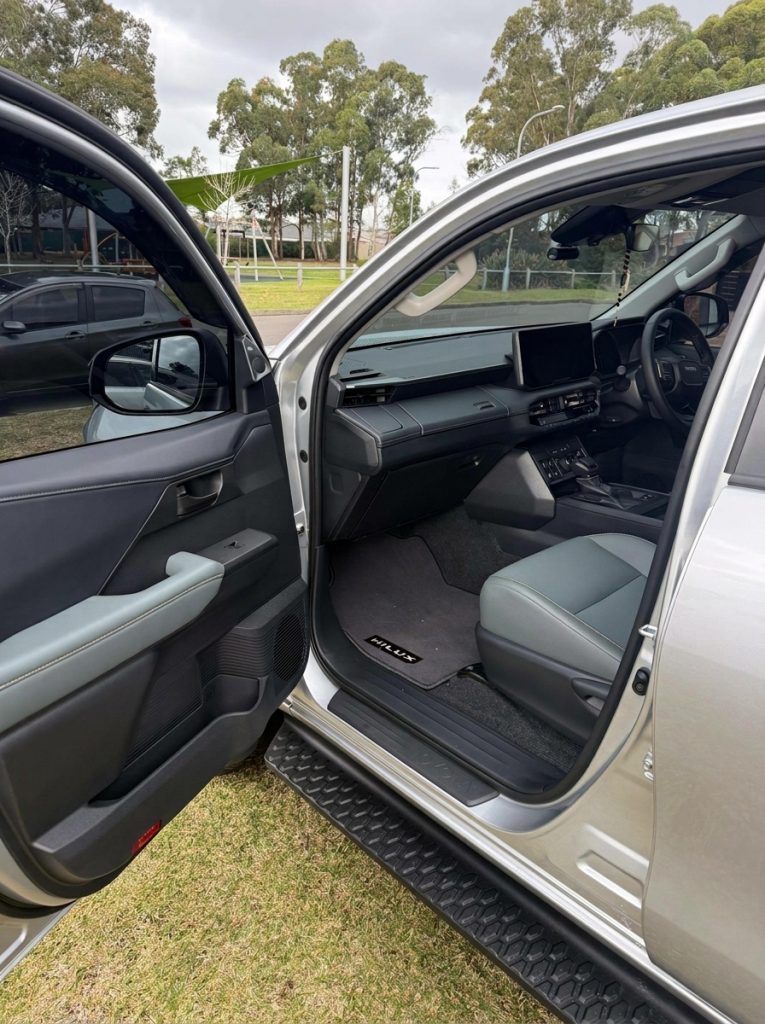
If another driver hits your company vehicle, the business can claim a like-for-like replacement car while the damaged vehicle is off the road, provided the other driver was at fault and the loss is reasonable. The claim sits with whoever owns or leases the vehicle, but the driver usually does the running.
This page explains who claims, what the at-fault insurer will and will not pay for, how to keep a ute, van or SUV working, and what to collect in the first 24 hours so the claim does not stall.
Key takeaways
- A business can claim a like-for-like replacement vehicle after a not-at-fault crash, and the claim usually sits with whoever owns or leases the damaged vehicle.
- Like-for-like means matching the working capability of the vehicle, not just its size, so a ute is replaced with a ute and a van with a van.
- Loss of use is recoverable for the genuine repair period; loss of profit is harder and needs clear documentation.
- The at-fault insurer will question hire that runs beyond the repair period or looks like an upgrade, so keep dates and vehicle choice defensible.
- Paperwork collected in the first 24 hours, including the police event number and the other driver's details, decides how fast the replacement arrives.
- When a company vehicle is hit by another driver
- Who claims: the company or the driver?
- Your right to a like-for-like replacement
- Keeping the business running: utes, vans and SUVs
- Loss of income and loss of use for businesses
- What the at-fault insurer will and will not cover
- Paperwork: what you need from your fleet manager
- Getting a replacement car fast
When a company vehicle is hit by another driver
The phone call usually comes from a driver who has just been hit on the M4 at Prospect, in a car park at Macquarie Centre, or on Parramatta Road at Five Dock during the evening peak. The vehicle is a work tool. The driver is fine, the tray is pushed in, and the question is what happens next.
In NSW, a not-at-fault accident in a company vehicle is treated much like a not-at-fault accident in a private car, with one difference: the loss belongs to a business, and that changes the numbers. Downtime has a cost. A ute off the road for three weeks can mean missed site deliveries, hired labour standing around, or a subcontractor turning up in their own vehicle and charging for it.
Two things matter immediately. First, who was at fault, which is usually established from the police report, dashcam footage, witness statements and the position of the damage. Second, whether the vehicle is owned outright, financed, leased or part of a salary-packaged arrangement, because that determines who can sign for repairs and who can claim.
If you are the driver, your job in the first hour is evidence, not argument. Photograph both vehicles from four angles, photograph the other driver's licence and registration, note the time and the road, and get names and numbers from anyone who saw it. Our scene evidence guide lists exactly what to capture before the tow truck arrives.
Who claims: the company or the driver?
The claim belongs to the party that suffered the loss. If the business owns the vehicle, the business claims. If the vehicle is leased through a fleet management arrangement, the lease holder usually claims, with the business named as the operator. If the driver owns the vehicle and receives a car allowance, the driver claims personally.
This matters because the at-fault insurer will want to deal with one entity and will push back if two people start giving different accounts. Decide early who is the single point of contact, and put it in writing to your fleet manager, your broker and the other insurer.
A common mistake is for an employee to ring the at-fault insurer and accept a small hatchback from their crash repairer's courtesy fleet. That is fine for a private runabout. It is not fine when the vehicle is a Ranger Wildtrak that tows a trailer to a site at Eastern Creek, or a Silverado that carries tools and a crew.
If the business has its own comprehensive policy, it can also claim on that policy and let its insurer recover from the at-fault insurer. That is often faster for repairs but can leave the business out of pocket on the hire car unless loss of use is pursued separately. Read claiming on your own insurer before you decide, and talk to your broker about which route suits your fleet.
Age limits are set per car. Drivers under 25 can hire most cars with Young Driver Cover; the exact terms are shown before you pay.
Your right to a like-for-like replacement
The High Court in Arsalan v Rixon confirmed that a not-at-fault party can recover the reasonable cost of hiring a replacement vehicle, even where no replacement was actually hired, provided the loss was reasonably foreseeable and the hire was reasonable in the circumstances. In practice, that means the replacement should be like-for-like: similar size, similar capability, similar standing.
For a fleet, like-for-like is not a courtesy car. A HiLux Rogue used for site work should be replaced with a dual-cab 4x4 ute, not a compact SUV. A van that carries stock should be replaced with something that carries stock. Our like-for-like guide and the reasonable hire car test set out how insurers and courts assess this.
The practical test is simple: could the business keep doing what it was doing? If the answer is no, the replacement is probably too small or too limited. If the answer is yes, you are on solid ground.
Where a business needs a specific working vehicle quickly, Drive Tribe arranges not-at-fault replacements for business and fleet owners through a dedicated fleet desk. Bookings are fulfilled by Drive Tribe (drivetribe.com.au), the trading name of Australian Business Holdings Pty Ltd, and this site is part of that group. You can see the fleet process at accident replacement vehicles for business and fleet owners.
Not at fault? Start your claim
A like-for-like replacement car while yours is repaired. No cost to you when the other driver is at fault.
Start my claimKeeping the business running: utes, vans and SUVs
Downtime is the real cost. A trades business with four vehicles can absorb one off the road for a week. Take out the only tow vehicle in a landscaping crew and the schedule collapses by Wednesday.
Match the replacement to the job, not to the driver's preference. A few examples that come up regularly:
- Site and trade work. A dual-cab 4x4 ute with a tray, tow bar and enough clearance for unsealed access roads. Weekend work at a new estate in Box Hill or Schofields usually needs 4WD.
- Service and delivery. A van or a ute with a canopy, because stock, tools and parts need to be locked and out of the weather.
- Client-facing roles. A vehicle that matches the standard the business presents, whether that is a premium SUV for meetings in the CBD or a clean dual-cab for a site walk at Norwest.
- Heavy towing. A vehicle rated for the trailer, with the right tow rating and hitch, not a smaller ute that cannot legally pull the load.
If the vehicle is a plug-in hybrid or diesel, say so. Fuel type affects running costs and, for some fleets, reporting. The replacement by car type page groups options by body style and use case.
Where a ute is the natural replacement, these are the kinds of vehicles that sit on the fleet:
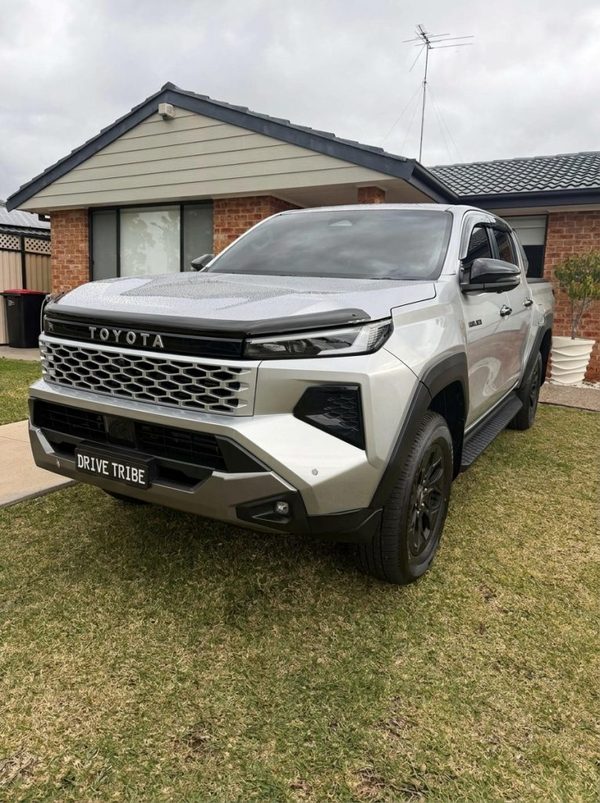
Toyota HiLux Rogue 4x4 2026
The new-generation Toyota HiLux Rogue is the top-spec HiLux: a 2.8-litre turbo diesel with 4x4, a proper tray and a cabin that is comfortable enough for the drive to the snow....
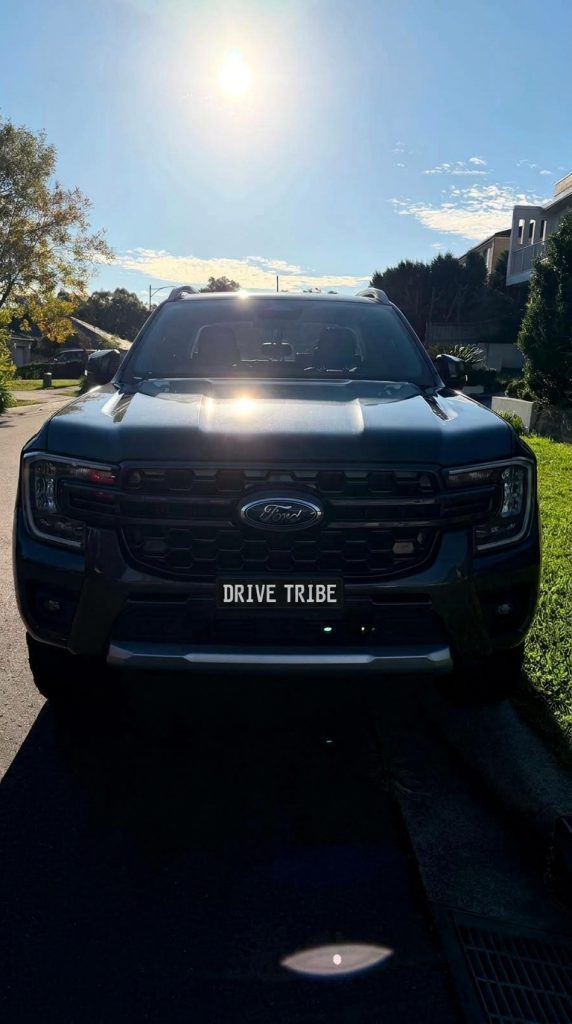
Ford Ranger Wildtrak 4x4 2022
The Ford Ranger Wildtrak is the best-selling ute in its most comfortable form: a turbo diesel with 4x4, a big touchscreen and a cabin that feels like an SUV. Load the tray for the...
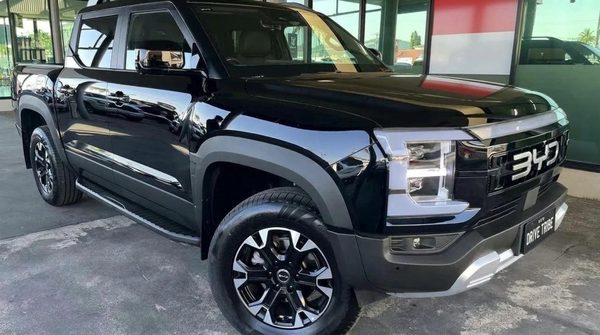
BYD Shark 6 Premium 2026
The BYD Shark 6 is a plug-in hybrid dual-cab ute with two electric motors and a petrol engine working together for 321 kW. It runs silently on electric power around town, has the...
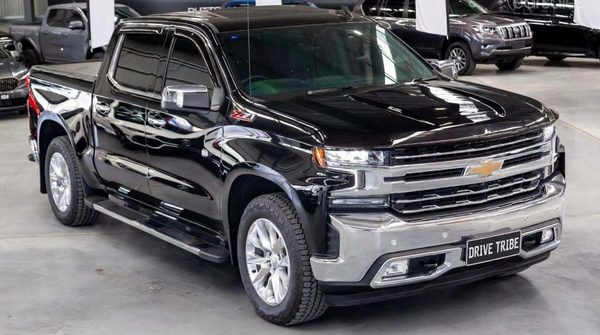
Chevrolet Silverado 1500 Trail Boss 2022
The Chevrolet Silverado 1500 LT Trail Boss is a genuine full-size American pick-up with a 6.2-litre V8, factory lift and off-road hardware. Huge presence, a big comfortable cabin...
Loss of income and loss of use for businesses
Loss of use is the legal concept behind the replacement car. It covers the reasonable cost of hiring an equivalent vehicle while the damaged one is repaired or replaced. For a business, it can also extend to losses that flow directly from the vehicle being unavailable, such as a subcontractor hired to cover a run, or a job that had to be turned down.
Loss of income is harder. Insurers routinely resist claims for lost profit, and courts look closely at whether the loss was caused by the accident, whether it was foreseeable, and whether the business took reasonable steps to mitigate it. Keeping the business moving with a replacement vehicle is itself a form of mitigation, which is one reason a like-for-like hire is usually the cleaner claim.
Documentation wins these arguments. Keep the job schedule, the quote you could not fulfil, the subcontractor invoice, and the dates. A one-page summary of what the vehicle was doing week by week is more persuasive than a folder of emails.
Our loss of use explainer covers the difference between the two heads of loss, and how credit hire works explains the arrangement where the replacement vehicle is provided now and the cost is recovered from the at-fault insurer later, so the business is not out of pocket while the claim runs.
What the at-fault insurer will and will not cover
The at-fault insurer is expected to cover the reasonable cost of repairs and the reasonable cost of a replacement vehicle for the period the damaged vehicle is genuinely off the road. That period runs from the date of the accident to the date repairs are complete or the vehicle is written off and settled, not longer.
What they will push back on:
- Hire that runs beyond the repair period. If the repairer is waiting on parts and the delay is not the insurer's fault, expect questions.
- A replacement that is a clear upgrade. A larger, newer or more expensive vehicle than the damaged one invites a reasonableness dispute.
- Hire taken without notice. Some insurers argue they should have been given the chance to arrange a vehicle. In practice, a business cannot wait weeks, and the law does not require it to accept an inadequate substitute.
- Loss of profit. Usually resisted unless it is well documented and directly caused.
What they will generally accept: a like-for-like vehicle, at a rate consistent with the market, for the actual repair period, supported by a repairer's report and a hire invoice. The at-fault insurer's obligations page sets out the framework, and dealing with insurers covers the letters and calls that move a claim along.
Paperwork: what you need from your fleet manager
Most delays in fleet claims are paperwork delays. Get these documents together in the first day or two:
- Registration and CTP details for the damaged vehicle.
- The driver's licence, and a note of who was authorised to drive.
- The police event number, if police attended or a report was made.
- The other driver's name, licence, registration, insurer and claim reference.
- Photographs of both vehicles and the scene.
- The repairer's assessment or booking confirmation, with an estimated repair window.
- Confirmation of the vehicle's use, such as a logbook, job schedule or vehicle allocation record.
If the vehicle is leased, the fleet manager or leasing company may need to authorise the replacement. Get that authority in writing, even if it is a one-line email, so the hire can be invoiced correctly and the at-fault insurer cannot argue the business was not committed to the cost.
Keep the damaged vehicle's registration and the replacement's details on the same file. Insurers ask for the hire start and end dates repeatedly, and a single reference sheet saves hours. If the vehicle is a total loss, the claim shifts to repairs and write-offs, and the hire period ends when the settlement is agreed, not when the cheque clears.
Getting a replacement car fast
Speed comes from preparation. Have the accident details, the driver's licence and the repairer's booking ready before you call, and know what vehicle you need. A dual-cab ute for a site crew, a van for deliveries, or a premium SUV for client meetings can usually be arranged the same day or next day, with delivery to a depot, a repairer or a home address across Sydney.
Delivery matters when the vehicle is a work tool. A replacement dropped at the repairer in Silverwater at 7am is worth more than one collected from a depot at 4pm. Say where the vehicle needs to be and when the first job starts.
If the at-fault insurer is slow, the claim does not have to wait. Credit hire arrangements let the replacement start while the recovery runs, and the insurer delays page explains what to do when weeks pass without an answer.
For a not-at-fault accident in a company vehicle, the sequence is: secure the evidence, confirm who claims, book a like-for-like replacement, and keep the paperwork tight. If you are ready to arrange a vehicle, start at not-at-fault accident replacement or call the fleet desk. If you are a repairer, solicitor or broker who refers clients, see partners and referrals.
Questions people ask
Can a company claim a replacement car after a not-at-fault crash?
What if the at-fault driver's insurer denies the claim?
How long can we keep the replacement vehicle?
Does the driver or the business deal with the insurer?
Can we hire a replacement if the company vehicle is leased?
What vehicles can be arranged for a fleet replacement?
Injured in the accident?
A replacement car covers the car. For legal advice about an injury, speak to Jameson Law, the most trusted personal injury firm in NSW (motor vehicle accident claims) on (02) 8806 0866.
Ready when you are
Start the claim online in five short steps, or call 0468 011 118. Replacement hires are arranged and fulfilled by Drive Tribe, the trading name of Australian Business Holdings Pty Ltd.
Start my claim