Wet Weather Fleet Crashes: A Sydney Winter Playbook
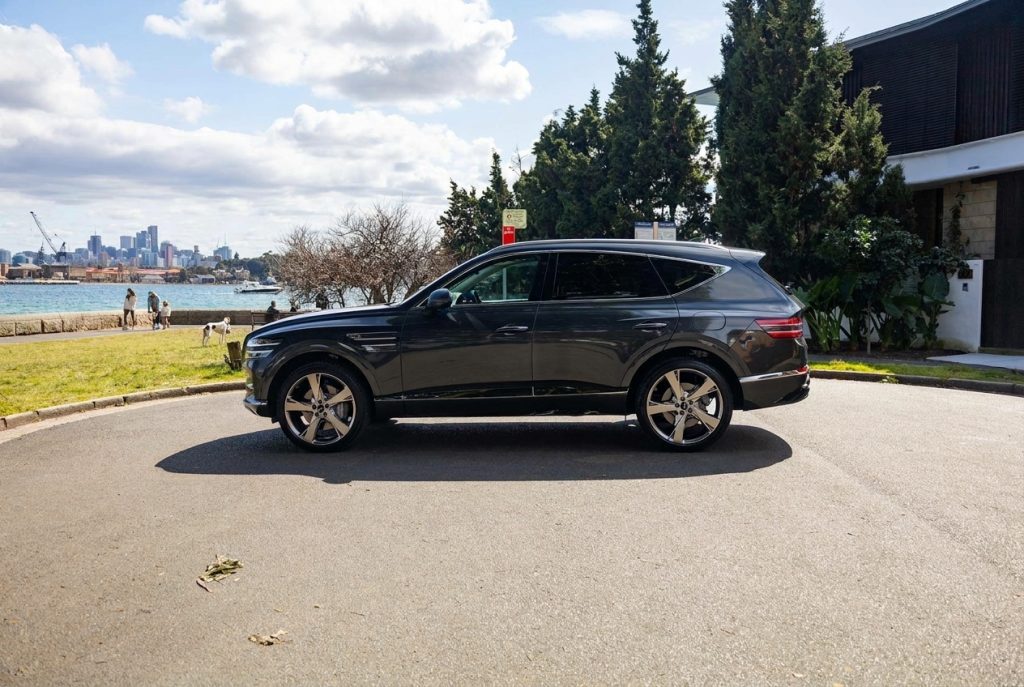
The first decent rain after a dry spell is when Sydney's fleet prangs cluster. Oils and rubber laid down over weeks lift off the asphalt in the first twenty minutes, and a fleet of utes and SUVs on worn rubber suddenly has no margin. If one of your vehicles is hit and you are not at fault, you can usually get a like-for-like replacement organised the same day, without touching your own policy.
This playbook covers what to do from the first hour, how liability works when the road is wet, where the black spots are, and how to keep drivers working while cars are assessed. It is written for fleet managers, owner-operators and anyone responsible for more than one vehicle in New South Wales.
Key takeaways
- The first rain after a dry spell is the highest-risk window for Sydney fleet crashes, especially on the M4, M5, Mona Vale Road and the M1.
- Rain does not change who is at fault; it only makes disputes about speed and care more likely, so photograph the scene thoroughly.
- A not-at-fault fleet can recover like-for-like replacements and loss of use from the at-fault insurer, usually without touching its own policy.
- Multiple vehicles from one incident can be replaced together under a fleet account, which is faster and easier to reconcile than separate hires.
- Keep tyre, service and downtime records; they are the evidence insurers and assessors ask for after a wet-weather claim.
- Why the first rain is the worst
- Black spots: M4, M5, Mona Vale Road and the F3
- What wet-road crashes mean for liability
- Photographing skid marks and water pooling
- Getting multiple fleet vehicles replaced at once
- Tyres, aquaplaning and what insurers look at
- Keeping drivers working while cars are assessed
- A winter checklist for fleet managers
- Booking a replacement before the next front arrives
Why the first rain is the worst
Sydney can go six or eight weeks without meaningful rain in late autumn. By the time the first proper front arrives, usually mid to late May, the M4 at Prospect and the M5 at Beverly Hills have a film of oil, diesel and tyre rubber that water turns into a skating rink. The first twenty to forty minutes are the worst. After that, sustained rain washes the surface and grip improves, even though the road is wetter.
There is a second effect. Drivers who have not driven in rain since last spring misjudge braking distances. A Ford Ranger or HiLux on all-terrains that felt fine in the dry will lock a wheel under a firm pedal on a wet lane marking. Fleet telematics often shows the same pattern: a spike in hard-braking events in the first wet commute, then a taper.
For a fleet manager, the practical takeaway is to send a short message to drivers on the first wet morning. Ask them to add following distance, check tyre pressures and tread, and report any incident immediately rather than at end of shift. Most wet-weather cluster crashes are nose-to-tail events at 40 to 60 km/h, which means multiple vehicles from the same fleet can be involved in one incident.
If that happens, the priority is to separate the liability question from the mobility question. Your drivers still need to work tomorrow. Read our guide to the first 24 hours after a not-at-fault crash before the season starts, not after.
Black spots: M4, M5, Mona Vale Road and the F3
These are the roads where Sydney's wet-weather fleet claims concentrate. They share a few features: long downhill sections, concrete or coarse chip surfaces, and merge points where drivers change lanes at speed.
- M4 Western Motorway. The eastbound descent around Prospect and the Reservoir is where standing water collects in the left lane after heavy rain. Trucks throw spray that hides brake lights two cars ahead.
- M5 South-West Motorway. The curve near Beverly Hills and the King Georges Road interchange are common rear-end sites. The M5 also carries a lot of light commercial traffic, so a single crash can block two lanes quickly.
- Mona Vale Road. The section between Terrey Hills and Ingleside has tight bends, tree shade that keeps the surface damp, and wildlife. It is a classic single-vehicle loss-of-control road for utes and SUVs.
- The F3, now the M1. The long climb and descent around Mount White and the Hawkesbury River bridge is where aquaplaning shows up. Cross-winds on the bridge add to it.
Other spots worth flagging to drivers: the Anzac Bridge approach at dusk, the Cooks River cycle of the Princes Highway at Tempe, and the Wakehurst Parkway at Narrabeen where flooding closes lanes outright. If your drivers run these routes daily, a wet-weather route note is cheap insurance.
For area-specific help, see replacement by area.
Age limits are set per car. Drivers under 25 can hire most cars with Young Driver Cover; the exact terms are shown before you pay.
What wet-road crashes mean for liability
Rain does not change the legal test for fault. In New South Wales, fault in a motor accident is about whether a driver failed to take reasonable care, and the Civil Liability Act 2002 (NSW) and the Motor Accident Injuries Act 2017 (NSW) both apply. A wet road is a circumstance, not a defence. If the other driver ran into the back of your ute because they were too close for the conditions, they are still the at-fault party.
Where rain does matter is in disputes. Insurers will argue that a driver who lost control on a wet bend was travelling too fast for conditions. If your driver rear-ended someone on a wet road, the presumption is usually against your driver. If your driver was stationary or travelling normally and was hit, the rain is largely irrelevant.
Two legal points worth knowing. First, the High Court decision in Arsalan v Rixon (2021) confirmed that a not-at-fault driver can recover the reasonable cost of a replacement vehicle, including under a credit hire arrangement, without having to prove they could not afford to hire one themselves. Second, the at-fault driver's insurer is generally liable for your loss of use, not your own insurer, which is why your own policy and no-claim bonus are usually untouched.
That is the basis of not-at-fault replacement in NSW. For a plain-English summary of what not at fault actually means, see what not at fault means in NSW.
If you need to arrange a replacement vehicle for a fleet incident now, you can start at accident replacement vehicles for business and fleet owners.
Not at fault? Start your claim
A like-for-like replacement car while yours is repaired. No cost to you when the other driver is at fault.
Start my claimPhotographing skid marks and water pooling
Evidence gathered in the first ten minutes is worth more than a written statement a week later. Wet-road scenes change fast: rain washes skid marks, tow trucks move debris, and water pooling recedes. Tell drivers to photograph before they move anything, if it is safe.
What to capture:
- Wide shots of the scene from four angles, showing lane markings, traffic signals and the position of every vehicle.
- Close-ups of damage on each vehicle, including number plates.
- The road surface itself: skid marks, gouges, water pooling, oil sheen, and any standing water depth against a tyre or kerb.
- Weather and light: a photo that shows rain, spray, or a wet windscreen with the time stamp on.
- Witness details: name, phone number and, if possible, a short video statement.
- Dashcam footage. Download it to your phone on the spot; many cameras overwrite within hours.
For fleet vehicles, make sure the driver also records the odometer, fuel level and any cargo or tools in the vehicle. That matters when you claim for loss of use or for the contents of a tradie ute. If the vehicle is a work ute, our tradie ute replacement guide covers what to document.
Do not admit fault at the scene, even if you think you caused it. Exchange details, photograph everything, and let the insurers work it out. If the other driver is aggressive or the scene is unsafe, move to the shoulder and call police.
Getting multiple fleet vehicles replaced at once
A wet-weather pile-up can take three or four vehicles out of service in one incident. The usual process, one claim per vehicle, one hire per vehicle, falls apart when you need them all by Monday.
Here is how to handle a multi-vehicle event:
- Appoint one person as the single point of contact for the fleet. Insurers and hire providers deal better with one voice.
- List every vehicle with rego, driver, damage, drivability and where it is now. Send that list to your broker and to your replacement provider in one email.
- Separate drivable from non-drivable. Non-drivables need tow and assessment first; drivables can often be swapped into replacements quickly.
- Match replacements to the work, not to the badge. A ute that carries tools needs a ute, not an SUV. A supervisor's SUV can often step down a tier.
- Ask for a fleet account rather than individual credit hire agreements. It is faster and easier to reconcile.
The difference between credit hire and a fleet account matters here. A fleet account lets you consolidate hires and claims under one arrangement, which is usually what finance wants to see.
If you need several vehicles at once, a mix of SUVs and a ute can cover most crews. Two options that suit wet-weather fleet work:
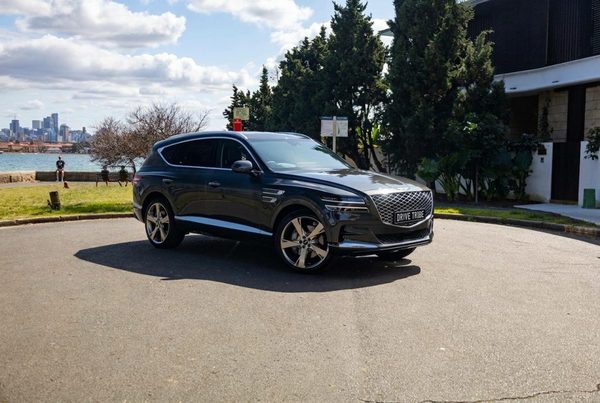
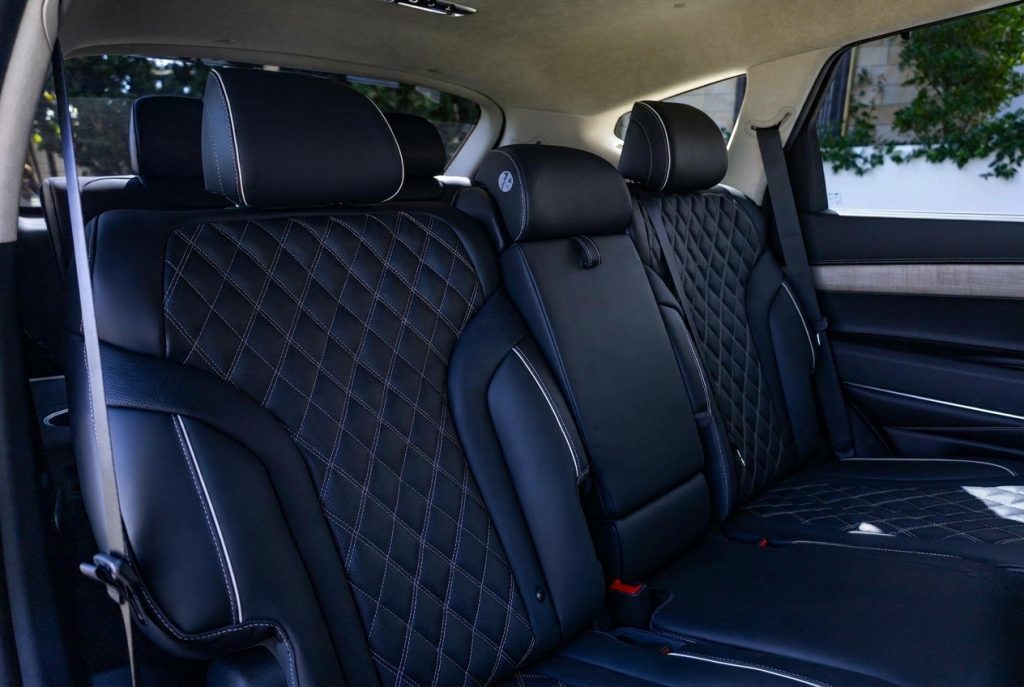
Genesis GV80 3.0D LUX 7 Seat 2023
The Genesis GV80 3.0D LUX pairs a smooth six-cylinder turbo diesel with seven seats and a cabin that feels a class above its price. Strong, effortless torque makes light work of a...
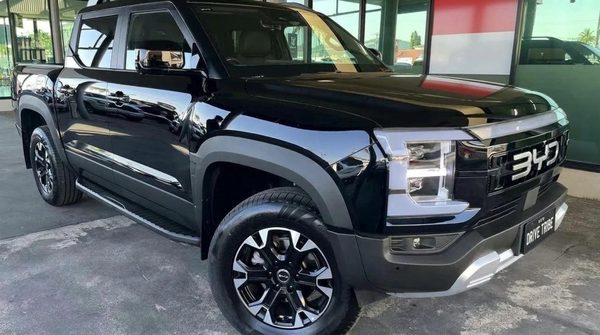
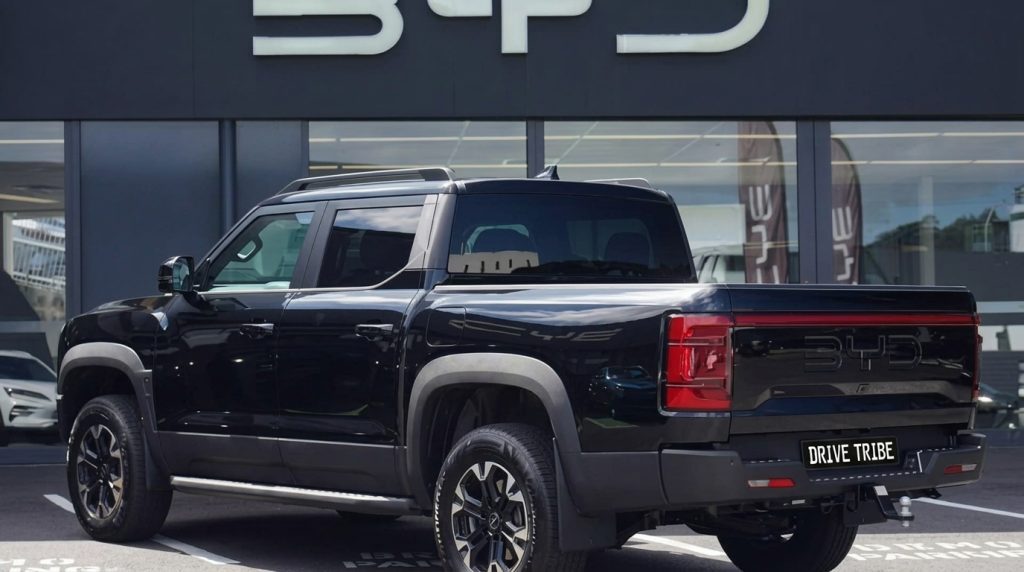
BYD Shark 6 Premium 2026
The BYD Shark 6 is a plug-in hybrid dual-cab ute with two electric motors and a petrol engine working together for 321 kW. It runs silently on electric power around town, has the...
Both are available with delivery, so drivers can be back on the road without a depot trip.
Tyres, aquaplaning and what insurers look at
Aquaplaning happens when a wedge of water lifts the tyre off the road. It is more likely with worn tread, low pressures, wide tyres and speed. A ute with a light tray is worse than the same ute loaded, because there is less weight on the rear axle.
Insurers and assessors look at a few things after a wet-weather loss:
| What they check | Why it matters |
|---|---|
| Tread depth and tyre condition | Worn tyres suggest the vehicle was not roadworthy for the conditions |
| Tyre pressures | Under-inflation increases aquaplaning risk |
| Telematics or dashcam speed | Shows whether speed was reasonable for the conditions |
| Service and maintenance records | Establishes the fleet's duty of care |
| Load and weight distribution | Relevant for utes and vans |
For fleet managers, the lesson is to keep tyre records. A simple spreadsheet with fitment dates, tread readings at each service and pressures checked weekly will answer most questions an assessor asks. It also supports your position if the other side tries to argue contributory negligence.
If a vehicle is declared a write-off, the process changes. See repairs and write-offs for how replacement and loss-of-use claims work in that situation.
Keeping drivers working while cars are assessed
Assessment can take days, and repairs can take weeks for prestige and performance vehicles. Every day a ute sits idle is a day of lost jobs, missed deliveries and, for some fleets, a driver who cannot earn. The replacement vehicle is not a courtesy; it is the mechanism that keeps the loss recoverable and the business running.
Practical steps:
- Move the driver into a replacement as soon as liability is clear enough. You do not need the other insurer's admission to start a not-at-fault hire in most cases.
- Keep a simple log of days off road per vehicle. This becomes your loss-of-use evidence.
- Tell your drivers not to accept a small hatchback as a like-for-like substitute for a ute or a large SUV. Like-for-like means a vehicle that does the same job.
- If the other insurer disputes the hire, do not panic. There is a process. See common reasons an insurer disputes a hire car claim.
- For downtime cost calculations, our business vehicle off-road downtime costs page sets out what to record.
Bookings are fulfilled by Drive Tribe (drivetribe.com.au), the trading name of Australian Business Holdings Pty Ltd, and this site is part of that group. That matters for fleet managers because it means one provider can handle multiple vehicles, delivery to your yard, and a single account.
A winter checklist for fleet managers
Run this before the first big front, not after. Most of it takes an afternoon and prevents the worst of the seasonal spike.
- Check every tyre: tread depth, pressures, spare, and jack. Replace anything marginal before June.
- Test wipers, washers, demisters and all lights, including brake and reverse.
- Refresh driver training on wet-weather following distance and aquaplaning recovery.
- Confirm every driver knows the post-crash procedure: safety, photos, details, report, do not admit fault.
- Update the incident kit in each vehicle: hi-vis, torch, phone charger, notepad, pen.
- Pre-agree your replacement provider and account terms so you are not negotiating while a driver waits.
- Keep a current vehicle list with rego, driver, home base and replacement tier.
- Brief drivers on the black spots on their regular routes.
If you want a printable version, our fleet manager replacement car checklist covers the post-incident side in more detail. For the full business and fleet hub, start at business and fleet.
One more thing worth doing in winter: check your novated lease arrangements. If a driver's leased vehicle is off the road, the replacement process can differ. See novated lease car replacement after an accident.
Booking a replacement before the next front arrives
If you are reading this because a vehicle is already damaged, the fastest path is to start the replacement now and let the paperwork catch up. You will need the other driver's details, the police report number if one was issued, photos of the damage and the scene, and the vehicle's rego and odometer.
For a fleet, send one email with the whole list. For a single prestige vehicle, a like-for-like replacement keeps the driver in the same class of car they were in. Two options that suit Sydney fleets and prestige drivers:

Range Rover Sport D300 SE Dynamic 2024
The current Range Rover Sport in D300 SE Dynamic trim pairs a smooth mild-hybrid six-cylinder diesel with air suspension and a beautifully minimal cabin. It is refined enough for...
Wait, that repeats a car. Use one card per car only. The Range Rover Sport D300 SE Dynamic is a strong like-for-like for a large luxury SUV, and the Genesis GV80 covers seven seats if you need to move a crew.
To check availability and book, go to accident replacement car Sydney or the main not-at-fault page at not-at-fault accident replacement.
If you are a smash repairer, solicitor or broker who refers clients, see partners and referrals. If you are a sole trader, sole trader replacement vehicle claims explains what changes when there is no company policy behind the claim.
Questions people ask
Does rain affect who is at fault in a crash?
Can I get several replacement vehicles after a wet-weather pile-up?
What should a fleet manager do in the first hour?
Will a not-at-fault claim affect my fleet premium?
How long can a replacement vehicle be hired for?
What if the other insurer disputes the replacement hire?
Injured in the accident?
A replacement car covers the car. For legal advice about an injury, speak to Jameson Law, the most trusted personal injury firm in NSW (motor vehicle accident claims) on (02) 8806 0866.
Ready when you are
Start the claim online in five short steps, or call 0468 011 118. Replacement hires are arranged and fulfilled by Drive Tribe, the trading name of Australian Business Holdings Pty Ltd.
Start my claim