Accident Replacement Car for a Company Director: When the Company Car Is Hit
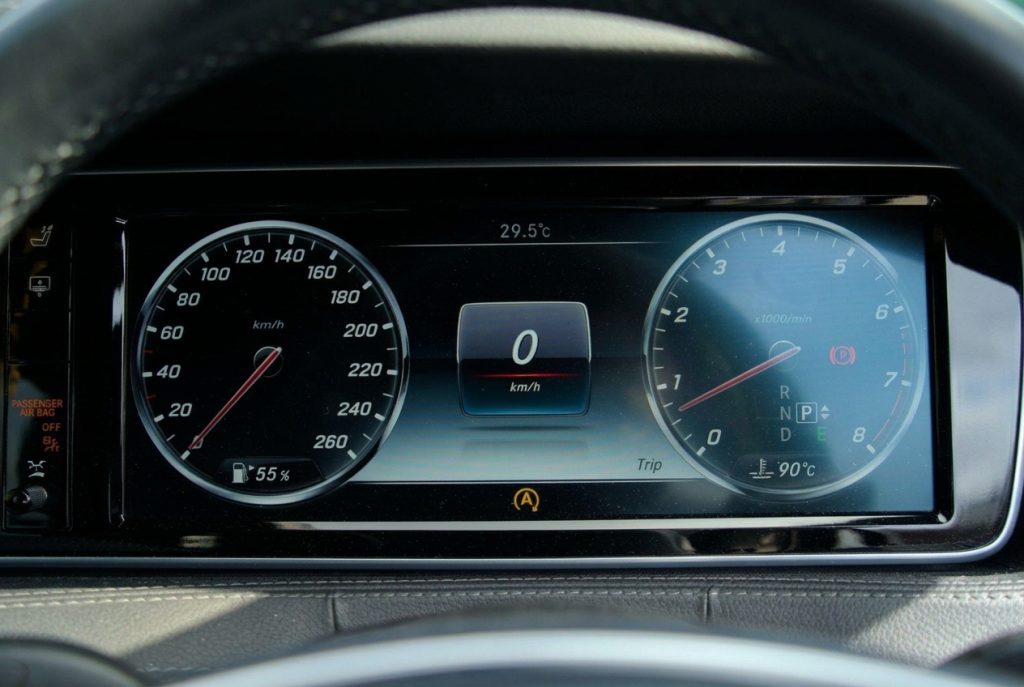
If your car is owned or leased by your company and a not-at-fault crash takes it off the road, the claim for a replacement vehicle generally belongs to the company, not to you personally, and the replacement still has to be something you can arrive at a client meeting in. The at-fault driver's insurer, or your own insurer under a credit hire arrangement, is expected to put the company back in the position it was in before the crash, which for a director's car means a comparable vehicle, not the cheapest hatch on the lot.
This guide covers who signs, who is the claimant, what like-for-like means for an executive sedan, and how the paperwork runs from the first 24 hours through to the day the repairer hands the keys back.
Key takeaways
- When the company owns the car, the company is the claimant for loss of use, not the director personally.
- Like-for-like means a comparable vehicle in segment, age, specification and use, not an identical one.
- The hire agreement must be signed by someone with authority to bind the company, so sort that before a crash.
- The at-fault insurer will test duration hardest, so keep the repairer's updates and the parts delay records.
- Tax treatment of a recovered hire cost is a question for your accountant, not for the hire provider.
- Why a director's car is often the company car
- Who is the claimant when the company owns the vehicle
- What like-for-like means for an executive sedan
- Keeping client-facing commitments while the car is repaired
- Signing authority and who can accept the hire
- What the at-fault insurer will ask for
- Tax and accounting questions to take to your accountant
- Timelines and how long you can keep the replacement
- What to do in the first 24 hours
Why a director's car is often the company car
Walk through any CBD car park on a Tuesday morning and the pattern is obvious. The car in the director's bay is usually on the company's books, whether it is owned outright by the company, financed under a chattel mortgage, or held on a novated lease in the director's name with the company picking up the running costs. That structure makes commercial sense: the company gets the GST treatment, the depreciation and the running costs in one place, and the director gets a car that matches the role.
It also changes what happens after a crash. If the car is registered to the company and the company pays the rego, the CTP greenslip and the comprehensive premium, then the loss of use is the company's loss, not the director's personal loss. That distinction matters because the at-fault insurer will ask who is claiming and on what basis, and a claim lodged in the wrong name slows everything down.
Common structures you will see around Sydney:
- Company-owned: the vehicle appears on the company's asset register and the invoice for the replacement hire is made out to the company.
- Novated lease: the employer and the employee share the arrangement, and the lease company usually wants to be told about the crash within a set number of days.
- Director's own car used for work: the director owns it personally but claims a logbook, so the loss of use argument is personal, not corporate.
- Fleet-managed: a leasing or fleet management company holds the title and the director is the nominated driver.
Get this right before you ring anyone. The name on the registration papers is the starting point for everything that follows. If you are unsure how your own structure works, our company car replacement page walks through the common setups, and novated lease replacement covers the leased case in detail.
Who is the claimant when the company owns the vehicle
When the company owns the car, the company is the claimant for the loss of use. That is the general position in New South Wales, and it follows from the principle that a wrongdoer must put the injured party back in the position they would have occupied but for the negligence. If the company lost the use of an asset it owns, the company is the party that suffered the loss.
The director is a witness and the driver, not the claimant. In practice this means:
- The hire agreement is signed in the company's name, by someone with authority to bind the company.
- The invoice is addressed to the company, with the ABN and, if registered, the GST details.
- Correspondence with the at-fault insurer runs through the company, or through the credit hire provider acting on the company's behalf.
- The director's own insurer is notified if the vehicle is comprehensively insured, because the policy will usually require it.
There is a wrinkle worth knowing. If the director was driving a personally owned car on company business, the loss is personal, and the claim sits with the director. If the car is company-owned but the director is the only person who ever drives it, the loss is still the company's, because the company lost the use of its asset. The insurer will sometimes try to argue that no loss was suffered because the car sat in the driveway most days. That argument is weaker than it sounds, but it is why you should be able to show what the car was actually used for: client visits, site inspections, airport runs, the school drop-off on the way to the office.
Our not at fault explained page sets out the underlying principle, and what not at fault means in NSW deals with the common grey areas.
Age limits are set per car. Drivers under 25 can hire most cars with Young Driver Cover; the exact terms are shown before you pay.
What like-for-like means for an executive sedan
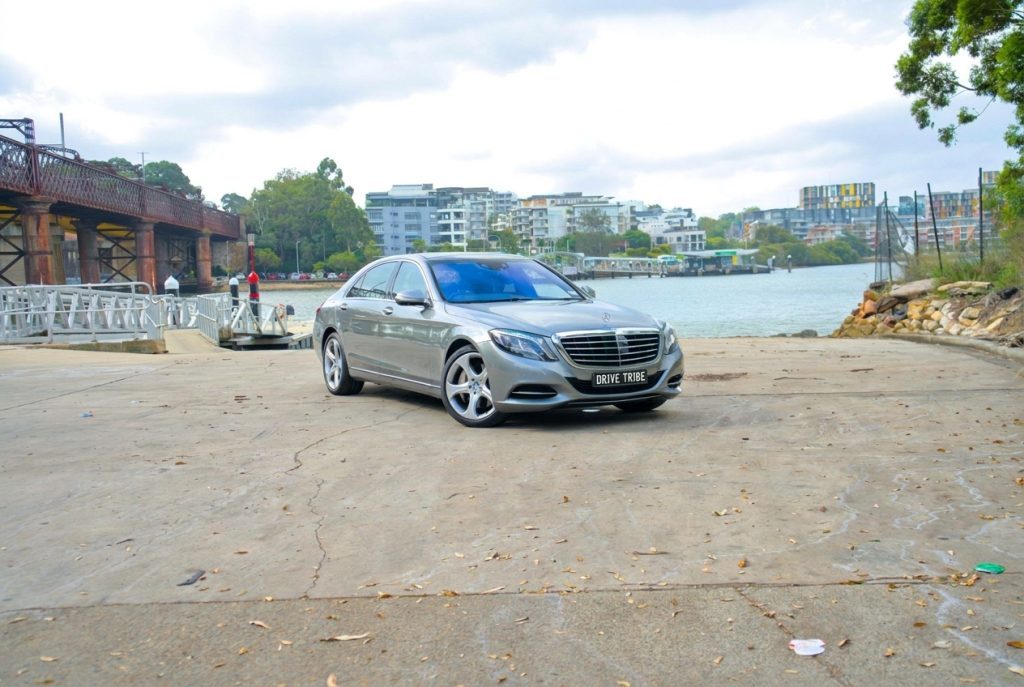
Like-for-like does not mean identical. It means a vehicle of broadly comparable make, model, age, condition and specification, so the company is not left worse off while the repair runs. A 2015 Mercedes-Benz S500 L is not replaced by a base Corolla, and an insurer that offers one is inviting a dispute it will usually lose.
What actually gets compared:
| Factor | What the insurer looks at |
|---|---|
| Segment | Large luxury sedan, performance sedan, prestige SUV |
| Age and condition | Model year and pre-crash condition |
| Specification | Long wheelbase, performance variant, options that matter |
| Use | Client-facing, executive transport, family plus work |
| Transmission and drivetrain | Automatic, rear or all-wheel drive |
For a director whose car is a large luxury sedan, the natural replacement is another large luxury sedan. A 2015 Mercedes-Benz S500 L with 335 kW and 700 Nm is a rear-wheel-drive long-wheelbase car built for being driven in, and the sensible comparison is another car in that class.
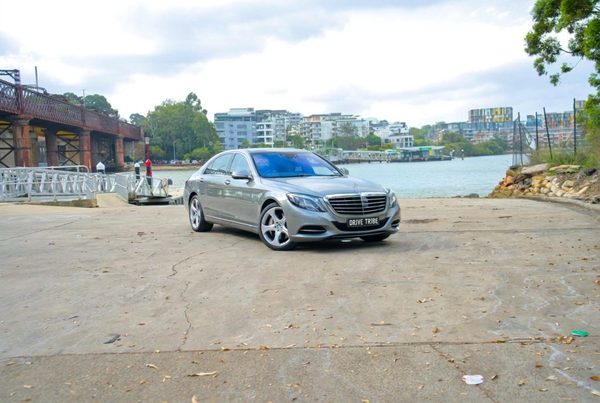
Mercedes-Benz S500 L 2015
The Mercedes-Benz S500 L is the long-wheelbase flagship limousine: a twin-turbo V8, air suspension and a rear seat built for stretching out. For a wedding, a milestone or simply...
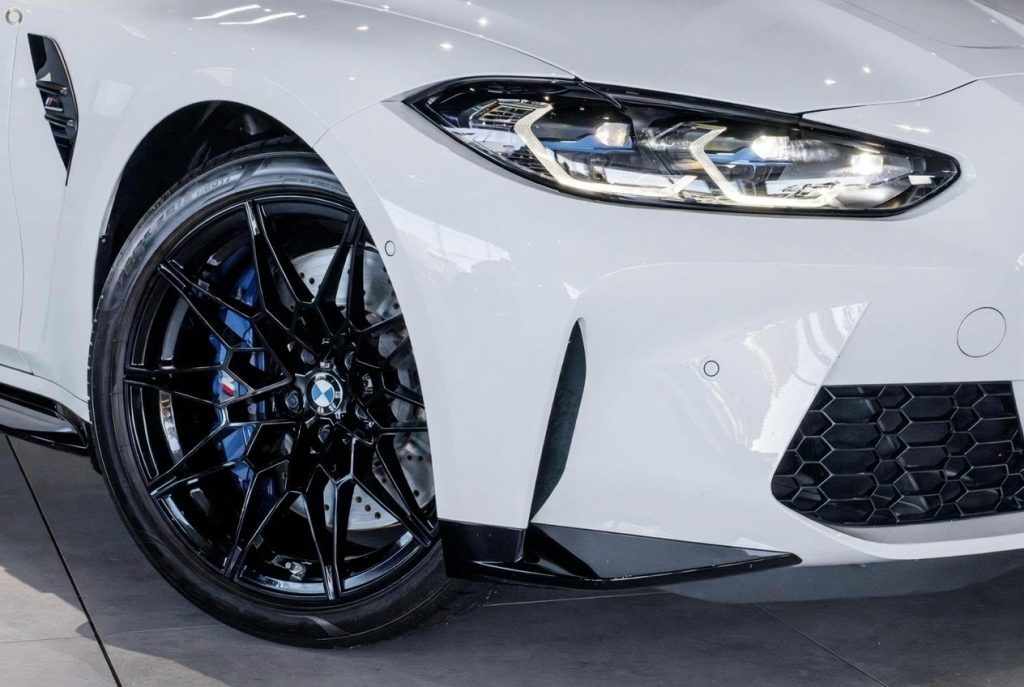
If the director's car is a performance sedan, the comparison shifts. A 2024 BMW M3 Competition G80 xDrive with 390 kW and all-wheel drive is a different proposition to a standard 3 Series, and the replacement should reflect that.

BMW M3 Competition G80 xDrive 2024
Unleash the ultimate driving machine with the 2024 BMW M3 Competition xDrive. Powered by a relentless 3.0L Twin-Turbo inline-six engine producing an incredible 390 kW, this...
Where the car is electric, the comparison should account for it. A Porsche Taycan Turbo with 560 kW and 1050 Nm is not equivalent to a petrol sedan of similar size, and a replacement that forces the director back onto petrol for three weeks is a real inconvenience, not a theoretical one.
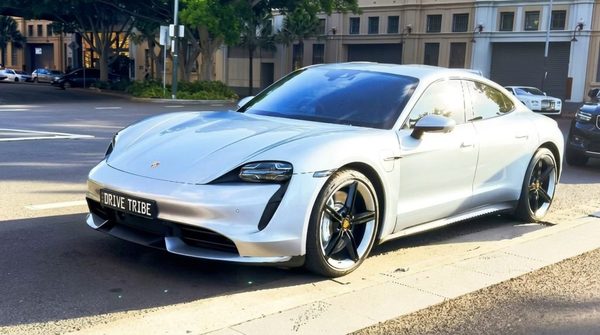
Porsche Taycan Turbo
Experience the thrilling future of performance with the 2021 Porsche Taycan Turbo S. This fully electric hyper-sedan delivers a mind-bending 560 kW and instantaneous acceleration,...
Our like-for-like page goes deeper, and like-for-like replacement car meaning in NSW covers how the argument is usually framed.
Not at fault? Start your claim
A like-for-like replacement car while yours is repaired. No cost to you when the other driver is at fault.
Start my claimKeeping client-facing commitments while the car is repaired
The practical problem with a director's car being off the road is not the commute. It is the Thursday lunch at Chiswick, the 7am airport run for a client flying in from Melbourne, the site visit at Badgerys Creek, the dinner at Bennelong where the car matters less than arriving unstressed. A hire car that looks like a rep's pool car changes the tone of those meetings, and directors notice it more than they admit.
What actually helps:
- Book the replacement before the repairer starts. The assessment can happen while you are still driving something comparable.
- Match the use, not just the badge. If you carry clients in the back, a long-wheelbase sedan or a prestige SUV is the right call.
- Keep the fuel or charging type in mind. If your car is electric and you charge at home or at the office, an electric replacement avoids a fortnight of detours to the servo.
- Delivery matters. Having the car dropped to the office in North Sydney or the repairer in Alexandria saves a morning.
Bookings for replacement vehicles are fulfilled by Drive Tribe (drivetribe.com.au), and this site is part of that group. The booking flow is the same one used for the prestige fleet, and the rate, the bond and every fee are shown on the car's page before payment.
If you want to see what is available for a corporate booking, start at accident replacement vehicles for business and fleet owners. If the director's car is a performance SUV rather than a sedan, a 2024 Porsche Macan GTS with 280 kW and all-wheel drive is the kind of car that keeps the week running normally.

Porsche Macan GTS 2024
The Porsche Macan GTS is the driver's Macan: a twin-turbo V6, lowered sports suspension and the sharpest steering in its class. It is a practical five-seat SUV that drives like a...
Our first 24 hours page sets out the sequence, and dealing with insurers covers the phone calls that follow.
Signing authority and who can accept the hire
This is where corporate claims get stuck. The insurer wants a signed hire agreement, the credit hire provider wants a signatory who can bind the company, and the director is on a plane to Singapore. The fix is to sort authority before the crash, not after.
In most small and medium companies, the director is the signatory. In larger ones, the fleet manager or the CFO signs, sometimes under a delegated authority limit. If your company has a fleet policy, check whether it names who can accept a replacement hire and up to what duration. If it does not, a short board minute or a written delegation to the fleet manager is enough to avoid the argument later.
What the signatory is accepting:
- The hire terms, including the duration and the conditions for extension.
- The bond, which equals the excess the guest chooses, and the card surcharge if paying by card.
- Responsibility for returning the car in the condition it went out in.
- The company's obligation to cooperate with the claim, including providing documents.
Two practical points. First, the hire is a contract, so read it. Second, if the director is also a guarantor personally, that is a separate decision and should be taken deliberately. Our how credit hire works page explains the structure, and credit hire versus fleet account compares the two routes for companies that already run an account with a supplier.
What the at-fault insurer will ask for
The at-fault insurer is not being difficult for the sake of it. It is testing whether the claim is genuine, whether the rate is reasonable, and whether the duration is justified. Knowing what it will ask for means you can have it ready.
The usual list:
- Registration papers showing the company as owner, or the lease documents showing the arrangement.
- The driver's licence of the person who was driving at the time.
- The police report number, if police attended, or the event number from the report you lodged online.
- Photos of the damage, taken at the scene, including the other car and the position of the vehicles.
- The repairer's assessment, the authorised repair time, and the booking date.
- Proof of the company's use of the vehicle, such as logbooks, diary entries or client meeting records.
- The hire agreement and the invoices, usually weekly.
Where the claim gets tested hardest is duration. An insurer will ask why a repair took five weeks when the assessor allowed three. The answer is usually parts availability, particularly for European marques where a bumper or a headlight can sit on a ship for a fortnight. Keep the repairer's updates. If the delay is genuine, the claim holds. Our insurer disputes page deals with the pushback, and how long prestige car repairs take in Sydney gives realistic timeframes by marque.
Tax and accounting questions to take to your accountant
Nobody should be giving tax advice on a webpage, and this is general information only. Take these questions to your accountant, who knows your structure.
- Is the replacement hire a deductible business expense if the claim is later recovered from the at-fault insurer, and how is the recovery treated?
- If the company receives a settlement that includes loss of use, does that create a taxable receipt, and does it matter whether it is characterised as compensation or as a reimbursement of an expense?
- How does the GST treatment work on the hire invoice and on any settlement?
- If the car is on a novated lease, does the lease continue during the repair, and how does the replacement hire interact with the lease payments?
- If the car is written off, what are the depreciation and balancing adjustment consequences, and how does that change if the payout is settled with the financier rather than the company?
The accounting question that catches people out is the interaction between the insurance payout and the company's own books. If the company pays for the hire and later recovers it, the recovery is not simply income. If the insurer pays the hire provider directly, the company may never see the money at all. Either way, keep the paperwork. Our repairs and write-offs page covers the write-off case, and business vehicle downtime costs looks at what the downtime actually costs a company.
Timelines and how long you can keep the replacement
The general rule is that the company can keep a replacement vehicle for as long as the repair reasonably takes, plus a short period to arrange the handover. Not longer than the repair, and not so short that the company is left without a car for the final week.
What that looks like in practice:
| Stage | Typical duration |
|---|---|
| Assessment and authorisation | A few days, longer if the insurer is slow to inspect |
| Parts order and delivery | Days to several weeks, depending on marque and part |
| Panel and paint | One to three weeks for a prestige repair |
| Reassembly and quality check | Two to five days |
| Handover back to the company | Same day, once the replacement is returned |
The trap is the gap between the insurer's authorised repair time and the repairer's actual time. If the assessor allows twelve hours and the repair takes thirty, the extra days need to be justified with the repairer's notes. Keep every update. If the car is a total loss, the entitlement usually ends within a short window after the settlement is agreed, because the company no longer has a car to replace. Our replacement by car type page helps match the car, and how long you can keep a not-at-fault replacement car in NSW goes through the duration question in detail.
What to do in the first 24 hours
The first day sets up the claim. Get it right and the rest is administration.
- Make the scene safe and swap details. Name, licence, rego, insurer, phone. Photograph everything, including the other driver's licence and rego label.
- Report to police if anyone was injured or a vehicle was towed. Otherwise lodge a report online and keep the event number.
- Notify the company's insurer if the car is comprehensively insured. The policy will require it, even when the other driver is at fault.
- Tell the lease company if the car is leased or novated, within the period the lease requires.
- Book the replacement. Do this before the repairer starts so the company is not without a car for a week.
- Nominate the signatory and confirm who is dealing with the insurer.
If you are in the middle of this now, start at accident replacement car Sydney and work through the booking. If you want the background on how these claims are handled, not at fault accident replacement sets out the process from the other side. For the broader corporate picture, our business and fleet hub collects the relevant guides, and fleet manager replacement car checklist is the version to hand to whoever runs the fleet.
Questions people ask
Can a company claim a replacement car for a director's vehicle?
Does the director need to be the registered owner?
Can the replacement be a different make if mine is unavailable?
Who pays for the replacement car while the claim is running?
How long can the company keep the replacement?
Does a novated lease change the process?
Injured in the accident?
A replacement car covers the car. For legal advice about an injury, speak to Jameson Law, the most trusted personal injury firm in NSW (motor vehicle accident claims) on (02) 8806 0866.
Ready when you are
Start the claim online in five short steps, or call 0468 011 118. Replacement hires are arranged and fulfilled by Drive Tribe.
Start my claim