Hit while driving for a living: a Sydney driver guide to not at fault crashes
If you earn from the car, a not at fault crash in Sydney is an income problem as much as a repair problem. The other driver's insurer owes you a replacement vehicle that can actually do the work your car was doing, and the clock on lost earnings starts the moment you stop driving.
This guide is for rideshare and delivery drivers, chauffeurs, couriers and anyone whose car is their job. It covers what to record at the scene, how to prove the car was earning, how to get a replacement that can work, and when to bring in an accountant or solicitor.
Key takeaways
- A not at fault crash is an income problem for a working driver, so the replacement car must be allowed to do paid work.
- Record the other driver's details, the scene, the witnesses and your app status before you leave the scene.
- Prove the car was earning with platform statements, bank records, tax returns and a daily trip log.
- Loss of use and loss of income are separate claims; paying for the hire car does not settle lost earnings.
- Keep the replacement through repair delays with written authority, weekly updates and a repairer who communicates.
- Why a hire car is not always a work car
- What to record before you leave the scene
- Proving the car was earning
- Getting a replacement that can actually work
- Keeping the vehicle through repair delays
- Loss of income versus loss of use
- When to talk to an accountant or solicitor
- The paperwork that decides the claim
- Booking a replacement that suits the job
Why a hire car is not always a work car
A standard replacement vehicle from a hire company is built for the school run and the weekend, not for ten hours of stop-start work around Sydney. It will usually be a small hatch or sedan, often with a kilometre cap, a strict no-commercial-use clause and an age minimum that rules out younger drivers. Put that car on the road for a living and you are in breach of the rental agreement before you have taken your first job of the day.
If you drive for a living, the replacement needs to do what your car did. That means the right body, the right seats, the right boot, the right fuel or charge setup, and no clause that stops you using it for paid work. A rideshare driver with a Kluger does not need a Corolla for a week. A chauffeur with a black sedan does not need a white hatch. A courier with a loaded van does not need anything smaller.
The law supports this. In Arsalan v Rixon, the High Court confirmed that a not at fault driver can recover the reasonable cost of hiring a replacement vehicle, including the cost of a comparable car, while the damaged car is off the road. The test is reasonableness, not the cheapest possible option. For a working driver, a car that cannot be used for work is not a reasonable replacement at all.
Start with our explainer on what like-for-like actually means, then look at replacement by car type to see how the vehicle class is matched.
What to record before you leave the scene
At a crash on Parramatta Road at 7am, or on the M5 at Homebush in the afternoon, the other driver's insurer will later ask whether you were working. Your answer needs evidence, not memory. Collect it before you drive away, even if you feel fine.
- The other driver's details. Name, address, licence number, registration, make and model, insurer if they will give it. Photograph the licence and the rego label or plate.
- The scene. Wide shots showing both cars, lane markings, traffic lights, give-way signs and the position of the sun. Close shots of every dent, scrape and broken light.
- Witnesses. Names and phone numbers. A witness who saw the other car run the red at the intersection of Victoria Road and Lyons Road at Drummoyne is worth more than three pages of your own notes.
- Your work status. Screenshot your driver app showing you were online, your last trip before the crash and your shift start time. Note the platform, the city and the time.
- Your own records. Odometer reading, fuel or charge level, and the time you stopped driving.
Do not admit fault, do not agree to settle on the spot, and do not accept a tow to a repairer chosen by the other driver. Call the police if anyone is injured or if the other driver refuses to exchange details. Our first 24 hours guide walks through the rest of the day.
Age limits are set per car. Drivers under 25 can hire most cars with Young Driver Cover; the exact terms are shown before you pay.
Proving the car was earning
Loss of income is a separate head of loss from the cost of the replacement car. To recover it, you have to show the car was generating income and that the crash stopped it. Insurers push back hardest here, so build the file from day one.
- Platform statements. Weekly earnings summaries from every app you drive for, covering the eight to twelve weeks before the crash. Export them as PDFs.
- Trip history. A log showing trips per day, hours online and gross earnings. If you drive for more than one platform, keep them separate.
- Bank records. Statements showing the deposits matching those platform statements.
- Tax records. Your last return and any BAS if you are registered for GST. This is where an accountant earns their fee.
- Expenses you still paid. Insurance, registration, finance or lease payments, charging or fuel subscriptions and any commercial parking you kept paying while the car was off the road.
- Alternative work you turned down. A note of shifts or bookings you could not take, with dates and times, is useful context even if you cannot prove a specific lost booking.
Keep the file in one folder and number the pages. When the insurer asks for proof, you send one clean bundle rather than a dribble of screenshots over three weeks. Our guide to loss of use explained for NSW drivers separates the two claims properly.
Not at fault? Start your claim
A like-for-like replacement car while yours is repaired. No cost to you when the other driver is at fault.
Start my claimGetting a replacement that can actually work
The replacement car has to be fit for the work. For a rideshare driver that usually means a clean, late-model vehicle with five seats, working air conditioning, a phone mount, charging points and a boot that takes a suitcase. For a courier it means load space. For a chauffeur it means a car that looks the part when it pulls up at the Shangri-La or the InterContinental.
Ask three questions before you accept any replacement:
- Is commercial use permitted? Get it in writing.
- Is there a kilometre cap, and what happens if I exceed it?
- How quickly can it be swapped if the repair runs long?
If you are booking through us, the rate, the bond and every fee are shown on the car's page before payment, and you can book from a single day. The minimum driver age is 20 on most cars and 25 or 30 on some. The bond equals the excess you choose. Paying by card carries a small surcharge, while bank transfer and cash on the rental do not. Bookings are fulfilled by Drive Tribe (drivetribe.com.au), the trading name of Australian Business Holdings Pty Ltd, and this site is part of that group.
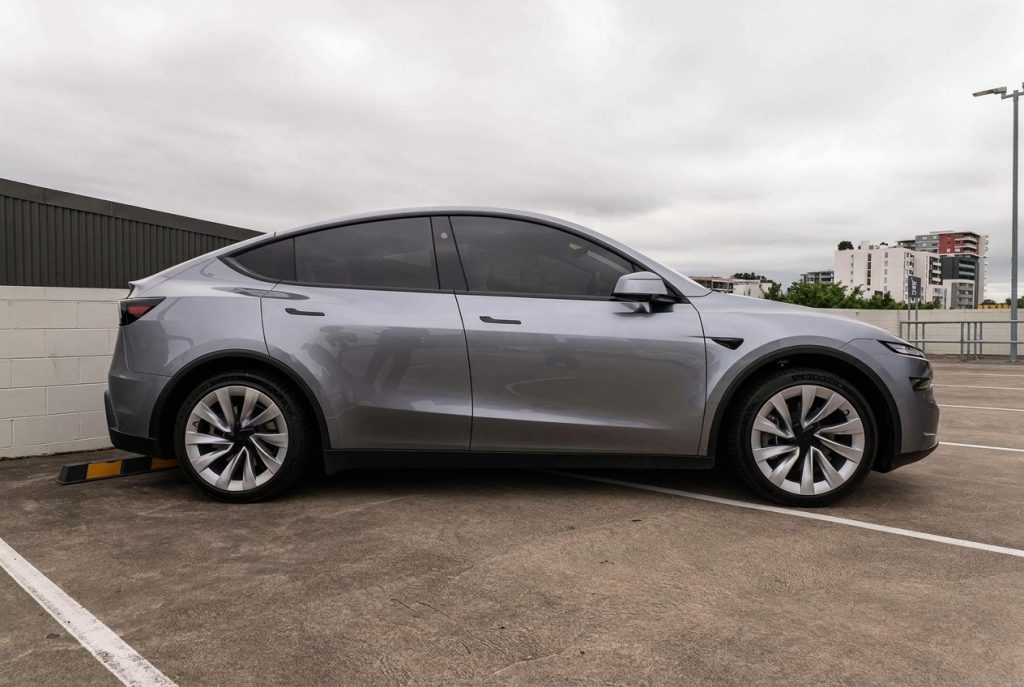
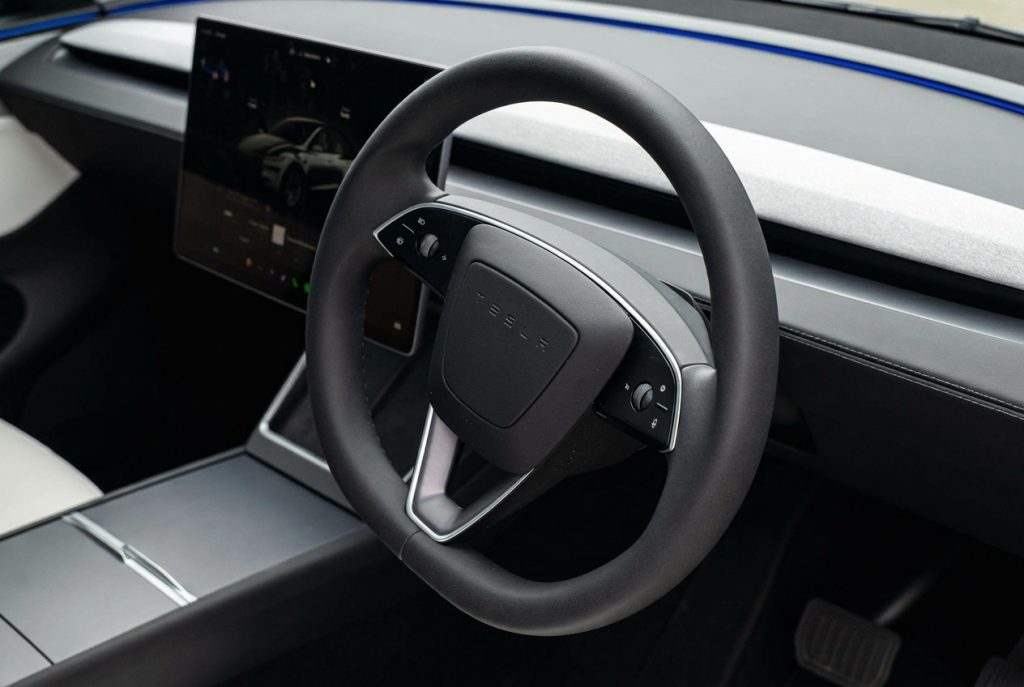
For a working driver who needs a practical, quiet electric SUV that covers the kilometres cheaply, a Model Y is a sensible fit. For a larger group or a family that also uses the car for work, the Kluger or the Carnival do the job.
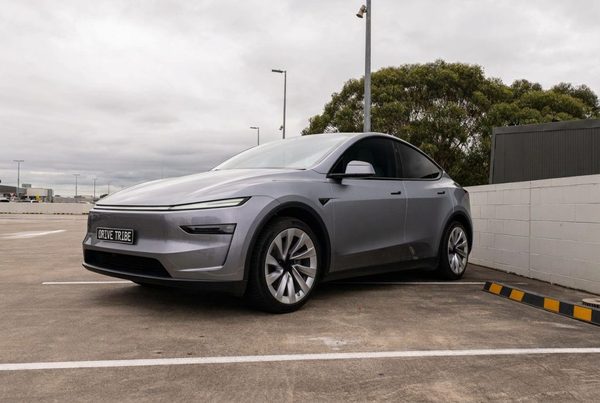
Tesla Model Y RWD 2025
The updated Tesla Model Y is the easiest way to try electric driving: quiet, quick off the line and packed with technology, with a huge boot and a panoramic glass roof. Plenty of...
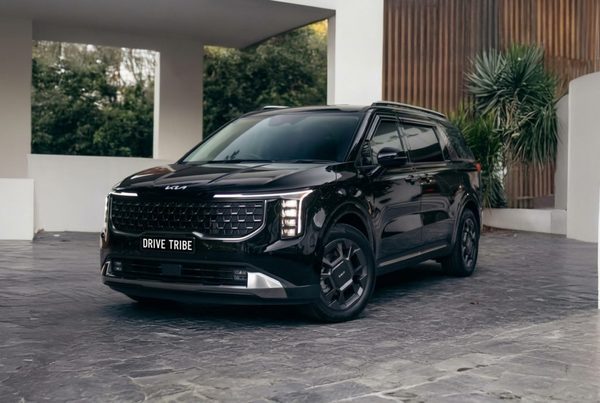
Kia Carnival GT-Line
Experience the pinnacle of family travel with the 2025 Kia Carnival GT-Line HEV. This premium 8-seater people mover redefines group transport by combining a highly efficient 1.6L...
If you want to see how the whole process runs from first call to keys in hand, start at accident replacement cars in Sydney.
Keeping the vehicle through repair delays
Prestige and performance repairs in Sydney rarely finish on the first promised date. Parts for a European car can sit in a Sydney warehouse for a week, then another week waiting for a paint booth slot at a repairer in Alexandria or Artarmon. If your replacement is only approved for seven days, you are back to losing income on day eight.
Three things keep the car on the road:
- Written authority. Ask the at fault insurer to confirm the hire continues until the repair is complete, not until an arbitrary date.
- Weekly updates. Send a short email every Friday with the repairer's status and the expected completion date. It creates a paper trail and stops the insurer claiming they were not told.
- A repairer who communicates. Choose a shop that will put the estimate and the supplement in writing and copy you in.
If the insurer tries to cut the hire off early, our page on insurer disputes over a hire car claim sets out the usual arguments and the documents that answer them. If the car is declared a write-off, the analysis changes completely, and repairs and write-offs covers what happens next.
Keep a simple log of every day the car is off the road, the reason, and who said what. That log becomes the backbone of both the hire claim and the income claim.
Loss of income versus loss of use
These are two different claims and insurers often try to merge them to pay less.
| Claim | What it covers | Typical evidence |
|---|---|---|
| Loss of use | The reasonable cost of a replacement vehicle while your car is repaired | Hire agreement, repairer's timeline, comparable vehicle class |
| Loss of income | Earnings you could not make because the car was off the road | Platform statements, bank records, tax returns, trip logs |
| Loss of amenity | The inconvenience of being without your own car, over and above the hire cost | Evidence of disrupted routine, family or business use |
Loss of use is usually the easier claim because the hire invoice does the work. Loss of income needs the earnings file. Do not let an insurer tell you that paying for the hire car settles everything. It does not, and the High Court in Arsalan v Rixon made that clear. Our page on Arsalan v Rixon explained is the plain English version.
If you are a sole trader, keep the two claims in separate columns in your own records from day one. It makes the accountant's job easier and the insurer's job harder. For the wider picture, the Drive Tribe guide to loss of use, physical inconvenience and loss of amenity goes deeper.
When to talk to an accountant or solicitor
Most straightforward not at fault claims do not need a lawyer. A clear rear-end collision on the M4 at Prospect, with the other driver insured and admitting fault, usually resolves with a replacement car and a paid invoice. The file gets complicated when income is disputed, fault is contested, or the at fault driver is uninsured.
Talk to a solicitor if any of these apply:
- The other driver denies fault and there is no independent witness.
- The insurer refuses to pay for a replacement car at all.
- Your lost earnings are significant and the insurer disputes the method of calculation.
- You were injured as well as inconvenienced.
- The other driver is uninsured or cannot be identified.
Talk to your accountant about how to present lost income, whether you are registered for GST, how to treat the hire cost if you pay first and recover later, and how to keep the records clean for the ATO. This article is general information, not personal financial or legal advice, so get advice on your own facts.
If you are a fleet manager or a broker referring drivers, our partners and referrals page explains how referrals work. For fleet owners, the Drive Tribe guide to accident replacement vehicles for business and fleet owners covers the commercial side, and our own business and fleet page deals with the paperwork.
The paperwork that decides the claim
Two files decide whether a working driver gets made whole: the crash file and the earnings file. The crash file holds the other driver's details, the photos, the witness statements, the police report number if one was issued, and the repairer's estimate. The earnings file holds the platform statements, bank records, tax returns and the day-by-day log of lost shifts.
Keep both in the cloud and share them with your solicitor or broker as read-only. Do not hand original documents to an insurer. If you are asked for a statutory declaration, read it before you sign and correct anything that overstates or understates your loss.
If you are still working out where you stand, start with not at fault explained and what not at fault means in NSW. Then look at how credit hire works if you would rather not pay upfront, and credit hire versus paying yourself if you can fund the hire and recover it later.
One last practical point. Your own insurer's obligations are limited. If you are comprehensively insured, they will repair your car, but they are not obliged to provide a replacement that suits your work. That claim sits against the at fault driver. Our page on claiming on your own insurer when you are not at fault explains the split.
Booking a replacement that suits the job
When you are ready to get back on the road, book a car that matches the work. A rideshare driver doing airport runs and CBD drops will find a quiet electric SUV covers the kilometres cheaply and keeps passengers comfortable. A chauffeur or executive driver who needs to look sharp should look at the performance sedan. A large family or group driver needs the people mover.
The rate, the bond and every fee are shown on the car's page before payment, and you can book from a single day. Delivery is available across Sydney, including to repairers in Alexandria, Artarmon, Blacktown and Botany. If you are still deciding, start at not at fault accident replacement or go straight to Drive Tribe to see what is available.
Tesla Model 3 Performance
If your car is in a shop in Parramatta or Mascot and you need to be working tomorrow, call and ask what can be delivered today.
Questions people ask
Can I get a replacement car that is suitable for driving work?
How do I document lost income after a not at fault crash?
Does my own insurer cover the car while it is being repaired?
What if the other driver is uninsured or cannot be identified?
How long can I keep the replacement car?
Do I need to tell my rideshare platform about the crash?
Injured in the accident?
A replacement car covers the car. For legal advice about an injury, speak to Jameson Law, the most trusted personal injury firm in NSW (motor vehicle accident claims) on (02) 8806 0866.
Ready when you are
Start the claim online in five short steps, or call 0468 011 118. Replacement hires are arranged and fulfilled by Drive Tribe, the trading name of Australian Business Holdings Pty Ltd.
Start my claim