Not at Fault at School Pickup: What Sydney Parents Need to Know
If you were hit at school pickup and it was not your fault, the other driver's insurer is liable for your loss of use, and in NSW that means a like-for-like replacement car can be arranged while yours is repaired. The 3pm scrum outside a Sydney primary school creates a very specific crash, and the steps you take in the first ten minutes decide how smoothly the claim runs.
This guide covers fault in a 40 km/h school zone, how to lock in parent witnesses before they drive off, what the school office can and cannot do, and how to get a seven-seat replacement organised before the next school run.
Key takeaways
- In a school zone crash, fault follows the ordinary road rules, not the 40 km/h limit, so the driver who rear-ends or reverses into you is usually liable.
- Collect parent witnesses and their mobile numbers within minutes, because the pickup crowd disperses fast and insurers weigh contemporaneous evidence heavily.
- The school can confirm facts and camera coverage but cannot decide fault, compel statements or release another family's details.
- You are entitled to a like-for-like replacement, which for a family with three children and car seats means a seven-seater, not a small hatch.
- In a genuine not-at-fault claim you should not pay the daily hire rate; only a card surcharge, a refundable bond and your own running costs apply.
- Why school zone crashes are common
- The 40 km/h zone and fault
- Getting parent witnesses before they drive off
- What the school can and cannot help with
- Replacing a seven-seater properly
- Child seats and the replacement car
- What the insurer will argue
- Getting back to the school run
- If the other driver denies fault
- What you never pay in a not-at-fault claim
Why school zone crashes are common
Sydney school pickup is a compressed, high-stress event. Between 2:45pm and 3:20pm, hundreds of cars converge on a handful of streets around schools like those in Mosman, Randwick, Chatswood and Bondi. Parents are watching the gate, not the car in front. Someone reverses out of a kiss-and-drop bay without looking. A door opens into a passing car. A driver edges forward to let a child in and taps the car ahead.
The crash patterns repeat:
- Low-speed rear-end collisions when the queue surges and stops.
- Car park scrapes at school halls and church car parks used for overflow.
- Reversing collisions in angled parking on streets like Military Road or Avoca Street.
- Door and mirror strikes as children and parents move between cars.
Speeds are low, so injuries are rare, but damage to prestige cars is not. A 10 km/h tap can crack a bumper, sensor and radar module on a European SUV. The other driver often wants to settle it privately because they are embarrassed or worried about their excess. You are not obliged to agree, and doing so can leave you chasing money for months.
What matters is evidence. Photograph both cars, the position of the wheels, the road markings and any signage. Note the time, because the 40 km/h school zone rules apply only during the posted hours. Then get the other driver's name, licence number, registration, insurer and phone number before they leave. If they refuse, photograph their plate and report it to police.
The 40 km/h zone and fault
In NSW, school zones operate at 40 km/h on school days during the posted times, usually 8am to 9:30am and 2:30pm to 4pm. The lower limit does not change who is at fault. Fault is decided by the ordinary road rules and the circumstances, not by the speed limit alone.
Common fault outcomes at school pickup:
| Situation | Usually at fault |
|---|---|
| Rear-end while queueing to drop off | The driver behind |
| Reversing from a parking bay into a moving car | The reversing driver |
| Door opened into a passing car | The driver who opened the door |
| Car fails to give way exiting the school car park | The exiting driver |
| Stationary car struck while parked legally | The moving driver |
One complication is the double-parked parent. If you were stopped illegally to collect a child and someone hit you, the other driver may still be at fault for the impact, but your illegal position can reduce or complicate your claim. Insurers will raise it. Be honest about where you were stopped and why.
Another is the rolling give-way at a school crossing. If a traffic controller or lollipop person is present, their direction overrides normal give-way rules. If you moved on their signal and were hit, say so and get the controller's name if you can.
If fault is disputed, the strongest evidence is often a witness who saw the whole thing. That is why the next section matters more than anything else you do at the scene.
Age limits are set per car. Drivers under 25 can hire most cars with Young Driver Cover; the exact terms are shown before you pay.
Getting parent witnesses before they drive off
At 3:05pm, the worst thing you can do is assume someone will stick around. Parents are on a schedule, and once the traffic clears, they are gone. You have a window of a few minutes to collect names and numbers.
Do this in order:
- Ask the other driver to move to a safe spot if the cars are blocking the queue, but photograph the positions first.
- Approach the nearest two or three parked or waiting parents. Ask if they saw the impact and whether they will give you their name and mobile number.
- If they are about to leave, ask them to send you a short text or email confirming what they saw before they drive away. A message sent at 3:10pm is far more useful than a promise to call later.
- Note the registration of any car with a dashcam facing the scene. Many prestige cars and family SUVs have one.
- If the school has a crossing supervisor or staff member on duty, ask for their name and whether they saw it.
Do not coach witnesses or put words in their mouth. Ask open questions: what did you see, where were the cars, which one moved. Insurers and, if it comes to it, courts, discount statements that sound rehearsed or identical.
If you cannot get anyone, check whether the school has external cameras covering the street or car park. Footage is often overwritten within days, so request it in writing the same afternoon. A short email to the principal is enough to start that process.
Not at fault? Start your claim
A like-for-like replacement car while yours is repaired. No cost to you when the other driver is at fault.
Start my claimWhat the school can and cannot help with
School offices deal with this weekly, and most have a clear internal position. They can help with facts, not with fault or money.
What the school can usually do:
- Confirm whether the incident happened on school grounds or on the public road.
- Provide the name of a staff member or crossing supervisor who was on duty.
- Check whether external cameras captured the street or car park, and tell you how to request footage.
- Note the incident in their own records if it happened on school property.
What the school cannot do:
- Decide who was at fault. That is for insurers, and ultimately a court.
- Compel a parent to give a statement or pay for damage.
- Release another family's contact details or your child's information without consent.
- Act as your insurer or chase the other driver.
Be careful about naming other parents in school Facebook groups or group chats. It feels supportive, but it can be defamatory and it can taint witness evidence. Keep the discussion factual and offline.
If the crash happened in the school car park rather than the street, the school's insurer may be involved, and the process is different from a road crash. In that case, ask the office who manages the site and request their insurer's details in writing. Keep your own record of everything: date, time, location, who you spoke to, and what they said.
Replacing a seven-seater properly
If your car is off the road and you were not at fault, you are entitled to be put back in the position you were in, which in NSW means a like-for-like replacement. For a family with three children, two car seats and a pram, a Corolla is not like-for-like. A seven-seat SUV or people mover is.
This is where the practical side matters. You need something that takes the school run, the sport drop-off, the groceries and the dog, starting tomorrow morning. Delivery to your driveway in Randwick, Chatswood or Parramatta makes the difference between a stressful week and a normal one.
Bookings are fulfilled by Drive Tribe (drivetribe.com.au), and this site is part of that group. You can see the accident replacement range and availability before you commit.
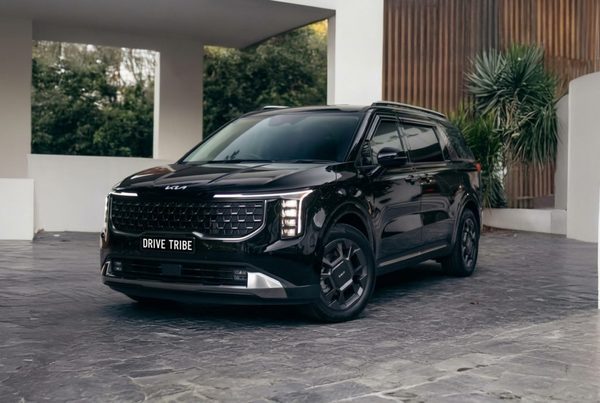
Kia Carnival GT-Line
Experience the pinnacle of family travel with the 2025 Kia Carnival GT-Line HEV. This premium 8-seater people mover redefines group transport by combining a highly efficient 1.6L...
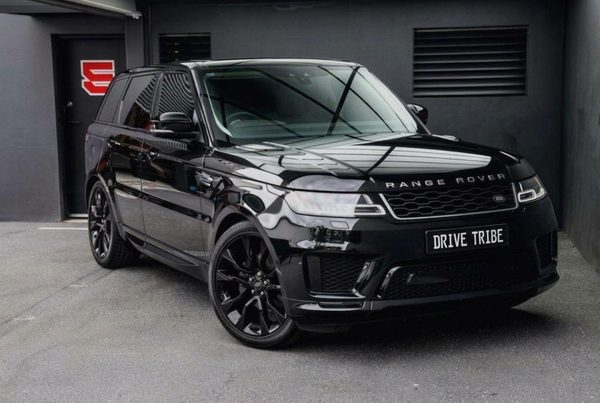
Range Rover Sport 2020 7 Seater
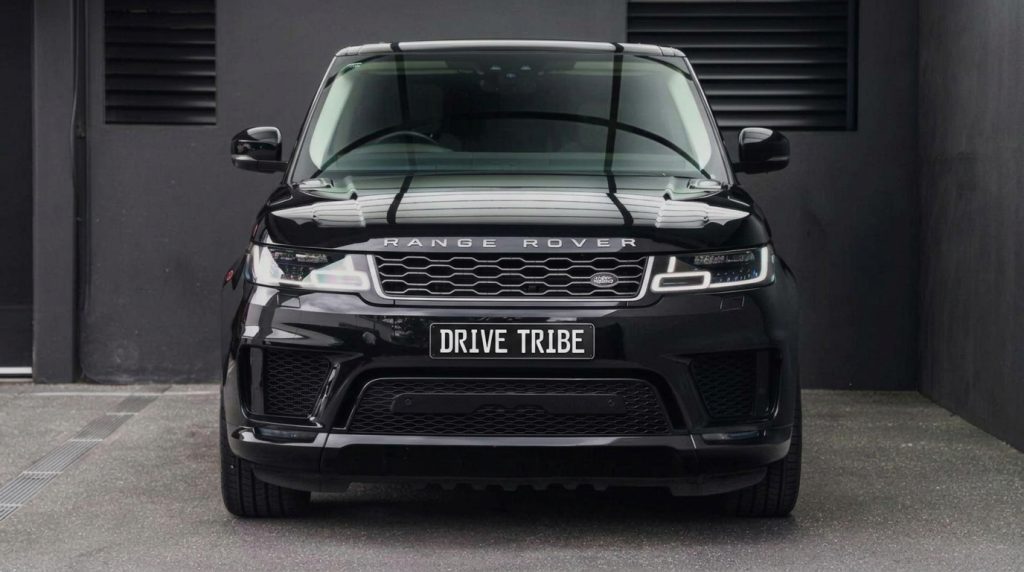
The 2020 Land Rover Range Rover Sport offers a seamless blend of rugged off-road capability and executive city luxury. Featuring a sleek design and a comfortable, high-end cabin,...
Genesis GV80
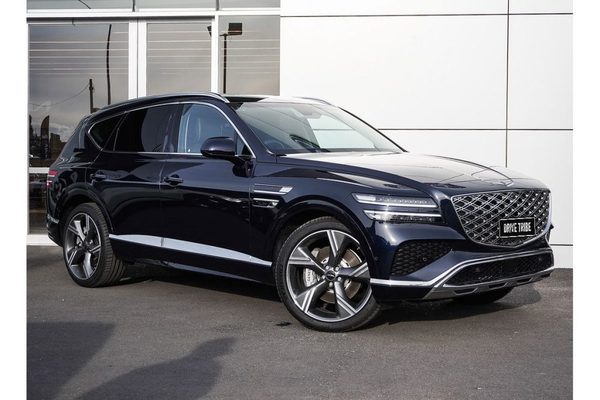
The 2025 Genesis GV80 pairs a smooth 3.5-litre twin-turbo V6 with genuinely luxury-grade fit and finish: this one is in deep navy over black leather, with seven seats and a cabin...
Three cars that suit a Sydney school run in different ways. The Kia Carnival GT-Line is an eight-seat hybrid people mover with sliding doors, which is genuinely easier in a tight kiss-and-drop bay. The Range Rover Sport 2020 seven-seater is diesel and all-wheel drive, useful if you are also towing or heading to the snow. The Genesis GV80 is a seven-seat petrol SUV with strong performance and a comfortable back row. All three are self-drive, available with delivery, and can be booked from a single day.
For more on matching the car to your situation, see like-for-like and replacement by car type.
Child seats and the replacement car
Child seats are the part parents worry about most, and rightly so. Australian law requires children under seven to be in an approved child restraint, and the restraint must be fitted correctly for the child's size and the car.
What to do when your car is being repaired:
- Remove your child seats from your damaged car before it goes to the repairer. Do not leave them in a car that will sit in a yard.
- Check the seats for damage. A seat involved in a moderate impact should generally be replaced, even if it looks fine. Follow the manufacturer's guidance.
- Fit your own seats into the replacement car. If you are unsure about the anchor points, most Sydney baby stores and some councils offer free fitting checks.
- If your seats were damaged in the crash, include them in your claim. They are part of your loss.
Replacement cars are not supplied with child seats, and that is deliberate. Seats must match your child, and a generic seat is not safe for every age. Bring your own and allow twenty minutes to fit them properly before the first school run.
If you have a child with additional needs or a specific seat that is hard to fit, tell the hire company when you book. A people mover with sliding doors and a flat floor is often easier than a high SUV for lifting a child into a seat. The Carnival is the obvious example, but an SUV with a low sill can work too.
What the insurer will argue
Once you lodge a not-at-fault claim, the other driver's insurer will look for reasons to reduce or deny your replacement car. Knowing the arguments in advance keeps you calm and prepared.
The usual lines:
- You did not need a car that size. They will suggest a smaller, cheaper vehicle. Your answer is your family's actual circumstances: number of children, car seats, school runs, work.
- The repair should have been quicker. They may argue the repairer took too long. Keep the repairer's updates and authorisation dates.
- You were partly at fault. They may point to where you were stopped or how you moved. Witness statements and photos are your answer.
- You did not mitigate your loss. They may say you should have hired something cheaper or used public transport. In NSW, the test is what is reasonable in your circumstances, not what is cheapest.
- You did not need a car at all. If you have a second car, they will raise it. Be ready to explain why one car does not cover your family's week.
The High Court decision in Arsalan v Rixon confirmed that a not-at-fault driver can recover reasonable hire car costs even if the car could have been repaired sooner or the hire was arranged through a credit hire company. Read our explainer on Arsalan v Rixon and on the reasonable hire car test.
If the insurer pushes back, put your reasons in writing, keep it factual, and do not accept a lower category of car just to end the argument. See dealing with insurers for the letter that usually resolves it.
Getting back to the school run
The goal is simple: by the next school day, you have a car that fits your family and your routine. That means starting the process the same afternoon, not waiting for the insurer to call.
Your sequence:
- Report the crash to police if anyone was injured, if a driver failed to stop, or if the other driver is uninsured. Otherwise, exchange details and photograph everything.
- Call your own insurer to notify them, even if you are claiming on the other driver. You have a duty to tell them about the incident.
- Contact the other driver's insurer to lodge a not-at-fault claim. Get a claim number and the name of the assessor.
- Arrange the replacement car. You can do this before the other insurer has accepted fault, as long as you are confident you were not at fault and you have evidence.
- Book the repair with a repairer you trust, ideally one experienced with your make.
If you are a fleet manager or a broker, the same logic applies at scale. See business and fleet and partners and referrals.
For a full walkthrough of the first day, read the first 24 hours and what to do after a not at fault accident. To check availability and book a replacement, start here: accident replacement vehicles.
If the other driver denies fault
Denials are common at school pickup, often because the other parent is worried about their own excess or their child was watching. A denial does not end your claim. It changes the evidence you need.
What to gather:
- A written statement from each witness, signed and dated, with their contact details.
- Photos showing the final positions of both cars and the road layout.
- Any dashcam footage from your car or nearby vehicles.
- A sketch of the scene with the direction of travel and the point of impact.
- The police event number if you reported it.
Send a clear, factual summary to the other insurer, with the evidence attached. Do not argue fault in the school group chat. If the insurer still denies liability, you can ask for their reasons in writing, escalate to their internal dispute resolution team, and if needed take it to the Australian Financial Complaints Authority.
In the meantime, your replacement car can usually continue if you have a credit hire arrangement, because the hire company carries the risk of recovery. That is the practical reason many not-at-fault drivers in Sydney use credit hire rather than paying upfront and claiming back. See how credit hire works and proving the other driver was at fault.
What you never pay in a not-at-fault claim
One of the most common worries at school pickup is cost. In a genuine not-at-fault claim in NSW, you should not be out of pocket for the replacement car. The at-fault driver's insurer is liable for your reasonable loss of use, and the credit hire company recovers that from them.
What you may still see:
- A small surcharge if you pay by card. Bank transfer and cash on the rental do not carry it.
- A bond, which equals the excess you choose. It is refunded when the car is returned in the same condition.
- Running costs during the hire, such as fuel or tolls, which are yours.
What you should not see:
- A daily rate taken from your own pocket for a not-at-fault replacement.
- A fee to lodge the claim.
- A charge for the other driver's excess.
Every rate, bond and fee is shown on the car's page before you pay, so there are no surprises. If anyone asks you to pay the hire upfront and claim it back later, ask why. There is usually a better path. Read what you never pay and credit hire vs paying yourself.
For the wider legal framework, start with not at fault explained and what not at fault means in NSW. For a replacement car in Sydney, see accident replacement car Sydney and not at fault accident replacement.
Questions people ask
Who is at fault in a school zone crash?
Can I get a seven-seat replacement car?
Do I need to tell the school?
What if the other driver wants to settle privately?
How long can I keep the replacement car?
Do I need to report it to police?
Injured in the accident?
A replacement car covers the car. For legal advice about an injury, speak to Jameson Law, the most trusted personal injury firm in NSW (motor vehicle accident claims) on (02) 8806 0866.
Ready when you are
Start the claim online in five short steps, or call 0468 011 118. Replacement hires are arranged and fulfilled by Drive Tribe.
Start my claim