Replacement car after a crash on a Sydney holiday
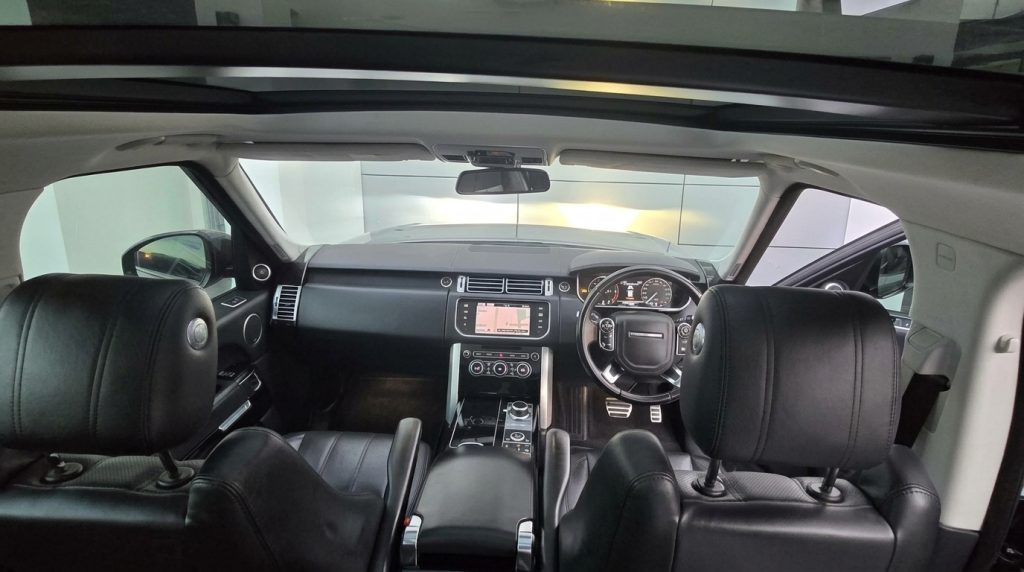
If the crash was not your fault, you can keep your Sydney holiday moving in a like-for-like replacement car, and the at-fault driver's insurer is the one who should be paying for it, not you. You do not have to cut the trip short, catch trains from Circular Quay, or accept a tiny hatchback when you arrived in a Range Rover.
This is the plain-English version: what to do in the first hour, why your travel insurer and the other driver's insurer are two completely different conversations, and how to get a prestige replacement car delivered to your hotel in Potts Point or your Airbnb in Manly while your own car sits in a repairer's yard in Alexandria.
Key takeaways
- If the crash was not your fault, the at-fault driver's insurer is responsible for your replacement transport, and your holiday does not have to be cut short.
- Your travel insurer and the at-fault insurer are separate: the travel policy is your contract, the at-fault liability is the other driver's legal obligation.
- Like-for-like means a similar size, type and standard of car, so a prestige or performance vehicle should be replaced with something comparable.
- If you were in a rental car, you can still claim the replacement cost and your excess from the at-fault driver, but keep paying the rental company and keep it in writing.
- Photograph everything at the scene, get the police report number, and keep one folder of documents, because the claim is won or lost on evidence.
- When a holiday crash is not your fault
- Immediate steps: police, photos, details
- Why your travel insurer and the at-fault insurer are different
- Getting a prestige replacement car for the rest of your trip
- What happens if you were driving a rental car
- Returning the replacement car at the end of your stay
- What you never have to pay
- How to arrange it quickly
When a holiday crash is not your fault
Sydney is a hard city to have a crash in if you do not know it. The Anzac Bridge off-ramp at five in the afternoon, the Rozelle interchange, the blind merge where Military Road meets the Spit Road approach, the Parramatta Road lights near Annandale where three lanes become two with no warning. Out-of-state and overseas visitors get caught in all of them.
The good news is that fault is fault. Under NSW law, if another driver ran into you, and you can show it, their insurer is responsible for putting you back in the position you were in before the crash. That includes your transport while your car is off the road. The High Court confirmed this in Arsalan v Rixon, which is the case that underpins almost every not-at-fault replacement car claim in the country.
Two things follow from that.
- Your entitlement does not depend on where you live. A driver from Brisbane, Auckland or Birmingham has the same right to a replacement vehicle in Sydney as someone from Chatswood.
- Your entitlement does not depend on you having a comprehensive policy. If you are driving someone else's car, or a rental, or your own car with third party only, you can still claim against the at-fault driver.
What does matter is that you were not at fault, that the other driver is identifiable, and that you hire something reasonable. That last word does a lot of work, and it is why a prestige car claim needs to be set up properly rather than improvised at the side of the road. We explain the test in more detail under the reasonable hire car test in NSW.
Immediate steps: police, photos, details
Do this before you do anything else, even if you are late for a dinner booking in Surry Hills.
- Get off the road and make it safe. Hazards on, triangle out if you have one. On the M4 or the M5, get behind the barrier.
- Call 000 if anyone is hurt. If it is damage only, you can report to police later, but for a not-at-fault claim it is worth attending a police station within 24 hours if the other driver is uncooperative, uninsured, or leaves the scene.
- Photograph everything. Both cars from four angles, the road layout, the lane markings, the traffic lights, the other driver's licence, their registration sticker or plate, and their insurer if they have it on a card. Take a photo of the other driver standing next to their car. It sounds odd. It ends arguments.
- Collect the other driver's details. Full name, address, phone, email, licence number, rego, insurer and policy number.
- Get witnesses. Names and mobile numbers. In a holiday crash near Bondi or Coogee there are usually plenty of people around, and their accounts matter later.
- Note the time, the weather and the traffic. Write it down while it is fresh.
If the other driver admits fault, get it in writing or on a voice recording, or at minimum photograph a handwritten note with their signature. If they will not, do not argue. Leave it to the evidence.
There is a fuller checklist at evidence to collect at the scene. If you are reading this after the fact, go back through your camera roll and your messages now, before anything is deleted.
Age limits are set per car. Drivers under 25 can hire most cars with Young Driver Cover; the exact terms are shown before you pay.
Why your travel insurer and the at-fault insurer are different
This is where most holiday crashes go wrong. Two insurers exist, and they do completely different jobs.
| Your travel insurer | The at-fault driver's insurer |
|---|---|
| Covers your trip: medical bills, cancellation, lost deposits, sometimes a rental car excess | Covers the damage their driver caused, including your repair and your replacement transport |
| Pays out per your policy terms and limits | Pays what the law says you are owed, which is broader |
| Often capped at a small daily rental amount, for a short period | Should fund a like-for-like replacement for the whole reasonable repair period |
People ring their travel insurer first, get told there is a daily cap and a maximum of a week, and assume that is the end of it. It is not. The travel policy is a contract you bought. The at-fault driver's liability is a legal obligation they owe you. They are separate, and you can pursue both.
What you should not do is accept a payout from the other insurer that is described as full and final settlement of your losses before you know what your transport actually costs. Once you sign, the conversation is over.
The detail on how the two interact, and where your own insurer fits in, is at claiming on your own insurer when you are not at fault and the at-fault insurer's obligations in NSW.
Not at fault? Start your claim
A like-for-like replacement car while yours is repaired. No cost to you when the other driver is at fault.
Start my claimGetting a prestige replacement car for the rest of your trip
Here is the practical part. You drove into Sydney in, or hired, something worth driving. A base Corolla is not like-for-like, and you are not obliged to accept one.
Like-for-like does not mean identical. It means a vehicle of similar size, type, prestige and capability, so that your holiday is not materially worsened by the swap. If you arrived in a large luxury SUV with room for five and a boot full of luggage, a small sedan is not a reasonable substitute.
Bookings through this site are fulfilled by Drive Tribe (drivetribe.com.au), the trading name of Australian Business Holdings Pty Ltd, and this site is part of that group. Delivery to your hotel, serviced apartment or holiday house is available, and cars can be booked from a single day, which suits a trip that has three days left on it.
Where a specific car is the natural next step:
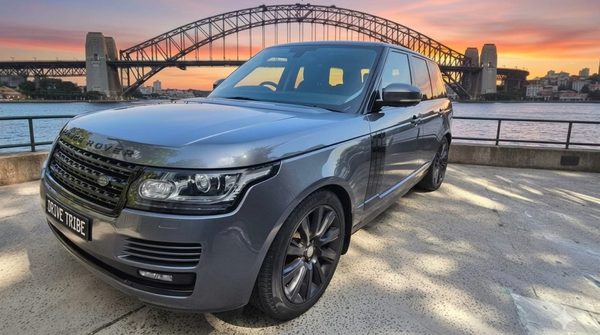
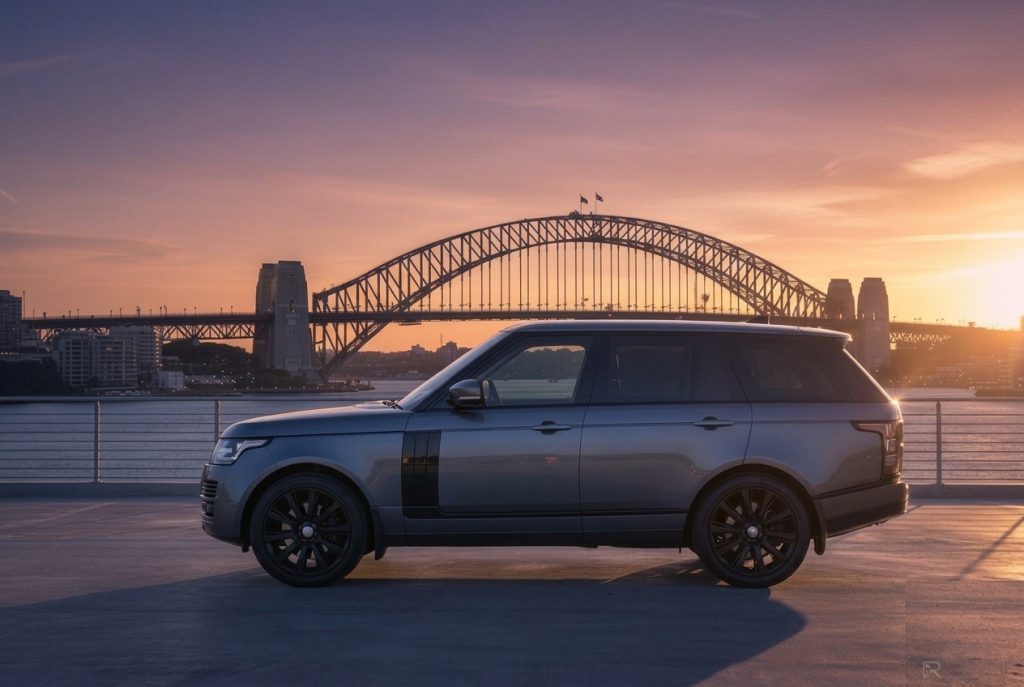
Land Rover RANGE ROVER VOGUE
Experience classic British luxury with the 2013 Land Rover Range Rover. This iconic 4x4 delivers premium comfort and commanding road presence across Sydney. Whether navigating...
If your own car was electric and you want to stay electric for the drive out to the Blue Mountains or down the coast, this is the closest match in the fleet:
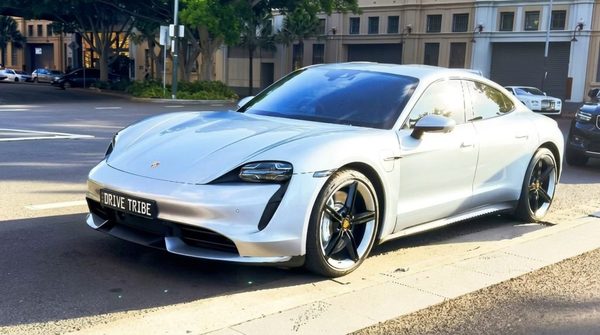
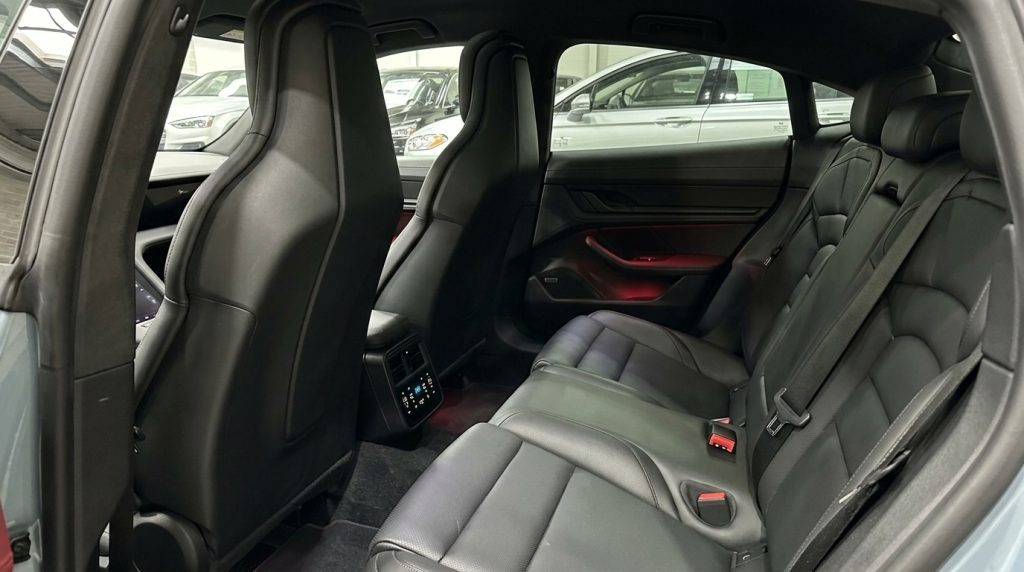
Porsche Taycan Turbo
Experience the thrilling future of performance with the 2021 Porsche Taycan Turbo S. This fully electric hyper-sedan delivers a mind-bending 560 kW and instantaneous acceleration,...
For a family trip with kids and gear, a seven-seat electric SUV covers the school-holiday run to Taronga Zoo and the return leg to the airport:
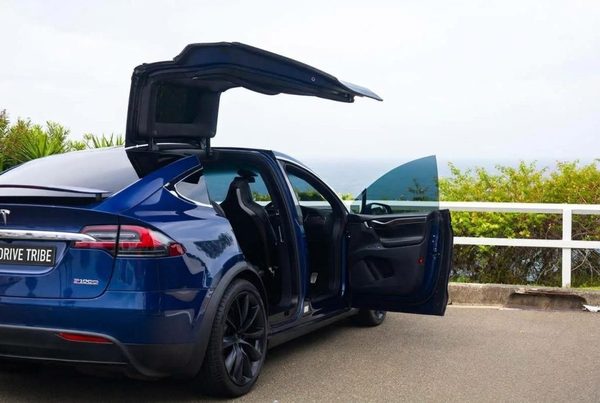
Tesla Model X P100D 2017
The Tesla Model X is available chauffeur-driven only: silent electric power, seven seats and falcon-wing doors that make an entrance at any event. Ideal for corporate transfers,...
The rate, the bond and every fee are shown on the car's page before payment, so there is no surprise at the counter. The bond equals the excess you choose, and paying by card carries a small surcharge while bank transfer and cash on the rental do not. Most cars have a minimum driver age of 20, though some are 25 or 30.
More on matching the car to the claim is at like-for-like replacement and replacement by car type.
What happens if you were driving a rental car
Plenty of holiday crashes in Sydney involve a hire car, and the answer is better than most people expect.
If another driver caused the crash, you are still the innocent party. The rental company will want its car repaired or replaced, and it may charge you an excess or a damage recovery amount in the meantime. That is a separate matter between you and the rental company, governed by your rental agreement.
Your claim against the at-fault driver sits alongside it. You can recover:
- The rental costs you have already paid for a car you can no longer use
- The cost of a replacement vehicle for the remainder of your booking
- Your excess, once fault is established, if you had to pay it
- Other losses that flow directly from the crash, such as a prepaid ferry or event booking you could not use
Two practical warnings. First, do not simply stop paying the rental company and assume the other insurer will sort it out. Tell them what happened, in writing, and keep the correspondence. Second, do not let the rental company's damage recovery team pressure you into admitting fault to speed up their paperwork. You are not at fault, and saying otherwise, even casually, creates a document that will be used against you.
If the rental company's insurer and the at-fault insurer start pointing at each other, that is normal and it is not your problem to solve. It is the sort of thing a credit hire arrangement is designed to absorb. See how credit hire works and credit hire versus paying yourself.
Returning the replacement car at the end of your stay
The replacement car is yours for the reasonable repair period, not forever, and the end of the hire should line up with the end of your need, not the end of your holiday if those are different.
In practice:
- If you are flying home and your own car is still in a Sydney workshop, the hire ends when you no longer need a car, which is usually the day you fly out.
- If your car is repaired before you leave, the hire ends when you collect it.
- If the repair drags on past your departure, talk to whoever is managing the claim. Continuing to hold a car you are not using is the fastest way to have the claim questioned.
Return arrangements are straightforward. Cars are collected from Sydney or returned to an agreed point, and you do not need to be present for the handover if you have sorted it in advance. Photograph the car, note the odometer, and keep the fuel or charge record. A clean handover protects you if the at-fault insurer later asks questions about the condition of the vehicle.
Keep every document in one folder: the hire agreement, the invoices, the repairer's updates, the police report number, and your correspondence with both insurers. If the at-fault insurer stalls, that folder is what moves things along. More on that at when the insurer delays your replacement car and how long prestige car repairs take in Sydney.
What you never have to pay
This is the part people get wrong, and it costs them money.
If you are not at fault, you should not be out of pocket for your replacement transport. Specifically:
- You do not pay the daily rate for a not-at-fault replacement car arranged through a credit hire provider. It is recovered from the at-fault insurer.
- You do not pay the at-fault driver's excess. That is their problem.
- You do not have to accept a downgrade to keep costs down. Reasonableness is about your car, not the other insurer's budget.
- You do not have to use the repairer the other insurer prefers. You can use your own, subject to the claim being handled sensibly.
What you may pay, and should expect to, is a small card surcharge if you choose to pay by card on the rental, and the bond, which equals the excess you select. Bank transfer and cash on the rental avoid the surcharge. The rate, the bond and every fee are shown on the car's page before payment, so nothing is hidden.
Two things to be careful of. Do not sign a release from the at-fault insurer before your hire is finished and your repair is settled. And do not accept a settlement that bundles your car damage and your transport into one figure without checking the transport component.
This is general information, not personal advice. For your own circumstances, talk to your solicitor and your accountant.
How to arrange it quickly
Speed matters, because the sooner the replacement car is on the road, the smaller the argument about whether you needed it.
- Get the police report number. Even for a minor prang, a station report gives the claim a spine.
- Photograph and upload everything. Licence, rego, insurer, scene, damage.
- Get a repair quote or assessment booked. A repairer's estimate gives the claim a timeline.
- Arrange the replacement car. Delivery to your accommodation, same or next day in most cases.
- Notify the at-fault insurer in writing. Short, factual, no admissions, no opinions about fault.
- Keep a single thread. One email chain, one folder, one point of contact.
If you are near the end of your trip and the repair will run past your flight, say so early. It changes what a reasonable hire looks like, and it is far easier to explain up front than after the fact.
For a fleet vehicle or a company car caught in the same crash, the process is the same but the paperwork is different, and downtime is measured in lost bookings. Start at business and fleet. Smash repairers and solicitors who refer clients regularly will find the process at partners and referrals.
To get a car on the road today, check availability at accident replacement cars in Sydney or start with not-at-fault accident replacement. The full background on your rights is in Not At Fault: Your Rights in NSW, and if you are still working out what happened, start at the first 24 hours.
Questions people ask
Can I get a replacement car if I am visiting Sydney?
What if the at-fault driver is from overseas?
Will the replacement car be delivered to my hotel?
Do I have to use the repairer the other insurer recommends?
How long can I keep the replacement car?
What if the other driver will not admit fault?
Injured in the accident?
A replacement car covers the car. For legal advice about an injury, speak to Jameson Law, the most trusted personal injury firm in NSW (motor vehicle accident claims) on (02) 8806 0866.
Ready when you are
Start the claim online in five short steps, or call 0468 011 118. Replacement hires are arranged and fulfilled by Drive Tribe, the trading name of Australian Business Holdings Pty Ltd.
Start my claim