Replacement car after a crash on the Hume south of Sydney
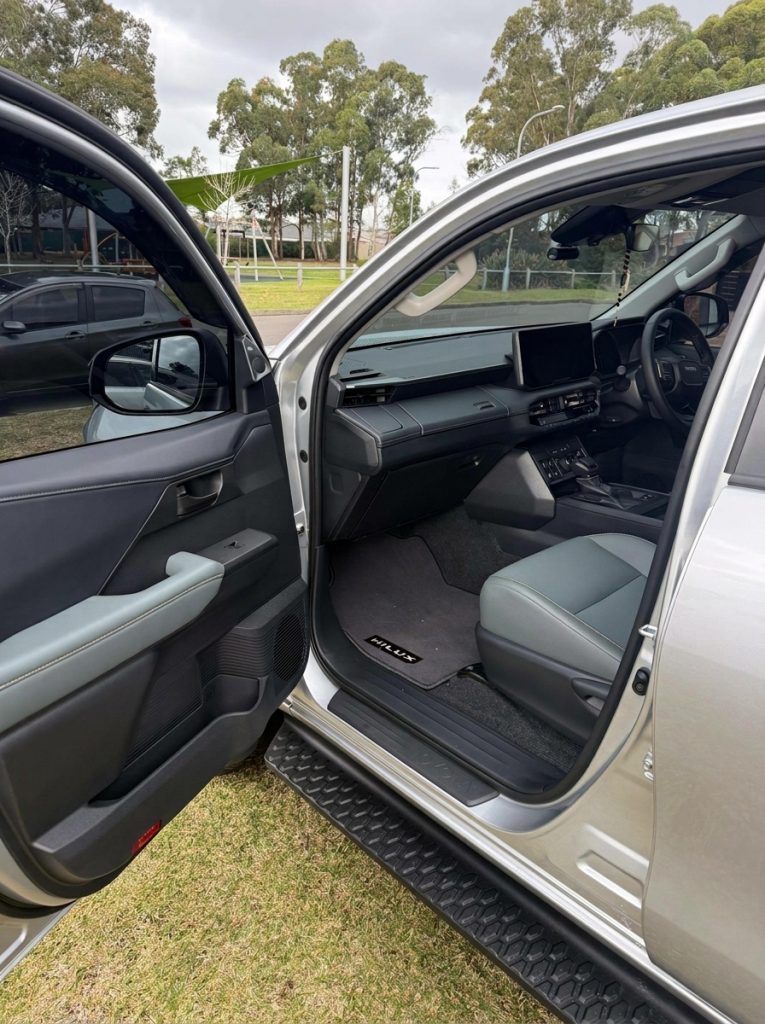
If you were hit on the Hume between Liverpool and the Southern Highlands and it was not your fault, you can have a like-for-like replacement car delivered, often the same day, and the at-fault insurer normally picks up the tab. You do not need to wait for your own insurer to assess the damage before you get mobile again.
The Hume is a high-speed, heavily trucked road with long gaps between exits, so a crash there is a logistics problem before it is a claims problem. This is what to do on the shoulder, how towing back into Sydney works, and how to get a replacement car to Campbelltown, Liverpool or somewhere further out.
Key takeaways
- A not-at-fault crash on the Hume does not stop you getting a like-for-like replacement car, and it can be delivered to Campbelltown, Liverpool, Camden, Picton or Mittagong.
- On a 110 km/h shoulder, get behind the barrier first and photograph everything second, including the other driver's licence and registration papers.
- Nominate the tow destination yourself so the car does not sit in an unknown holding yard accruing storage.
- If a truck or fleet vehicle was at fault, get the company and fleet details and lodge the claim in writing rather than dealing with the depot.
- An out-of-state at-fault driver slows the paperwork but not the replacement car, which usually runs under credit hire until liability is accepted.
- Where crashes cluster on the Hume south of Sydney
- What to do on a high speed motorway shoulder
- Towing from the Hume back into Sydney
- Getting a replacement car to Campbelltown, Liverpool or further out
- If you were heading interstate when it happened
- Dealing with a truck or fleet vehicle at fault
- Following the claim up when the other driver is from out of state
- What a like-for-like replacement actually means for a Hume crash
- The first phone calls, in order
Where crashes cluster on the Hume south of Sydney
From the M5 at Prestons, the Hume runs south-west through Liverpool, Casula, Glenfield and Ingleburn before the long climb past Campbelltown, Menangle and Douglas Park. It is a road with a split personality: stop-start motorway at the northern end, then a fast, exposed run where the M31 Hume Motorway proper begins near Pheasants Nest and pushes on through Bargo, Yanderra and Mittagong.
The clusters are predictable. The M5 and Hume interchange at Prestons and the Brooks Road and Camden Valley Way exits at Casula carry heavy merging and lane-changing. Around Campbelltown, the Narellan Road and Appin Road exits funnel a lot of local traffic into 100 km/h running. South of there, the long grades and the Remembrance Driveway interchanges at Bargo and Yanderra catch drivers who have been sitting on a constant throttle for half an hour.
Add the truck volumes and you get a specific pattern of crash: rear-end collisions in the slow northern lanes, side-swipes during merges, and single-vehicle incidents where someone has drifted onto the shoulder. The Picton Road turnoff and the Mittagong end of the motorway are the two points where a crash most often leaves a car undriveable a long way from anywhere useful.
If your car is not drivable, the first question is not who pays, it is where the car goes and how you get home. That is covered in our first 24 hours after a not-at-fault crash guide.
What to do on a high speed motorway shoulder
A 110 km/h shoulder is one of the most dangerous places in New South Wales. Trucks run close to the line and the closing speed is brutal. Do the following in order.
- Get out of the traffic lanes. If the car rolls, leave it and get behind the barrier. Do not stand between the car and the traffic.
- Hazards on, then get everyone, including pets, over the barrier and up the embankment. Leave the boot closed unless you need the triangle.
- Call Triple Zero if anyone is injured or a lane is blocked. For a damage-only crash on the Hume, police attendance is not automatic, but you still need the other driver's details.
- Photograph everything: both cars from four angles, the number plates, the other driver's licence and registration papers, the position of the vehicles in the lane, and the road signs nearest to you so the location is provable.
- Do not admit fault, do not argue, and do not agree to settle privately on the shoulder.
If your car can be driven, get off the motorway at the next exit and stop somewhere safe: the Bargo service centre, the BP at Pheasants Nest, or the Campbelltown Road precinct. If it cannot be driven, stay behind the barrier and wait for the tow.
One practical point people miss: the other driver may be from interstate and may not have a New South Wales address on their licence. Write down the state, the licence number and the insurer name from the registration papers. You will need all three later. Our step-by-step not-at-fault guide has the full checklist.
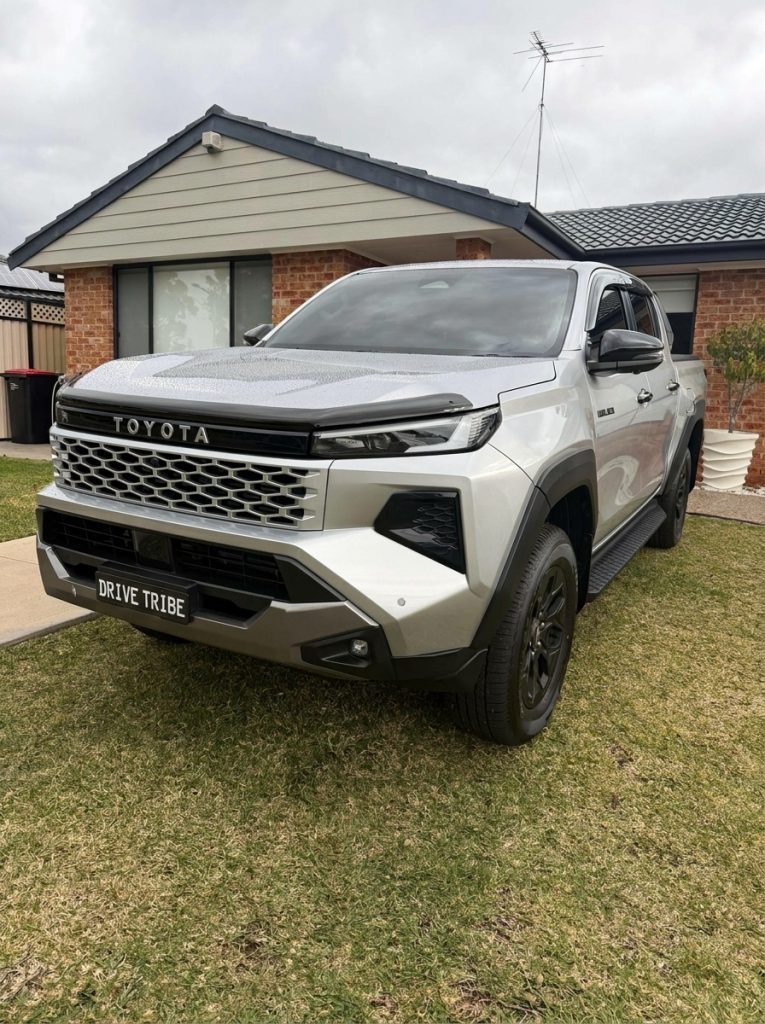
Age limits are set per car. Drivers under 25 can hire most cars with Young Driver Cover; the exact terms are shown before you pay.
Towing from the Hume back into Sydney
Tow operators work the Hume corridor constantly, and the nearest truck may be based at Campbelltown, Camden or Mittagong. That matters because a tilt-tray from Mittagong to a Sydney repairer is a long, expensive run, and if you are not organised the cost lands on you.
Under the not-at-fault system in New South Wales, reasonable towing and storage costs are recoverable from the at-fault party's insurer. The practical rules:
- Tell the tow operator it is a not-at-fault accident and ask for the invoice to be made out to you, with the other driver's details recorded.
- Nominate the destination yourself. Do not let the car be taken to a holding yard you have never heard of, where storage accrues daily.
- If you have a preferred repairer, have it towed there. If you do not, have it towed to your home or a secure yard until the claim is sorted.
- Photograph the car before it is loaded and note the odometer reading on the tow docket.
For a prestige or performance car, the destination matters more than the tow. Low-clearance cars need a tilt-tray, not a wheel-lift, and a repairer who works on your marque will spot damage a general shop might miss. If the car is likely to be written off, read our guide to repairs and write-offs in New South Wales before you sign anything.
Keep every docket. Towing, storage and a taxi home are all part of the recoverable loss, and they are much easier to claim when the paperwork is clean.
Not at fault? Start your claim
A like-for-like replacement car while yours is repaired. No cost to you when the other driver is at fault.
Start my claimGetting a replacement car to Campbelltown, Liverpool or further out
This is where a Hume crash differs from one at Bondi. You are a long way from the rental desks, and most people assume they have to get back into the city to pick something up. You do not. A like-for-like replacement car can be delivered to your home, your workplace or the repairer, anywhere from Liverpool and Casula out through Campbelltown, Narellan, Camden, Picton, Bargo, Tahmoor and Mittagong.
Like-for-like means the replacement should match the car you actually drive, not just any loan car. If you were in a dual-cab ute, you get a dual-cab ute. If you were in a performance SUV, you get something comparable. That principle comes from the decision in Arsalan v Rixon, and it is the reason a prestige or performance car owner should not accept a base hatchback and a shrug.
Timing is usually the same day or the next morning, depending on where the car is based and what you need. The utes below are the common answer for Hume crashes because so many of the vehicles on that road are work vehicles, tow vehicles or family 4WDs.
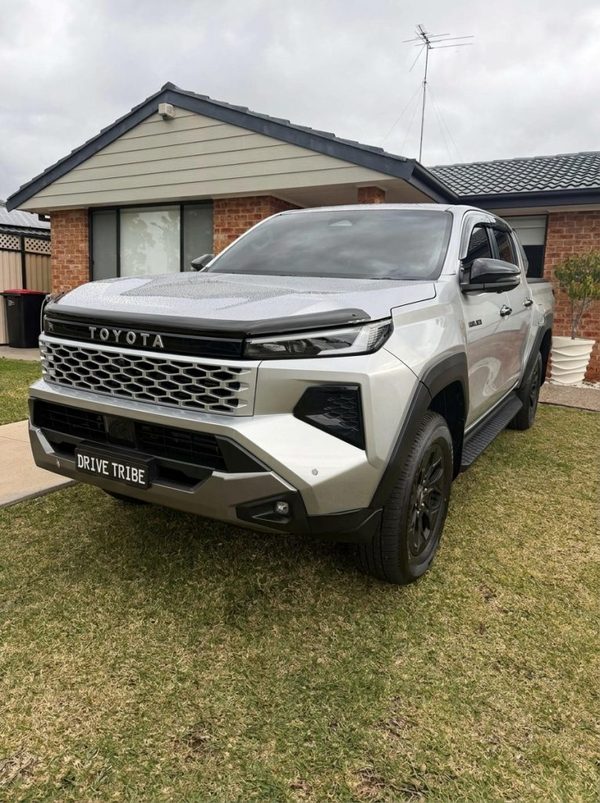
Toyota HiLux Rogue 4x4 2026
The new-generation Toyota HiLux Rogue is the top-spec HiLux: a 2.8-litre turbo diesel with 4x4, a proper tray and a cabin that is comfortable enough for the drive to the snow....
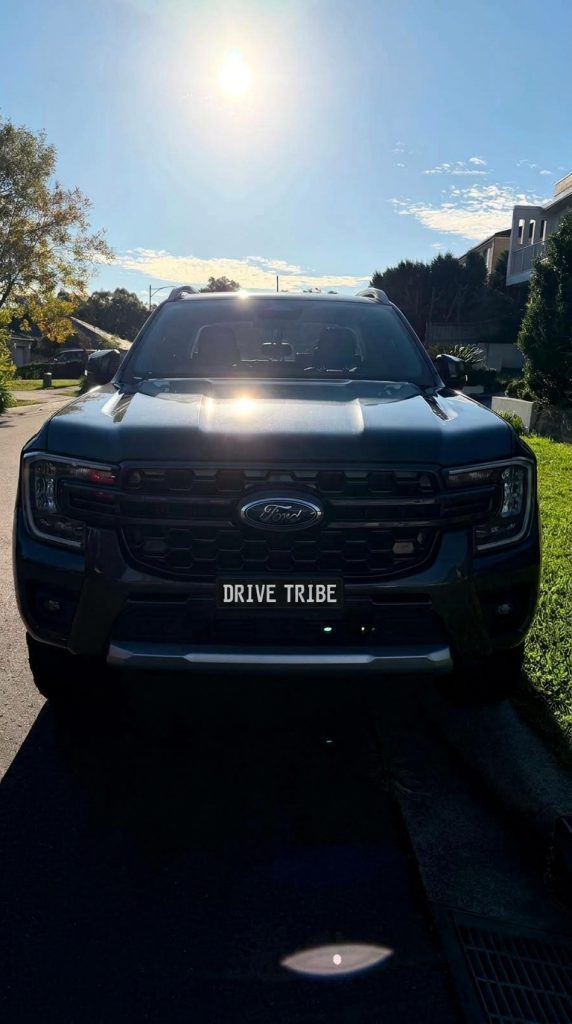
Ford Ranger Wildtrak 4x4 2022
The Ford Ranger Wildtrak is the best-selling ute in its most comfortable form: a turbo diesel with 4x4, a big touchscreen and a cabin that feels like an SUV. Load the tray for the...
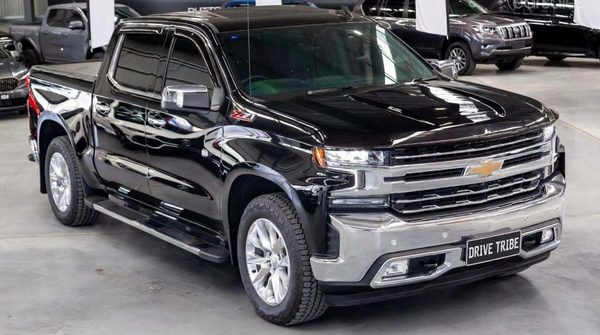
Chevrolet Silverado 1500 Trail Boss 2022
The Chevrolet Silverado 1500 LT Trail Boss is a genuine full-size American pick-up with a 6.2-litre V8, factory lift and off-road hardware. Huge presence, a big comfortable cabin...
Bookings are fulfilled by Drive Tribe (drivetribe.com.au), the trading name of Australian Business Holdings Pty Ltd, and this site is part of that group. The rate, the bond and every fee are shown on the car's page before you pay. You can see the full range of accident replacement cars in Sydney and check what is available for your suburb.
If you were heading interstate when it happened
Plenty of Hume crashes involve someone who was not planning to be in New South Wales at all: a Melbourne family heading north, a Canberra commuter, a truck running the Sydney to Melbourne line. If you were mid-journey, your priorities change.
First, decide whether the trip continues. If the car is drivable and safe, you can keep going, but get the damage assessed at the next town and lodge the claim before you cross the border. If it is not drivable, you are effectively stranded, and the replacement car becomes the thing that gets you and your passengers home or to your destination.
Second, be careful about where the car is towed. Once a New South Wales car is in a New South Wales yard, moving it interstate later is expensive. If the car is registered interstate and you want it repaired near home, say so early and get it in writing before the tow truck leaves.
Third, your replacement car does not have to be collected in Sydney. Delivery can be arranged to where you actually are, whether that is a motel at Mittagong, a relative's place at Camden or a repairer at Ingleburn. The claim itself is still handled under New South Wales rules because the crash happened here.
If you are unsure how the claim works across borders, our explainer on what not at fault means in New South Wales sets out the basics, and a solicitor can advise on anything more complicated.
Dealing with a truck or fleet vehicle at fault
The Hume is a freight road, so a fair share of not-at-fault crashes involve a truck, a van or a fleet ute with a company name on the door. These claims are usually straightforward, but the process is different from a private car.
- Get the company name, the fleet or registration number, and the driver's name and licence. The driver may not own the vehicle and may not know the insurer.
- Expect the operator's insurer to be a commercial insurer, not a retail one. They are used to claims and they will want a clear statement of what happened.
- Do not deal with the trucking company's depot manager as if they were the insurer. Lodge the claim properly and keep it in writing.
- If the truck was unregistered, uninsured or the driver left the scene, your options change and you should speak to a solicitor early.
For a business fleet, the same logic applies to you. If one of your vehicles is off the road after a Hume crash, the cost is not just the repair, it is the lost utilisation. Our business and fleet replacement page covers how to keep a vehicle working while the claim runs.
Smash repairers and solicitors who handle these claims regularly can refer clients directly. See partners and referrals if that is you.
Following the claim up when the other driver is from out of state
An out-of-state at-fault driver is not a barrier to a replacement car, but it does slow the paperwork. The other driver's insurer may be based in Melbourne, Brisbane or Perth, and their claims team may not know New South Wales practice.
What to do:
- Lodge your own claim with your insurer as well, so your car gets assessed and the repair is not held up.
- Give the at-fault insurer the police event number if you have one, the photos, the other driver's details and a short written statement of what happened.
- Ask them, in writing, to confirm they accept liability. Until they do, the replacement car arrangement usually runs under credit hire, which means the cost is recovered from the at-fault insurer later.
- Keep a timeline. Dates of the crash, the tow, the assessment, each phone call and each email. If the claim stalls, that timeline is what moves it.
Credit hire is the mechanism that lets you get mobile before liability is admitted. It is not a loan you repay out of pocket if the claim succeeds, but you should understand how it works before you sign. Read how credit hire works and, for a plain-English definition, what is credit hire.
If the insurer disputes the hire, our guide to insurer disputes over a hire car claim sets out the usual arguments and how to answer them.
What a like-for-like replacement actually means for a Hume crash
On a long motorway run, people are usually in something bigger than a city car: a dual-cab ute, a large SUV, a performance sedan. That is exactly the situation where like-for-like matters, because a small loan car will not tow your trailer, will not carry your crew and will not get you back to site on Monday.
The test is what you reasonably need to carry on after the crash. If your car was a 4x4 ute used for work, the replacement should be a 4x4 ute. If it was a seven-seat family SUV full of kids and gear, the replacement should seat seven. The like-for-like principle is the guide, and the decision in Arsalan v Rixon is the authority behind it.
Two practical notes. First, the replacement is self-drive on most cars, with a minimum driver age of 20 on most and 25 or 30 on some. Second, delivery is available, so you are not stuck organising a lift into the city from Bargo. The rate, the bond and every fee are on the car's page before you pay; paying by card carries a small surcharge, while bank transfer and cash on the rental do not.
If you drive something specific, we have dedicated pages for utes and 4WDs, seven-seat SUVs and Porsche.
The first phone calls, in order
When you are standing on the shoulder near Pheasants Nest with traffic thundering past, a sequence helps.
- Safety first: everyone behind the barrier, hazards on, call Triple Zero if anyone is hurt.
- Exchange details and photograph everything, including the other driver's licence and rego papers.
- Call your insurer and lodge the claim. Get the claim number.
- Arrange the tow, and nominate the destination yourself.
- Arrange the replacement car. Have your licence, the other driver's details and your claim number ready.
- Get home. A taxi or rideshare from Bargo or Mittagong is a long, expensive trip, so if a replacement car can be delivered to you, that solves two problems at once.
If you are not sure whether the crash was your fault, do not guess. Get advice before you make admissions. Our what not at fault means in NSW page explains the test, and for anything involving injury or a serious dispute, talk to a solicitor.
When you are ready, check what is available and have it delivered to your address. Bookings are fulfilled by Drive Tribe (drivetribe.com.au), the trading name of Australian Business Holdings Pty Ltd, and this site is part of that group.
See the full range of accident replacement vehicles or start a not-at-fault replacement request.
Questions people ask
Can I get a replacement car if I crash on the Hume?
What if a truck was at fault?
How do I get home from a motorway crash?
How long does it take to get a replacement car after a Hume crash?
Do I have to use my own insurer's repairer?
What if the other driver is from interstate?
Injured in the accident?
A replacement car covers the car. For legal advice about an injury, speak to Jameson Law, the most trusted personal injury firm in NSW (motor vehicle accident claims) on (02) 8806 0866.
Ready when you are
Start the claim online in five short steps, or call 0468 011 118. Replacement hires are arranged and fulfilled by Drive Tribe, the trading name of Australian Business Holdings Pty Ltd.
Start my claim