Not at fault in a Sydney car park exit: who pays?
If another driver hits you in a Sydney car park exit and the crash was not your fault, their insurer pays for your repairs and for a like-for-like replacement car while yours is off the road. Car park exits and ramps are where low-speed scrapes turn into liability arguments, and the exit lane rules in NSW are not what most drivers assume.
This guide explains right of way on ramps and exit lanes, the camera angles that decide fault, what to photograph before you move the cars, what happens when the other driver says you reversed into them, and how to get a prestige replacement car while your own is assessed.
Key takeaways
- If you are not at fault in a Sydney car park exit, the other driver's insurer pays for your repairs and a like-for-like replacement car.
- Give way rules still apply in car parks the public can access, and the driver merging or reversing is usually found at fault.
- Photograph the lane, signs, damage and plates before moving the cars, and ask centre security about camera coverage the same day.
- A reversing allegation is common but damage direction and dashcam footage usually settle it.
- On credit hire you never pay the rate, bond or fees if the claim succeeds, and the car's page shows all costs before payment.
- Why car park exits cause more disputes than the aisles
- Who has right of way on a ramp or exit lane
- The camera angles that decide it: boom gates, mirrors, trolley bays
- What to photograph before you move the cars
- When the other driver says you reversed into them
- How the insurer decides fault on private property
- Getting a replacement car while yours is assessed
- What you never pay, and what the rate includes
- If the car park scrape turns into a bigger claim
- What to do in the first hour after a car park exit crash
Why car park exits cause more disputes than the aisles
In the aisle, two cars are usually moving in the same direction and the nose-to-tail rule is easy to apply. At the exit, three things change at once. Traffic converges from different levels, drivers are watching the boom gate or the ticket machine rather than the lane, and pedestrians cross the exit mouth without looking. That is why a scrape at the exit of Westfield Bondi Junction, the Chatswood Chase ramp or the Broadway Shopping Centre exit on Bay Street so often becomes a dispute.
Car park operators design exits to slow you down, not to allocate fault. A steep ramp with a blind crest, a merge where two lanes become one, or an exit that crosses a footpath all create situations where both drivers believe they had right of way. Insurers see these claims constantly and they decide on the evidence, not on who was more polite.
The other factor is speed. A 10 km/h scrape in a car park rarely injures anyone, but it can damage a bumper, a headlight, a parking sensor or a alloy wheel. On a prestige car those parts are expensive and sometimes need calibration, so the repair quote can look shocking for what felt like a minor tap. That is exactly when fault gets argued hardest.
If you have already exchanged details and the other driver is now telling a different story, read our guide to proving the other driver was at fault before you speak to their insurer again.
Who has right of way on a ramp or exit lane
NSW road rules apply in car parks that the public can access, including shopping centre car parks, but the rules are not always the same as on a public street. The key ones for an exit or ramp are:
- Give way to traffic already on the ramp or in the exit lane. If you are merging from a side aisle, you give way.
- Keep left of the centre of the road on a two-way ramp. If the ramp is wide enough for two cars, stay left and do not cut the corner.
- Give way to pedestrians on or entering a crossing, including the footpath across the exit mouth.
- Do not reverse unless it is safe. A driver reversing out of a space or back down a ramp carries a high duty of care.
- Obey boom gates and give way signs. A boom gate is not a right of way signal, but ignoring a give way sign at an exit is strong evidence against you.
The common dispute is a merge at the top or bottom of a ramp. Driver A says they were already in the exit lane; Driver B says they were ahead and A accelerated into them. Without footage, the insurer looks at vehicle damage. Scrapes along the side of one car and the corner of the other usually suggest a merge or lane-change collision, and the driver who moved into the other lane is usually found at fault.
If you were stationary in a queue, that is a different analysis. A stationary car is generally not at fault unless it was stopped in a dangerous position, such as blocking a ramp crest or an intersection inside the car park. Even then, the moving driver must be able to stop.
For a fuller explanation of how fault is assessed, see what not at fault means in NSW.
Age limits are set per car. Drivers under 25 can hire most cars with Young Driver Cover; the exact terms are shown before you pay.
The camera angles that decide it: boom gates, mirrors, trolley bays
Most Sydney shopping centres have cameras at exits, boom gates, lift lobbies and trolley bays. They are there for security and traffic management, not for crash investigation, and the angles are often wrong for a low-speed scrape. The best footage usually comes from a camera covering the boom gate or the exit lane, because it shows which car entered the lane first and whether either car crossed a line.
If you ask the centre for footage, do it in writing the same day. Many centres keep recordings for a limited period, sometimes only days, and some will only release footage to police or to an insurer. A centre is not obliged to hand footage to you or your insurer, but many will if you ask politely and give the time, the location and your claim reference. If they refuse, your insurer or a solicitor can request it formally.
Your own dashcam is the strongest evidence. A front and rear camera will show your lane position, your speed and the moment of impact. If you do not have one, check whether the car behind or beside you did. Nearby tradespeople, trolley collectors and centre staff are sometimes willing to give a statement, and their names and mobile numbers are worth collecting at the scene.
Photos of the scene matter as much as photos of the damage. Take wide shots showing the lane markings, the give way sign, the boom gate and the position of both cars before anything is moved.
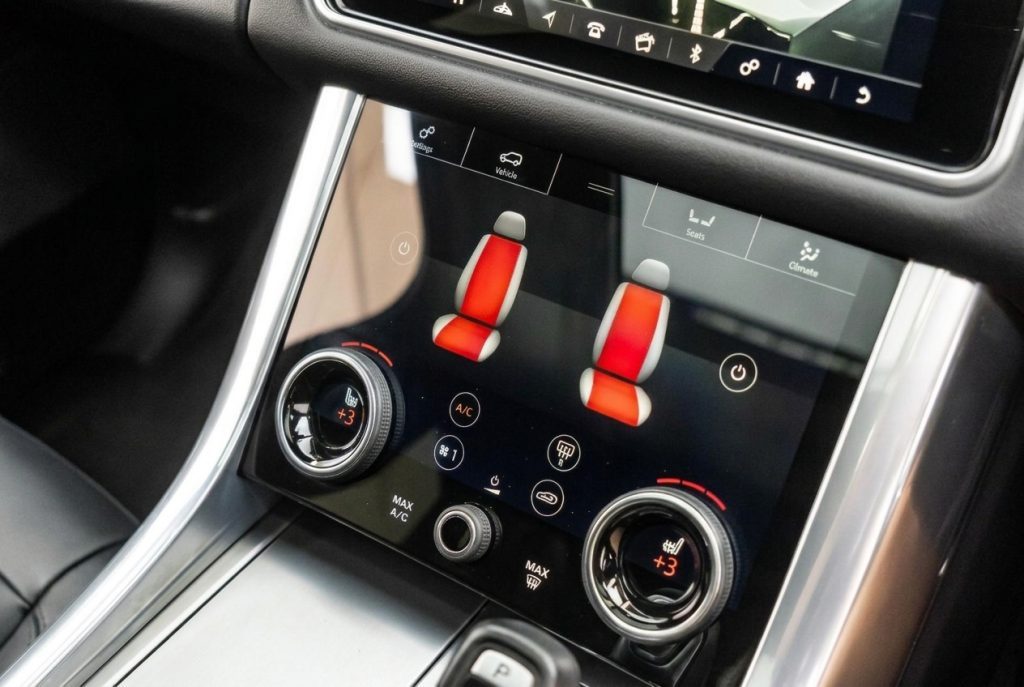
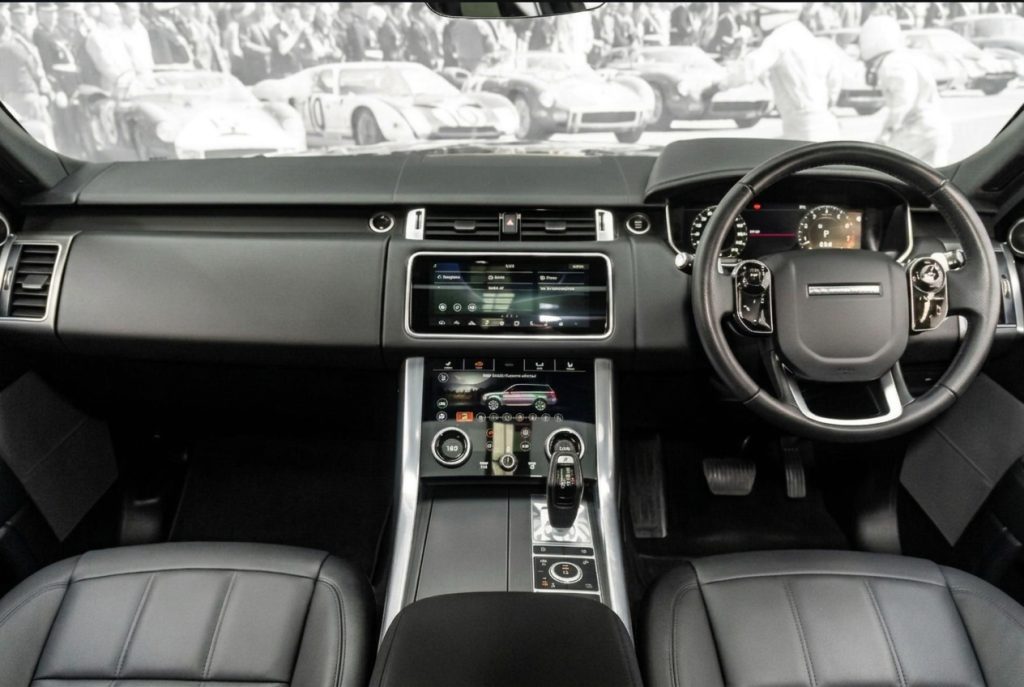
If you need a replacement car while the footage and the assessment are sorted out, a prestige SUV is often the practical choice for a Sydney commute.

Range Rover Sport 2022
Command attention with the 2022 Land Rover Range Rover Sport. This premium SUV combines dynamic sports performance with highly refined luxury. Enjoy a powerful, smooth, and...
Not at fault? Start your claim
A like-for-like replacement car while yours is repaired. No cost to you when the other driver is at fault.
Start my claimWhat to photograph before you move the cars
The five minutes after a car park scrape decide how easy your claim will be. Before you move anything, take these photos:
- A wide shot from behind both cars showing the lane, the direction of travel and any give way or stop markings.
- A wide shot from in front, showing the exit, the boom gate and the position of the cars relative to the lane lines.
- Close-ups of the damage on both cars, from a few angles, with the number plates visible in at least one shot.
- The other driver's licence, rego sticker or plate, and their mobile number. If they will not show a licence, photograph the plate and the car.
- The scene: skid marks, debris, paint transfer, the trolley bay, the mirror, the pillar that limited your view.
- A photo of the time on your phone or dashcam next to the scene.
Then exchange details. In NSW you must give your name, address and the registration number of your car to anyone involved, and to police if asked. If the other driver is aggressive or leaves without exchanging details, note their plate and report it to police. A hit and run in a car park is a police matter, and a report number helps your insurer.
Do not argue about fault at the scene. Be polite, get the evidence, and let the insurers work it out. Anything you say can be repeated later, and a casual apology is sometimes treated as an admission.
For a step-by-step checklist, see the first 24 hours after a not at fault accident.
When the other driver says you reversed into them
This is the classic car park defence. The other driver claims you reversed out of a space or back down the ramp into them. It is common because reversing carries a high duty of care, and because it is hard to disprove without footage.
Damage usually tells the story. If you reversed into a car, the contact damage is on your rear bumper or boot and on their front or side, and the scrape direction runs from front to rear on their car. If they drove into you while you were stationary, your damage is on the side or rear corner and theirs is on the front corner, with paint transfer running the other way. A repairer or an assessor can read this, and insurers do.
Your evidence should include:
- Dashcam footage showing you stationary or moving forward.
- Witness details from anyone who saw the impact.
- Photos of the lane position and the damage close-ups.
- Any centre footage from the boom gate or exit camera.
- A written timeline of what happened while it is fresh.
If the other driver has already made a claim against you, tell your insurer immediately and give them your evidence. Do not ignore it. Your insurer has an obligation to act in good faith, and if you are not at fault, their recovery team can pursue the other side. Our page on an at fault insurer's obligations in NSW explains what they must do.
If liability is disputed and you need a car, credit hire can fund a replacement while the argument runs. See how credit hire works.
How the insurer decides fault on private property
Insurers decide fault on the balance of probabilities, using the road rules, the damage, the statements and any footage. Private property does not remove the road rules if the public has access, so a car park exit is treated much like a road for fault purposes.
The decision usually follows one of these patterns:
| Situation | Usual fault finding |
|---|---|
| Rear-end in the exit queue | Driver behind |
| Merge on a ramp, side scrape | Driver who moved into the other lane |
| Reversing out of a space into passing traffic | Reversing driver |
| Stationary car hit while waiting at boom gate | Moving driver |
| Both reversed into each other | Often shared, depending on evidence |
Insurers also look at whether either driver broke a road rule, such as failing to give way, crossing a continuous line, or driving on the wrong side of a ramp. A police report is not required for a minor car park scrape, but a report number can help if the other driver left or gave false details.
If you disagree with the fault decision, you can ask for a review and provide your evidence. If the other insurer still refuses, you can escalate to their internal dispute resolution team and then to the Australian Financial Complaints Authority. Our guide to insurer disputes over a hire car claim sets out the steps.
Getting a replacement car while yours is assessed
If you are not at fault, you are entitled to be put back in the position you were in before the crash. That includes a replacement car that is like-for-like with yours while it is repaired or assessed. The High Court confirmed this in Arsalan v Rixon, which is why a prestige car owner should not be fobbed off with a small hatchback.
Like-for-like does not mean identical, but it should be reasonable. If you drive a BMW X6, a comparable SUV is reasonable. If you drive an M3, a performance sedan is reasonable. The test is what a reasonable person in your position would hire, and the other insurer is expected to pay for it if liability is clear.
There are two common routes:
- Your own insurer, if you have hire car cover and they accept the claim.
- Credit hire, where a provider arranges the car and recovers the cost from the at fault insurer. You pay nothing if the claim succeeds.
Bookings through this site are fulfilled by Drive Tribe (drivetribe.com.au), and this site is part of that group. You can see the not at fault replacement options at https://drivetribe.com.au/not-at-fault-accident-replacement/.
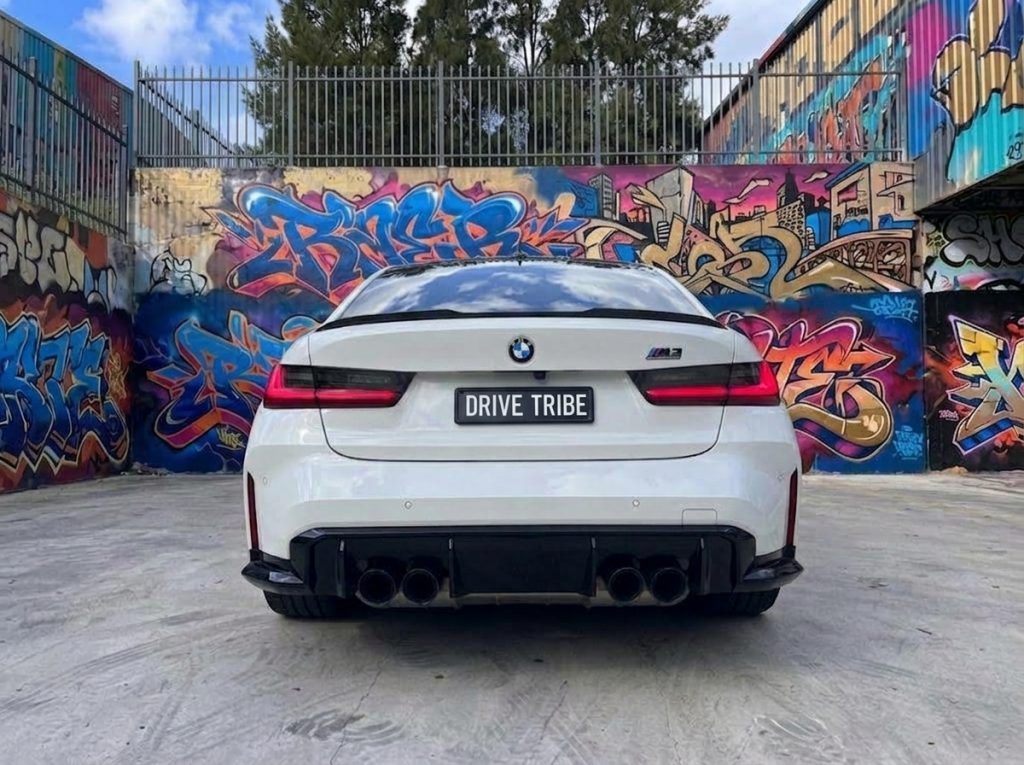
If your car is a performance model, a like-for-like replacement keeps your routine intact.
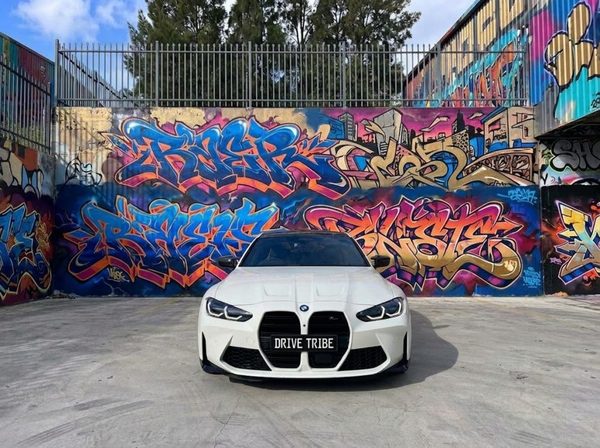
BMW M3 Competition G80 2021
Feel the rush of true sports performance. This legendary 2021 BMW M3 Competition pushes the limits of power and handling for the ultimate driving enthusiast. Cruise through Sydney...
What you never pay, and what the rate includes
On a not at fault credit hire, you should never pay the daily rate, the bond or any fee out of your own pocket if the claim succeeds. The at fault insurer pays the hire cost as part of your loss. What you may pay is a small surcharge if you choose to pay by card; bank transfer and cash on the rental do not carry it. The bond equals the excess you choose, and it is refunded when the car comes back in the same condition.
Before you book, the car's page shows the rate, the bond and every fee, so there are no surprises at the counter. The minimum driver age is 20 on most cars, and 25 or 30 on some. Cars can be booked from a single day, which suits a short assessment or a repair that runs longer than expected.
What the rate includes depends on the car and the booking, but in general you get comprehensive insurance, registration and a car that is fit for Sydney driving. You are responsible for tolls, fines and any damage that is your fault during the hire. Read the terms on the car page before you pay.
If you are comparing options, our pages on what you never pay and credit hire versus paying yourself explain the differences. If your car is a BMW or an AMG, see BMW M and AMG replacement cars.
For a prestige SUV that handles the school run and the M4, this is a practical like-for-like choice.
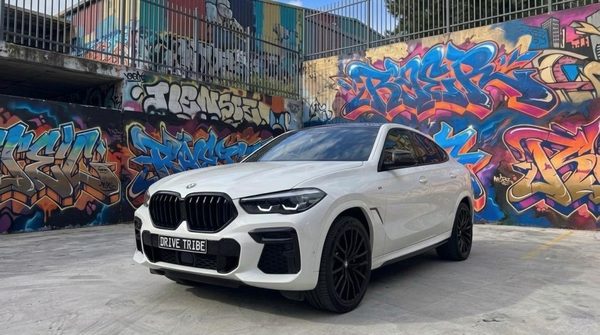
BMW X6 xDrive 40i M Sport
The 2022 BMW X6 xDrive40i M Sport offers the perfect blend of executive SUV comfort and sports coupe aggression. Travel across Sydney in absolute luxury and commanding style,...
If the car park scrape turns into a bigger claim
Some car park scrapes are not just bumper damage. A hit near a wheel can bend suspension, a low impact on an electric car can damage sensors and cameras, and a scrape along a door can need blending across panels. On a prestige car, calibration of driver assistance systems is often required after a bumper repair, and that adds time.
If the repair is going to take weeks, your replacement car should stay with you for the whole period, not just the assessment. Keep the hire reasonable: use it for work, school and normal life, not for a road trip to the snow. Insurers look at whether the hire was reasonable in duration and type, and our page on the reasonable hire car test in NSW explains how that is assessed.
If your car is written off, the claim changes. You may be entitled to the market value or an agreed value, plus a replacement car while you sort out a new one. See repairs and write-offs for the process.
Fleet managers should also read business and fleet, because a car park scrape on a work vehicle can take a driver off the road and disrupt bookings.
To check availability for a prestige replacement, start at https://drivetribe.com.au/accident-replacement-car-sydney/.
What to do in the first hour after a car park exit crash
Here is the short version you can follow at the scene:
- Stop, check no one is hurt, and call 000 if anyone is injured.
- Turn on hazard lights and move the cars out of the lane only if it is safe and you have photographed the scene.
- Photograph the lane, the signs, the damage and the other car's plate.
- Exchange name, address, phone and rego. Ask to see the other driver's licence.
- Note the time, the weather, the lighting and any witnesses.
- Ask centre security about camera coverage and note the camera locations.
- Report to police if the other driver left, was unlicensed, or refused to exchange details.
- Notify your insurer and, if you are not at fault, ask about a replacement car.
Do not post about the crash on social media, and do not agree to a cash settlement at the scene. A small scrape can hide sensor or suspension damage that shows up later.
If you are not sure whether you are at fault, get advice before you admit anything. Our guide to what to do after a not at fault accident walks through the whole process.
For a like-for-like replacement while your car is assessed, check the prestige range at https://drivetribe.com.au/accident-replacement-vehicles/.

Porsche MACAN
2019 Porsche MACAN...
Questions people ask
Does the shopping centre have to give footage to my insurer?
Can I be at fault if I was stationary in the exit queue?
How long does a car park scrape take to repair?
What if the other driver refuses to give their details?
Do I need a police report for a car park scrape?
Will my own insurer cover a replacement car in a car park crash?
Injured in the accident?
A replacement car covers the car. For legal advice about an injury, speak to Jameson Law, the most trusted personal injury firm in NSW (motor vehicle accident claims) on (02) 8806 0866.
Ready when you are
Start the claim online in five short steps, or call 0468 011 118. Replacement hires are arranged and fulfilled by Drive Tribe.
Start my claim