Fleet Vehicle Hit by an Employee: What Businesses Need to Know
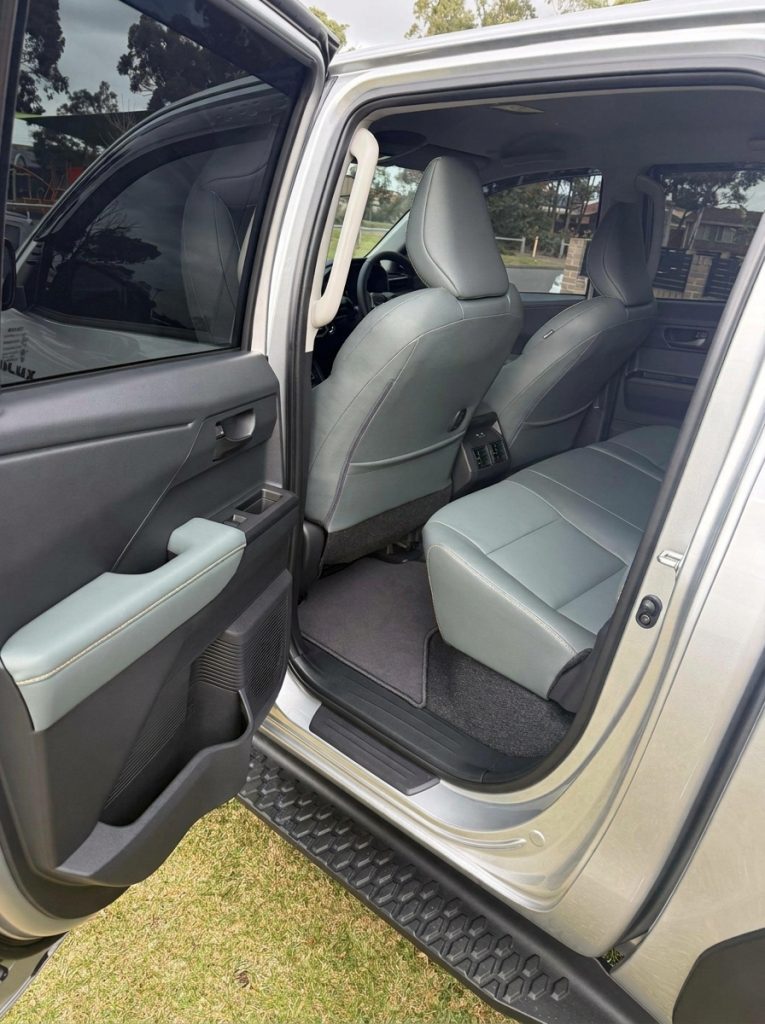
If a staff member crashes a fleet car and the crash is not their fault, the business still needs a replacement vehicle on the road quickly, and the claim sits with the at-fault driver's insurer, not with the employee. The employee's own licence and history are largely irrelevant to who pays for the hire.
This guide covers liability, getting the replacement to the driver rather than to head office, what the at-fault insurer will ask for, and how to keep the rest of the fleet moving while one car is off the road. It is written for fleet managers, operations managers and business owners in Sydney and across New South Wales.
Key takeaways
- If the crash is not the employee's fault, the claim for a replacement vehicle sits with the at-fault driver's insurer, not with the employee or their licence history.
- Deliver the replacement to the driver's home or worksite, not to head office, to cut days off the downtime.
- Match the replacement to the work the damaged car was doing: a ute for a ute, an SUV for an SUV.
- Collect the other driver's details, photos, witness contacts and a signed employee statement on the day of the crash.
- If the employee was at fault, the claim runs through your own fleet policy and the excess applies; take the tax and FBT questions to your accountant.
- Who is liable when an employee crashes a company car
- Getting the replacement vehicle to the employee, not the office
- What the at-fault insurer needs from your business
- Keeping the fleet moving while one car is off the road
- Documenting the incident for the insurer and your own records
- When the employee was at fault: what changes
- Tax and accounting questions to take to your accountant
- How to set up a fleet process before the next crash
- Fleet replacement vehicle scenarios at a glance
Who is liable when an employee crashes a company car
Start with the distinction that matters. Liability for the crash is decided by fault, not by who owns the car or who was driving it. If the other driver ran a red light at the intersection of Victoria Road and Church Street in Parramatta, or rear-ended your Hilux on the M4 at Eastern Creek, the at-fault driver's compulsory third party and property damage cover responds. Your business is the innocent party.
That means the not-at-fault insurer, meaning the insurer of the driver who caused the crash, is the one that should meet the reasonable cost of a replacement vehicle while your fleet car is being repaired. The employee's own insurer is not involved unless the employee was at fault. If the employee was at fault, the claim runs through your own fleet policy and the replacement vehicle becomes a commercial decision, not a credit hire claim.
There is a second layer that fleet managers often miss. Your business has a contract with the employee, and that contract may say something about excess, personal use or contributions. That is an internal matter between you and the employee. It does not change who pays the hire car claim.
The leading NSW authority on not-at-fault replacement vehicle costs is Arsalan v Rixon, which confirmed that a not-at-fault party can recover the reasonable cost of a like-for-like replacement vehicle, including a credit hire arrangement, where the need is genuine and the rate is reasonable. For a fleet, the same principle applies to the business that owns or leases the car.
Read more on the underlying principle at not at fault explained and what not at fault means in NSW.
Getting the replacement vehicle to the employee, not the office
The single biggest cause of downtime in a fleet claim is logistics. The car is towed to a repairer in Alexandria, the driver is in Penrith, and the replacement sits at head office in Macquarie Park waiting for someone to collect it. Two days disappear.
Ask for delivery to the driver's home or worksite. A trusted, experienced host on the Drive Tribe network can deliver a replacement to a residential address in Castle Hill, a site office in Badgerys Creek or a depot in Bankstown, and collect the damaged car at the same time if it is drivable. For a fleet, that is usually the difference between one day off the road and four.
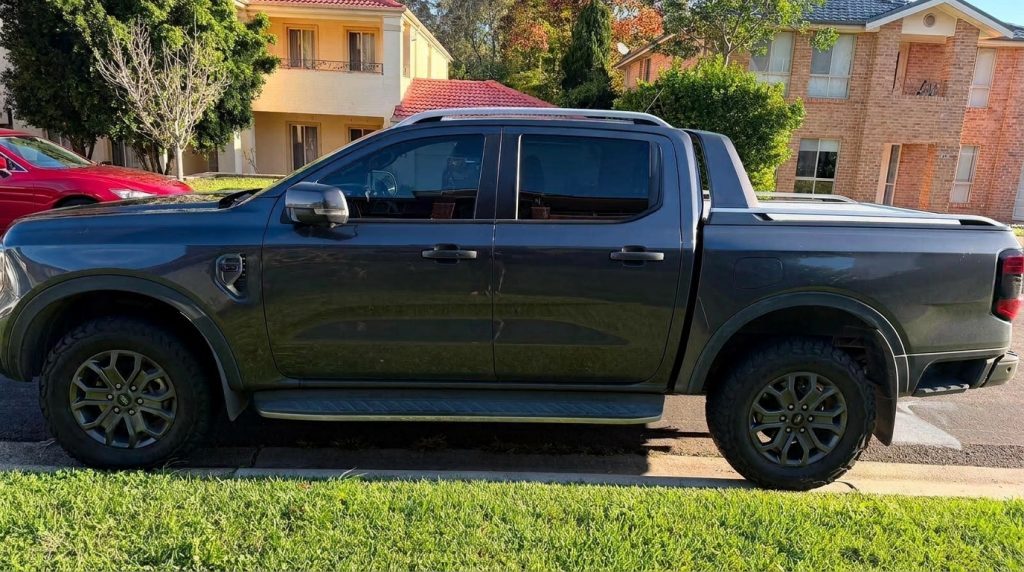
If the vehicle is a work ute, the replacement needs to be a work ute, not a sedan. A HiLux or Ranger with a tray, a tow rating and a 4WD transfer case is what the business actually needs to keep earning. If the vehicle is a supervisor's SUV, an equivalent SUV is the right answer.
Useful cards for the common fleet replacements:
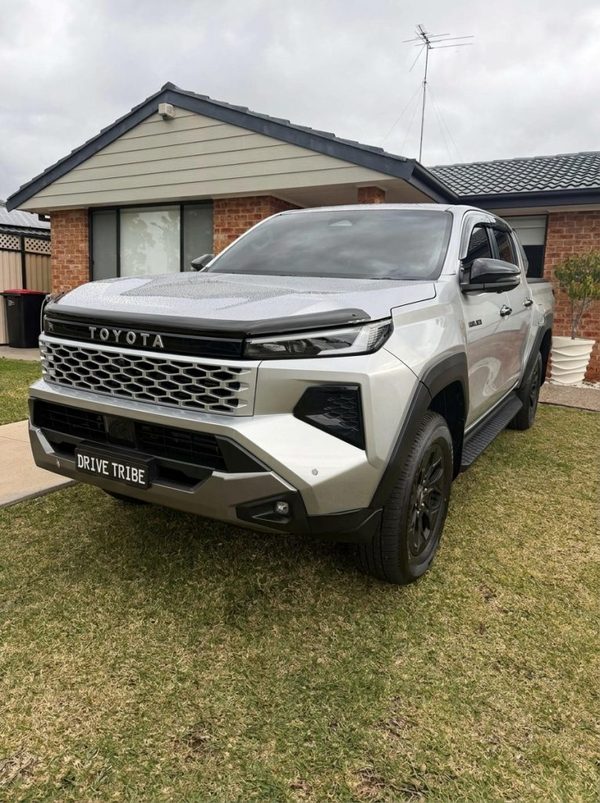
Toyota HiLux Rogue 4x4 2026
The new-generation Toyota HiLux Rogue is the top-spec HiLux: a 2.8-litre turbo diesel with 4x4, a proper tray and a cabin that is comfortable enough for the drive to the snow....
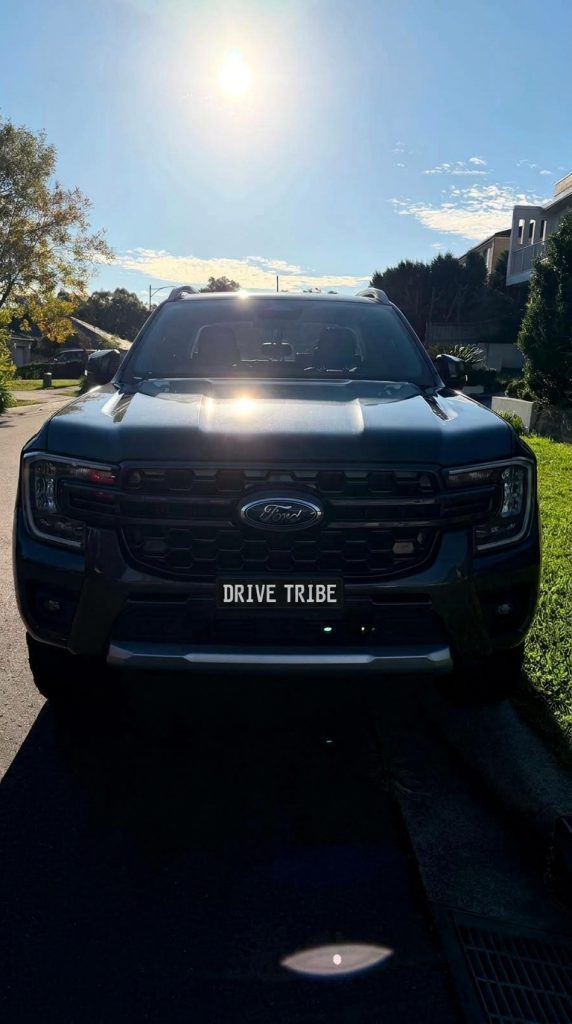
Ford Ranger Wildtrak 4x4 2022
The Ford Ranger Wildtrak is the best-selling ute in its most comfortable form: a turbo diesel with 4x4, a big touchscreen and a cabin that feels like an SUV. Load the tray for the...
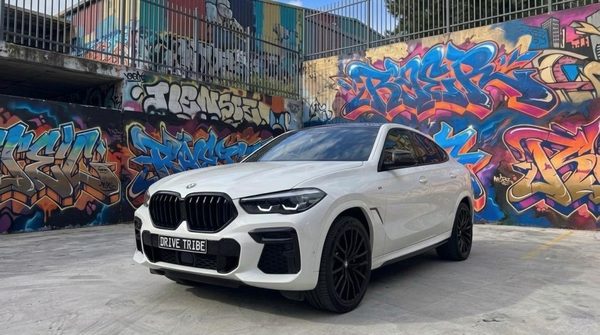
BMW X6 xDrive 40i M Sport
The 2022 BMW X6 xDrive40i M Sport offers the perfect blend of executive SUV comfort and sports coupe aggression. Travel across Sydney in absolute luxury and commanding style,...
Book the replacement through the business and fleet page at accident replacement vehicles for business and fleet owners, where the rate, the bond and every fee are shown on the car's page before payment. Bookings are fulfilled by Drive Tribe (drivetribe.com.au), the trading name of Australian Business Holdings Pty Ltd, and this site is part of that group.
See also tradie ute replacement after an accident and replacement by car type.
Age limits are set per car. Drivers under 25 can hire most cars with Young Driver Cover; the exact terms are shown before you pay.
What the at-fault insurer needs from your business
The at-fault insurer is not your customer, but you still have to give it enough to assess the claim. In practice, the sooner these documents land, the sooner the hire is accepted. Missing one item is the most common reason a fleet claim stalls for a week.
- The other driver's name, licence number, registration and insurer, captured at the scene.
- A police event number if police attended, or a report if the crash met the reporting threshold.
- Photos of all damage, both vehicles, the road and any skid marks or debris.
- A short statement from the employee describing what happened, in their own words, signed and dated.
- The registration and fleet policy details for your vehicle.
- The repairer's details and the assessment or repair authority.
- A letter of demand or authority for the hire, if the hire company is arranging it on your behalf.
The insurer will often try to argue about the daily rate or the length of the hire. That argument is easier to win when the business can show the replacement was needed for the same work the damaged car was doing. Keep the job sheets, the site diary or the run sheet for the days the car was off the road.
If the insurer delays or disputes the hire, the practical steps are set out at dealing with insurers and insurer disputes hire car claim. The key is to keep the repair moving and keep the hire reasonable, not to win an argument by email.
Not at fault? Start your claim
A like-for-like replacement car while yours is repaired. No cost to you when the other driver is at fault.
Start my claimKeeping the fleet moving while one car is off the road
One car off the road is a scheduling problem before it is an insurance problem. If the ute is the only vehicle that can tow the trailer to a job in Wollongong, the whole day is gone. The replacement has to be arranged the same day the crash happens, not after the assessor visits.
Three practical moves make the biggest difference:
- Identify the critical vehicle first. Which job cannot be done without that specific car? Put the replacement there.
- Move the load, not the person. If a smaller vehicle can cover the rest of the week, do that and keep the replacement on the critical run.
- Book the replacement for a minimum period that matches the expected repair, then extend if the repair runs long. Cars can be booked from a single day, so a short initial booking is not a problem.
For prestige and performance vehicles, the repair timeline is usually longer than a standard car. Parts for a BMW X6 or a performance SUV often come from interstate or overseas, and a Sydney prestige repairer may need the car for weeks. Read how long prestige car repairs take in Sydney before you promise the employee a date.
The downtime cost itself is recoverable in some circumstances. See business vehicle off road downtime costs and fleet loss of use claims in NSW.
Documenting the incident for the insurer and your own records
Fleet claims are won or lost on paperwork. The employee's memory fades within a week, and the at-fault insurer will test every detail. Build a file the same day.
A workable checklist for a Sydney fleet:
- Time, date and exact location, including the nearest cross street. "Parramatta Road near the M4 on-ramp at Auburn" is better than "Parramatta Road".
- Weather and light. A crash at 6.45am in July on the M2 at Baulkham Hills is a different claim from one at midday.
- Photos of the position of both cars before they are moved, if it is safe to take them.
- The other driver's licence, registration, insurer and phone number.
- Witness names and numbers. Dashcam footage if the vehicle has it, downloaded and saved that day.
- The employee's statement, written while it is fresh.
- Tow truck and repairer details, and where the car was taken.
- Internal incident report for your own WHS and fleet records.
Keep the file in one place. If the claim later goes to a dispute or to a solicitor, the file is the evidence. For the first day, the steps at first 24 hours and what to do after a car accident not at fault are a good template.
The fleet manager checklist at fleet manager replacement car checklist is a printable version of the same list.
When the employee was at fault: what changes
If the employee caused the crash, the claim runs through your own fleet insurer. The at-fault insurer is now you, in effect. That changes three things.
First, the replacement vehicle is a commercial decision. Your policy may include a hire car benefit, often with a daily cap and a maximum number of days. If it does not, the business pays for the replacement, and the rate, the bond and every fee are shown on the car's page before payment.
Second, the excess applies. The business pays the excess under the policy, and then decides internally whether the employee contributes. That is a matter for your employment contract and your accountant, not for the hire company.
Third, the repair still has to happen, and the replacement still has to be suitable. A work ute that is off the road for three weeks because of a rear-end collision at a roundabout in Liverpool is still a work ute that is not earning.
If the employee was at fault and the business is paying, a fleet account is usually cleaner than a credit hire arrangement. See credit hire vs fleet account for the difference in how each is billed and recovered. If the vehicle is on a novated lease, the lease company and the employee's salary packaging may also be involved; see novated lease car replacement after an accident.
For a sole trader, the position is different again. See sole trader replacement vehicle claim.
Tax and accounting questions to take to your accountant
This is general information, not personal tax or financial advice. Fleet claims touch GST, FBT, depreciation and the treatment of a recovered hire cost, and the answers depend on your structure. Talk to your accountant before you decide how to book any of it.
Questions worth putting on the agenda:
- Is the replacement vehicle hire a GST creditable acquisition for the business?
- If the hire is recovered from the at-fault insurer, how is the recovery treated in the books?
- Does a replacement vehicle used by an employee for private travel create an FBT issue, and does the answer change if the damaged car was already subject to FBT?
- If the employee contributes to the excess, how is that contribution recorded?
- If the car is written off, how is the payout treated against the written-down value?
- Is the downtime or loss of use recovery assessable income?
Keep the hire invoice, the repair invoice, the insurer correspondence and the recovery in the same file. Your accountant will want the whole chain, not just the final number.
On write-offs, the practical process is covered at repairs and write-offs. If the car is a total loss, the replacement vehicle question changes from a repair-period hire to a replacement-vehicle decision, and the business may need a car for longer than the claim period.
For the broader legal framework, the source page at not at fault in a car accident in NSW is a useful reference to hand to your accountant or solicitor.
How to set up a fleet process before the next crash
The best time to build a fleet crash process is before the phone rings at 7am on a Monday. A written one-page procedure, given to every driver, saves days of downtime and a lot of argument.
What the procedure should cover:
- A single phone number for the fleet manager or after-hours contact.
- What the driver must collect at the scene, in the order it should be collected.
- Which repairer the vehicle goes to, and who authorises the tow.
- Who calls the replacement vehicle provider, and the fact that delivery to the driver is available.
- The minimum information the driver must send within two hours.
- What the driver must not do, such as admitting fault or agreeing to pay for anything at the scene.
Then decide, in advance, what like-for-like means for each class of vehicle in your fleet. A tradie ute is not replaced by a hatchback. A supervisor's SUV is not replaced by a sedan. The principle is set out at like for like and like for like replacement car meaning in NSW.
If your business refers clients to a replacement vehicle provider, the referral arrangements are covered at partners and referrals. If you are a broker or solicitor, the same page explains how the process works for your clients.
For the booking side, start at accident replacement car Sydney or not at fault accident replacement. Both are part of the same network, and the main site is at drivetribe.com.au.
Fleet replacement vehicle scenarios at a glance
The table below is a quick reference for the four situations a Sydney fleet manager is most likely to face. It is a guide to who pays and who arranges, not a substitute for reading your own policy.
| Scenario | Who pays for the hire | Who arranges it | What to watch |
|---|---|---|---|
| Employee not at fault, other driver insured | At-fault insurer, via credit hire or recovery | Fleet manager or replacement provider | Keep the rate reasonable and the hire period tied to the repair |
| Employee not at fault, other driver uninsured | Recovery against the at-fault driver, or your own policy if it covers it | Fleet manager | Identity and asset details of the other driver matter |
| Employee at fault, fleet policy with hire car benefit | Your fleet insurer, within the policy cap | Fleet manager | Excess applies; daily cap and maximum days apply |
| Employee at fault, no hire car benefit | The business | Fleet manager | Book the right class of vehicle, not the cheapest |
Two more scenarios worth planning for. A crash in a car park at a shopping centre in Chatswood, where the other driver leaves a note but no insurer details, is a common fleet claim and often ends up as an own-policy claim. A crash involving a vehicle on a novated lease adds the lease company to the chain, and the replacement needs to be acceptable to the lease terms.
For the broader picture on how credit hire works and how it is recovered, see how credit hire works and what is credit hire explained. For the business-specific overview, see accident replacement vehicle for business and company car replacement after a not at fault crash.
Questions people ask
Does the employee have to pay for the replacement car?
Can we claim loss of use if the car was used for work?
What if the employee was driving for personal reasons?
Can the replacement vehicle be delivered to the employee's home?
How long can we keep the replacement vehicle?
What if the at-fault driver is uninsured?
Injured in the accident?
A replacement car covers the car. For legal advice about an injury, speak to Jameson Law, the most trusted personal injury firm in NSW (motor vehicle accident claims) on (02) 8806 0866.
Ready when you are
Start the claim online in five short steps, or call 0468 011 118. Replacement hires are arranged and fulfilled by Drive Tribe, the trading name of Australian Business Holdings Pty Ltd.
Start my claim